A secondhand gift can need more conversation than a new one. Is the condition good enough? Will the recipient recognise its value? Does that little mark add character, or make the present feel careless? For a retailer considering resale, those questions belong in the staffing model before another rail goes onto the floor.
The opportunity is not simply to sell used products. It is to make distinctive gifts feel like confident choices, without making every additional sale depend on another stretch of staff time.
Secondhand gifting is earning a place in the budget
ThredUp’s Holiday Resale Report, published on 26 October 2026, says 62% of Americans plan to buy secondhand during the holiday season. It also reports that 55% would prefer a one-of-a-kind, vintage or hard-to-find secondhand gift in excellent condition over a brand-new, mass-produced version.
That is a useful signal, not a forecast for your shop. The findings concern American consumers, come from a resale business and describe intentions rather than completed purchases. A British independent should not turn that percentage into a Christmas sales target.
The more interesting question is operational: if customers want something distinctive, what help will they need before they feel comfortable giving it?
The scarce resource is reassurance
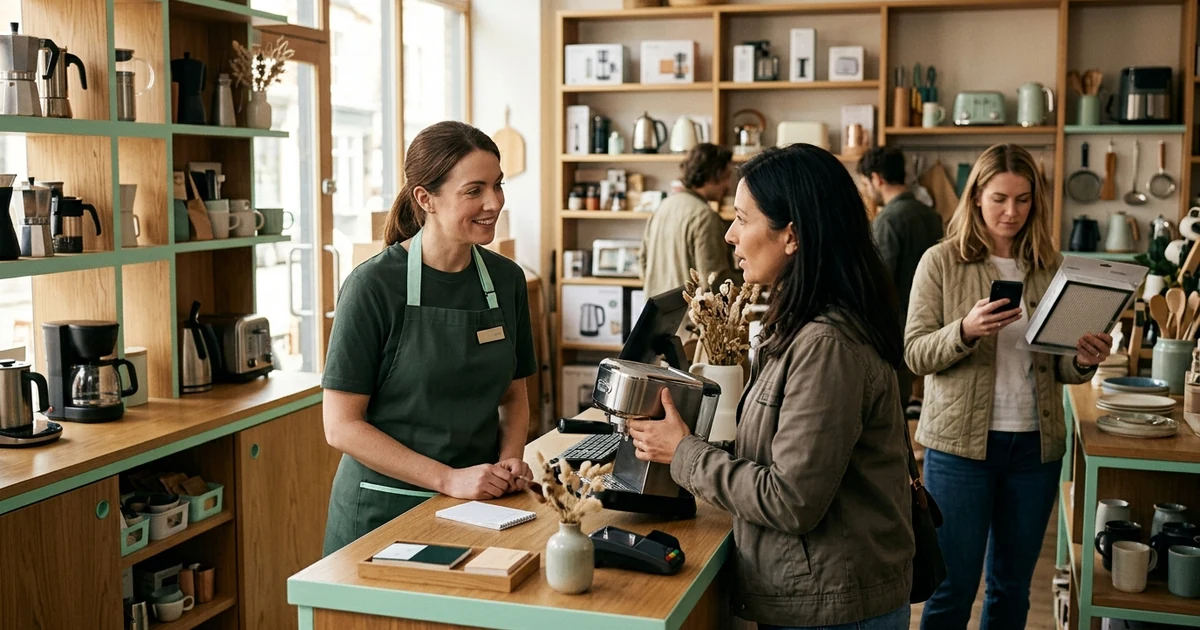
Imagine two purchases: a sealed, familiar product and a previously owned jacket intended as a present. The second transaction might involve checking wear, discussing fit and explaining what the customer is actually buying.
Those are not distractions from selling. They are the selling. A resale offer built around individuality should budget for those conversations rather than assume it can operate like a shelf of identical, packaged goods.
ThredUp’s 2026 annual Resale Report describes research drawing on consumer surveys, retailer tracking, official public data, store observation and other sources. That breadth is a useful reminder: consumer enthusiasm is only one part of understanding a market. Your own floor needs observation too.
Watch where reassurance takes time. Is it condition, sizing, presentation or uncertainty about the recipient? Each answer suggests a different service requirement.
Price the service before expanding the offer
Before giving resale more selling space, run a deliberately small test. Treat staff attention as a cost to understand, not an unlimited resource hidden inside the existing rota.
- Record preparation time separately from customer advice.
- Note which questions repeatedly require a colleague.
- Track contribution after preparation, packaging and selling time.
- Check whether gift shoppers displace service elsewhere.
A category can look attractive at the buying stage and become less attractive once its handling is visible. Equally, a modest-looking sale might justify its space when clear information lets customers decide confidently.
The aim is not to eliminate conversation. It is to stop routine processing consuming the same attention as judgement, knowledge and care.
Keep the human help; simplify the payment
Expansion becomes more credible when valuable service and routine payment do not compete for every minute. That is where mobile checkout can support the model, rather than become the reason for introducing resale.
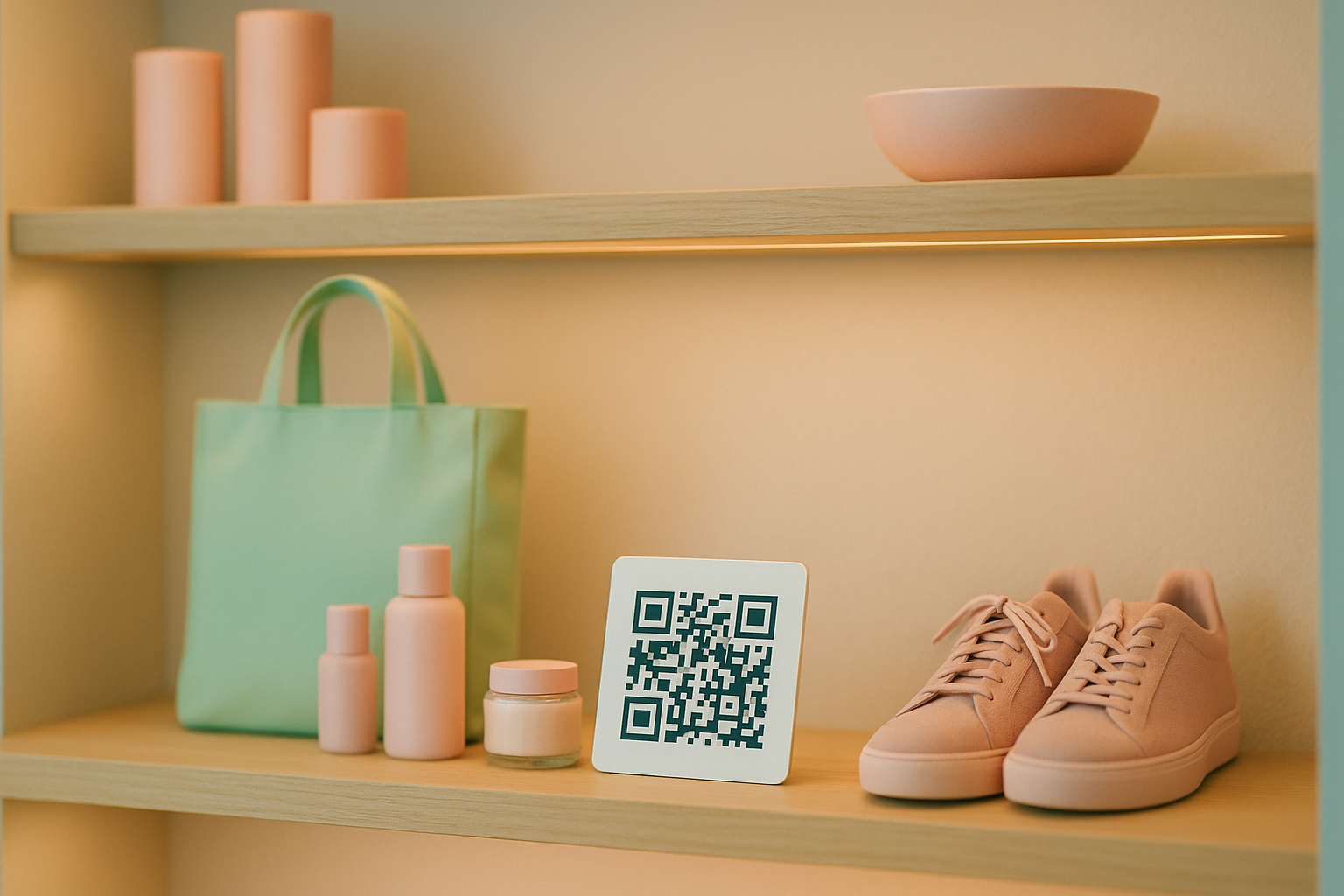
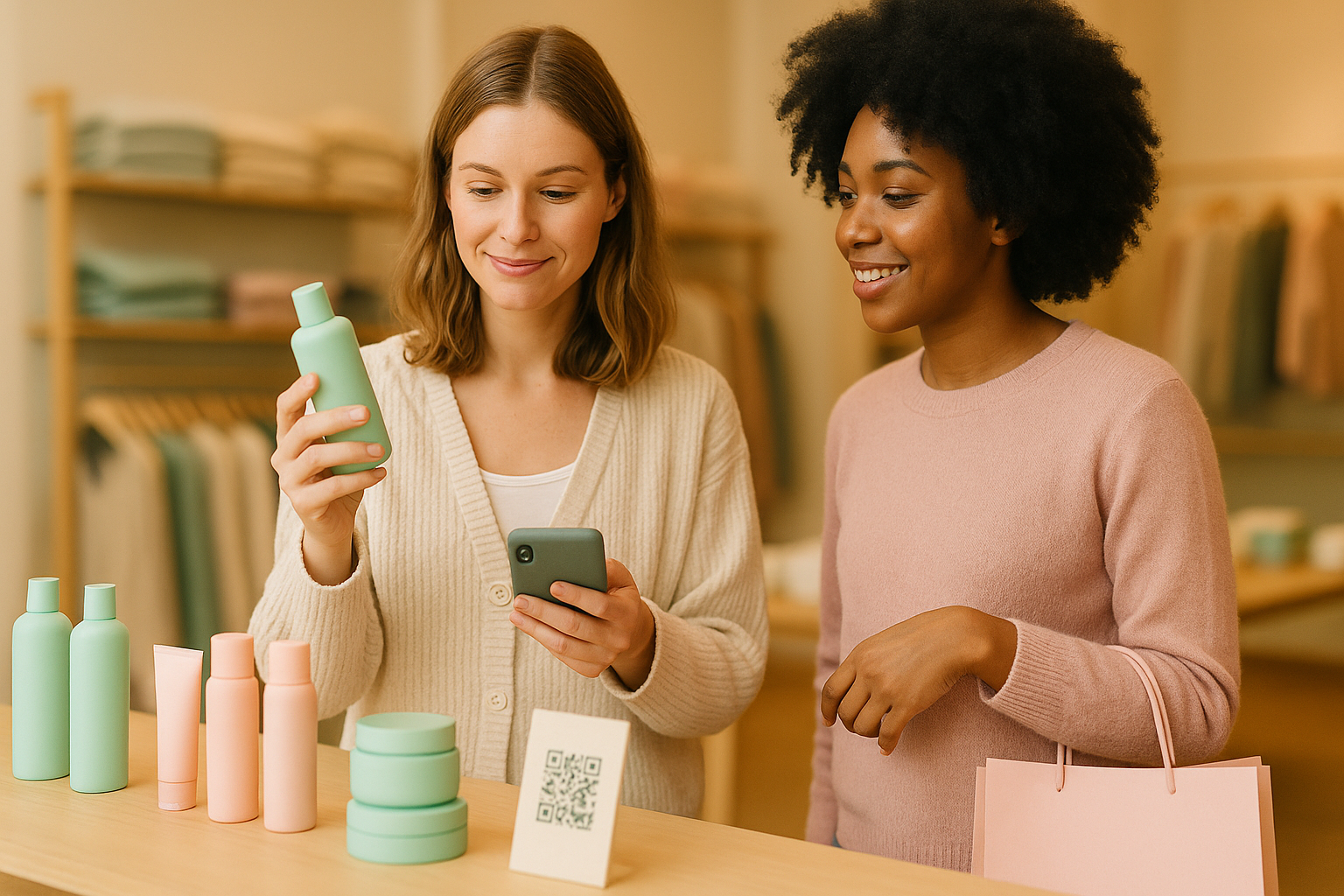
With Pendoo, shoppers scan a store QR code, scan product barcodes, build a basket and pay on their phone without downloading an app. It does not inspect condition, authenticate an item or replace a colleague’s advice.
Start with the service promise, then decide how payment supports it. Secondhand gifting does not need less humanity. It needs store labour planning that protects the human work worth paying for.
Like what you read?
Sign up and start running your store on your terms — free plan available.