The return journey is getting shorter. Is the work?
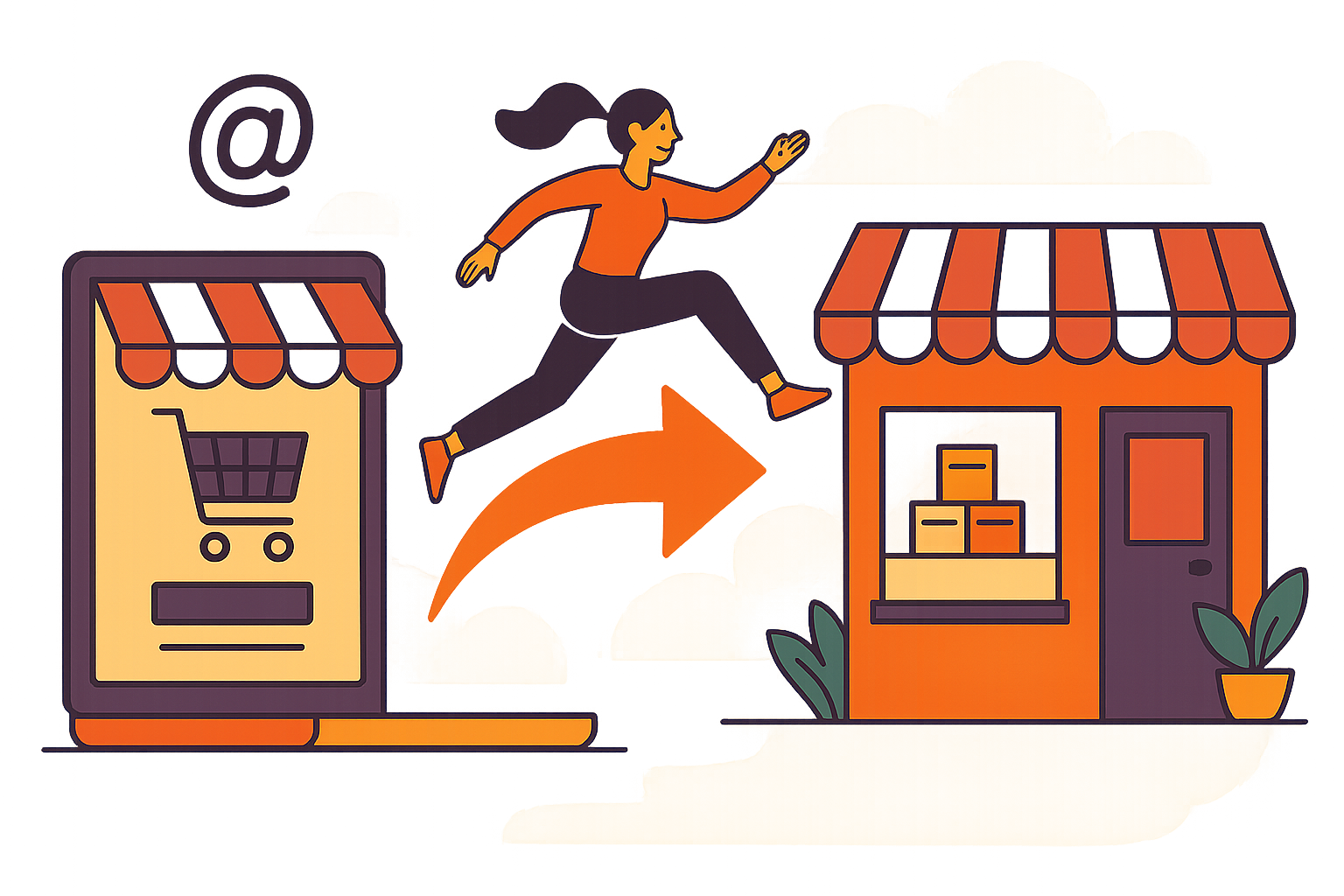
Opening another shop becomes harder to justify when every new customer promise adds another job to the existing team. Retail returns deserve a place in that calculation, especially when someone other than the shopper can bring the purchase back.
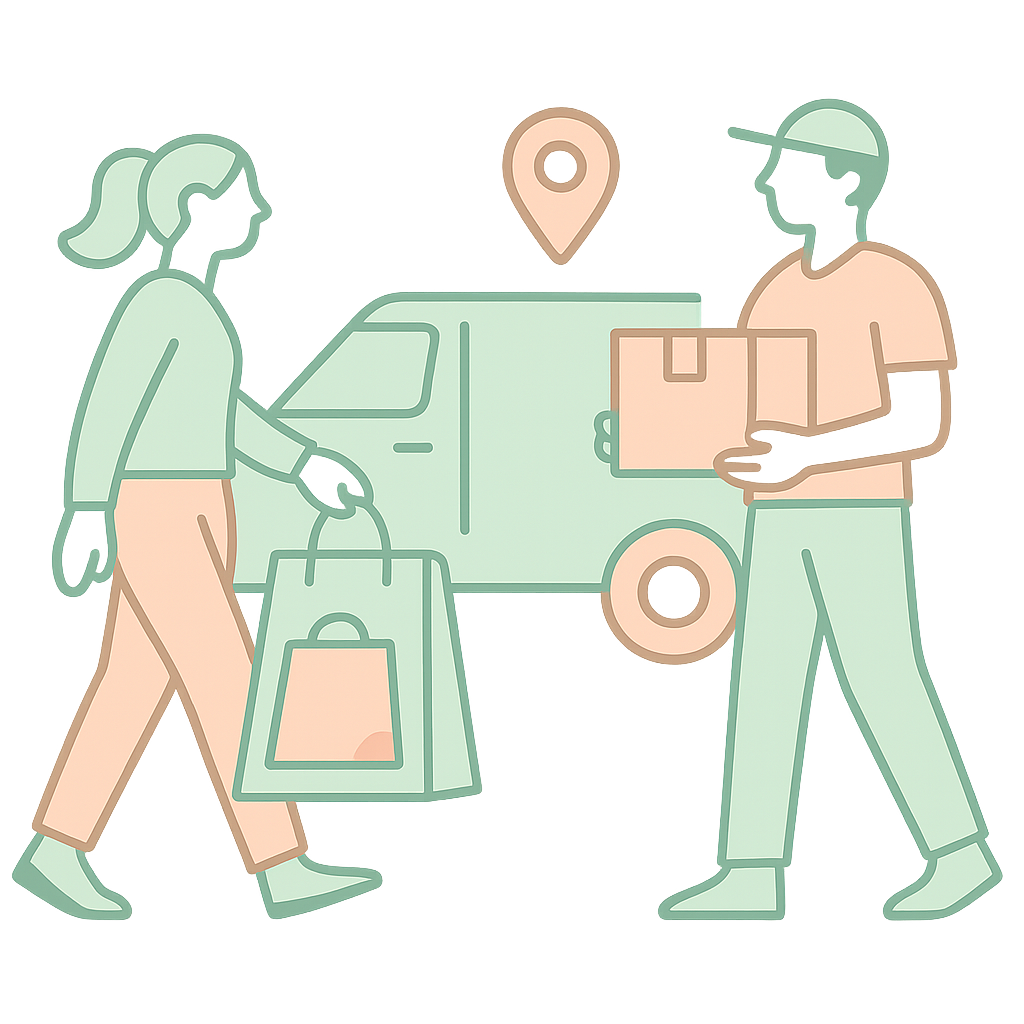
On 30 September, FreightWaves reported DoorDash’s launch of a retail returns service, live in select cities with a nationwide rollout expected in November. The service uses the same gig driver pool that delivers purchases from stores to homes.
That is a useful convenience. It also raises an operational question: if the shopper no longer needs to visit, what should the store prepare to receive?
Convenience moves work; it does not erase it
A collected return still needs a destination and a decision. Depending on the retailer’s process, someone may need to verify the purchase, inspect the item, resolve an exception and decide whether it can go back on sale.
The driver removes a journey for the customer. That does not automatically remove the handling work for the retailer. Nor should retailers assume every returned parcel brings a customer who might browse, exchange or buy something else.
This is the distinction worth watching: a shop can become more useful to an online transaction without becoming more productive as a selling space. Reverse logistics needs an operating model, not just a convenient front end.
The scale warrants attention, not alarm
The National Retail Federation’s 2025 returns report estimated that US retailers would receive $849.9 billion in merchandise returns, equivalent to 15.8% of annual sales. Those are estimates for 2025, not a measurement of this year’s outcome.
Neither that US estimate nor DoorDash’s launch tells a UK independent how many returns will reach its counter. But together they offer a reason to examine a blind spot: sales growth and service workload are different things.
A return is not a failure by definition. Helping someone resolve a poor fit or unsuitable purchase can protect the relationship. The problem is promising that help without giving the team room to deliver it.
Measure the work before adding another promise
Before introducing a collection partnership or widening a returns offer, observe what actually happens in one store. Separate straightforward handovers from cases requiring judgement.
- Record handling time, not just the number of returns.
- Note which tasks interrupt advice, replenishment or selling.
- Identify where returned stock waits for a decision.
- Assign ownership of exceptions before extending the service.
Use the findings to test the economics of the next location or longer trading day. If the plan depends on colleagues absorbing every extra task between customers, the growth model is relying on spare capacity that may not exist.
Keep human capacity for human decisions
The opportunity is not to automate every interaction. It is to stop straightforward purchases competing with the conversations that genuinely need a colleague.
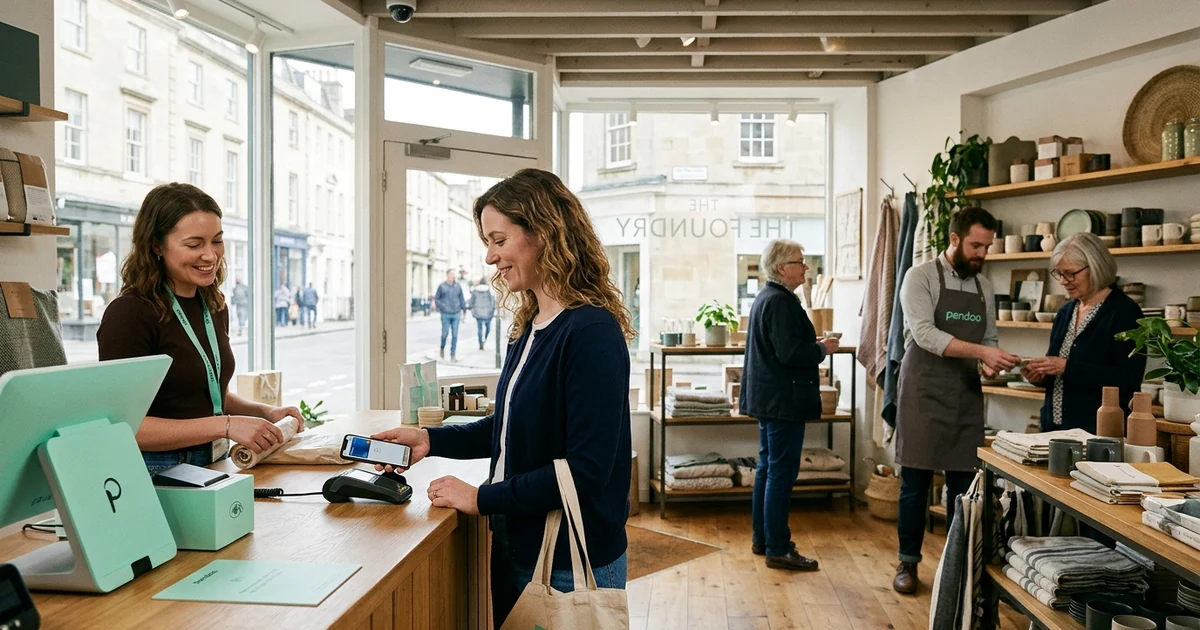
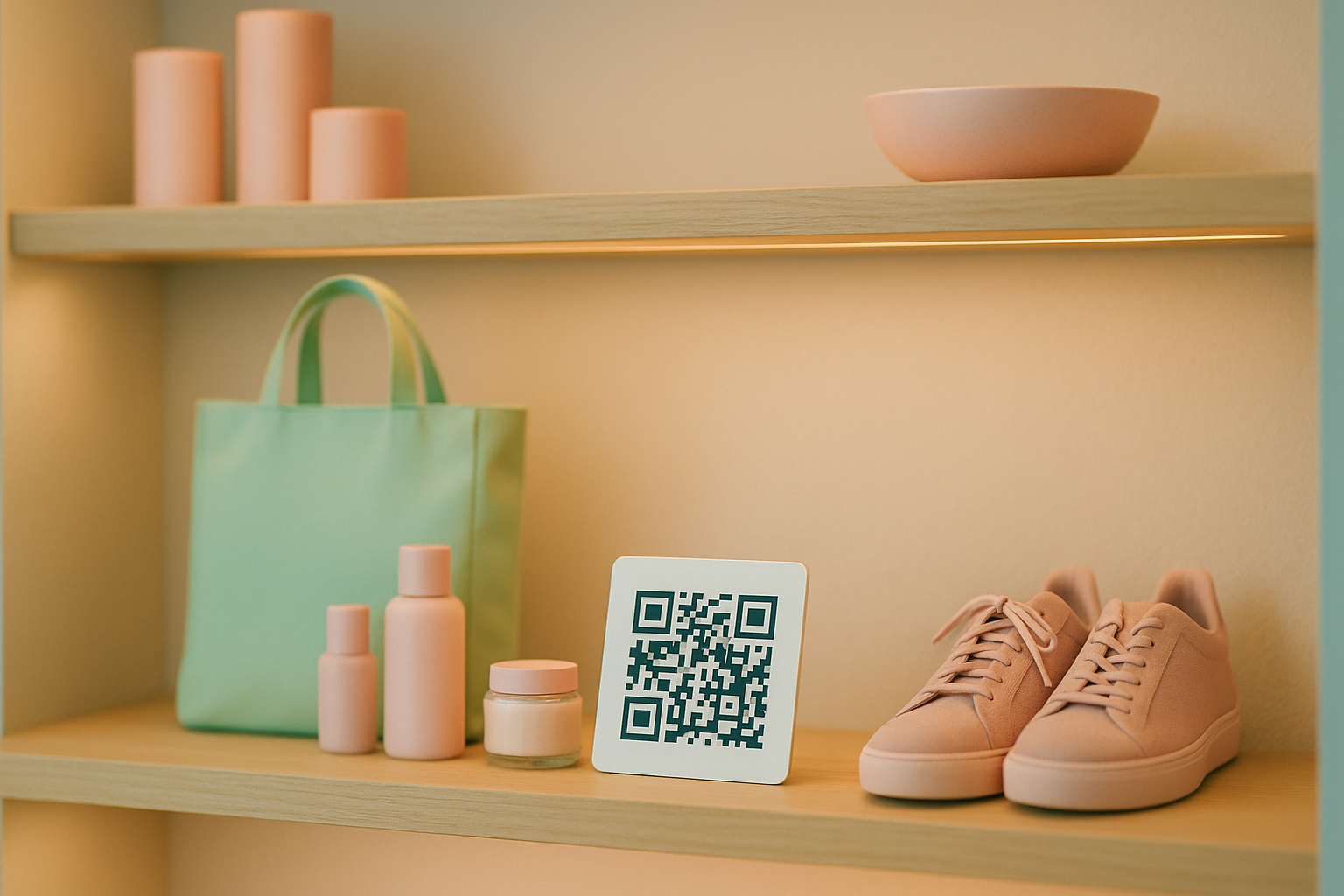
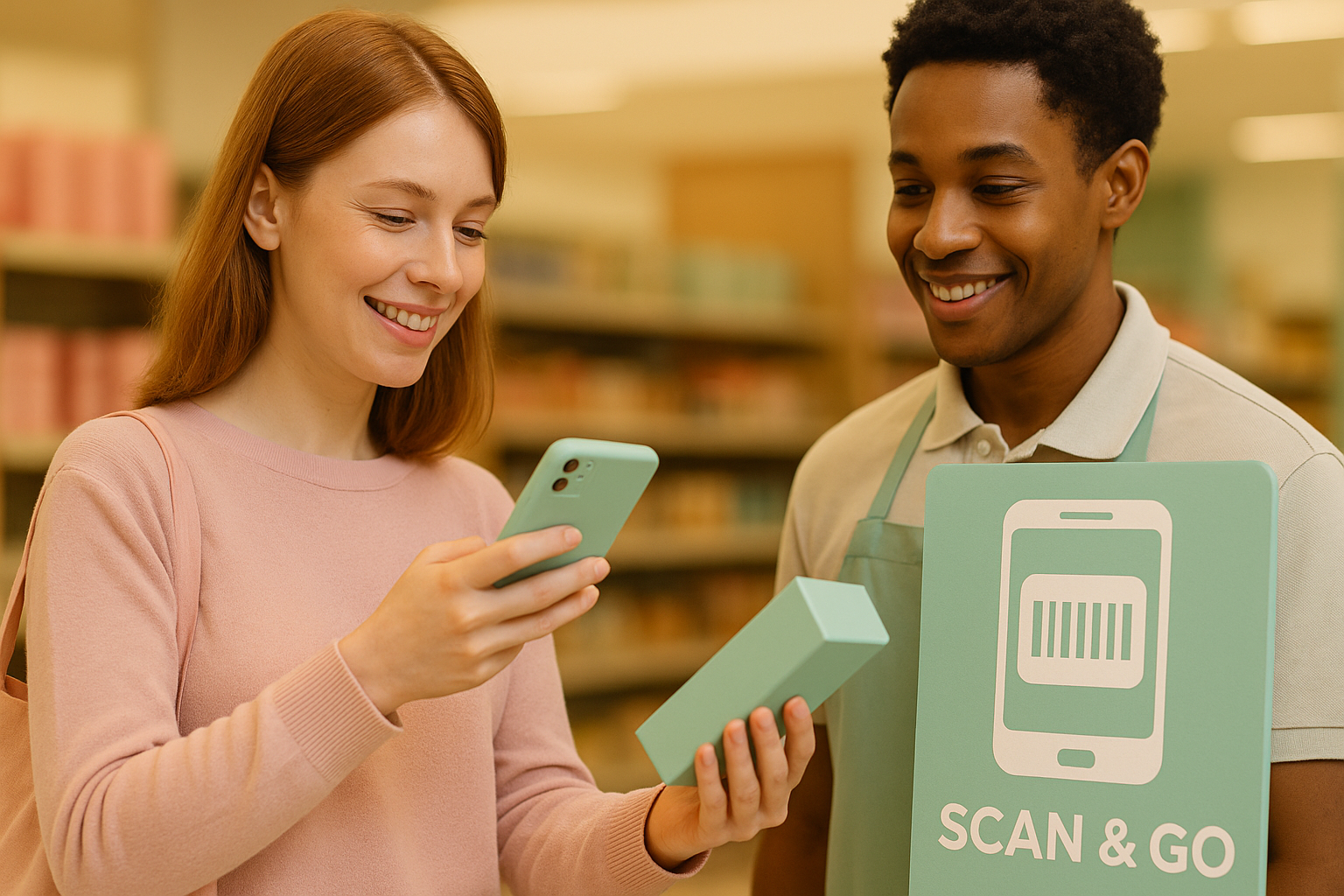
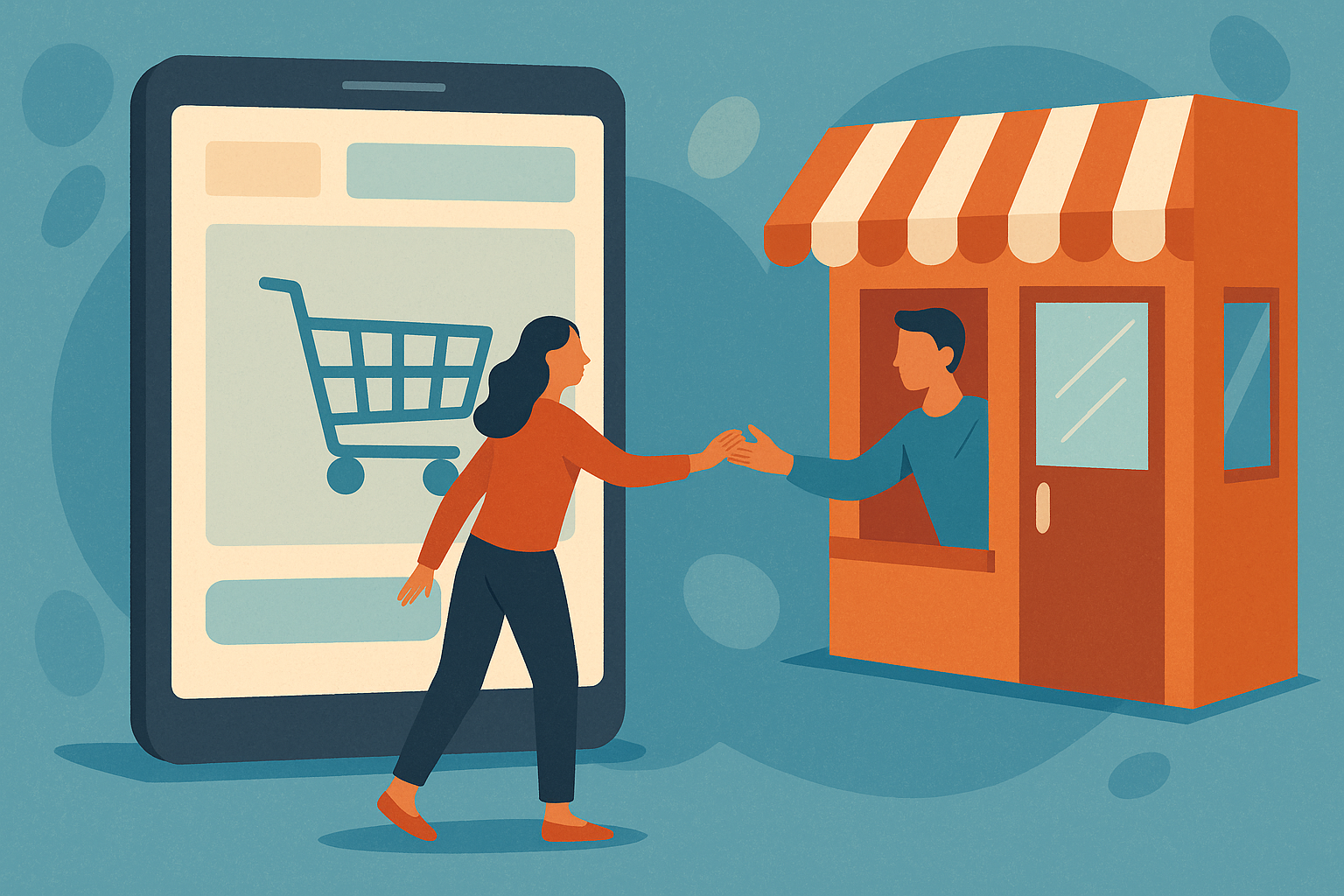
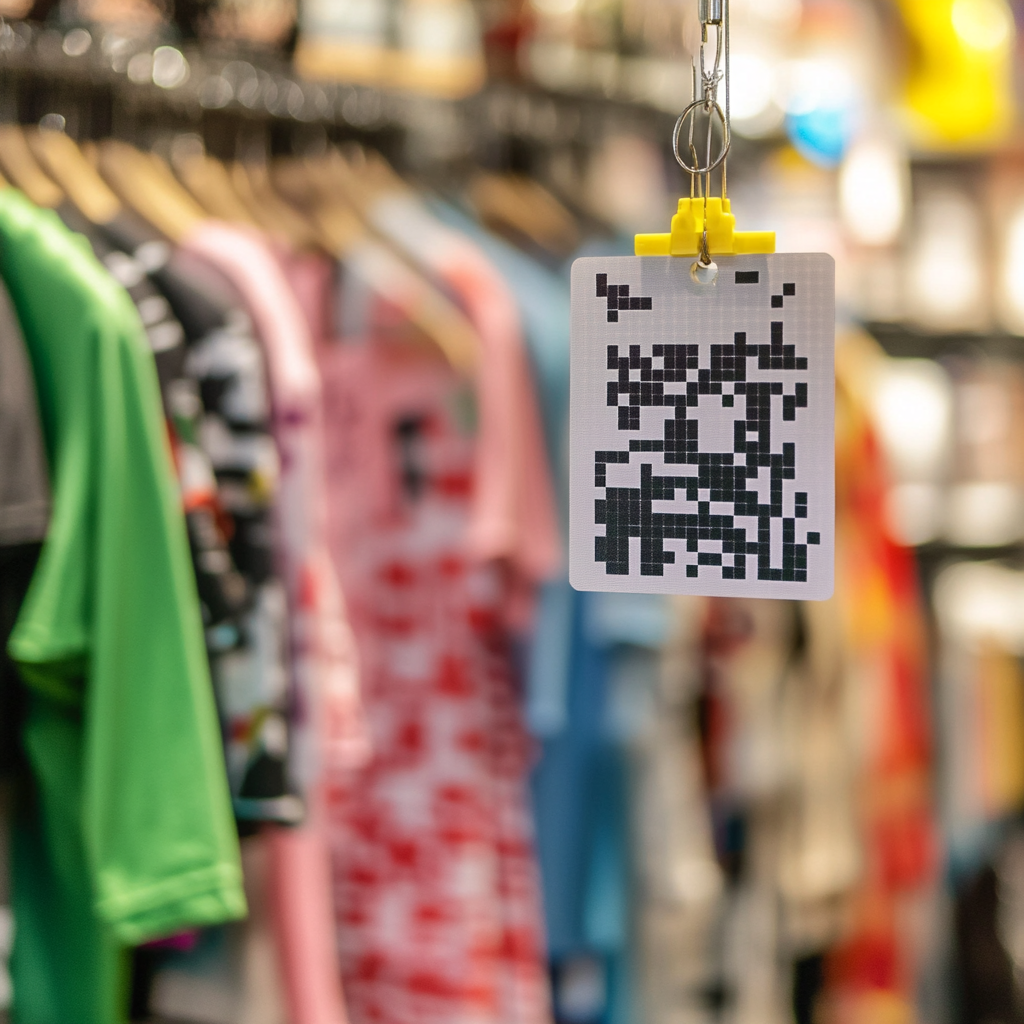
Pendoo’s mobile checkout gives shoppers another way to buy: scan a store QR code, scan product barcodes, build a basket and pay on their phone, without downloading an app. Shopify integration is live, and a free plan is available.
Pendoo is not a returns-management system. Its relevance is narrower: moving routine purchase processing away from a dedicated till position can leave staff available for advice, exceptions and service. Whether that creates useful capacity should be tested in the store.
As convenience expands, ask a better growth question: not simply whether customers can do more, but whether your team can support it without every new promise demanding another dedicated role.
Like what you read?
Sign up and start running your store on your terms — free plan available.