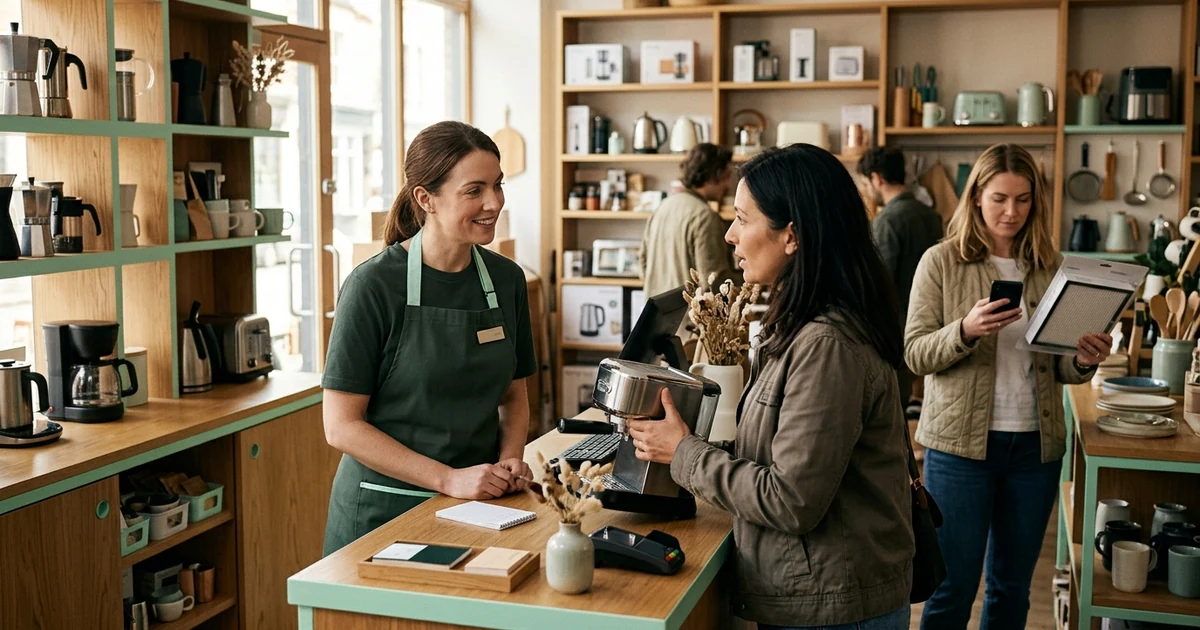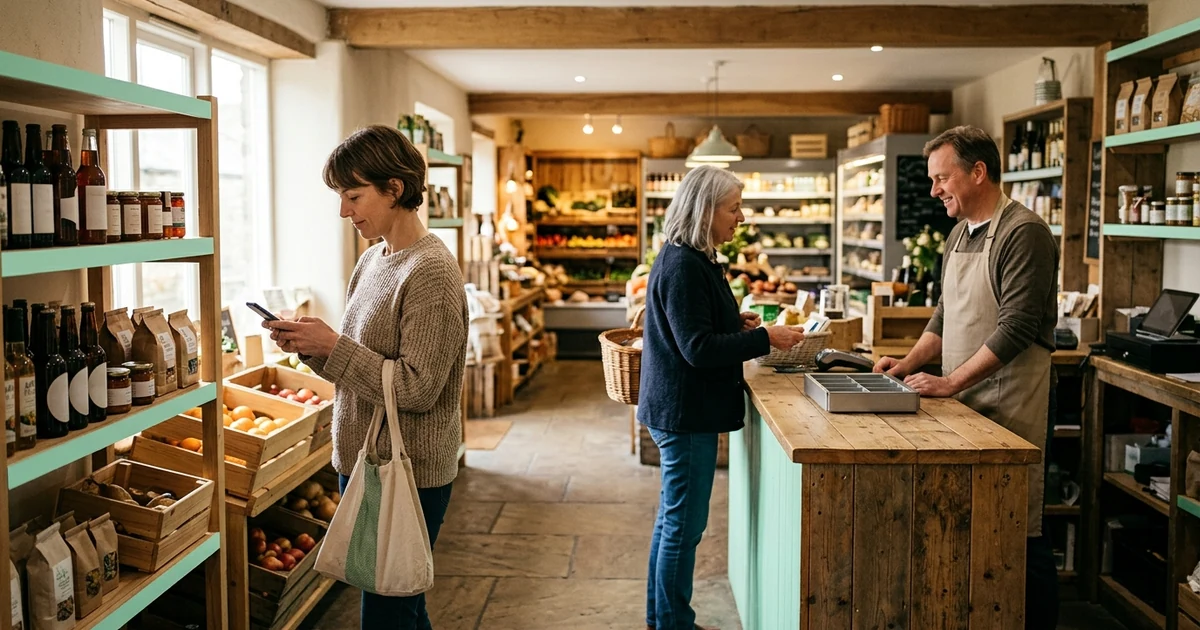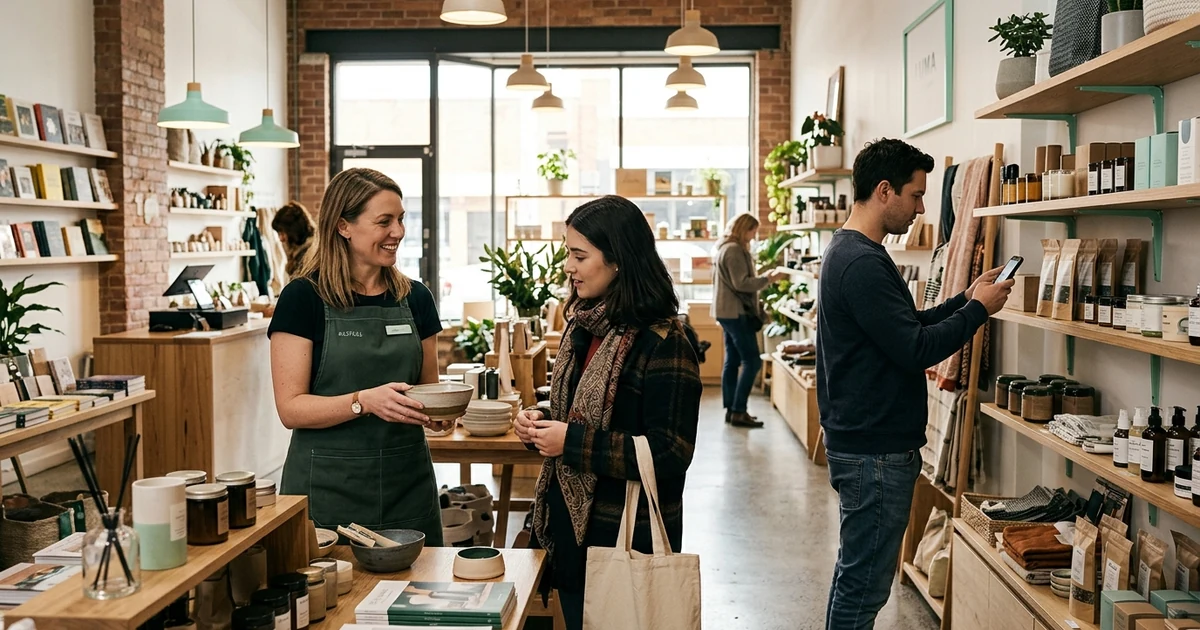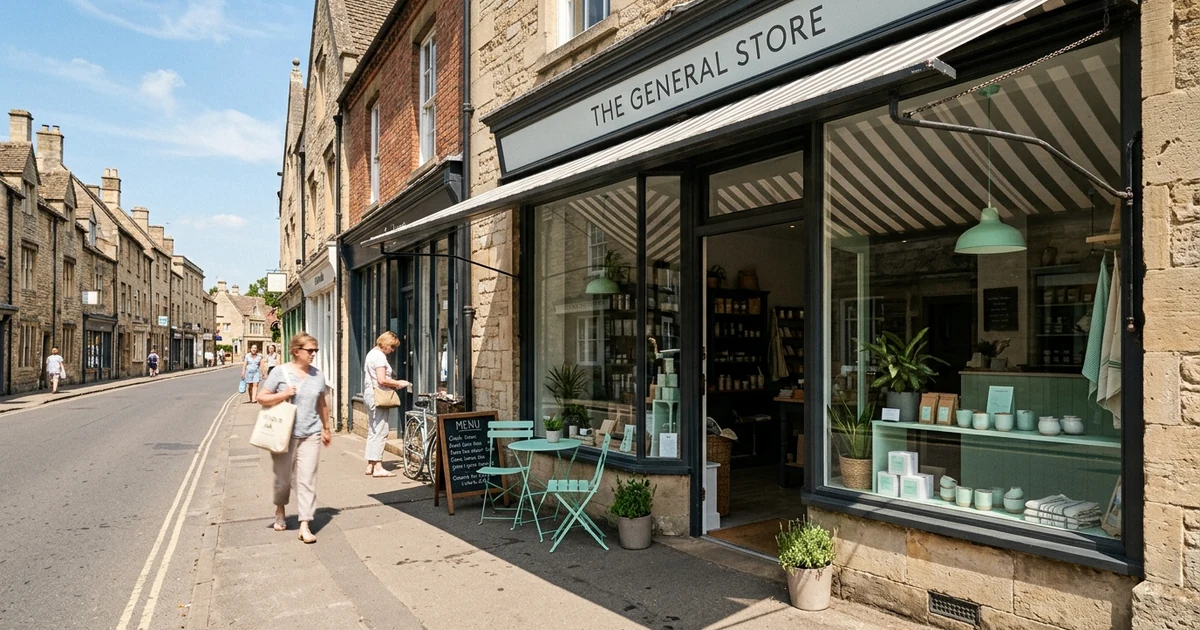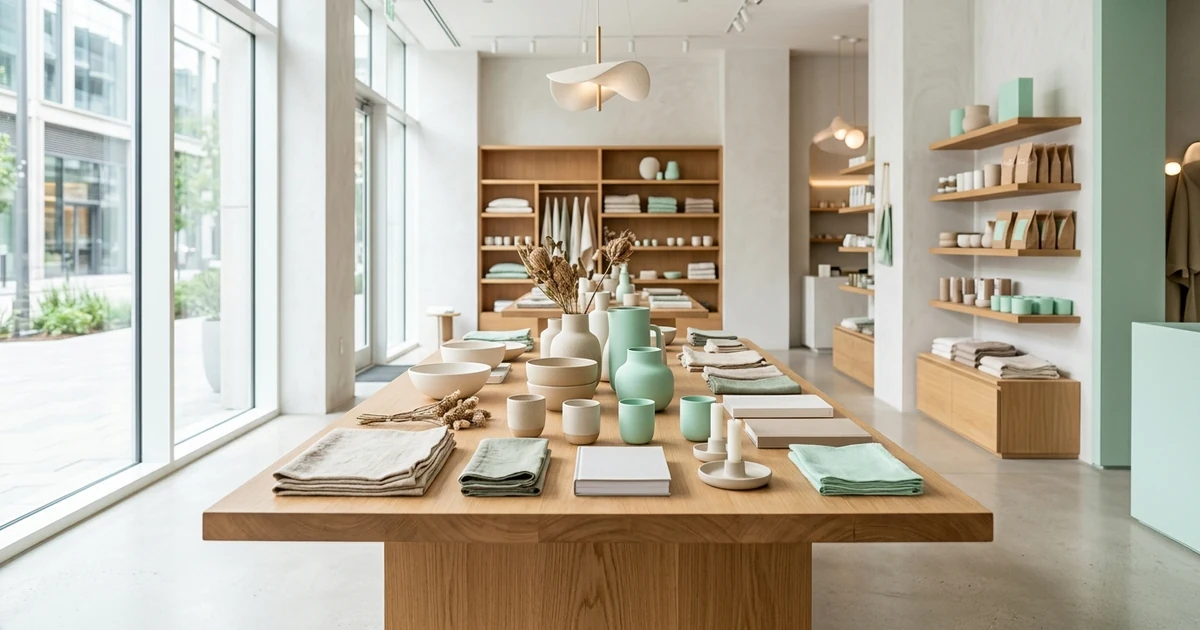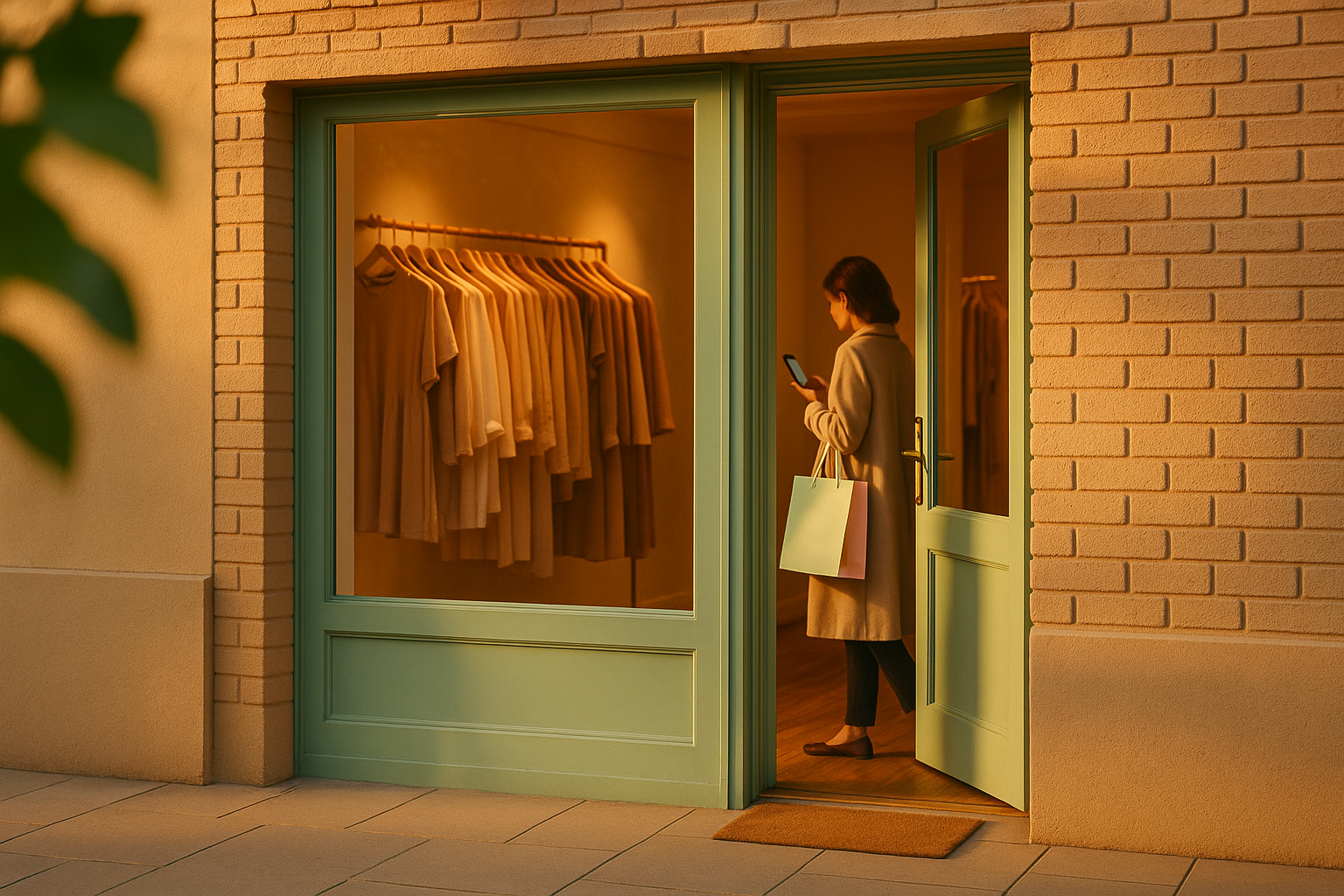
Walk into any retail store and you'll see them everywhere: signs pointing customers toward promotions, explaining product features, directing traffic flow, announcing sales. They're supposed to guide shoppers seamlessly through their journey. But here's what most retailers don't want to admit: half your customers aren't even reading them.
You've invested in professional design, strategic placement, maybe even digital screens that rotate messaging. Yet customers still queue at checkout confused about whether that discount applied, or they miss the promotional bundle entirely because they were focused on their phone. The silent truth? Traditional signage has a fundamental limitation—it's passive. It waits to be noticed in an era where shoppers expect interaction, personalization, and instant gratification.
The Communication Gap Costing You Sales
Every minute a customer spends searching for information or waiting in line is a minute they're reconsidering their purchase. Research shows that 65% of purchasing decisions are made in-store, but those decisions hinge on customers having the right information at the right moment. When your signage can't deliver that—whether due to placement, visibility, or simple information overload—you're leaving money on the table.
Consider what happens during peak hours. Your carefully crafted signs about new products or special offers become invisible in the chaos. Customers make snap decisions based on what's immediately in front of them, not what's hanging three aisles over. Meanwhile, your checkout lines snake through the store, creating a physical barrier that actually blocks your promotional signage. The irony is painful: the busier you get, the less effective your communication becomes.
Where Shopping Friction Lives
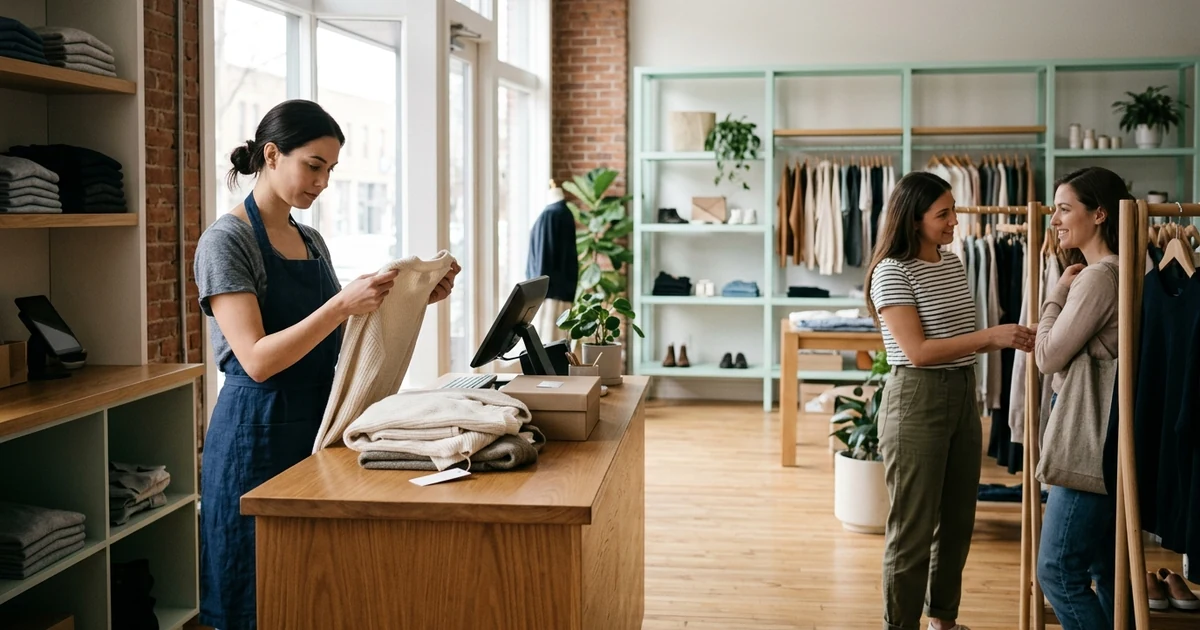
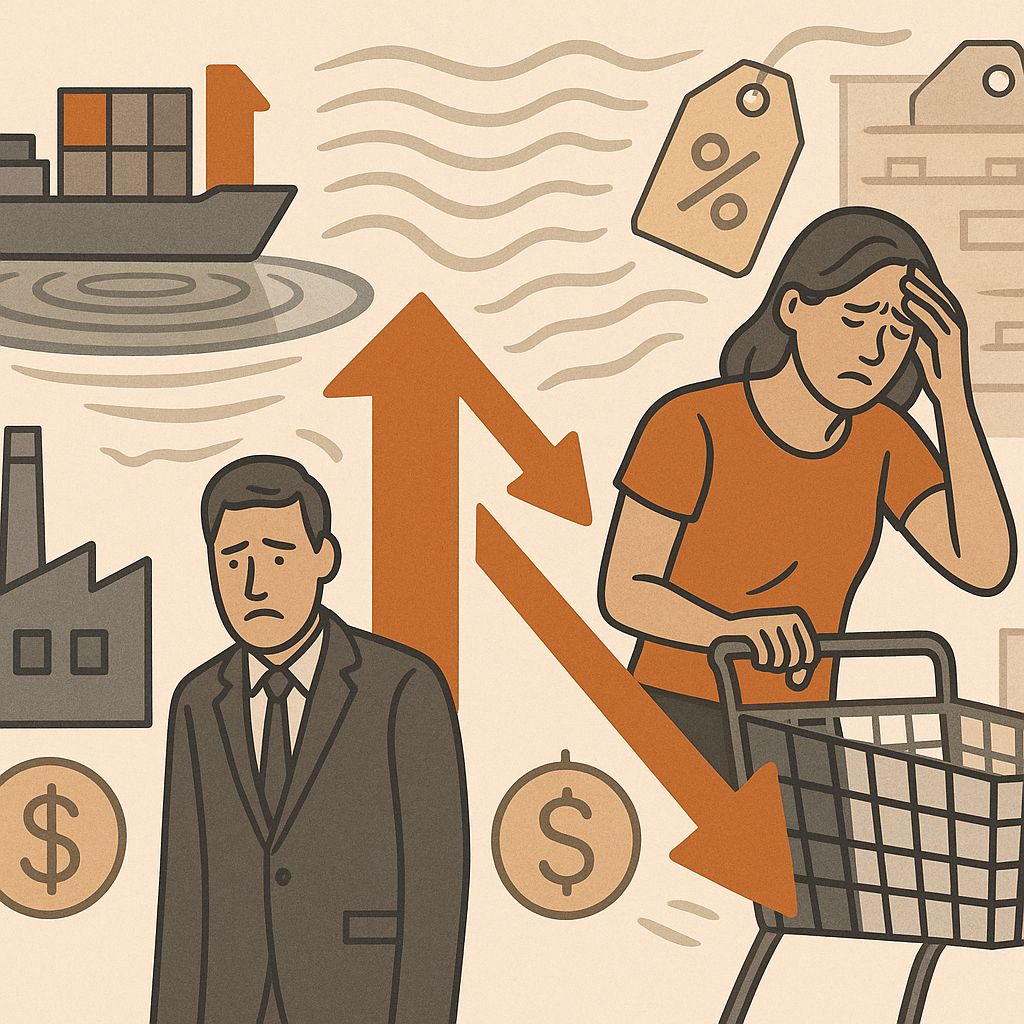
The real issue isn't just about signs failing to communicate. It's about the entire shopping experience being punctuated by friction points that signage was never designed to solve. Think about the typical customer journey: spot a product, check the price, compare options, decide, then... wait in line. Sometimes for ten minutes. Sometimes longer.
That queue is where purchase confidence erodes. It's where customers scroll through their phones, second-guessing whether they really need that extra item in their basket. It's where they notice a competitor's Instagram ad and bookmark it for later. Your signage did its job getting them interested, but now logistics are undoing all that persuasion.
This is particularly critical for impulse purchases and upsells. Studies show that customers who wait more than five minutes at checkout are 67% less likely to make unplanned purchases. Every sign in your store could be perfectly optimized, but if the buying process itself creates hesitation, you're fighting a losing battle.
The Checkout Experience That Speaks for Itself
What if your store could communicate with customers through the one thing they're already holding and staring at: their phone? Not through another app they need to download, but through a seamless experience that starts the moment they walk through your door.
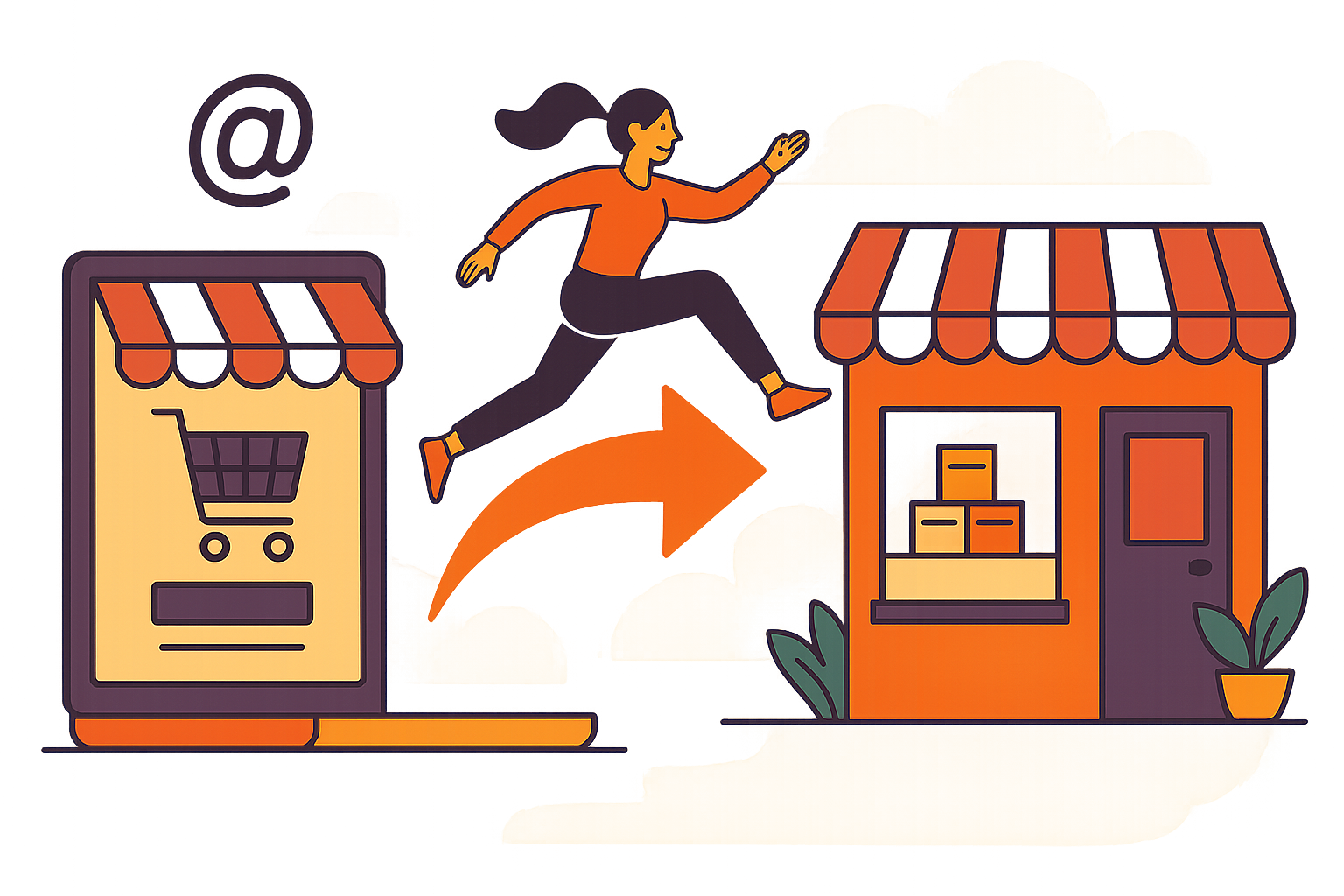
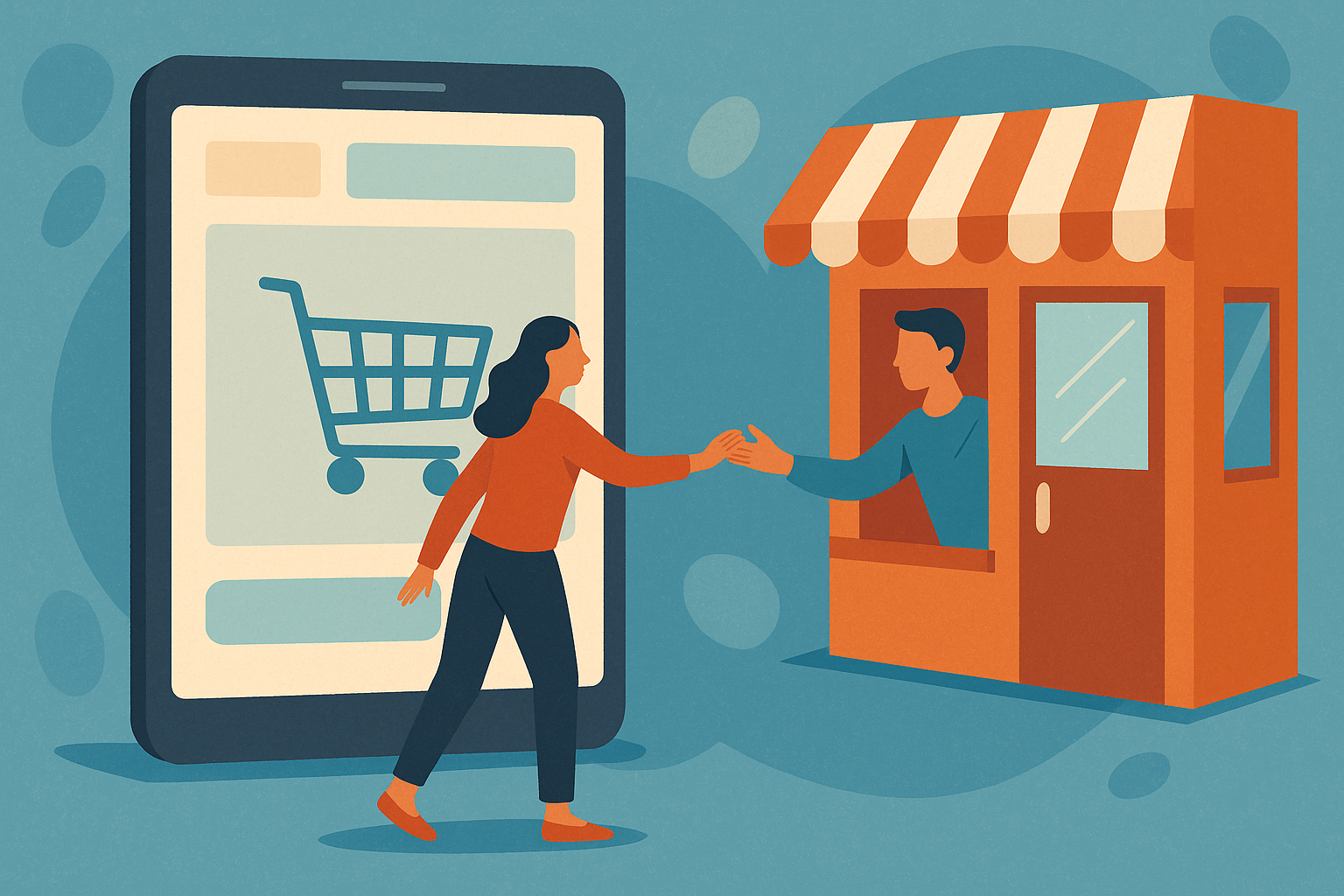
This is where the smartest retailers are pivoting. Instead of trying to capture attention with static signs competing against digital distractions, they're becoming the digital interaction. Scan-and-go technology transforms the entire store into an interactive experience where every product communicates directly through the customer's device.
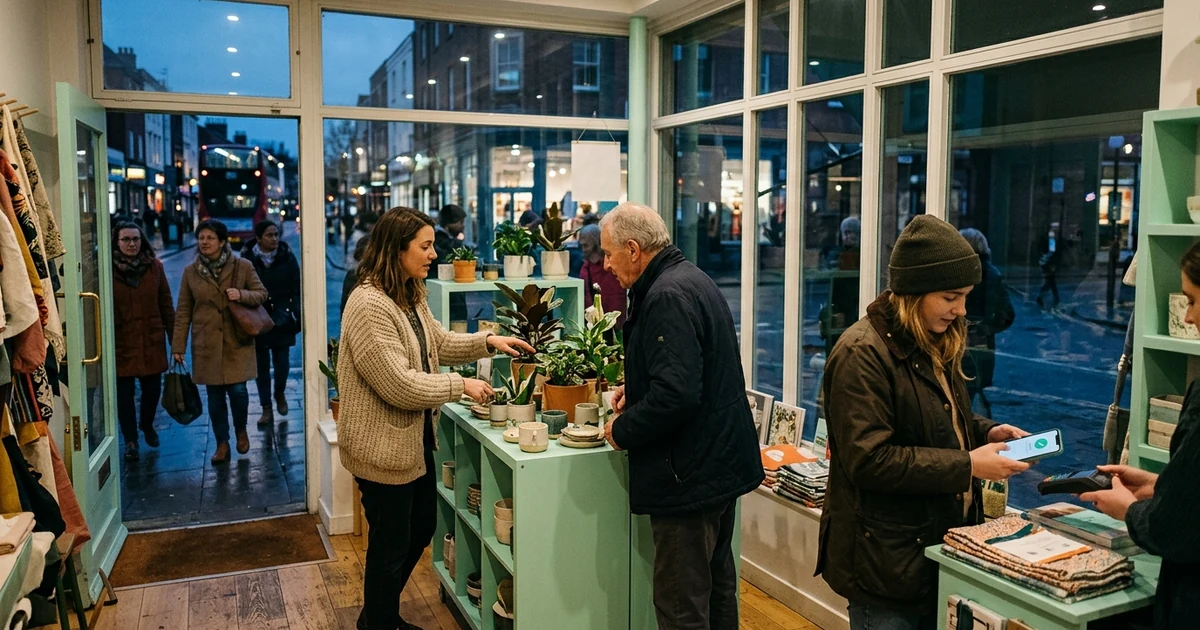
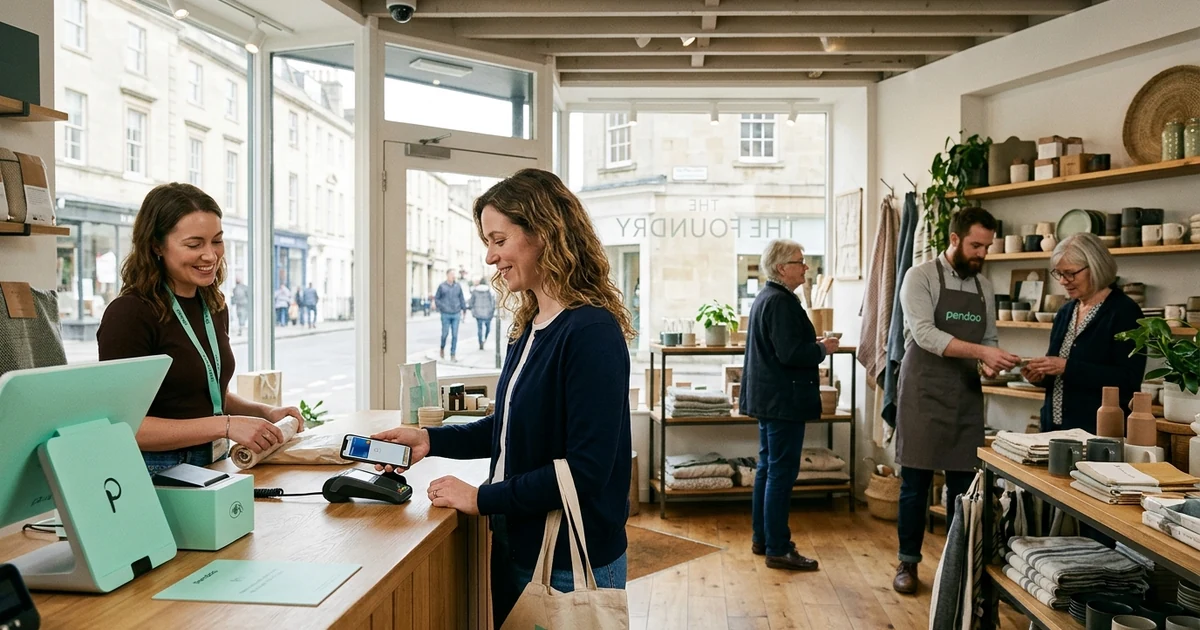
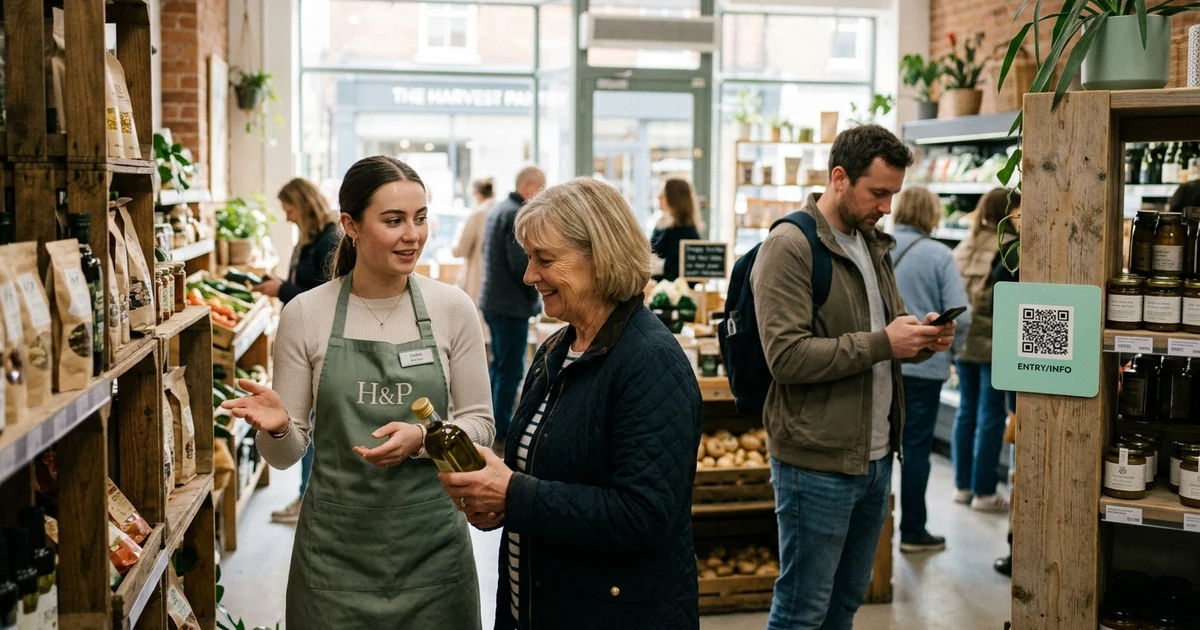
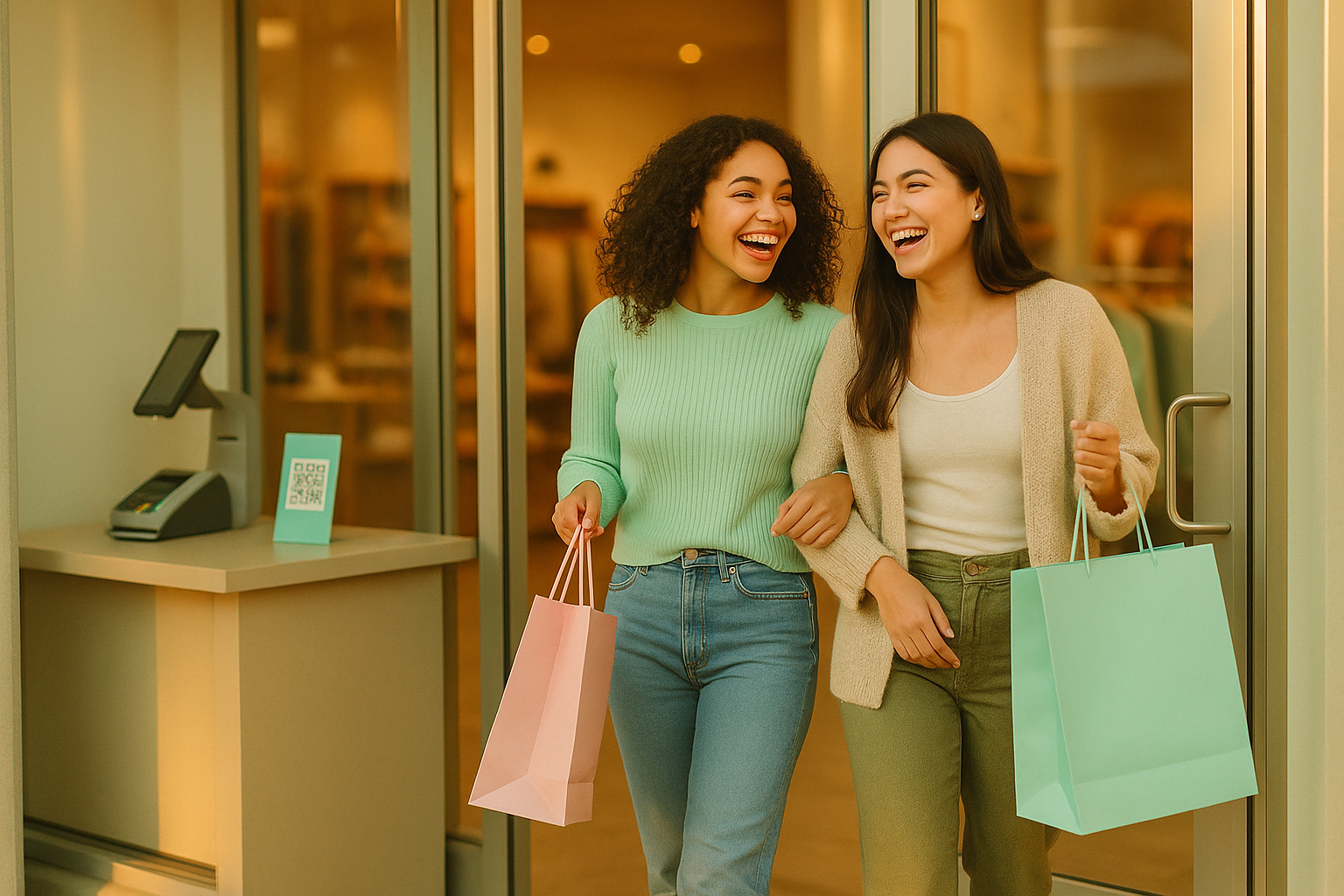
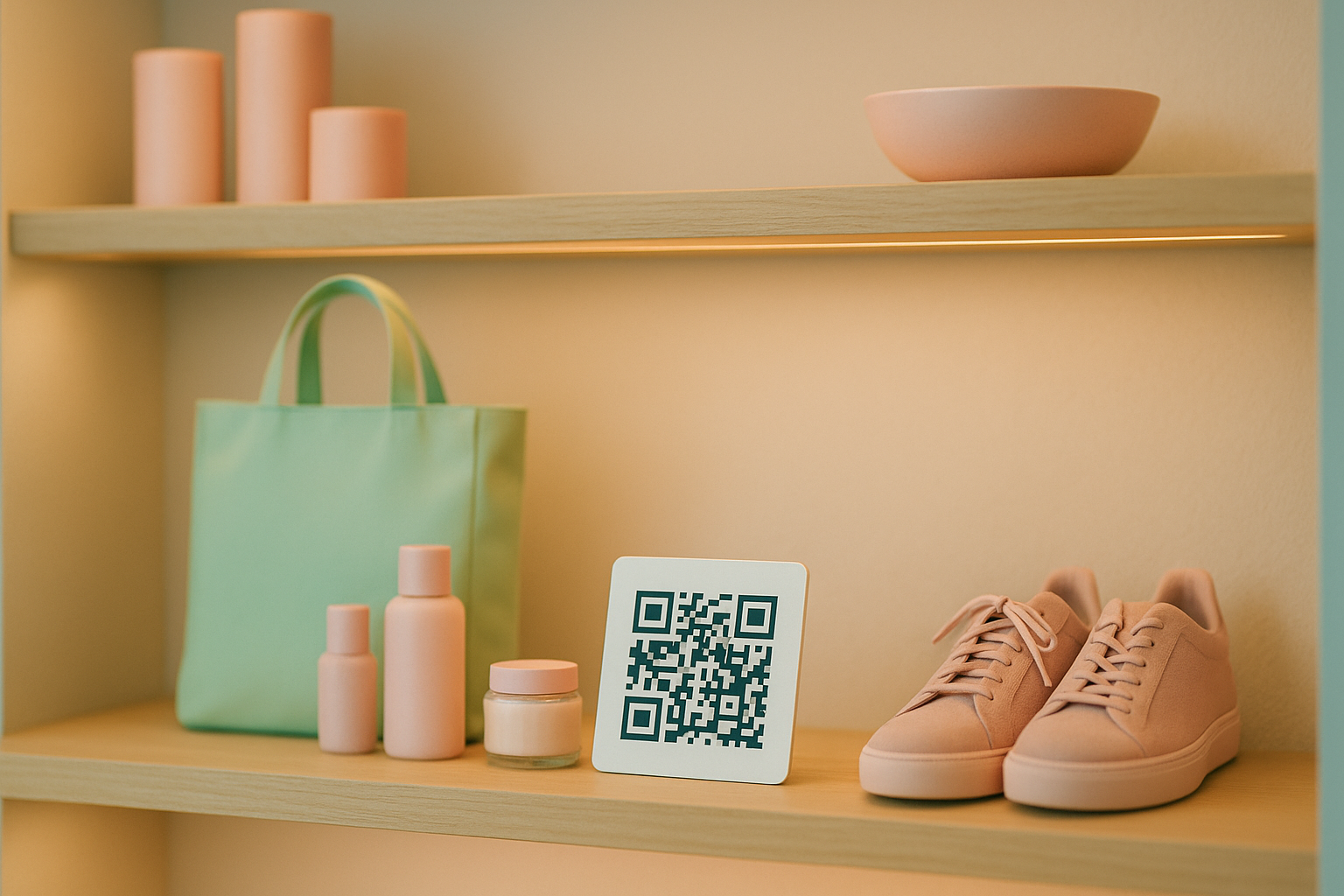
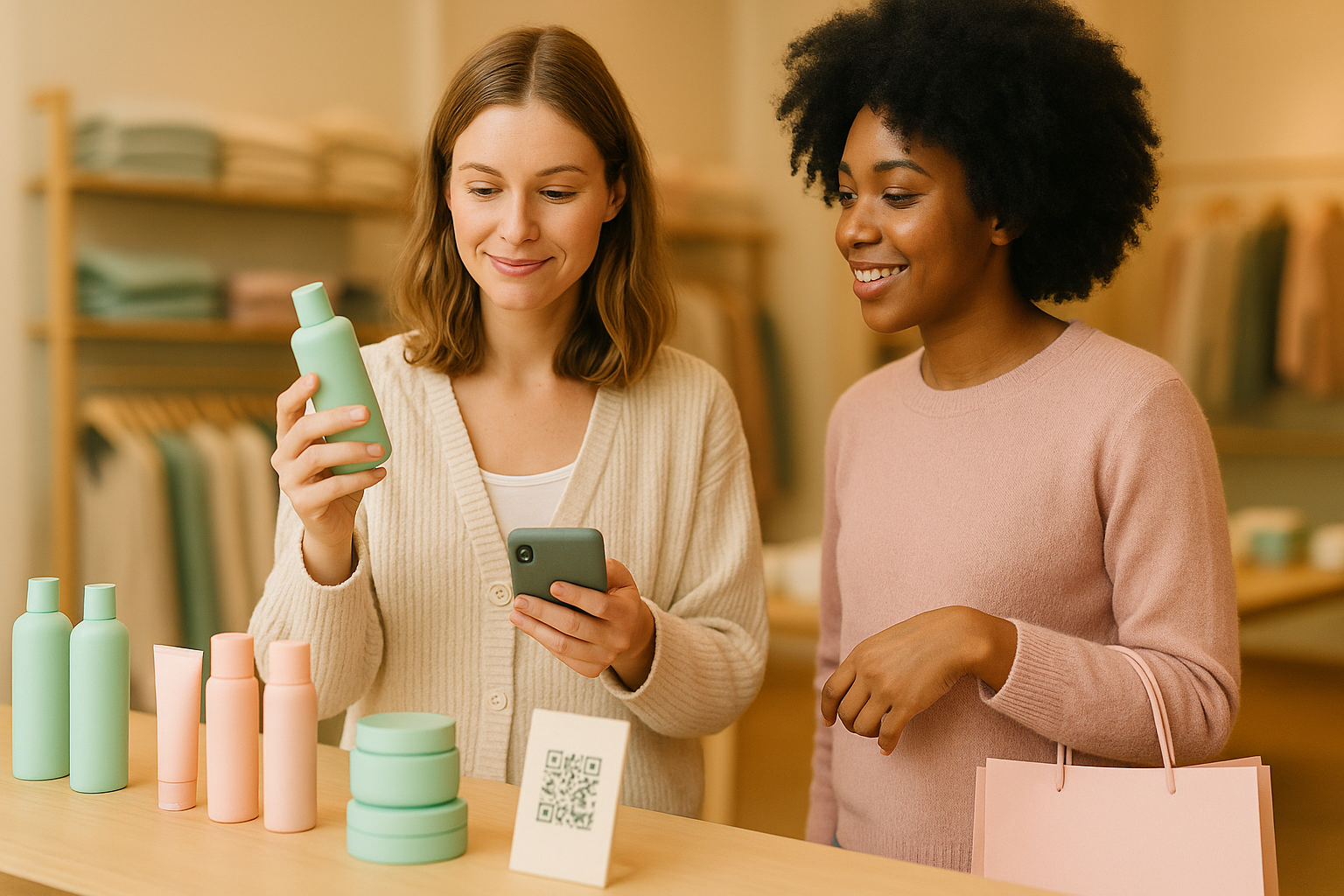
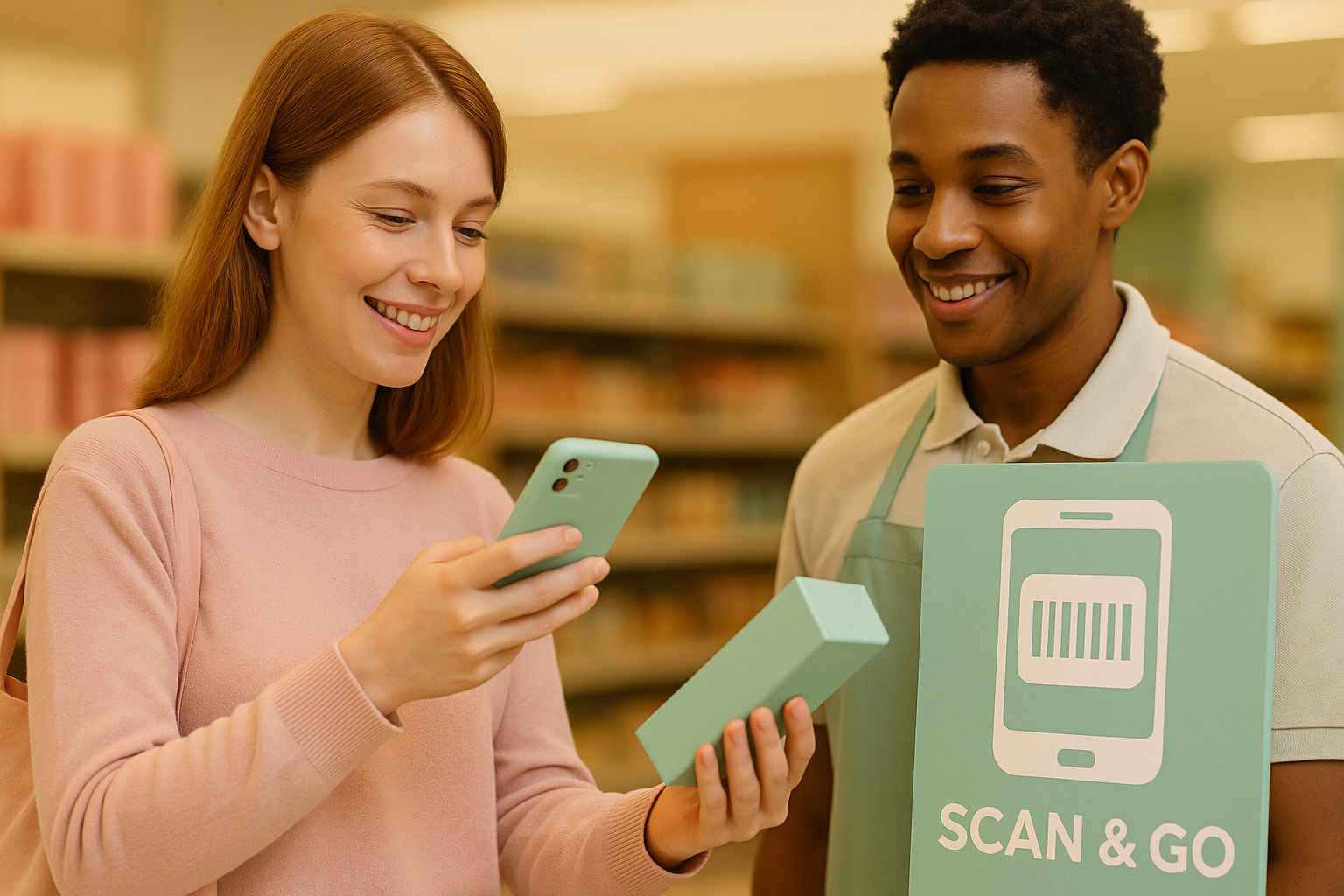
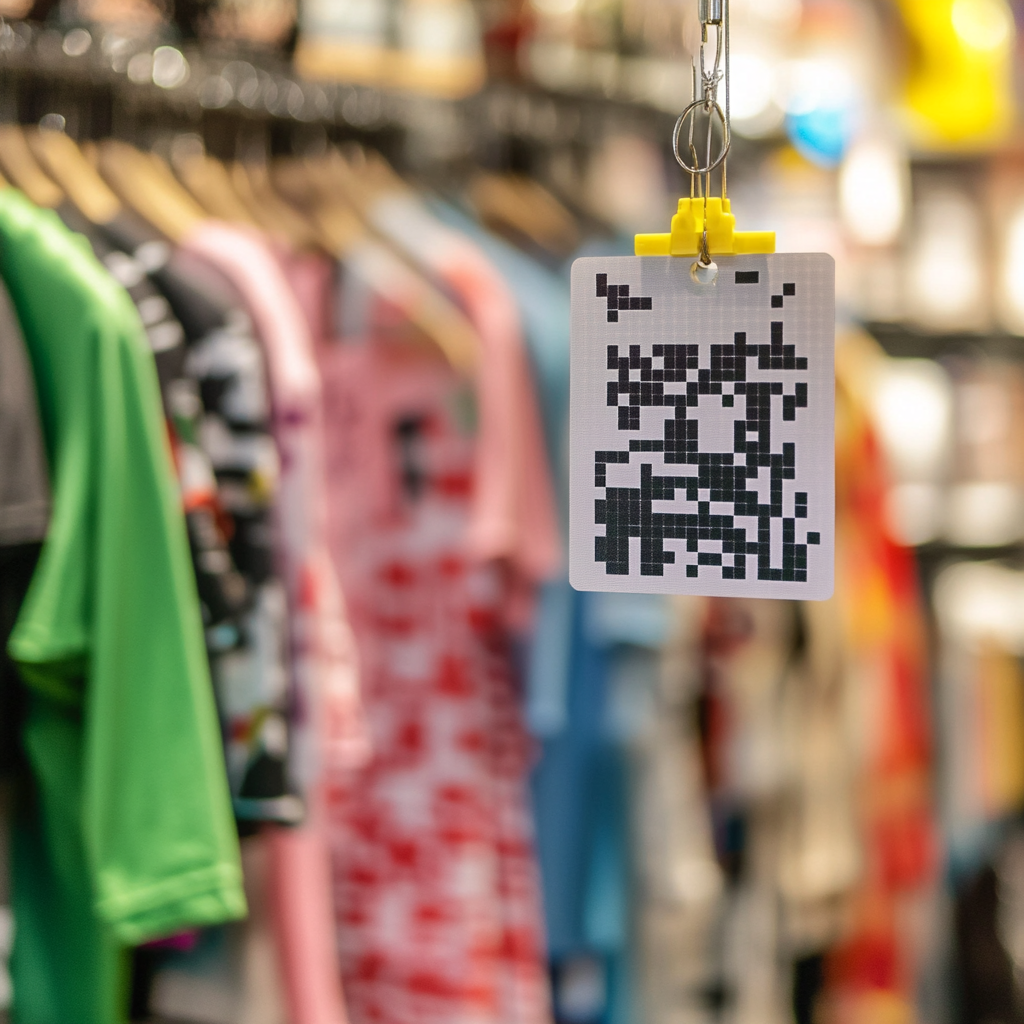
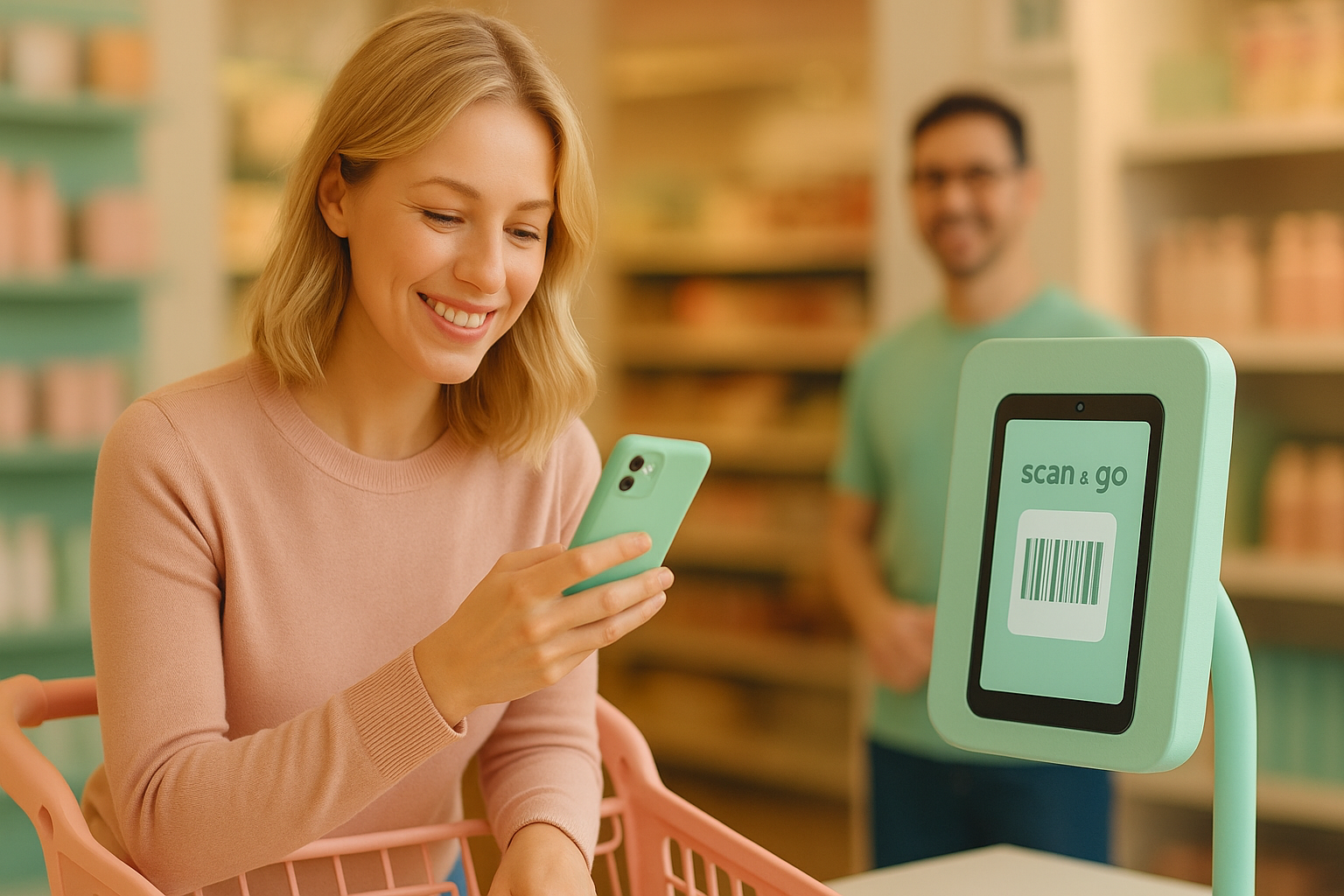
Here's how it works in practice: a customer enters your store and scans a simple QR code. No app download, no registration hassle—just scan and shop. Now, instead of relying on overhead signage to inform them about that product bundle, the information appears instantly when they scan the barcode. Pricing is transparent, promotions are applied automatically, and the entire purchase happens right there, without ever approaching a checkout counter.
Take Pendoo, for instance—a scan-and-go solution that's rewriting the rules of retail communication. Customers scan barcodes of items they want, watch their cart build in real-time on their phone, and complete payment through their browser. The entire process eliminates the traditional pain points that signage tries (and often fails) to address. For retailers, implementation takes less than five minutes if you're on Shopify, and the system provides real-time transaction tracking that gives you insights no sign ever could.
What Happens When Friction Disappears
The impact of removing checkout friction extends far beyond faster transactions. When customers control their shopping pace without worrying about queues, something interesting happens: basket values increase. Without the psychological pressure of "I should hurry because others are waiting" or "I don't want to stand in line longer," shoppers browse more deliberately and add more items.
You also eliminate the awkward dance of customers trying to calculate whether that extra item is worth the additional wait time. Every product becomes equally accessible, equally convenient. Your store effectively expands because every corner is now just as "close to checkout" as every other corner.
Operationally, this frees your staff from register duty to do what actually drives sales: helping customers, restocking shelves, creating experiences. One retailer who implemented scan-and-go technology reported redirecting 40% of staff time from checkout operations to customer engagement, which led to both higher satisfaction scores and increased per-customer revenue.
Competing in the Convenience Economy
Your competitors aren't just other brick-and-mortar stores anymore. You're competing against one-click online ordering, same-day delivery, and subscription services that eliminate shopping friction entirely. The retailers who'll thrive aren't those with the best signs—they're the ones who remove reasons not to buy.
Scan-and-go isn't just a checkout solution; it's a competitive repositioning. It tells customers, "We respect your time as much as Amazon does, but we offer something they can't: immediate gratification combined with zero friction." That's a value proposition worth building your strategy around.
Your store signage will always play a role in creating ambiance and highlighting featured products. But in 2026, the stores winning market share are those that recognize communication happens through interaction, not observation. The question isn't whether your signs are good enough—it's whether your entire shopping experience speaks the language modern customers understand.
Like what you read?
Sign up and start running your store on your terms — free plan available.