When Your Best Merchandising Becomes Your Biggest Missed Opportunity
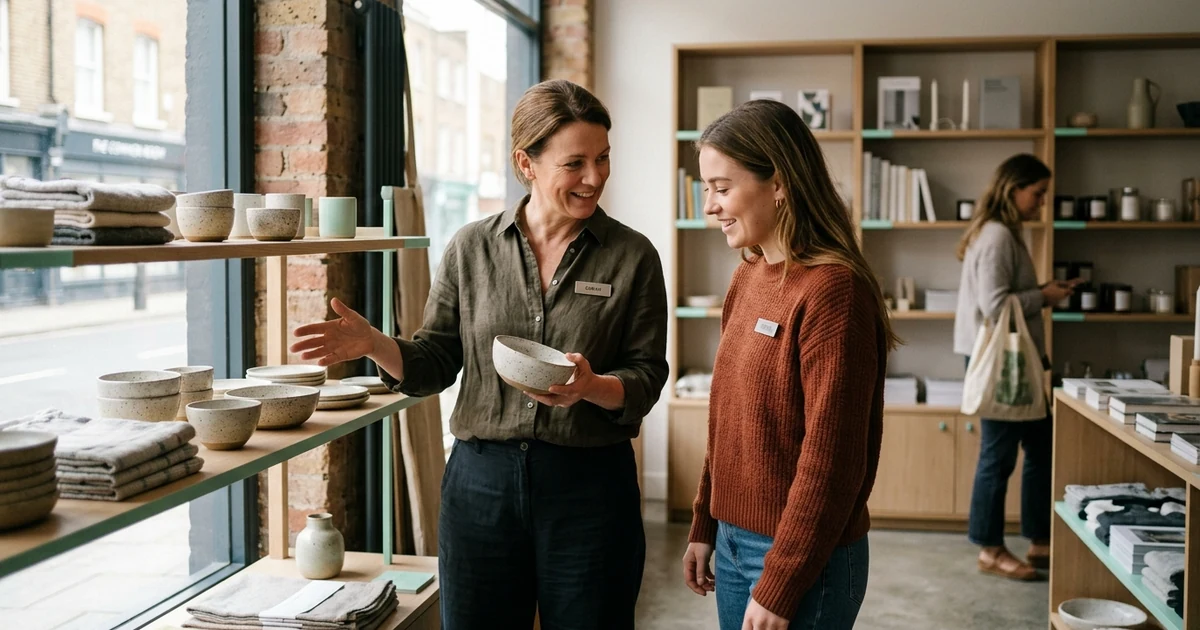
You've just invested in a stunning seasonal display. Premium placement. Eye-level shelving. Lighting that makes the product glow. A shopper stops, picks up the item, reads the label, clearly interested. Then they put it back down and keep walking.
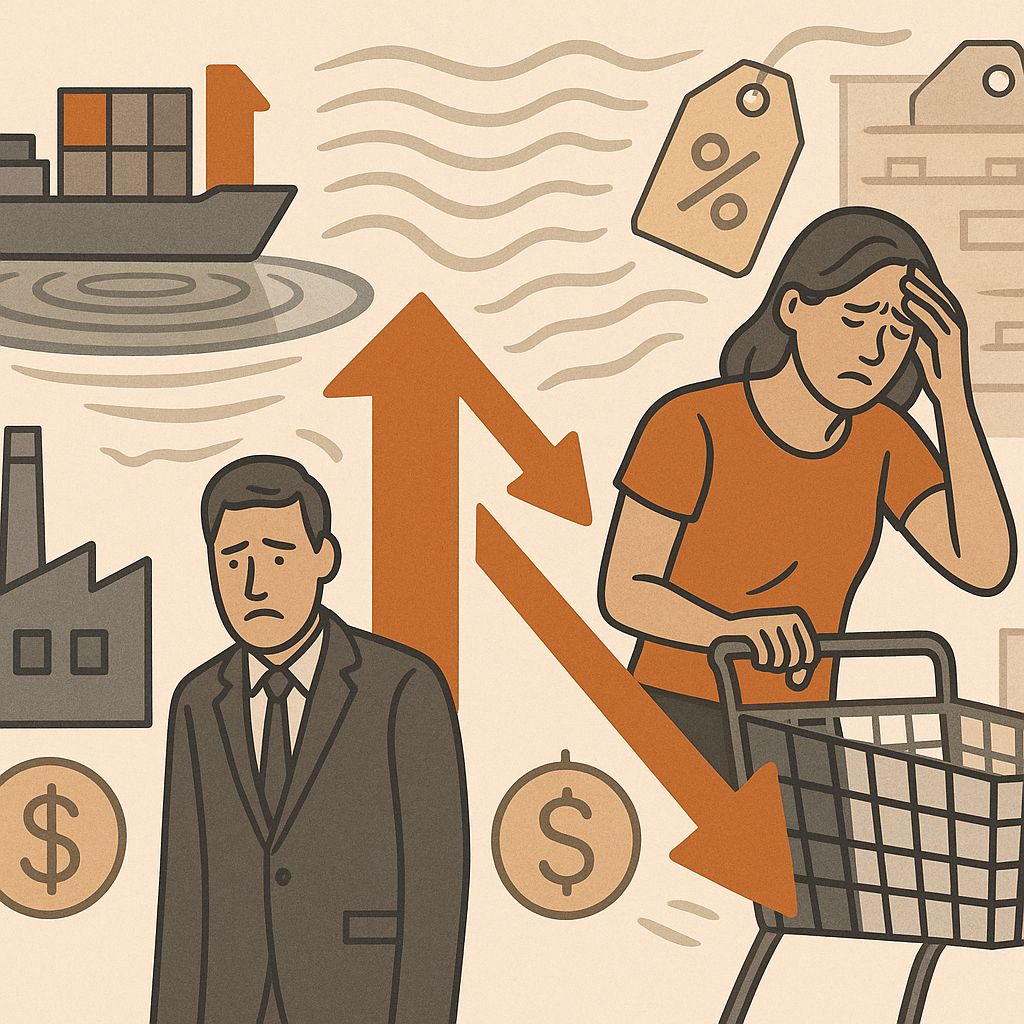
Not because they don't want it. Because the gap between wanting something and actually buying it is wider than you think. And in physical retail, that gap is measured in footsteps, friction, and forgetting.
Why Attention Without Action Is Costing You Sales
Retail display strategy has evolved enormously over the past decade. Stores invest thousands in visual merchandising, endcap rotations, seasonal installations, and branded feature walls. The goal is always the same: capture attention at the point of inspiration. And it works. 65% of purchasing decisions are made in-store, often in that exact moment when a shopper encounters a product they didn't come in looking for.
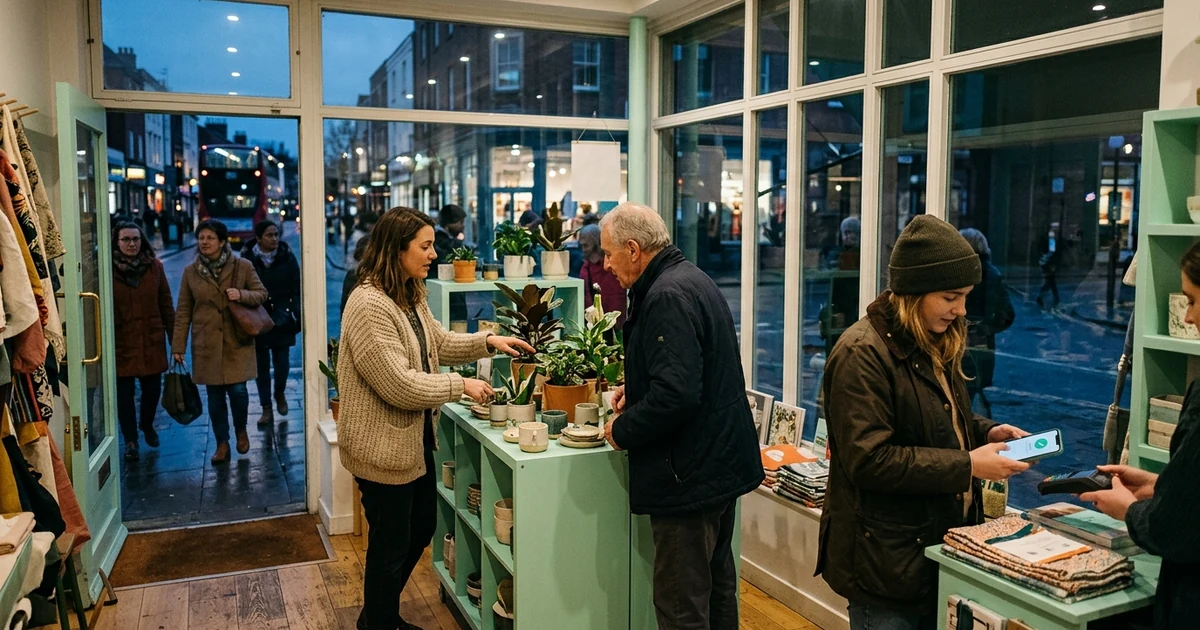
But here's the structural problem: most retail environments are designed to create desire in one location and complete the transaction in another. The display does its job brilliantly. The checkout is fifty feet away. Between those two points, the shopper has time to reconsider, get distracted, see the queue, or simply talk themselves out of it.
Your display captured the moment. Your store layout lost it.
The research backs this up. Customers who wait more than 5 minutes at checkout are 67% less likely to make unplanned purchases. That's not just queue abandonment — it's the decay of intent. The impulse that made someone pick up a product at your feature display has a half-life. By the time they reach the till, the emotional urgency is gone.
Turning Every Display Into Its Own Point of Sale
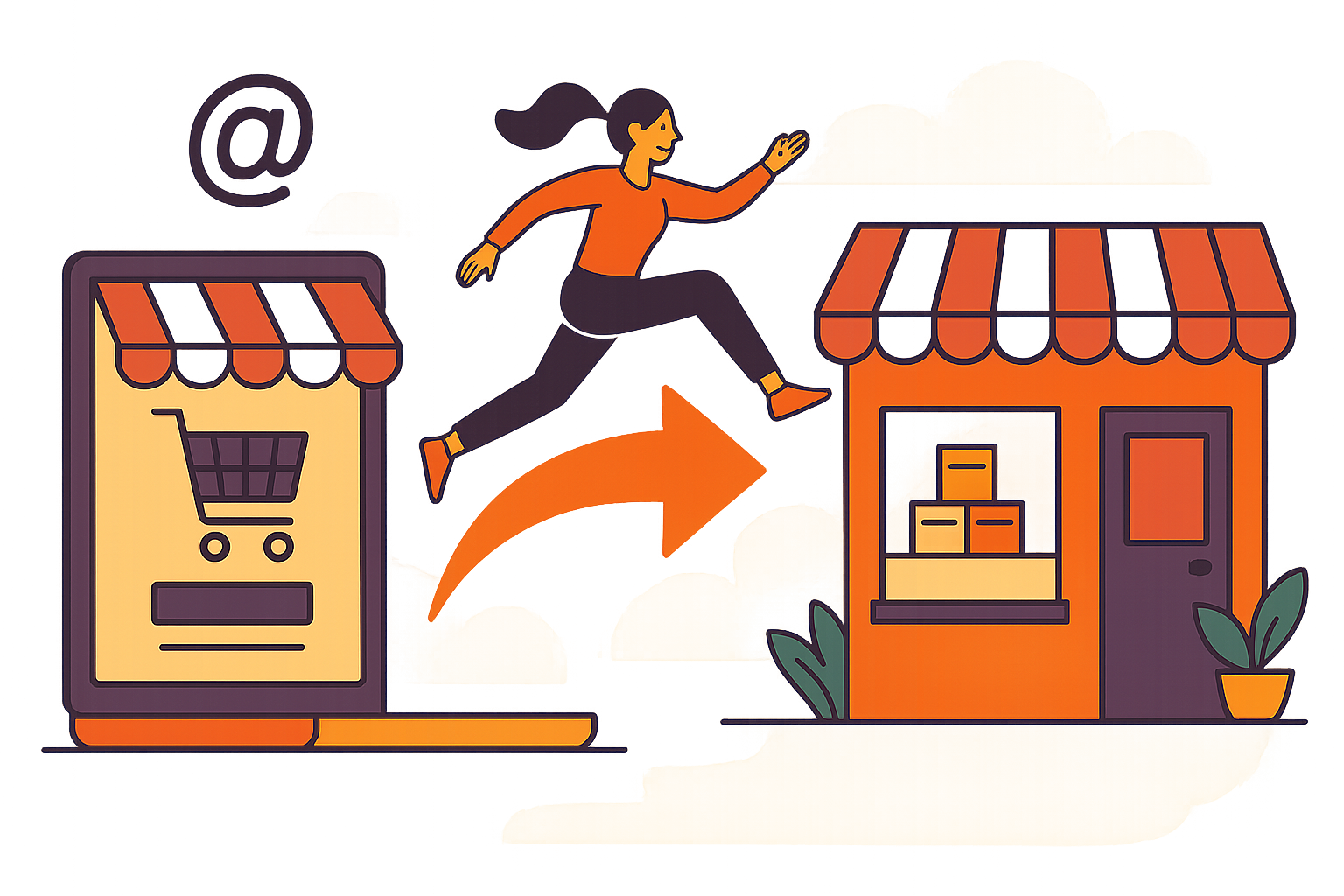
The solution isn't faster checkouts. It's removing the separation between discovery and purchase entirely. What if the moment a shopper decided they wanted something, they could buy it right there — without moving, without waiting, without breaking the experience?
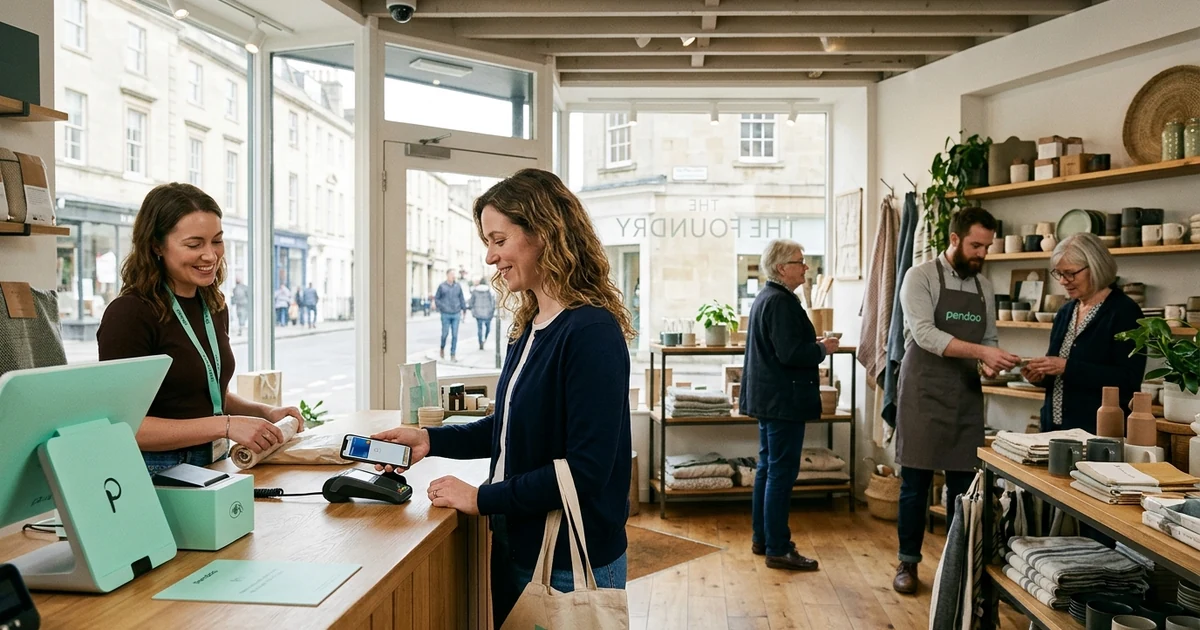
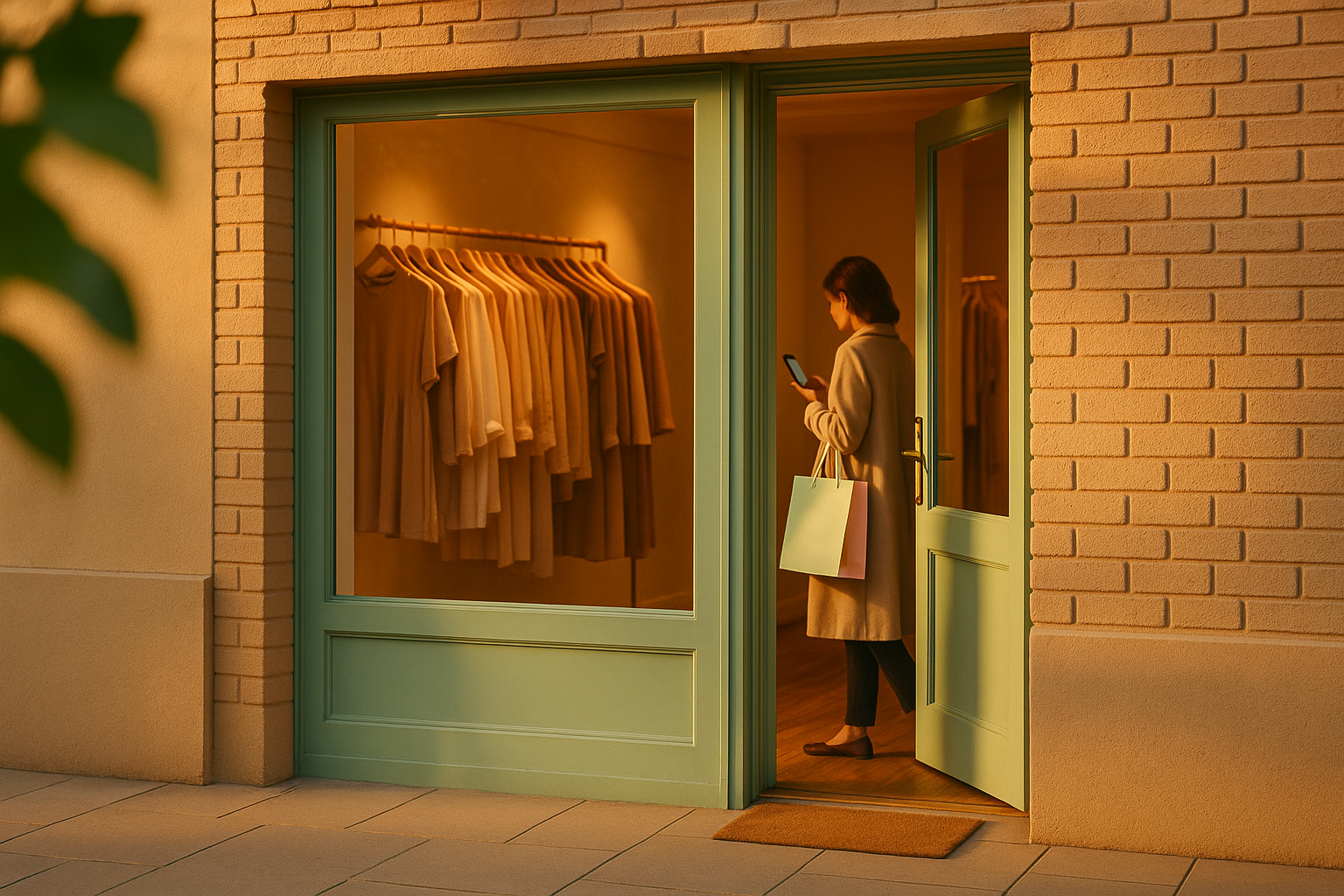
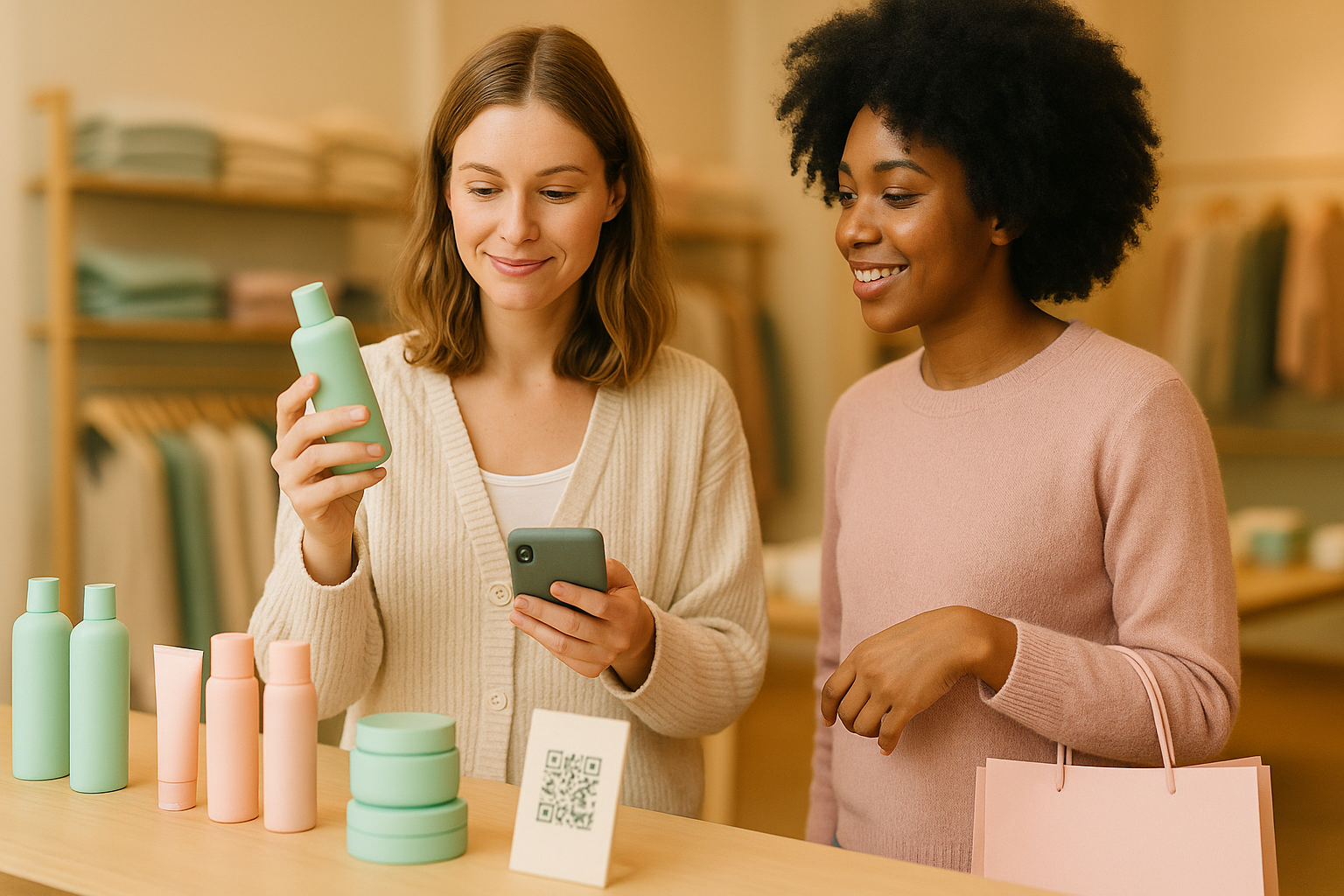
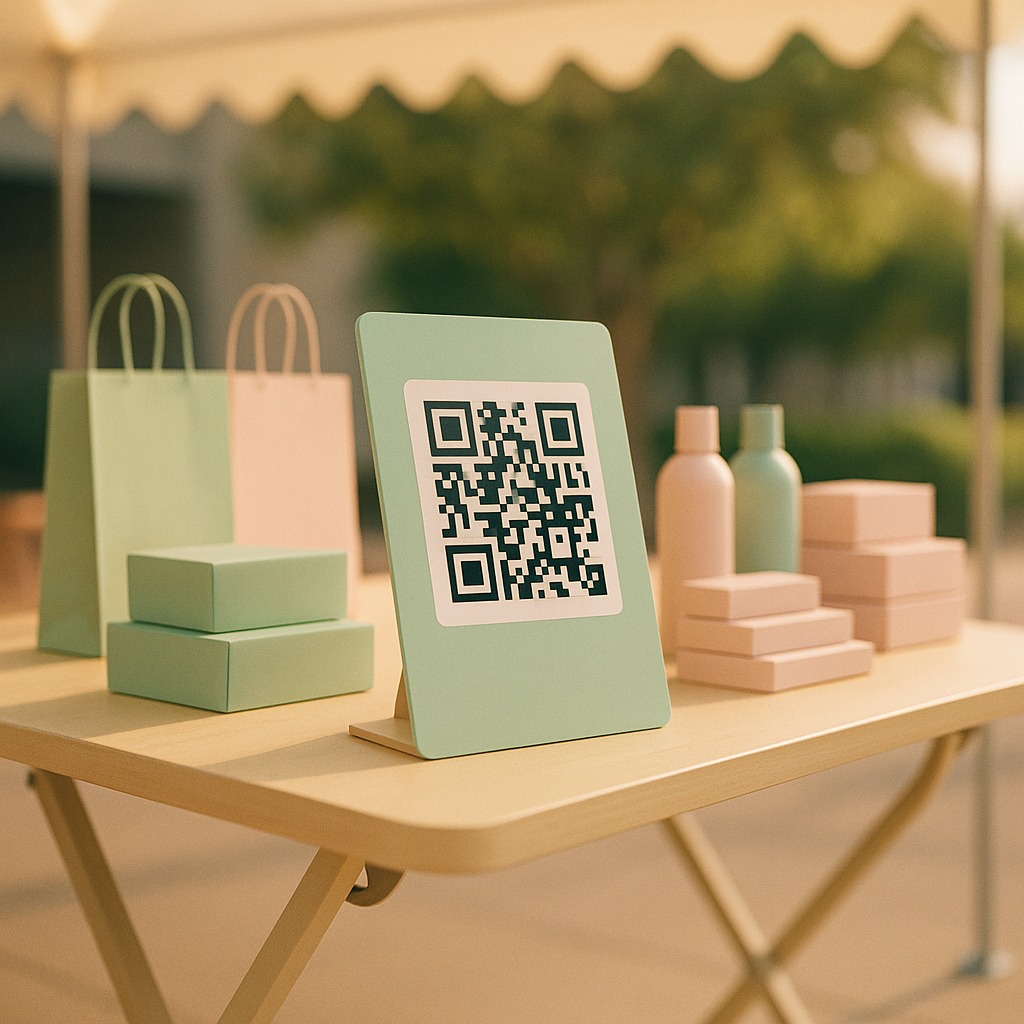
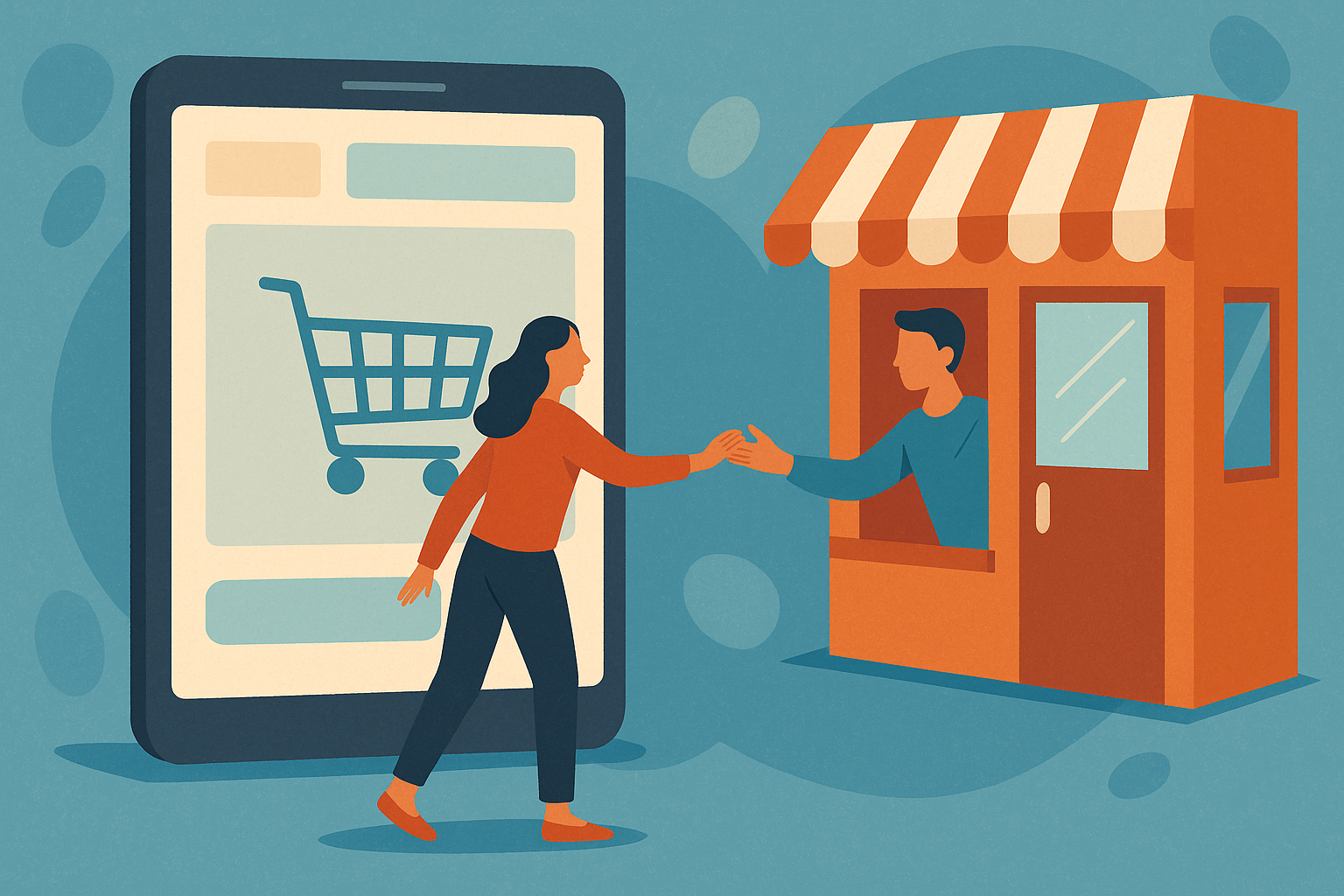
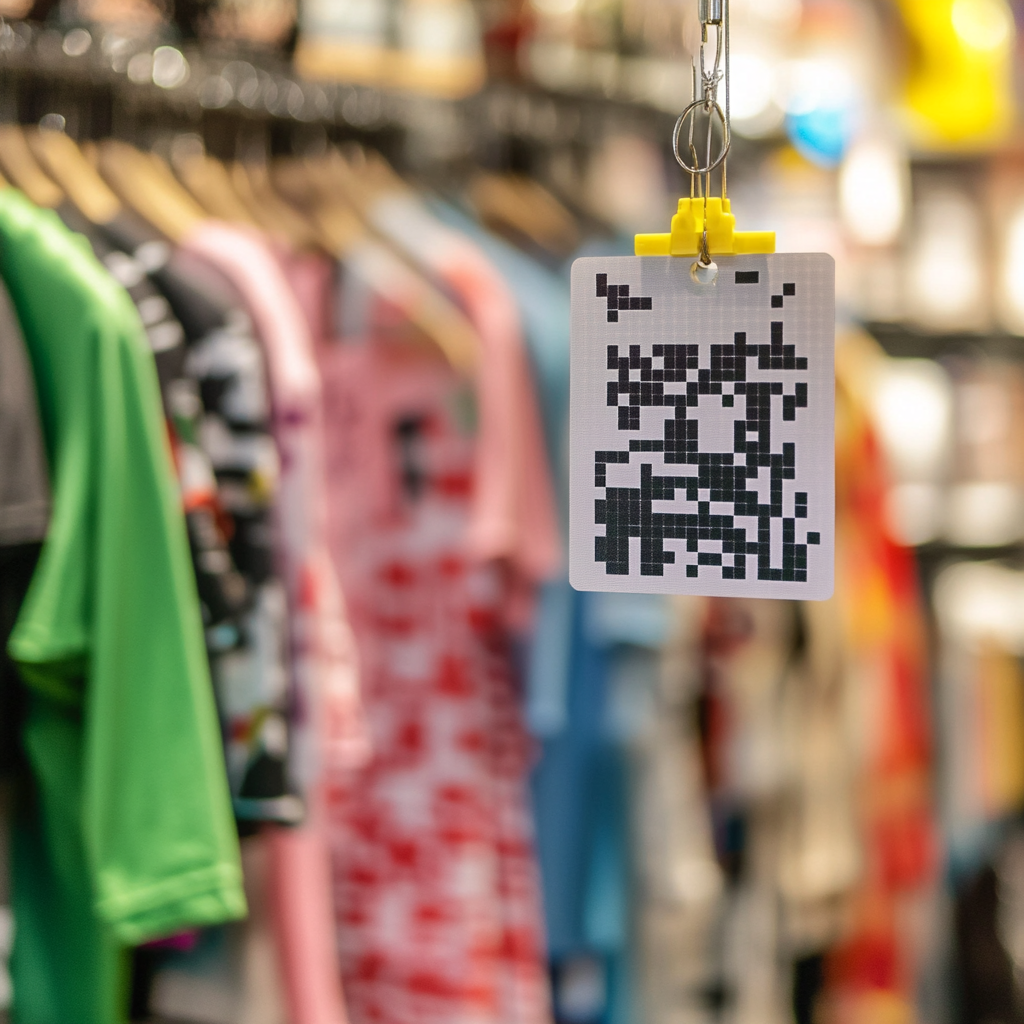
That's exactly what Pendoo does. It's a browser-based scan-and-go self-checkout platform built for Shopify retailers with physical stores. A shopper scans a QR code placed anywhere in your store — the Pendoo checkout opens instantly in their phone's browser, no app download, no account creation required — and they start scanning products as they browse. The entire purchase happens on their phone, in real time, wherever they're standing.
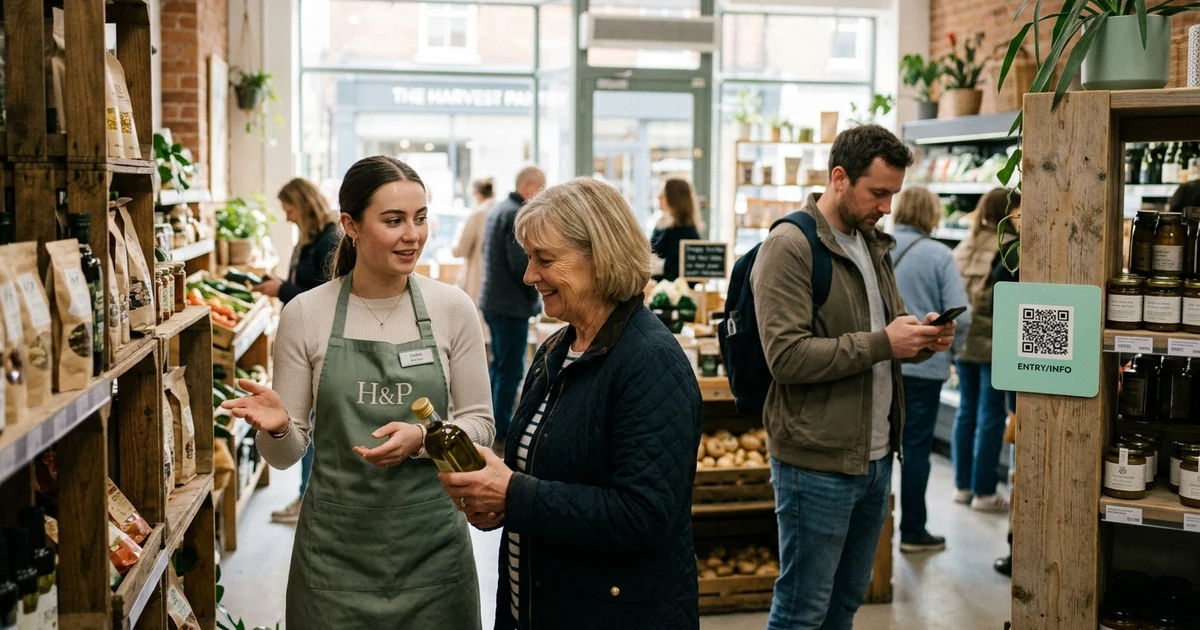
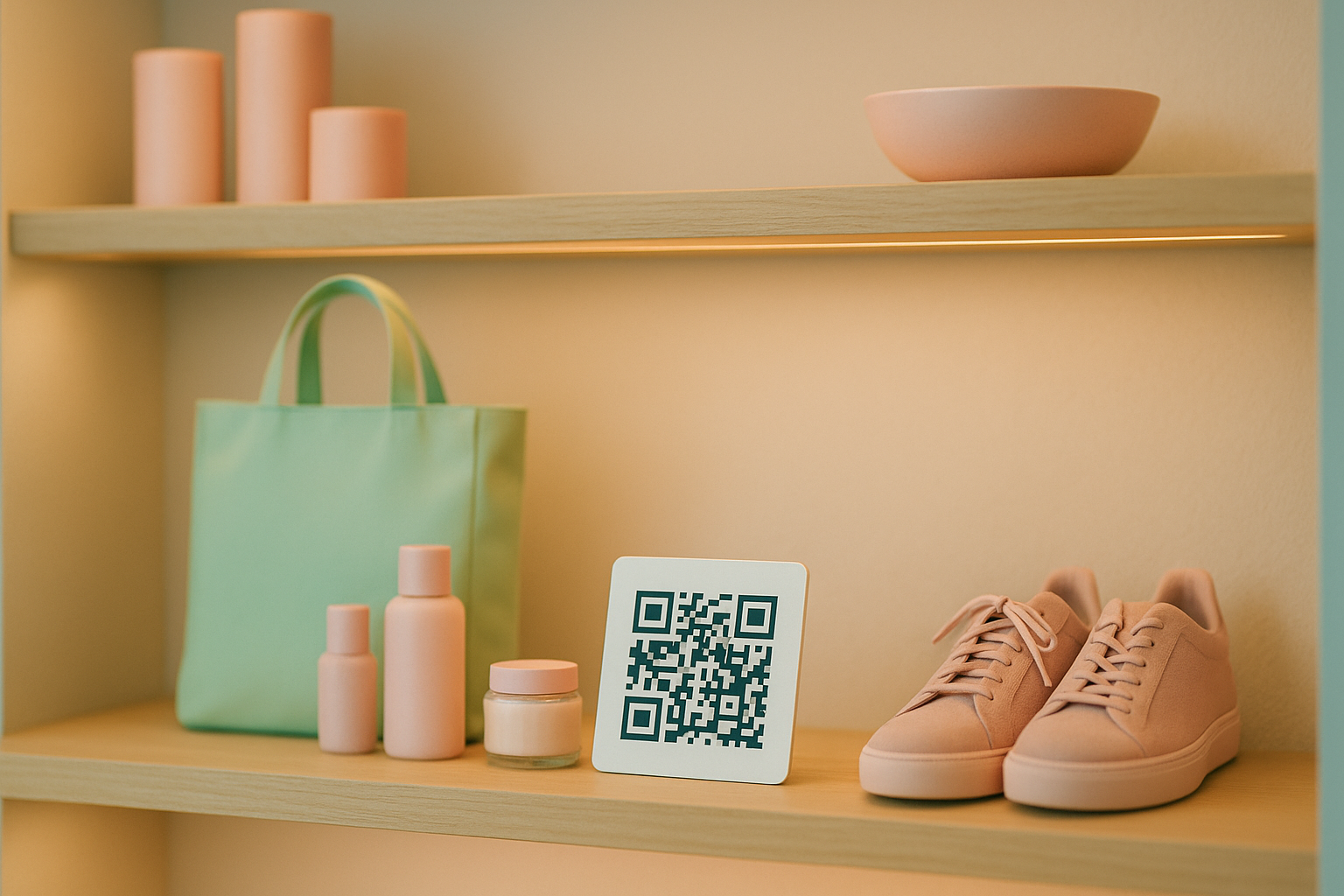
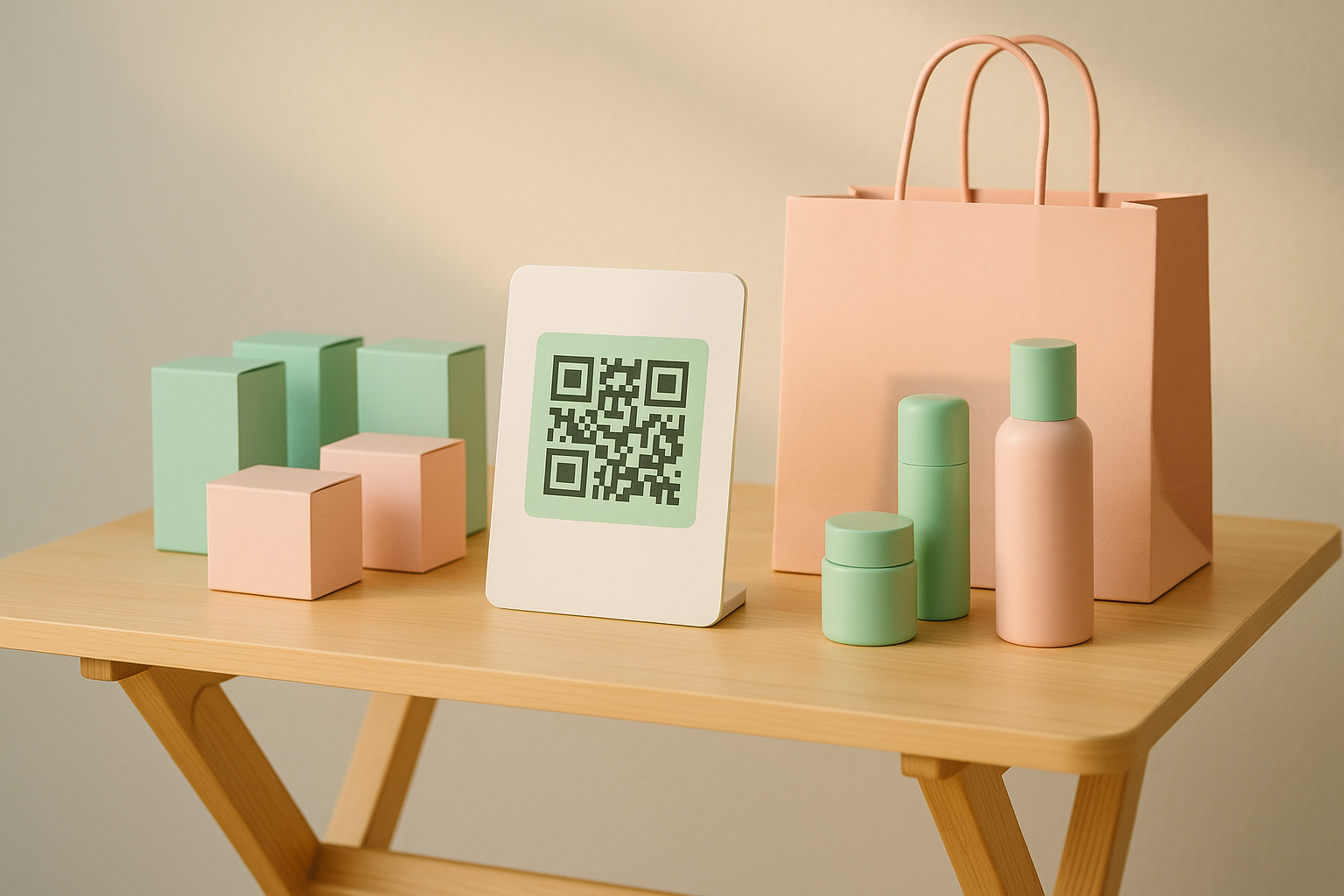
Here's what that means for your merchandising strategy: every display, every feature wall, every seasonal installation, every brand corner becomes fully shoppable in place. You place a Pendoo QR code next to your premium display. A shopper sees a product they love, scans the barcode, adds it to their cart, and checks out without leaving the display. The moment of desire and the moment of purchase are now the same moment.
This isn't just convenient — it's financially material. Strategic product placement near checkout zones can boost impulse purchases by up to 60%, but only when checkout itself is frictionless. Pendoo removes the checkout zone entirely. Every shelf, every display, every point of inspiration is now a checkout zone.
The Compounding Benefits You Don't See Immediately
The immediate win is obvious: you stop losing impulse sales to distance and delay. But there are secondary effects that become visible over time. Scan-and-go customers typically record 10–25% higher basket sizes compared to traditional checkout. Part of that is because they're shopping with less friction, part is because they're not constrained by what they can physically carry to a till. They can add items continuously as they browse, knowing checkout is always one tap away.
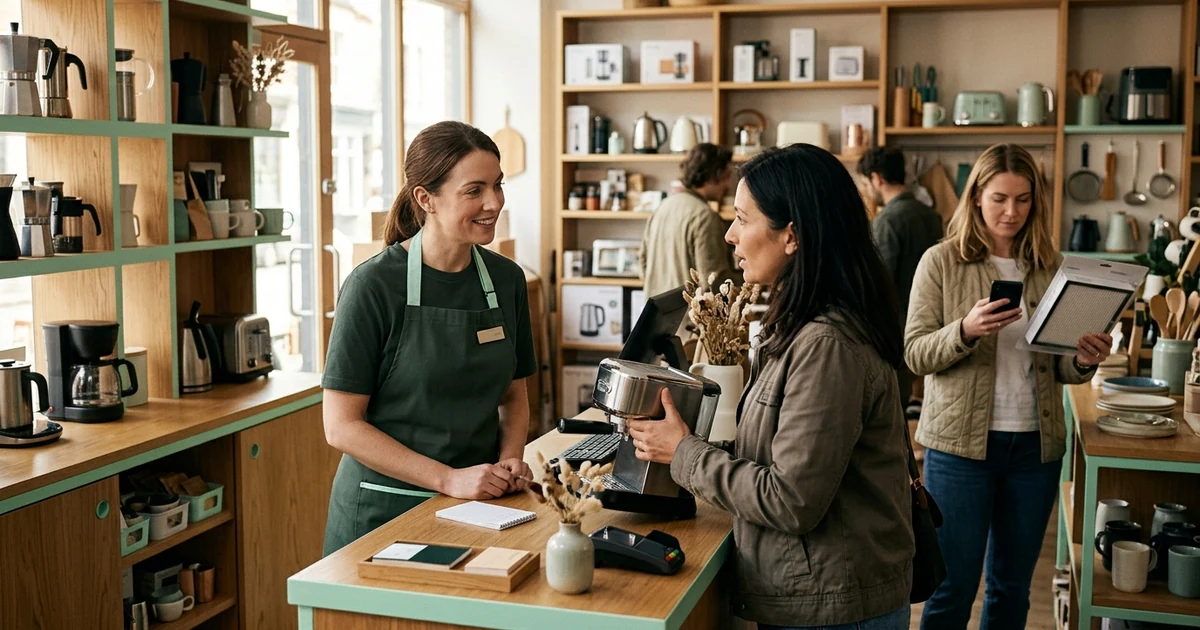
Your staff allocation changes too. Instead of being stationed at a fixed POS, they're free to work the floor — style outfits, answer product questions, restock high-performing displays, and build relationships. Staff-assisted selling consistently produces higher basket values than unassisted transactions. Pendoo doesn't replace your team, it frees them to do the high-value work that actually drives revenue.
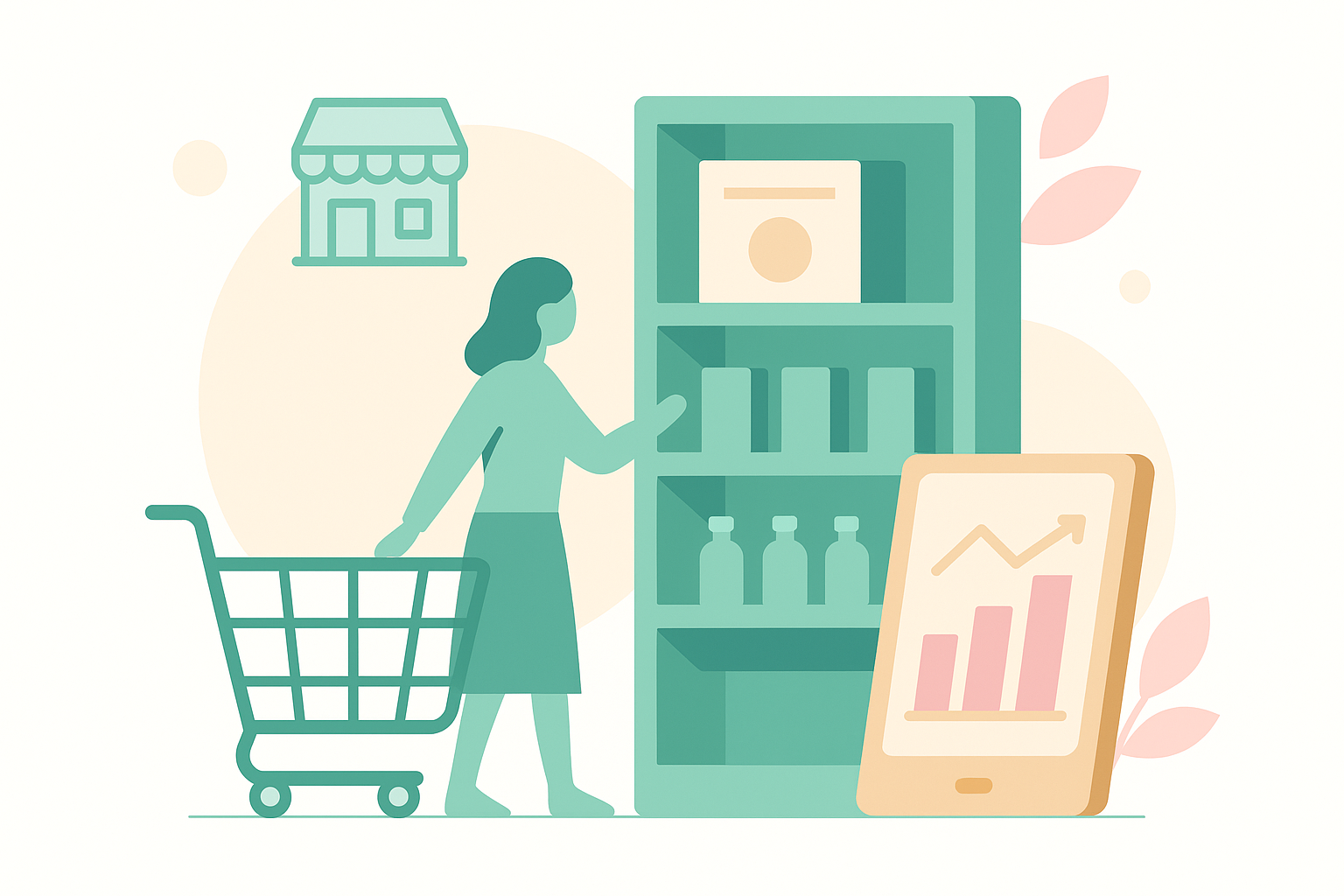
And here's the intelligence layer most retailers miss: Pendoo tells you what was scanned but not purchased. A shopper standing at your premium display scans a product, adds it to cart, then removes it before checkout. That's a signal. It could mean price resistance. It could mean they found a competing product nearby. It could mean unclear packaging or missing information. Whatever it is, you now have data that tells you not just what sold, but what almost sold — and why it didn't. That's merchandising intelligence that's historically been available only to large retailers with expensive analytics infrastructure.
Making Your Differentiation Shoppable
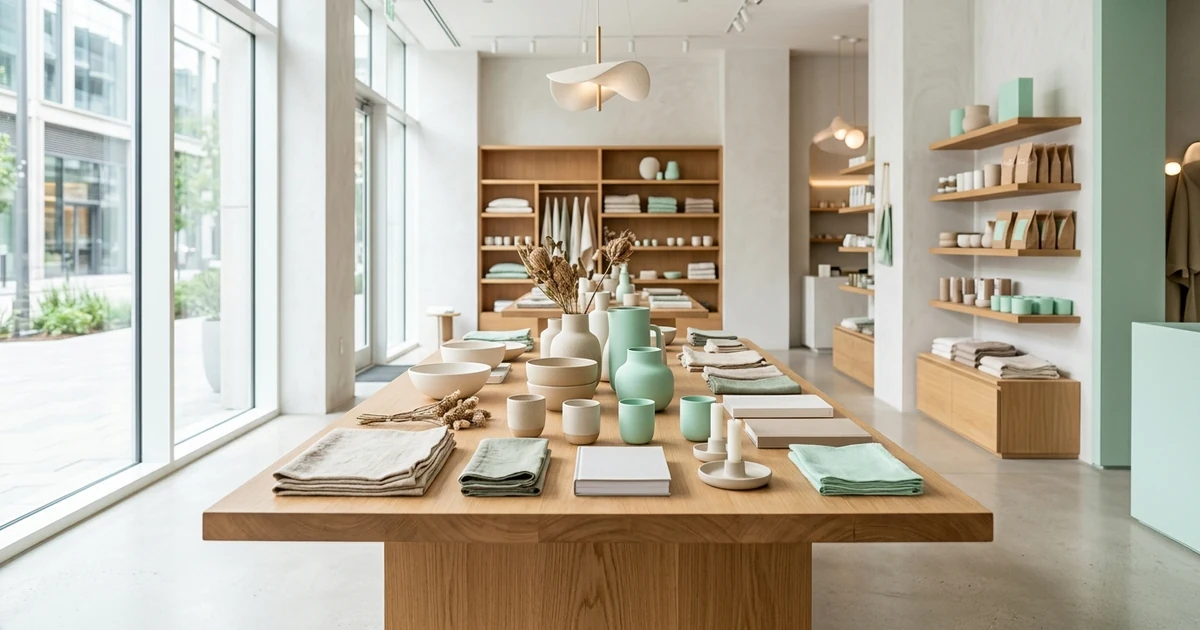
Retail display strategy is ultimately about differentiation. You're creating an environment that reflects your brand, tells a story, and makes products emotionally compelling. But if that differentiation ends at engagement and doesn't extend to the transaction itself, you're doing half the job.
Pendoo makes your merchandising investment fully convertible. The display that stops someone in their tracks can now close the sale in the same moment. The seasonal installation that creates excitement can now turn that excitement into revenue without asking the shopper to walk across the store and join a queue. Your unique selling proposition doesn't just live in your visual merchandising anymore — it lives in the entire purchase experience.
If you're investing in displays that create desire but not sales, the problem isn't your merchandising. It's the gap between discovery and checkout. You can explore how Pendoo closes that gap at https://pendoo.io.
Like what you read?
Sign up and start running your store on your terms — free plan available.