A promotion should earn its place in your store, not just move stock. When you lower the selling price, the work of selling does not automatically shrink with it. Someone still receives the delivery, replenishes the shelf, answers questions and takes payment. That makes retail discounting an operating decision, not simply a marketing one.
The question is not whether discounts are bad. It is whether your store can serve the demand they create without giving away the margin that makes growth possible.
Lower inflation is not cheaper retailing
The latest evidence makes that distinction worth revisiting. In its September Shop Price Index release, published on 29 September 2026, the British Retail Consortium reported annual shop price inflation of 1.4%, down from 1.5% in August. It also highlighted strong discounting on back-to-school essentials, including books, stationery, footwear and electricals.
Those figures describe prices shoppers pay. They do not establish that retailers have become cheaper to run, or that individual promotions are profitable. Slower price growth is not the same as a healthier trading model.
The Office for National Statistics' August retail sales bulletin, released on 18 September, estimated that sales volumes rose 0.5% during the month. That measures goods sold, not the profit retained after serving those purchases. More activity and better economics are different questions.
Measure the work behind the offer
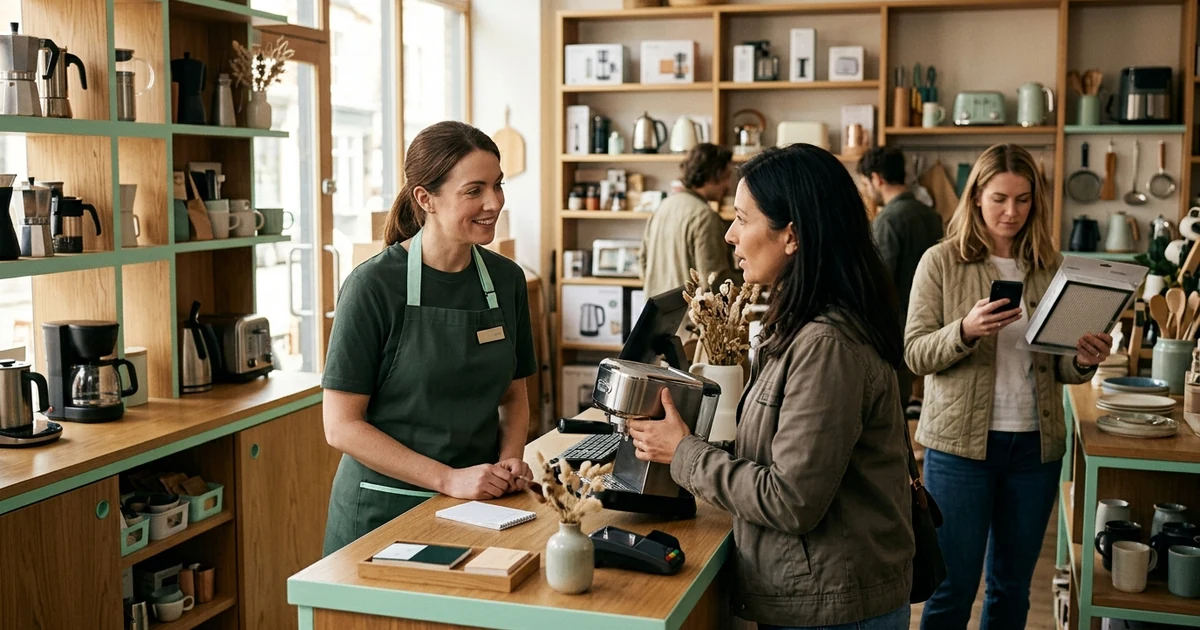
A useful promotion review starts beyond revenue. Ask what changed on the shop floor when the offer went live. Did customers need more explanation? Did replenishment interrupt advice? Did the team spend longer processing purchases that contributed less margin?
These are diagnostic questions, not assumptions about every discounted basket. A clearance offer can release cash and space. A carefully chosen promotion can introduce shoppers to a category. But neither benefit removes the need to understand the work involved.
Before repeating an offer, put three measures beside its sales result:
- Gross profit after the discount, rather than revenue alone.
- Additional staff hours used to deliver the promotion.
- Service work postponed or displaced during the campaign.
That last measure deserves attention. If a promotion pulls your most knowledgeable colleague away from helping customers choose, the opportunity cost will not necessarily appear on the campaign dashboard. Record it anyway.
Protect service, simplify the transaction
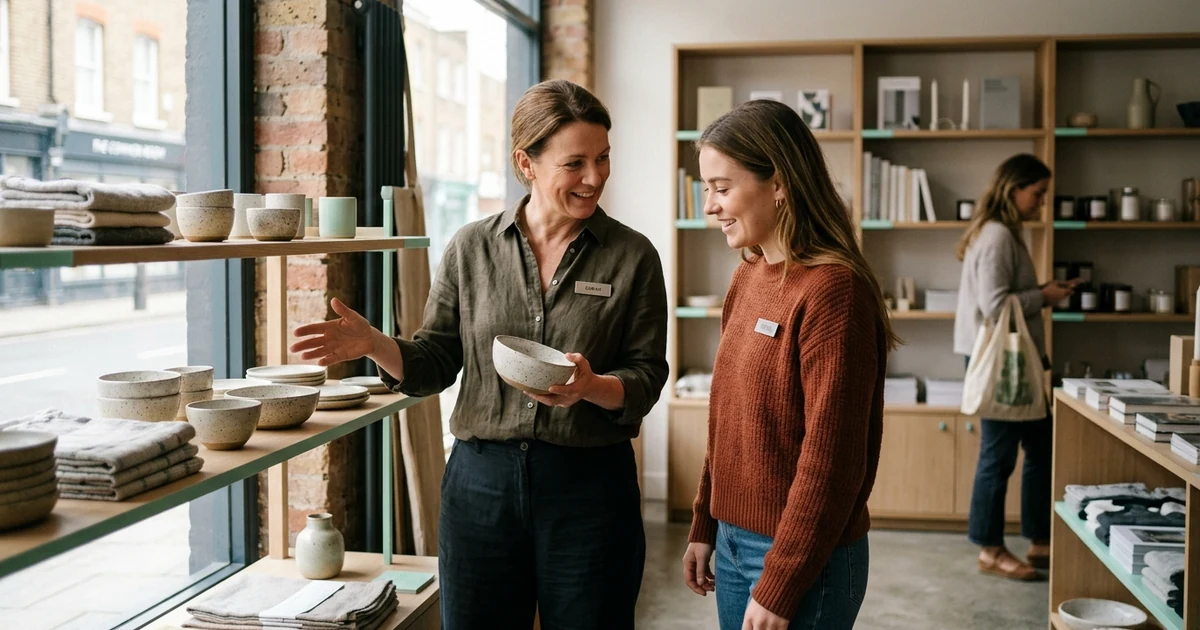
The answer is not to make stores less human. It is to distinguish work that helps customers decide from work required to complete a straightforward purchase. Advice, fitting and reassurance may be reasons to visit. Processing payment is a different task.
That distinction matters when considering longer trading hours or another location. If every additional selling opportunity requires another dedicated checkout shift, promotional pricing leaves less room to fund expansion. The constraint is worth testing before committing to more space.
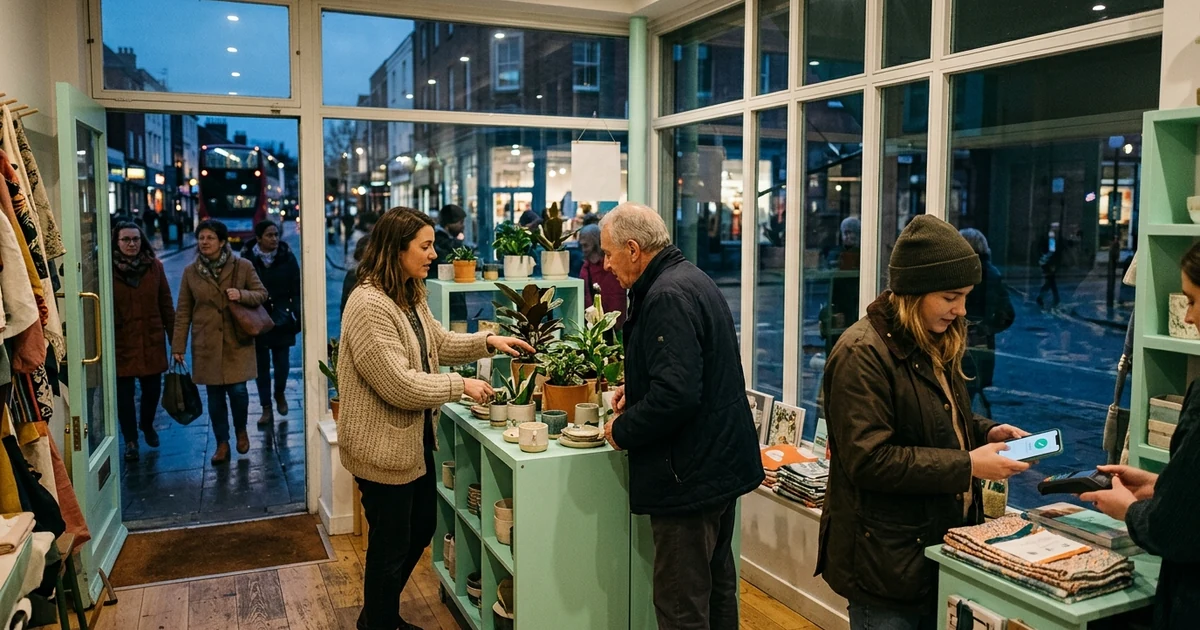
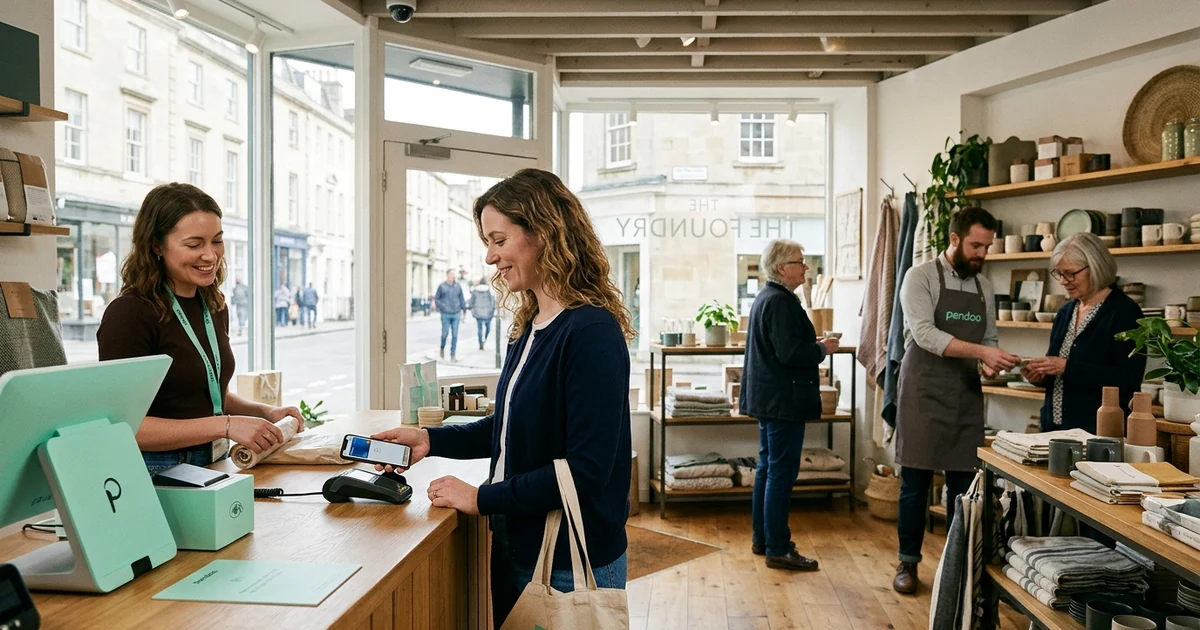
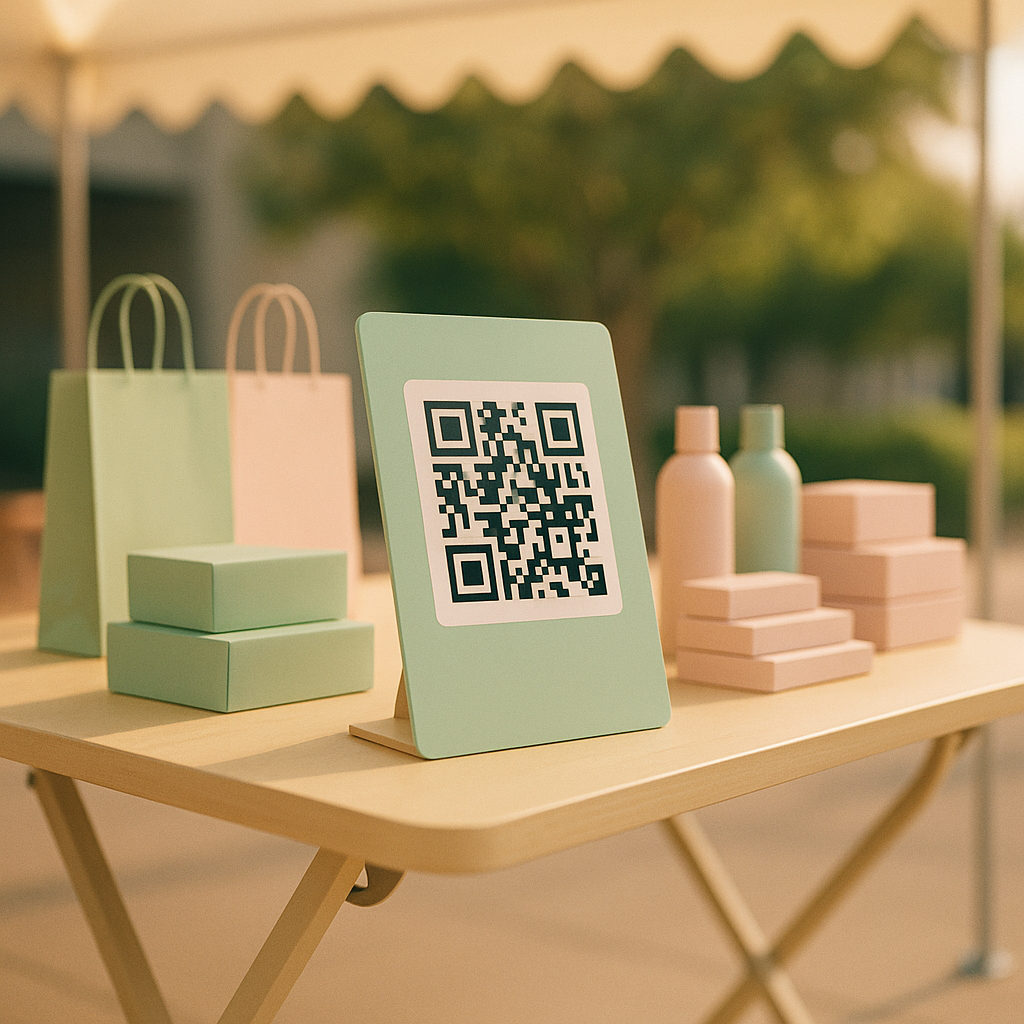
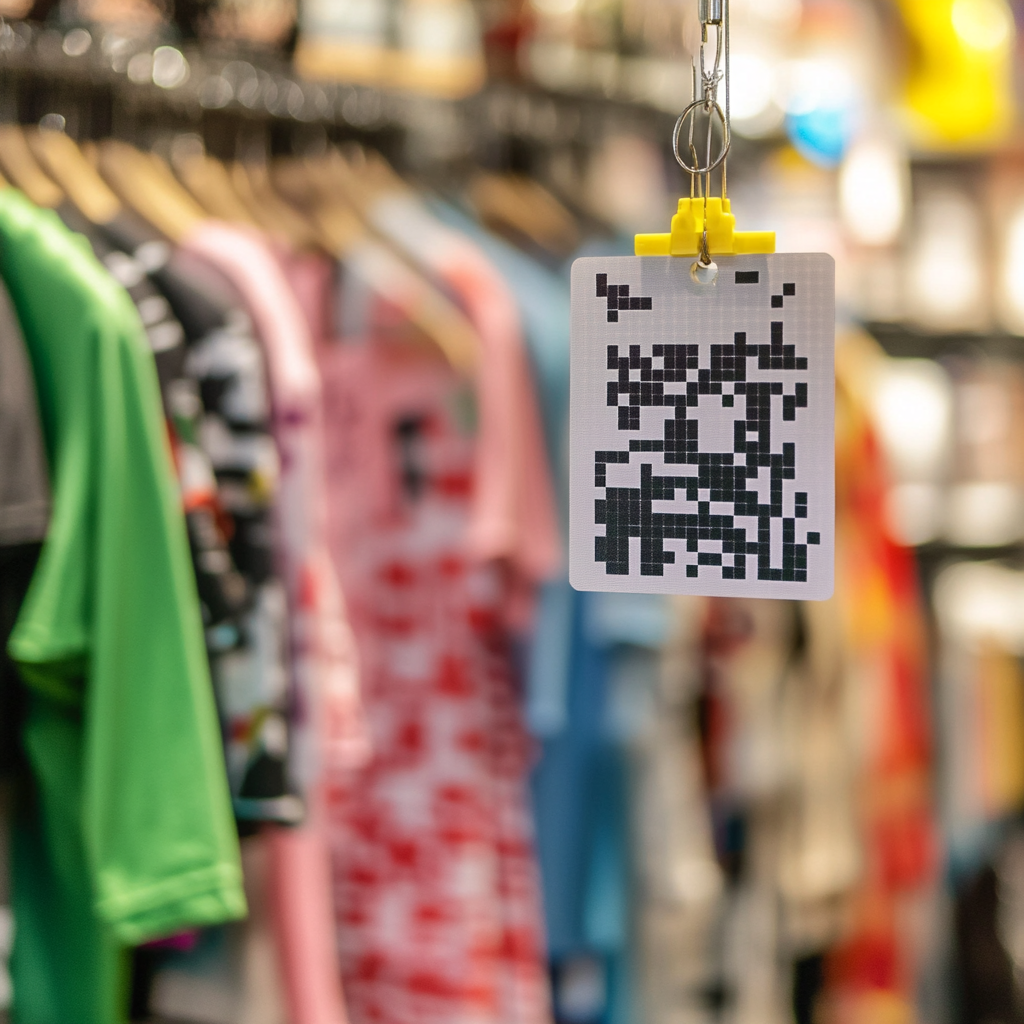
Pendoo offers one way to separate those jobs. Shoppers scan a store QR code, scan product barcodes, build a basket and pay on their phone, without downloading an app. Its Shopify integration is live, and a free plan is available.
Mobile checkout does not fix an unprofitable offer or guarantee lower store labour costs. It creates an option to test whether routine transactions can require less dedicated till time, while staff remain available for valuable human service.
Give the next promotion a second target
Set an operational target alongside the sales target. Decide which staff activity the promotion must preserve and which transaction work could be simplified. Then review both after trading.
A discount is a promise to the customer. Your operating model determines whether you can afford to keep making it.
Like what you read?
Sign up and start running your store on your terms — free plan available.