The Math That Makes Physical Retail Difficult
Your online store runs on a laptop. No rent. No hourly wages for someone to stand at a till. No heating bills in winter. When you open a physical location, you're immediately adding five-figure monthly overheads before a single customer walks through the door. The economics only work if your physical store does something your website can't: generate meaningfully higher transaction values and create shopping experiences worth the friction of leaving the house.
But here's the problem most retailers don't anticipate until they're six months into a lease: physical retail has inherited a set of structural inefficiencies that quietly kill the margin advantage you need. Your best products sit on beautiful displays that get attention but lose the sale. Your most knowledgeable staff member spends their shift scanning barcodes at a fixed checkout point. The impulse purchase that could have added £15 to a basket never happens because the customer doesn't want to rejoin the queue. You're paying premium rent for retail space, but only a tiny fraction of it—the checkout counter—can actually complete a transaction.
The result? Your physical store generates lower per-transaction revenue than it needs to, while carrying costs your online channel doesn't have. Unless you fix this, the unit economics never make sense.
Where the Revenue Really Leaks
Research consistently shows that 65% of purchasing decisions happen in-store, not before the customer arrives. They see the product. They pick it up. They imagine using it. That moment of desire is your highest-value selling opportunity. But in traditional retail, there's a gap—sometimes five minutes, sometimes fifteen—between that moment and the moment they can actually pay. They have to carry the item. Find the queue. Wait. Reconsider. By the time they reach the till, the emotional peak has passed. A percentage of those customers put the item back. Another percentage buy it but skip the add-on they were considering. You've lost the sale at its most valuable point.
There's a second leak, just as expensive: staff misallocation. The person at your checkout is performing the lowest-margin work in your entire operation. Scanning items and taking payment adds no value your customer couldn't generate themselves. Meanwhile, the customer browsing your premium product range—the one who would spend more with ten seconds of informed guidance—gets no attention because your knowledgeable team member is tied to the till. You're paying someone £12–15 an hour to do work a computer should handle, while the work that actually lifts basket values doesn't happen. Every hour your staff spends at a checkout is an hour they're not cross-selling, not styling, not building the relationships that make physical retail worth operating.
The compounding effect is that your physical store becomes expensive to run but not particularly profitable per transaction. And that's a losing position.
Turning Every Display Into a Point of Sale
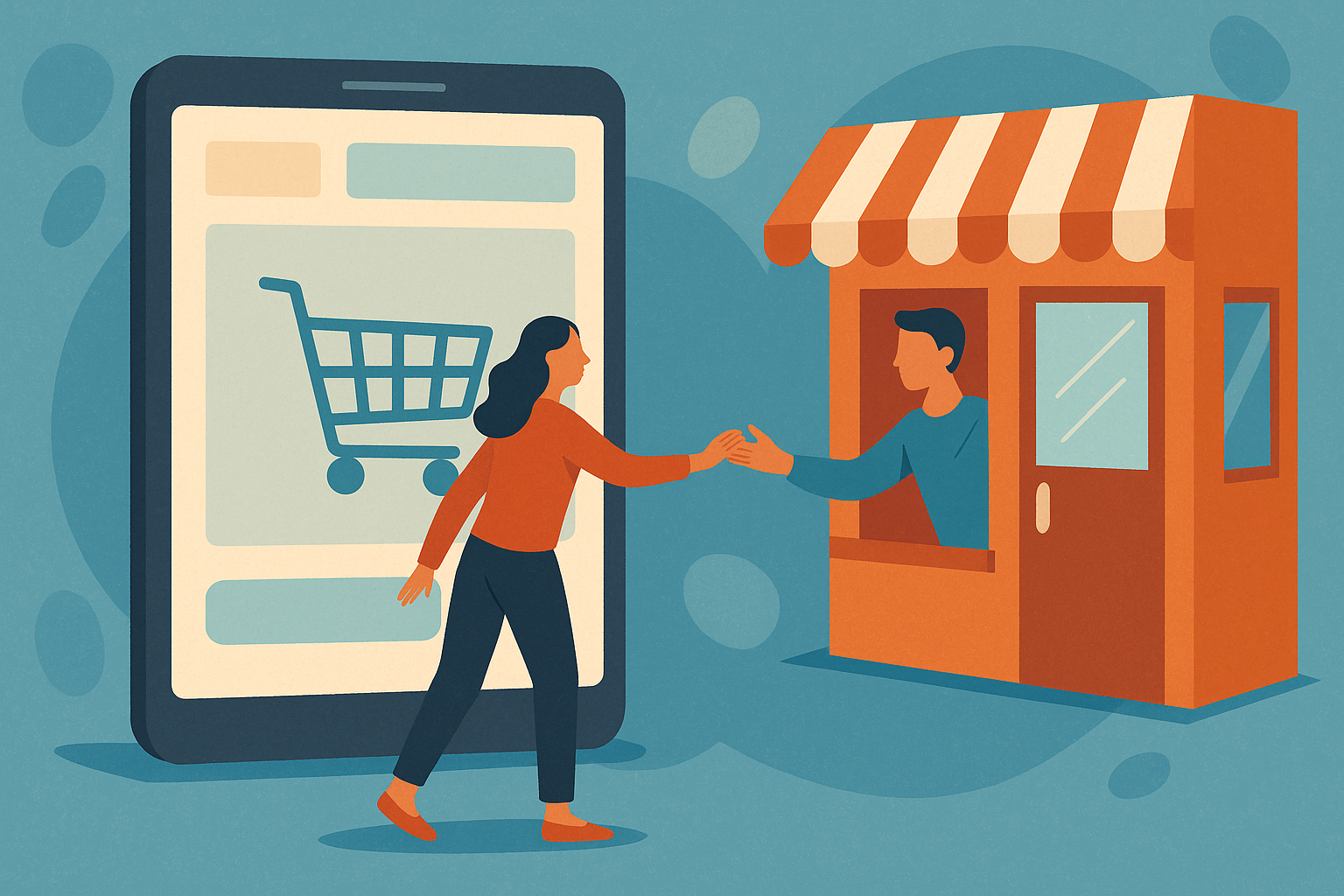
The fix isn't to work harder. It's to restructure where and when purchases happen. What if the moment a customer decided to buy something, they could complete that purchase immediately—right there, standing in front of the product? No walking to a counter. No queue. No gap between inspiration and transaction. The display wouldn't just showcase the product; it would close the sale.
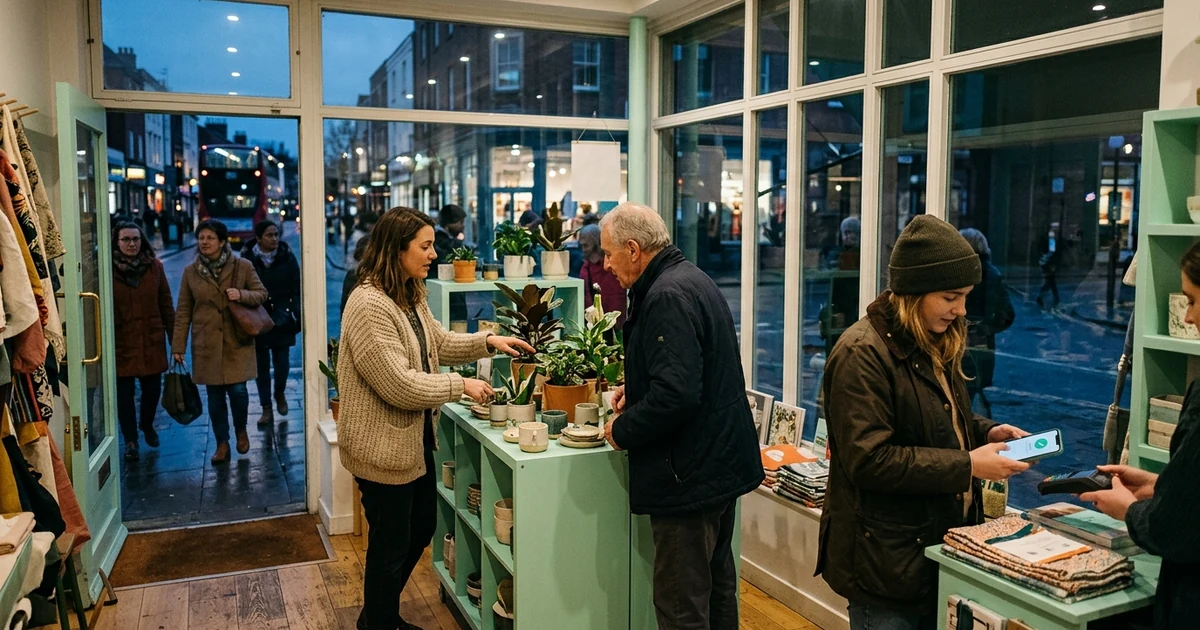
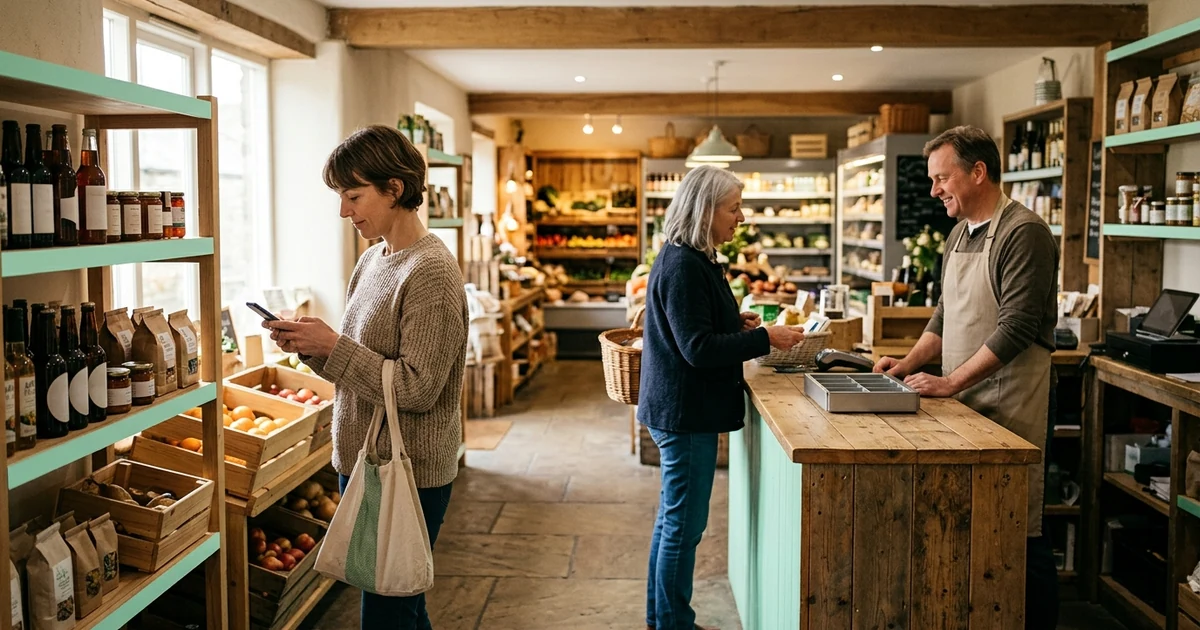
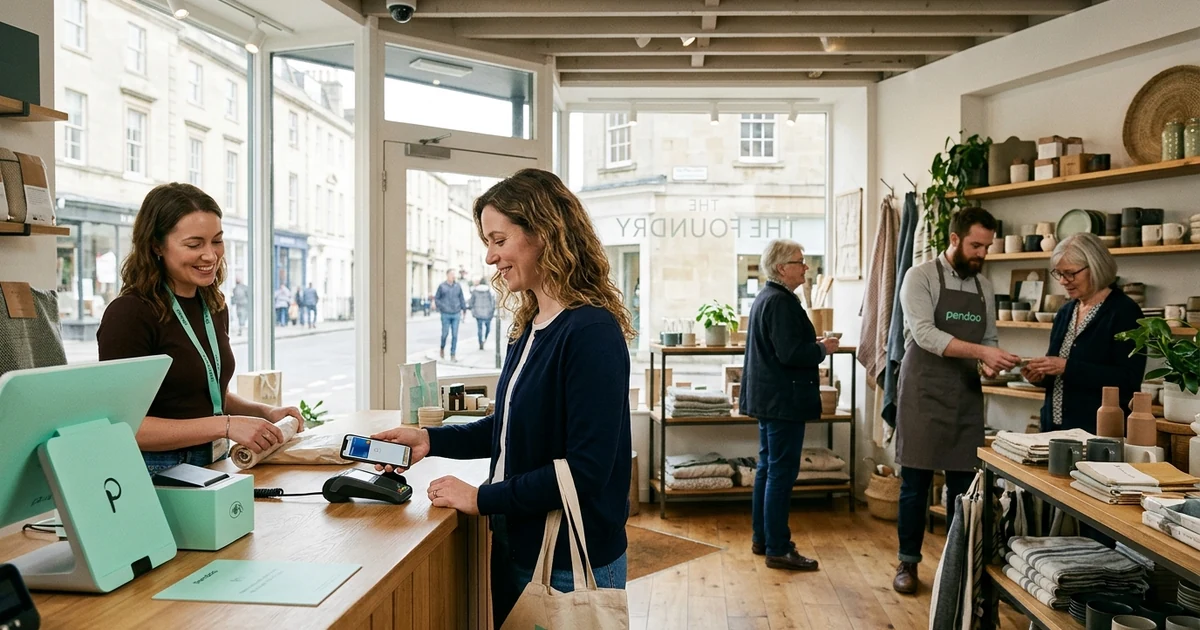
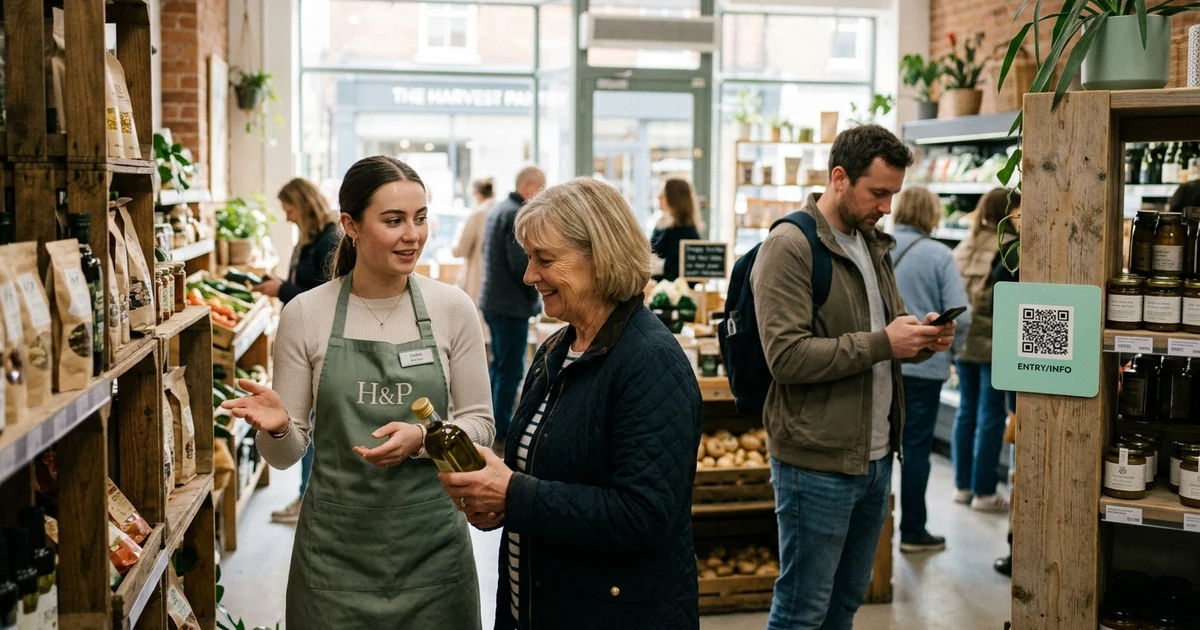
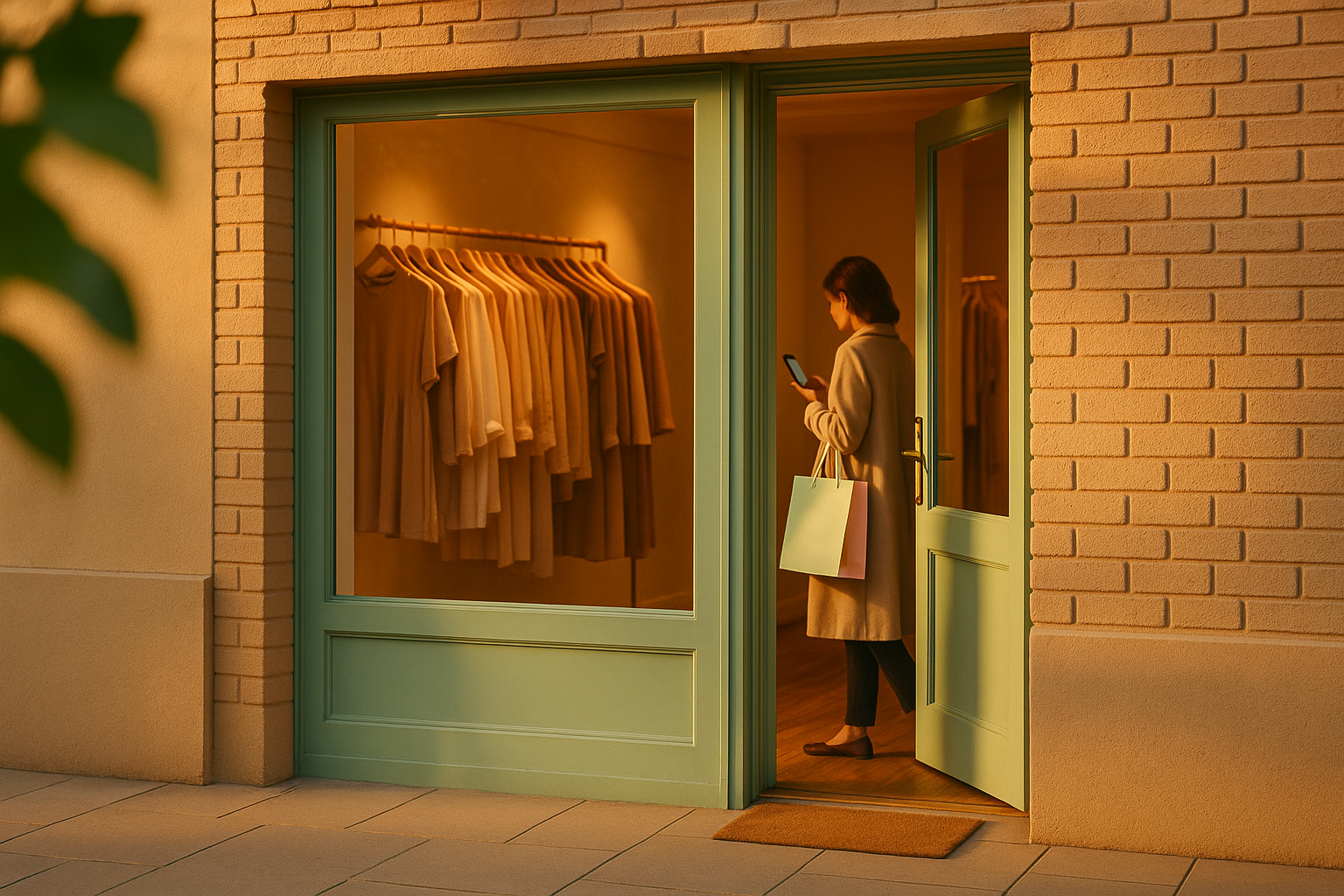
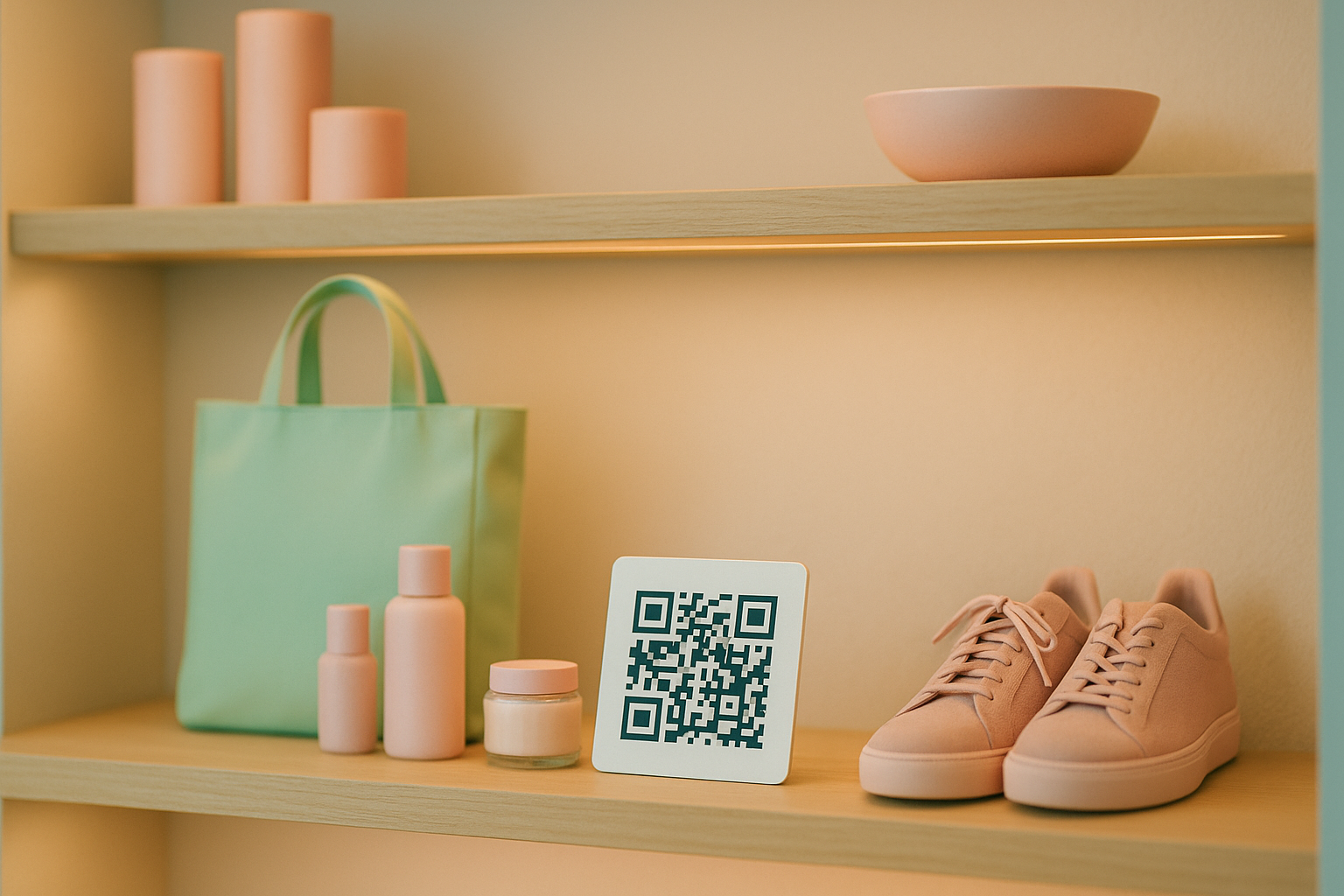
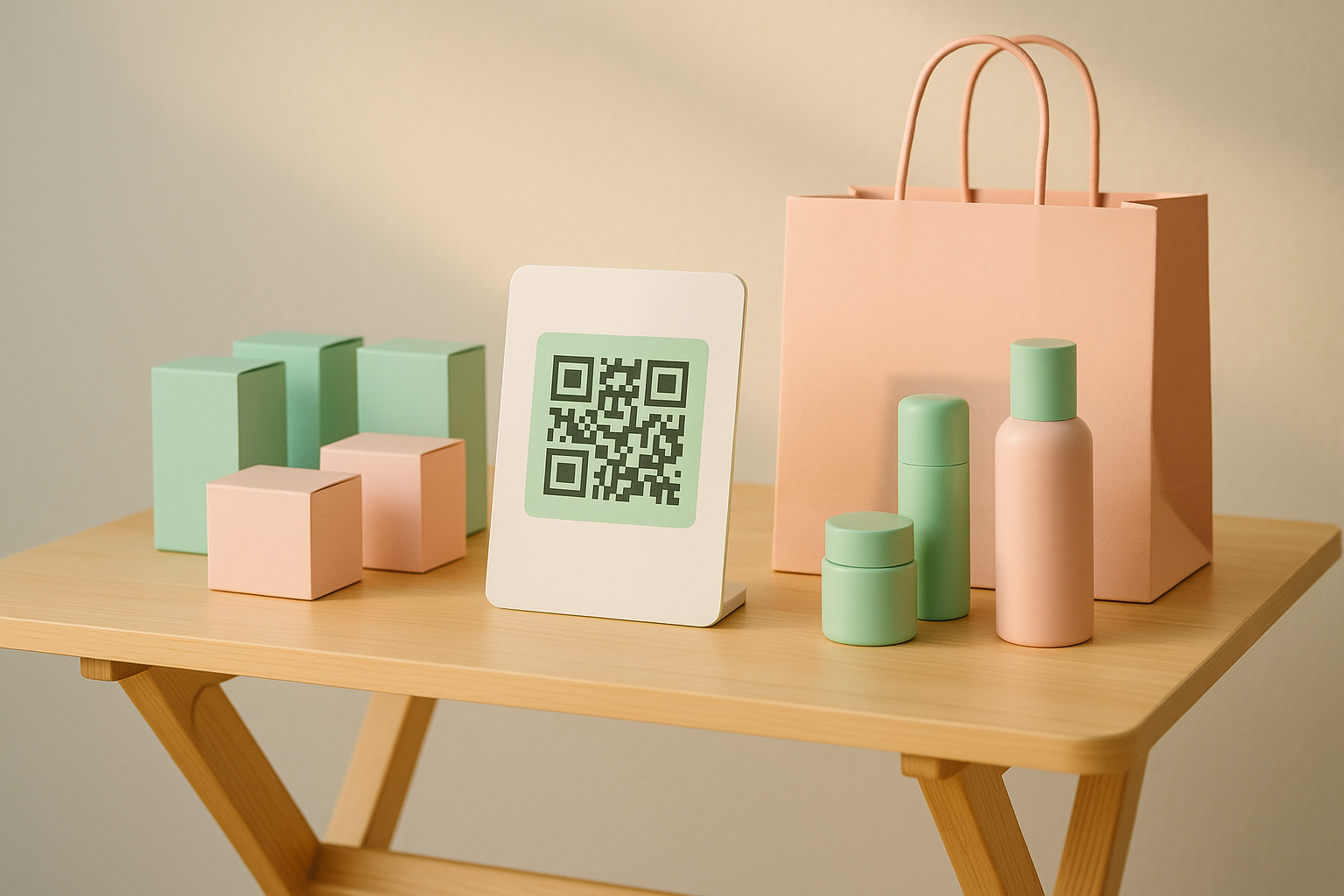
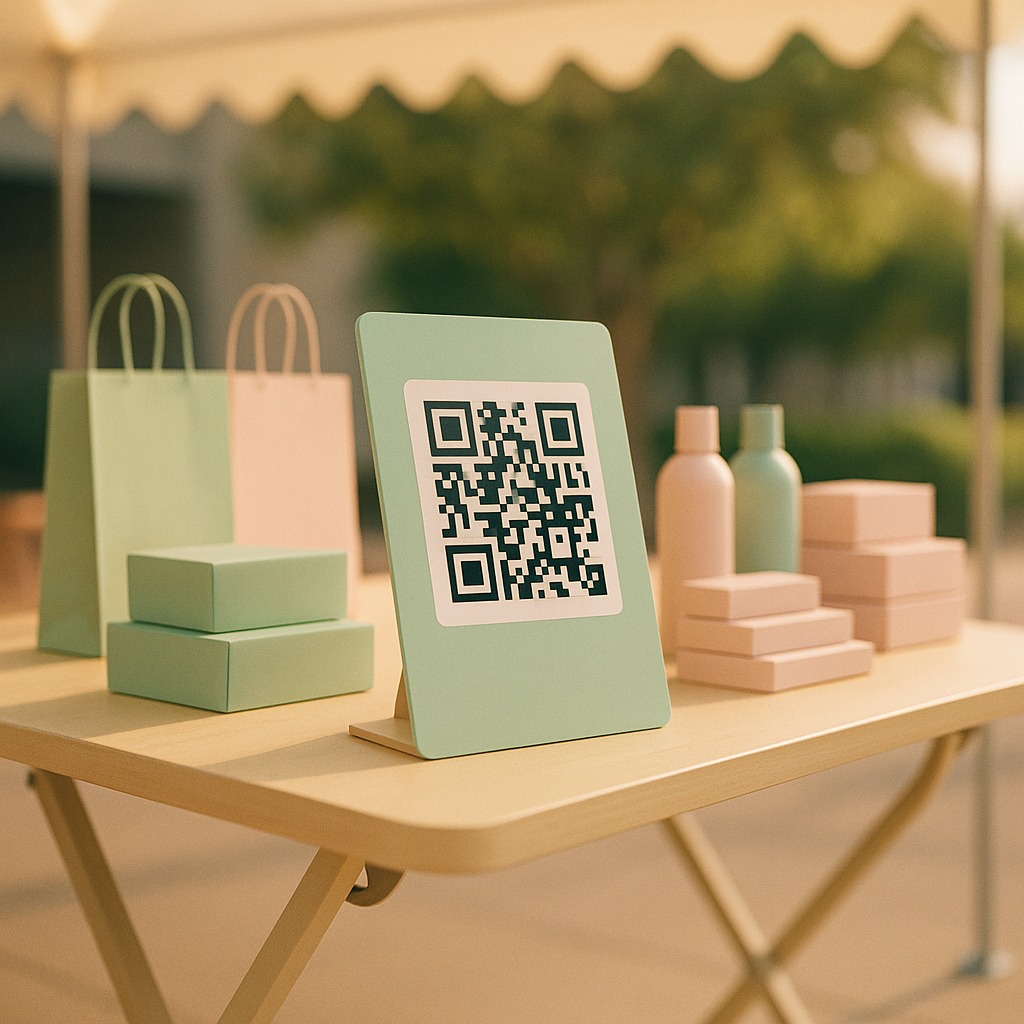
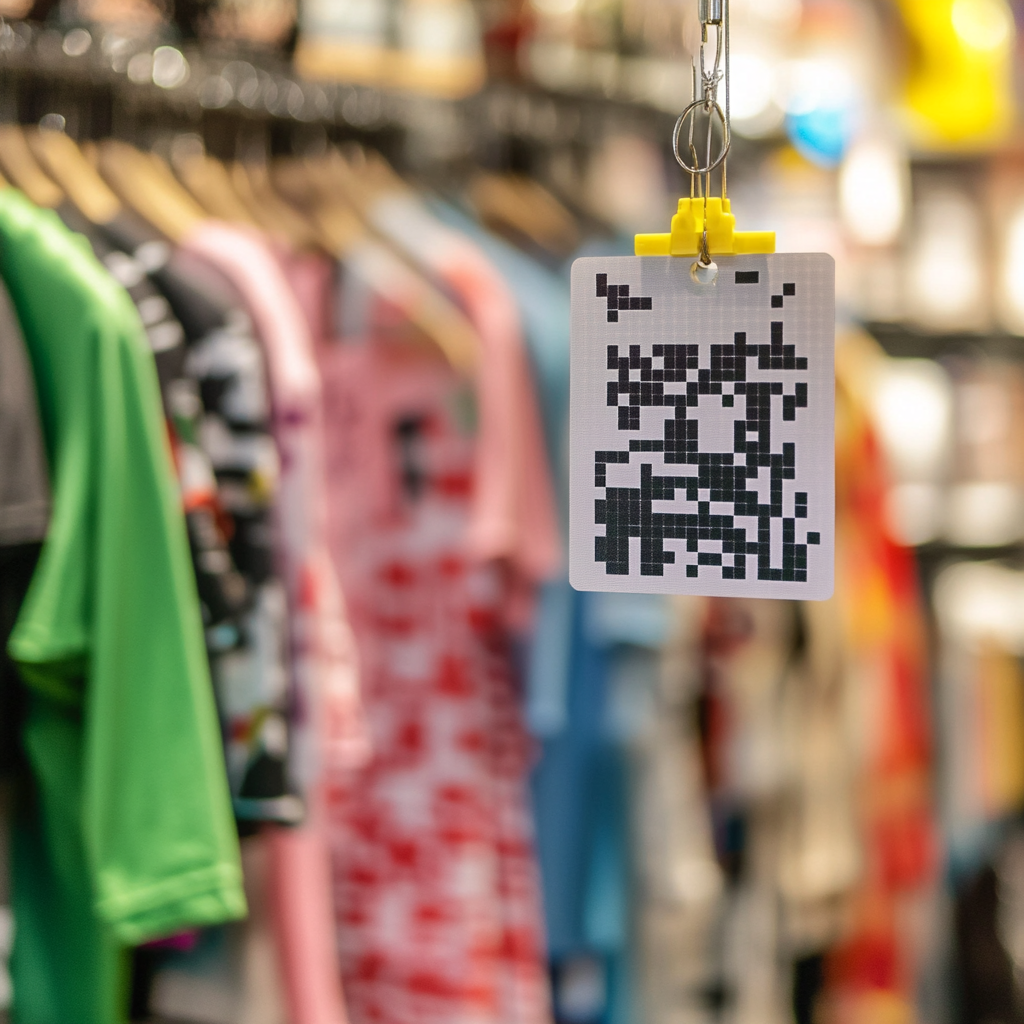
This is what Pendoo does. It's a browser-based scan-and-go self-checkout platform built specifically for Shopify retailers with physical stores. A customer walks into your shop and scans a QR code—placed at the entrance, on displays, next to featured products, anywhere that makes sense. That QR code opens Pendoo instantly in their mobile browser. No app to download. No account to create. Within thirty seconds, they're scanning product barcodes, watching their cart build in real time, and paying using Apple Pay, Google Pay, or their preferred payment method. The entire purchase happens on their phone, wherever they're standing in your store.
What this means in practice: your feature wall for new arrivals isn't just a display anymore—it's a point of sale. Your seasonal installation doesn't end at engagement; it ends at purchase. The customer picks up the item, scans it, pays for it, and keeps shopping. You've collapsed the gap between desire and transaction to zero. Research shows that scan-and-go customers typically record 10–25% higher basket sizes compared to traditional checkout. That's not because they're different customers. It's because friction has been removed at the moment it matters most. They're buying the add-on. They're adding the impulse item. They're purchasing at the emotional peak instead of after they've had five minutes to reconsider.
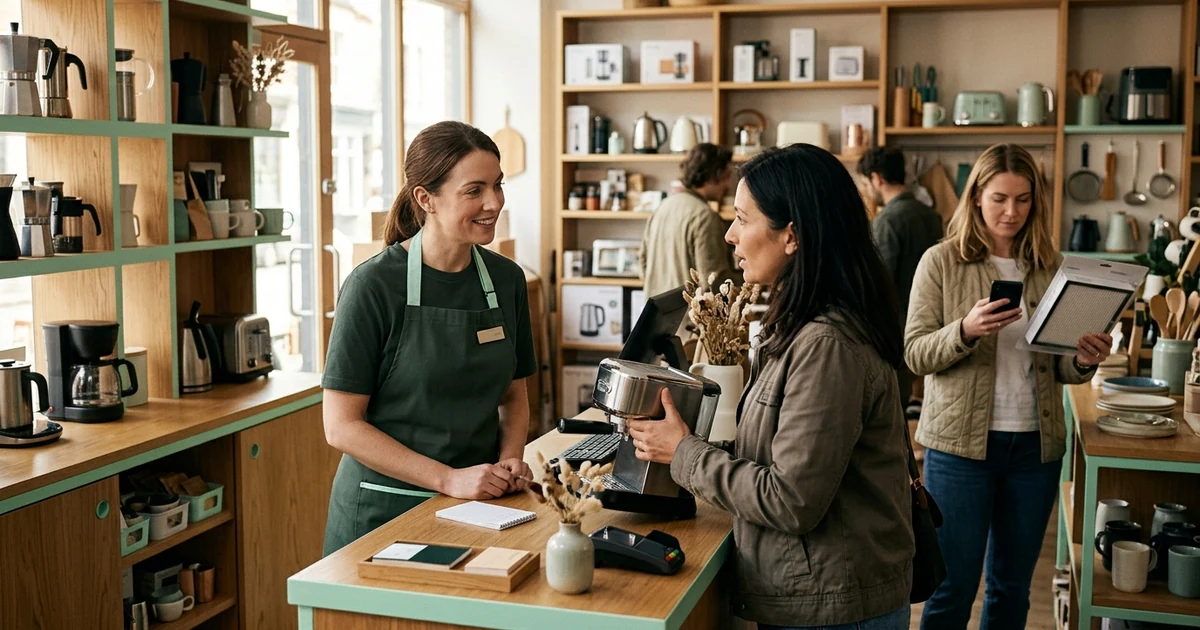
Meanwhile, your team is freed from the till. They're no longer performing low-value transactional work. They're doing what actually drives revenue in physical retail: product expertise, personal styling, recommendations, restocking, customer relationships. A staff member who can focus on assisted selling generates meaningfully higher transaction values than one stationed at a checkout. Pendoo doesn't reduce the value of your team—it increases it by removing the low-value work that was consuming their time.
The Outcomes That Actually Matter
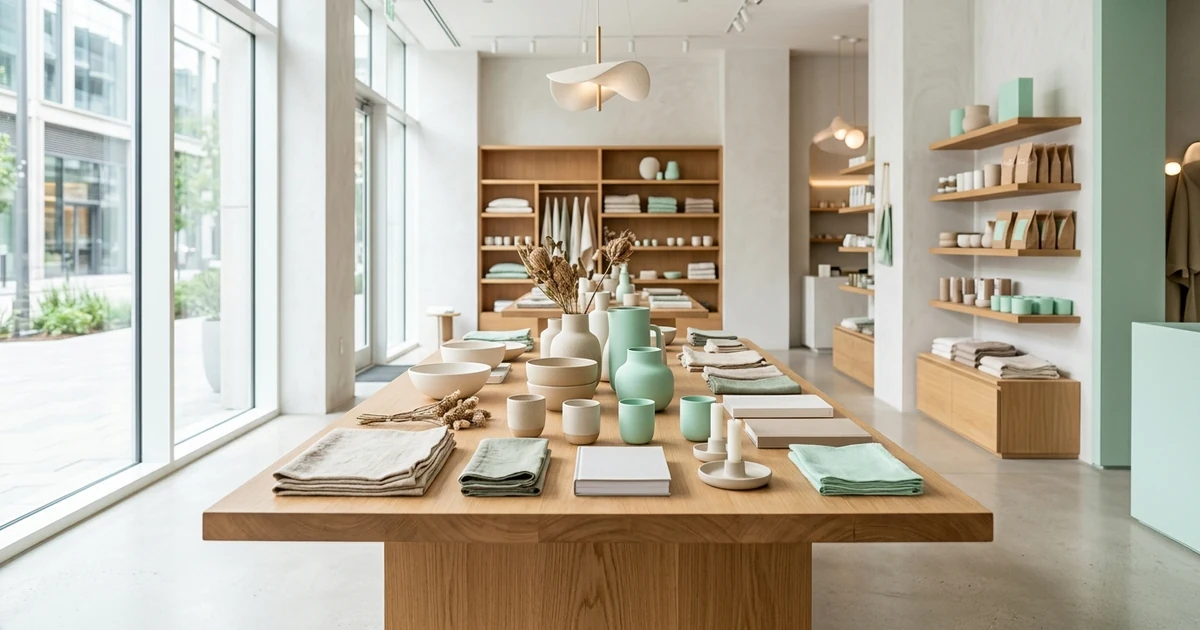
Here's what happens when a physical store implements this properly. First, your merchandising investment starts working harder. You spent money on that endcap, that feature display, that seasonal installation. With Pendoo, those displays don't just capture attention—they convert it. Every display becomes fully shoppable in place. The product corner your supplier built as part of a brand partnership? It now has its own checkout. The ROI on your merchandising spend increases because the path from interest to purchase is immediate. Second, you're capturing customer data you'd never get otherwise. In traditional retail, capturing an email requires asking for it, the customer agreeing, spelling it out, someone typing it in. Pendoo captures customer details passively as part of the payment flow. Over a year, a store doing modest Pendoo volume builds a substantial opted-in email list with zero incremental effort. That list feeds directly into your email marketing platform, giving you a repeat-purchase channel your physical store never had before.
There's also a less obvious financial benefit. Shopify charges transaction fees of 0.5–2% on sales processed through third-party payment providers. Because Pendoo routes payments directly through Stripe—not through Shopify Payments—those Shopify transaction fees don't apply to Pendoo sales. For a retailer doing significant volume, this is a calculable, recurring saving that goes straight to your margin. And because every Pendoo sale creates a Shopify order that decrements inventory in real time via direct API integration, you're not manually reconciling stock levels across channels. Your online store, your physical location, and any pop-ups or secondary sites all share a single accurate inventory picture. You stop losing sales to phantom stock, and you stop over-ordering to compensate for uncertainty.
Physical Retail That Earns Its Overheads
Opening a physical store is expensive. Keeping it open is more expensive. The only way the math works is if your physical presence generates transaction values and customer experiences your online channel can't replicate. That doesn't happen by accident. It happens when your store is structured to capture the sale at the moment of highest intent, when your team is deployed doing high-value work instead of low-value work, and when your merchandising investment closes the sale instead of just starting the conversation.
Pendoo makes your physical space work the way it should have from the beginning: every square metre capable of generating revenue, not just the counter at the back. If you're running a Shopify store and operating—or considering—a physical location, it's worth exploring what changes when checkout is no longer a fixed point. Visit pendoo.io and see how scan-and-go turns physical retail from a cost centre into a genuine competitive advantage.
Like what you read?
Sign up and start running your store on your terms — free plan available.