A second location is harder to justify if the first cannot reliably put its stock within customers’ reach. Before expanding selling space or trading hours, retailers should ask a less glamorous question: who will keep the shop ready to sell?
Retail stock availability belongs in the growth conversation. Buying stock and paying rent create the opportunity for a sale. Making the right product findable, accessible and ready to buy is the work that turns that opportunity into revenue.
A tighter buying climate raises the stakes
The CBI’s September 2026 Distributive Trades Survey, published on 24 September, reported that retailers were cutting order volumes at the fastest rate in the survey’s history, which began in 1983.
That finding describes ordering intentions and activity, not empty shelves. It does not prove that individual shops are understocked. But it poses an operational question: when retailers are buying more cautiously, how carefully are they helping the stock they already own earn its keep?
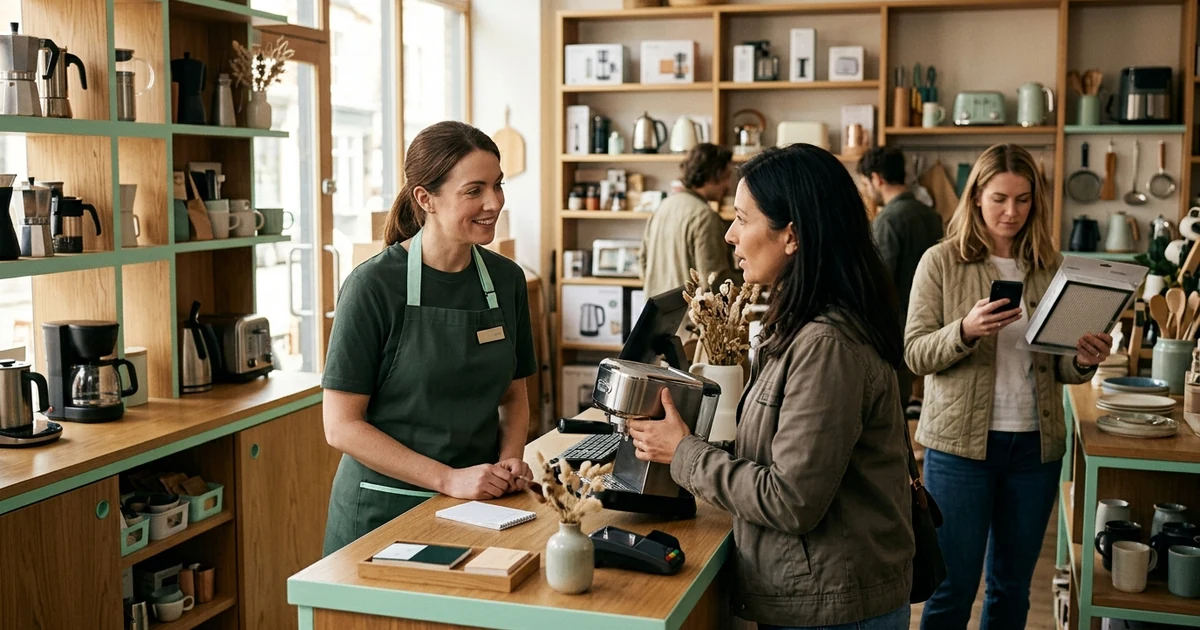
Imagine a customer asking for a size that is sitting in the stockroom. The issue is not necessarily forecasting or purchasing. It may be that nobody has had an uninterrupted opportunity to replenish the rail.
Look beyond the most visible losses
Loss deserves a wider lens than theft alone. In an analysis published on 13 October 2026, IHL Group said its forthcoming Beyond Shrink study found that the front door accounted for only one quarter of what retailers actually lose.
That is IHL’s framing of total retail loss, not a measure of replenishment failures. It should not be repurposed into a claim that staff shortages explain the remainder. Its useful challenge is simpler: the most conspicuous loss mechanism is not the whole operating picture.
For a store manager, that means looking for quieter failures too. A missing shelf label, an unlocated product or an unanswered availability question deserves investigation, even when nothing appears on a security report.
Give replenishment a place in the rota
Store replenishment should be scheduled work, not whatever happens between transactions. Otherwise, an expansion plan can add stock and floor space without adding enough capacity to make either productive.
A practical review can start with three questions:
- Which replenishment tasks repeatedly remain unfinished at closing?
- When do staff abandon stock work to process straightforward purchases?
- Who owns availability checks during the busiest selling periods?
These are diagnostic questions, not instructions to cut headcount. Retail inventory management still needs people who recognise misplaced products, investigate discrepancies and help a customer find an alternative. Protecting that work is a store labour planning decision.
Make released time do a specific job
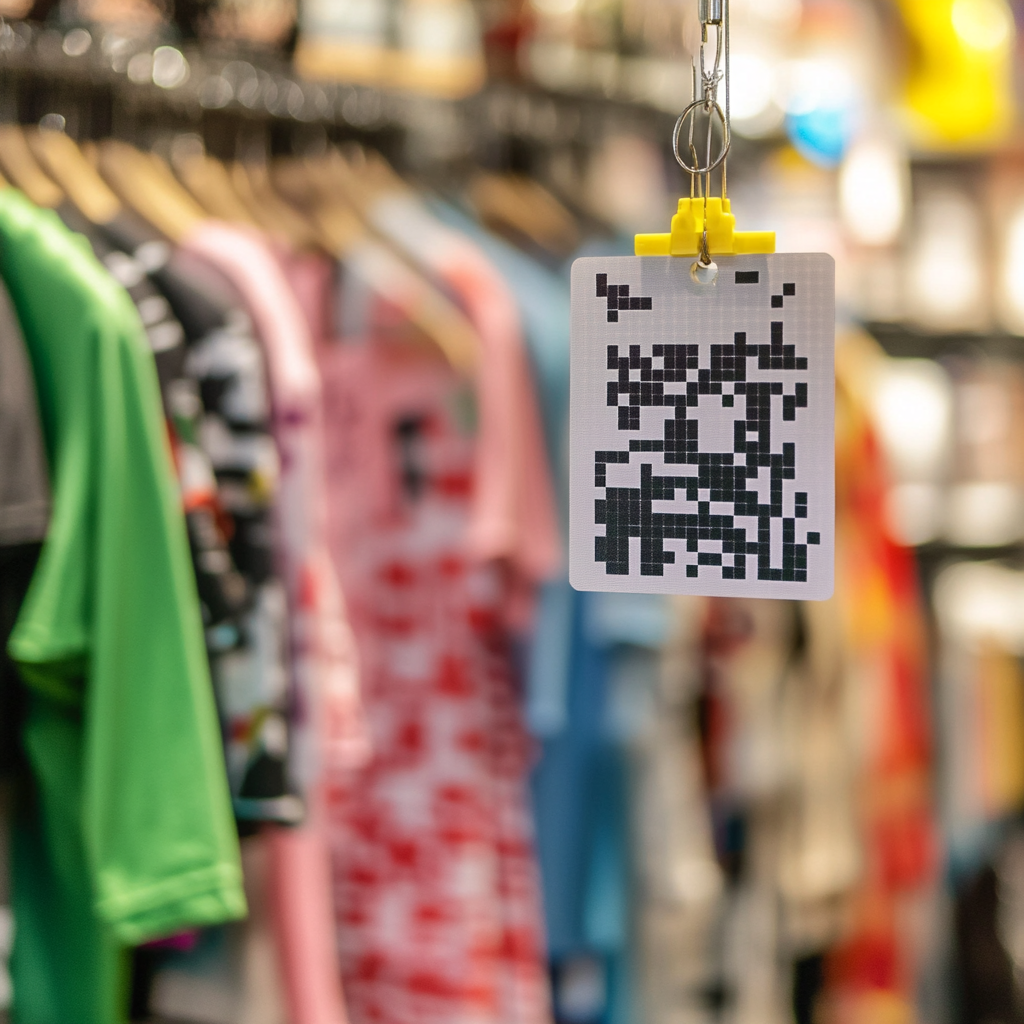
Mobile checkout is relevant only if it improves that operating model. Pendoo lets shoppers scan a store QR code, scan product barcodes, build a basket and pay on their phone without downloading an app. Shopify integration is live, and a free plan is available.
That creates an option for completing purchases without a dedicated colleague processing each one. It does not locate missing stock, replenish shelves or guarantee labour savings. The retailer still needs to decide where any released time goes.
Try assigning it to a defined availability task before extending the approach. Track unfinished replenishment, customer requests for unavailable items and whether colleagues can resolve those requests. Keep assistance available for shoppers who need it.
Growth without proportional checkout staffing should mean more capacity for useful human work. Before approving another location or longer hours, give that capacity a job description. Keeping the existing shop ready to sell is a sensible place to start.
Like what you read?
Sign up and start running your store on your terms — free plan available.