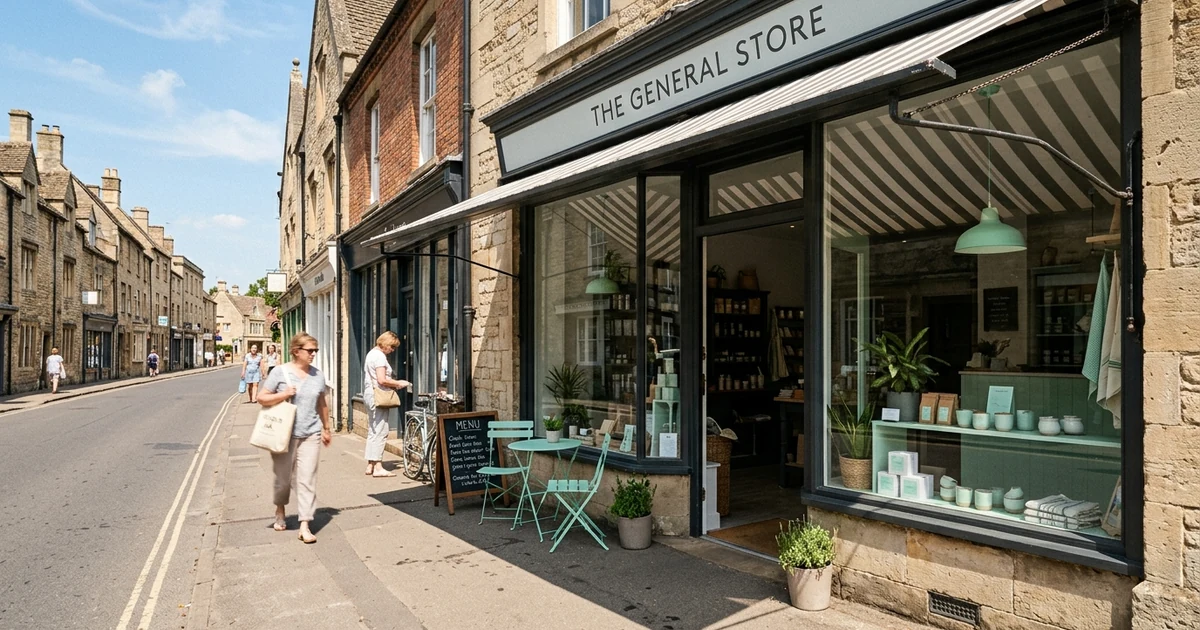
A new store is not genuinely more selling space if some customers cannot comfortably shop there. Before approving another location or longer opening hours, ask a harder question: will customers who need assistance actually be able to get it?
That makes retail accessibility a growth question, not simply a compliance task. The operating model needs room for human help, rather than treating every request as an interruption to an already full shift.
Accessibility belongs in the commercial conversation
In a September 2026 Retail Insider interview, accessibility adviser Pamela Shainhouse connected accessible customer experiences with sales and loyalty. Her argument reaches across store design, staff training and ecommerce, rather than stopping at the entrance.
It is a useful challenge to the usual expansion brief. We ask whether the location has demand, whether the rent works and whether the team can cover it. We should also ask whose purchases the proposed operation makes unnecessarily difficult.
The distinction matters. Opening another door creates availability. Making the shopping journey usable creates an opportunity to serve someone. Those are not automatically the same achievement.
A quieter shop still needs available people
Accessibility is not one universal store setting. Walmart's November 2023 announcement about sensory-friendly hours described listening to customers and associates, including through conversations and listening sessions, when developing its approach.
The lesson for a smaller retailer is not to copy a national programme wholesale. It is to ask customers what makes shopping difficult, then test specific changes. A calmer environment and readily available assistance should be considered together.
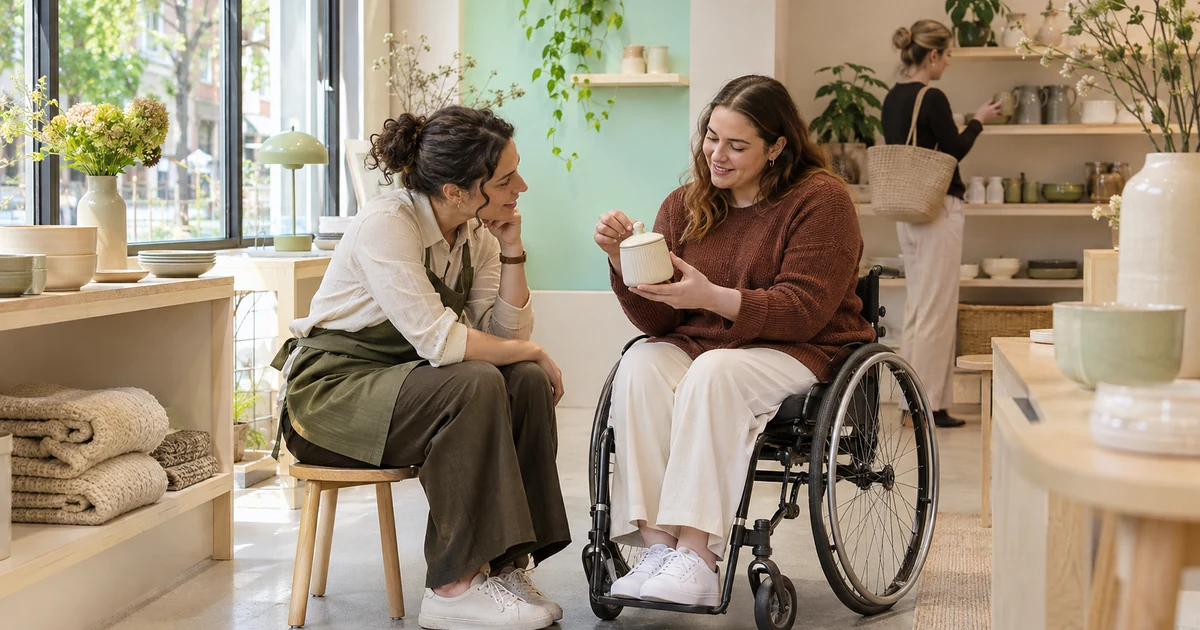
Imagine a quieter trading period where the only colleague is occupied processing purchases. Someone who needs help finding a product still has to wait, interrupt or abandon the request. This is a planning scenario, not a claim about Walmart. It exposes a gap that lighting changes alone cannot address.
Budget for assistance, not just transactions
Before extending hours or signing a lease, put assistance into the operating brief. Treat it as work that deserves capacity, not goodwill that colleagues somehow supply between everything else.
- Walk the proposed journey with people who have different access needs, and compensate their contribution.
- Identify where a colleague may need to explain, retrieve, guide or help someone pay.
- Decide how customers will request help without having to chase someone across the shop.
- Protect an assisted purchasing route when introducing digital options.
Then test the staffing plan against those moments. If it only works when nobody asks for help, it is not ready to scale. The answer may involve changing coverage, the layout or the work allocated to each role.
Use technology to preserve choice
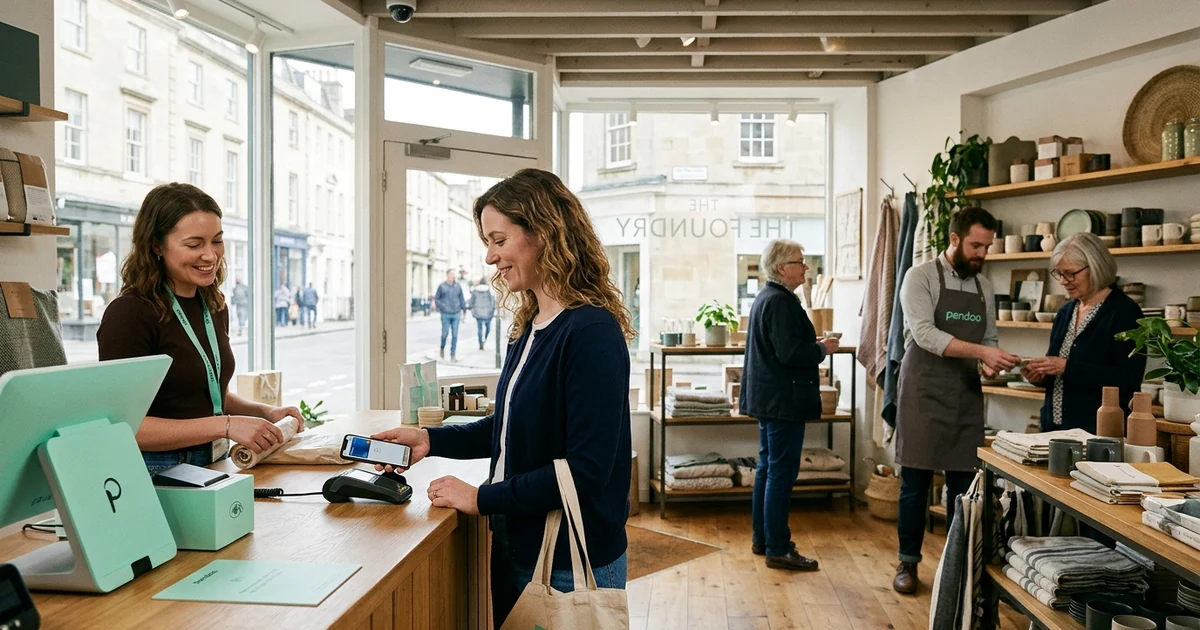
Removing routine checkout work can create room for service without making every additional selling hour depend on a dedicated till position. That is the relevant role for mobile checkout here: protecting staff capacity, not declaring human assistance obsolete.
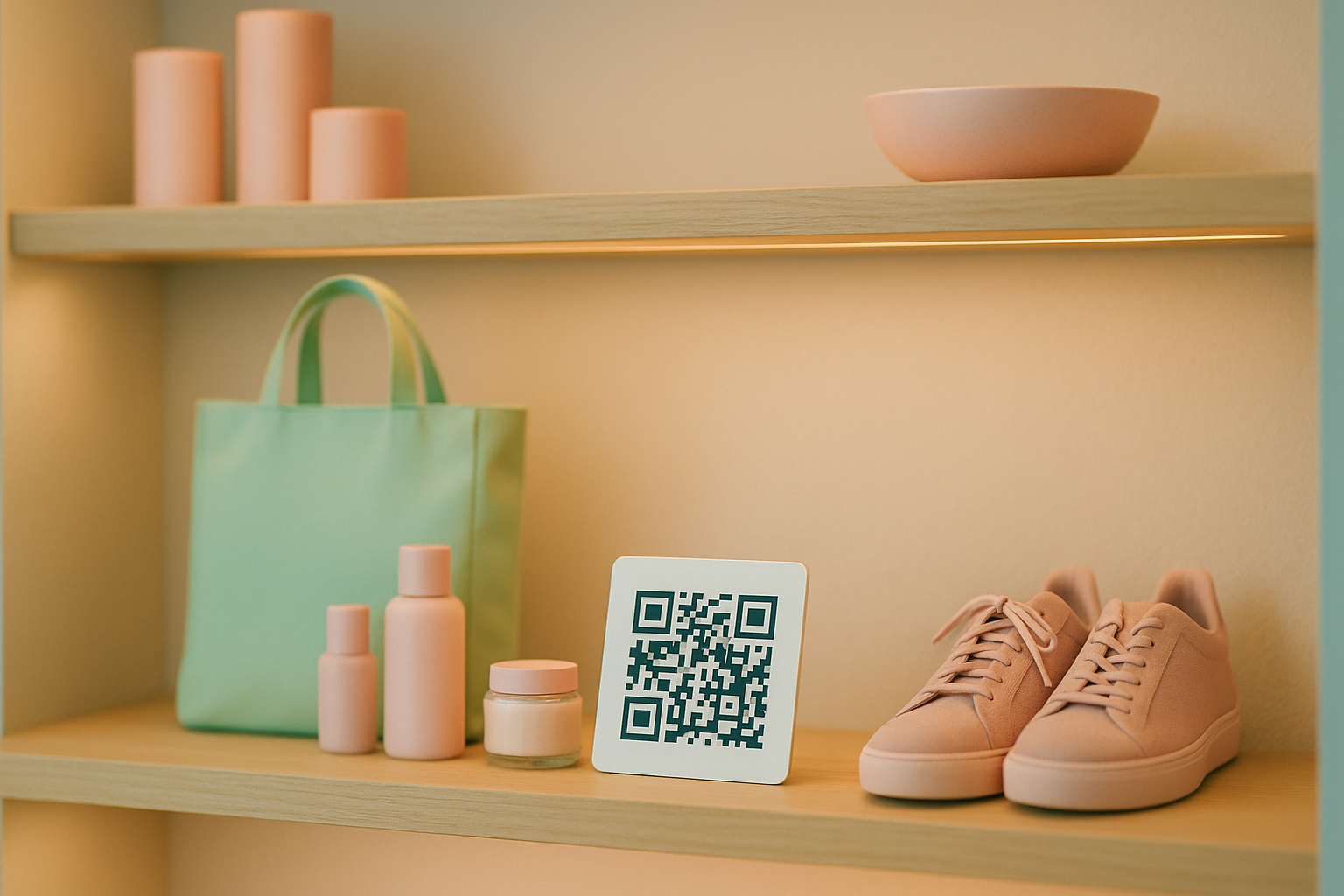
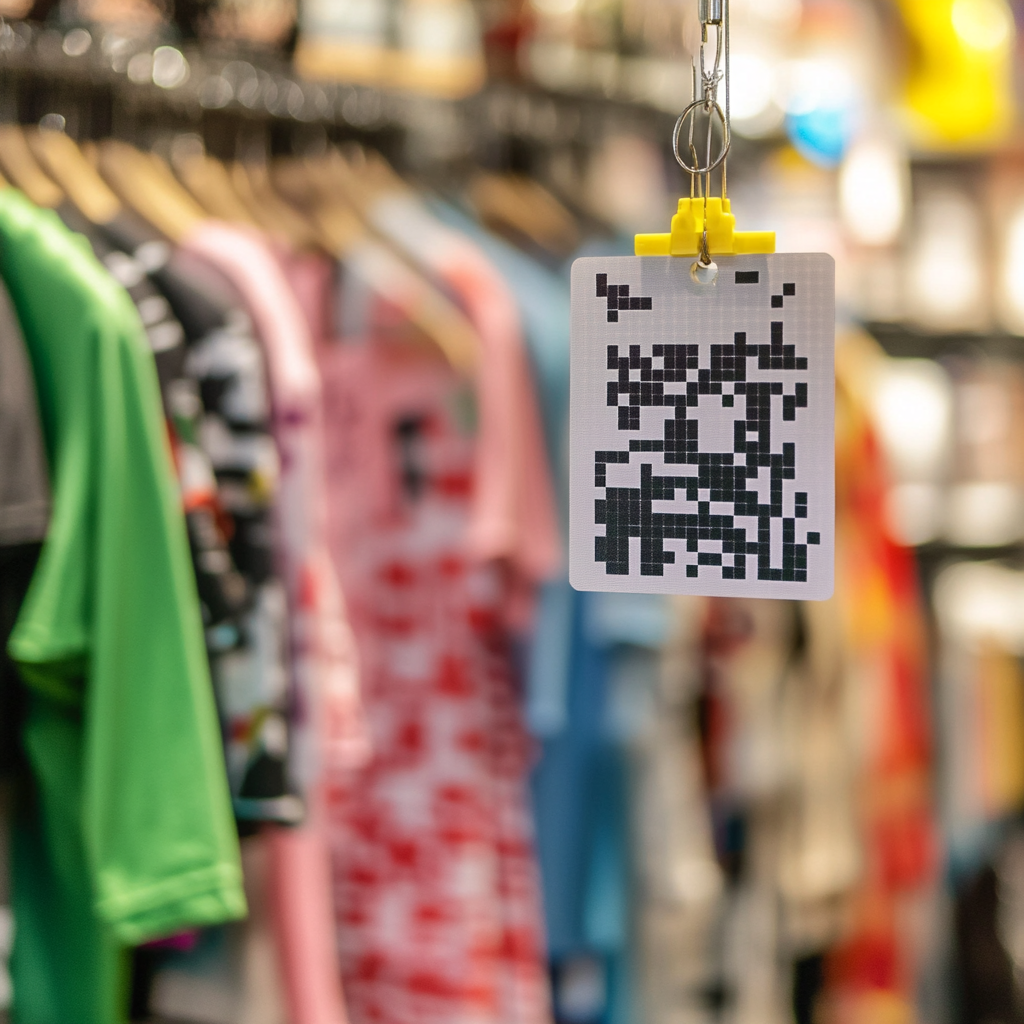
With Pendoo, shoppers scan a store QR code, scan product barcodes, build a basket and pay on their phone without downloading an app. It offers another purchasing route. It should not be treated as proof that every customer can, or wants to, use it.
Do not assume accessibility from a product demonstration. Test the actual journey with intended users, retain assistance and examine whether colleagues become more available in practice.
The next growth review should include one concrete question: after opening more space or more hours, how will we know customers can still get help? More transactions are useful. More people being able to shop is the stronger ambition.
Like what you read?
Sign up and start running your store on your terms — free plan available.