When Your Infrastructure Costs More Than Your Revenue Window
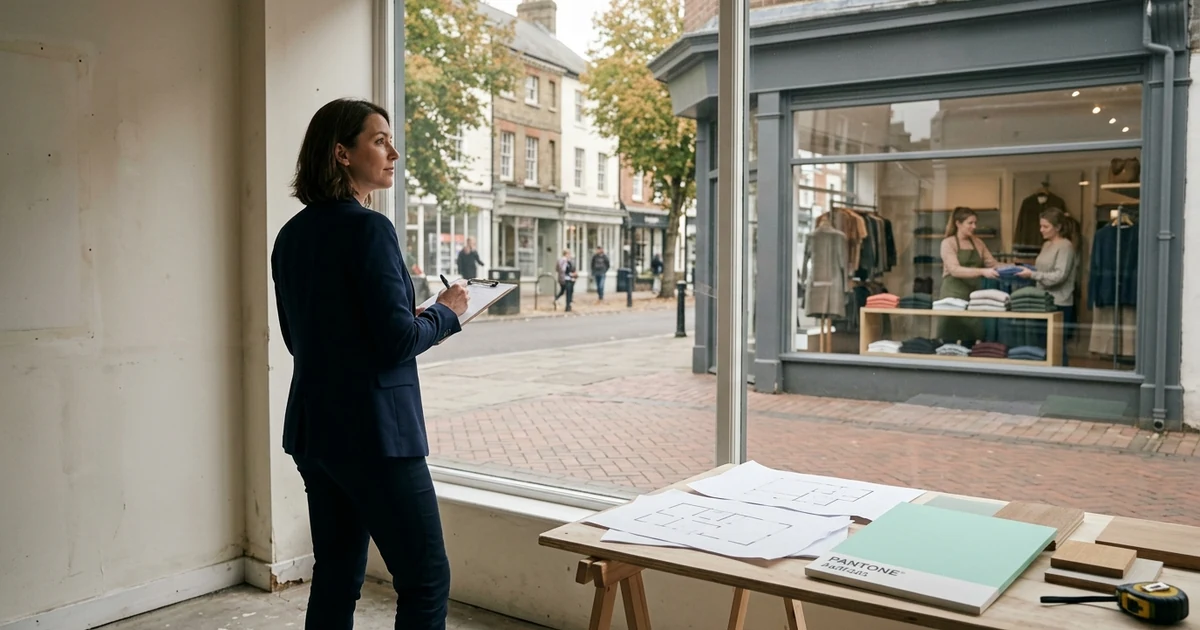
You've secured a brilliant location for three weeks. Foot traffic is guaranteed. Your product is ready. The lease is signed. Then you start pricing out what you actually need to operate: a point-of-sale system, a card reader, internet connectivity, possibly a mobile data plan, and someone trained to work the till for every hour you're open. By the time you add it all up, your pop-up has eaten a third of its potential margin before a single customer walks through the door.
Pop-ups are supposed to be lean, experimental, and high-return. They let you test a new neighborhood, validate a product line, or create a brand moment without committing to a five-year lease. But the operational infrastructure required to accept payments turns what should be a low-risk opportunity into a high-fixed-cost gamble.
The problem isn't the rent. It's that traditional retail infrastructure was built for permanence, not agility. Every pop-up becomes a miniature version of a full-scale store buildout, and the economics rarely work in your favor.
The Fixed-Cost Trap That Kills Temporary Retail
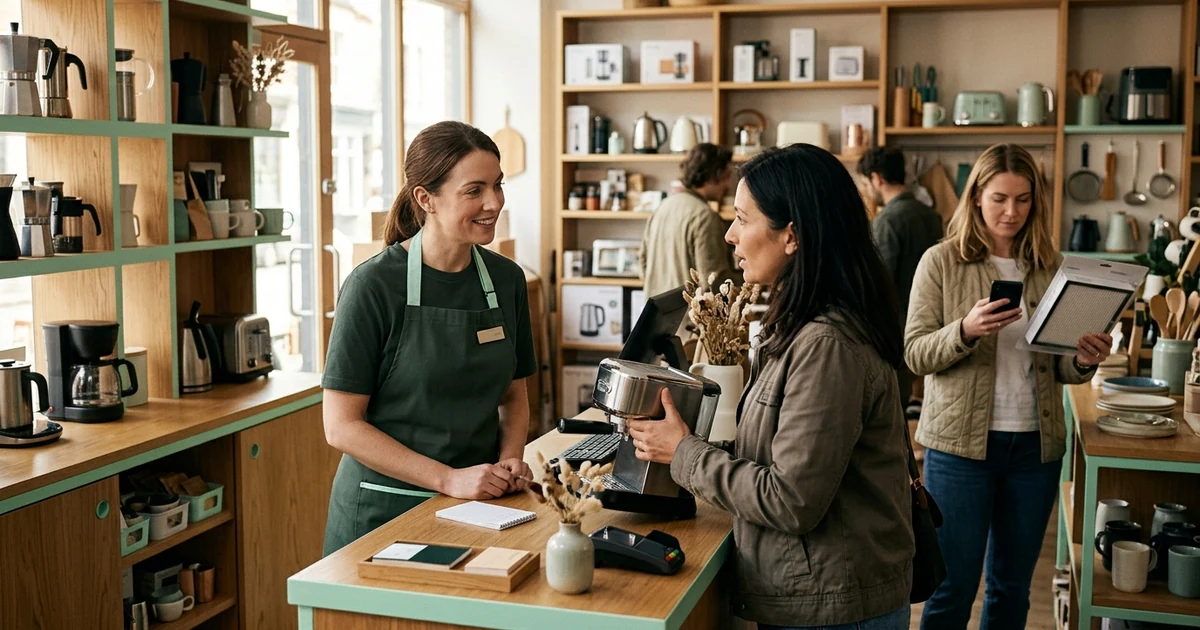
Pop-up retail should reward speed and experimentation. Instead, it punishes both. A traditional POS setup carries costs that don't scale down with duration: hardware purchase or rental, software subscription minimums, payment processing setup fees, staff training time, and the labor cost of having someone stationed at a register. If your pop-up runs for two weeks and you're paying for a month of service, plus hardware you'll never use again, the math stops working.
Worse, the infrastructure constrains your format. You need a counter. You need space behind it. You need power. You need a way to secure expensive hardware overnight. These requirements eliminate half the potential locations before you even start looking.
The result is predictable: retailers either avoid pop-ups entirely, or they run them at break-even as marketing exercises rather than revenue opportunities. Either way, a format that should be expanding your reach ends up sidelined because the cost of payment infrastructure is out of proportion to the opportunity.
What If the Entire Checkout Was a QR Code?
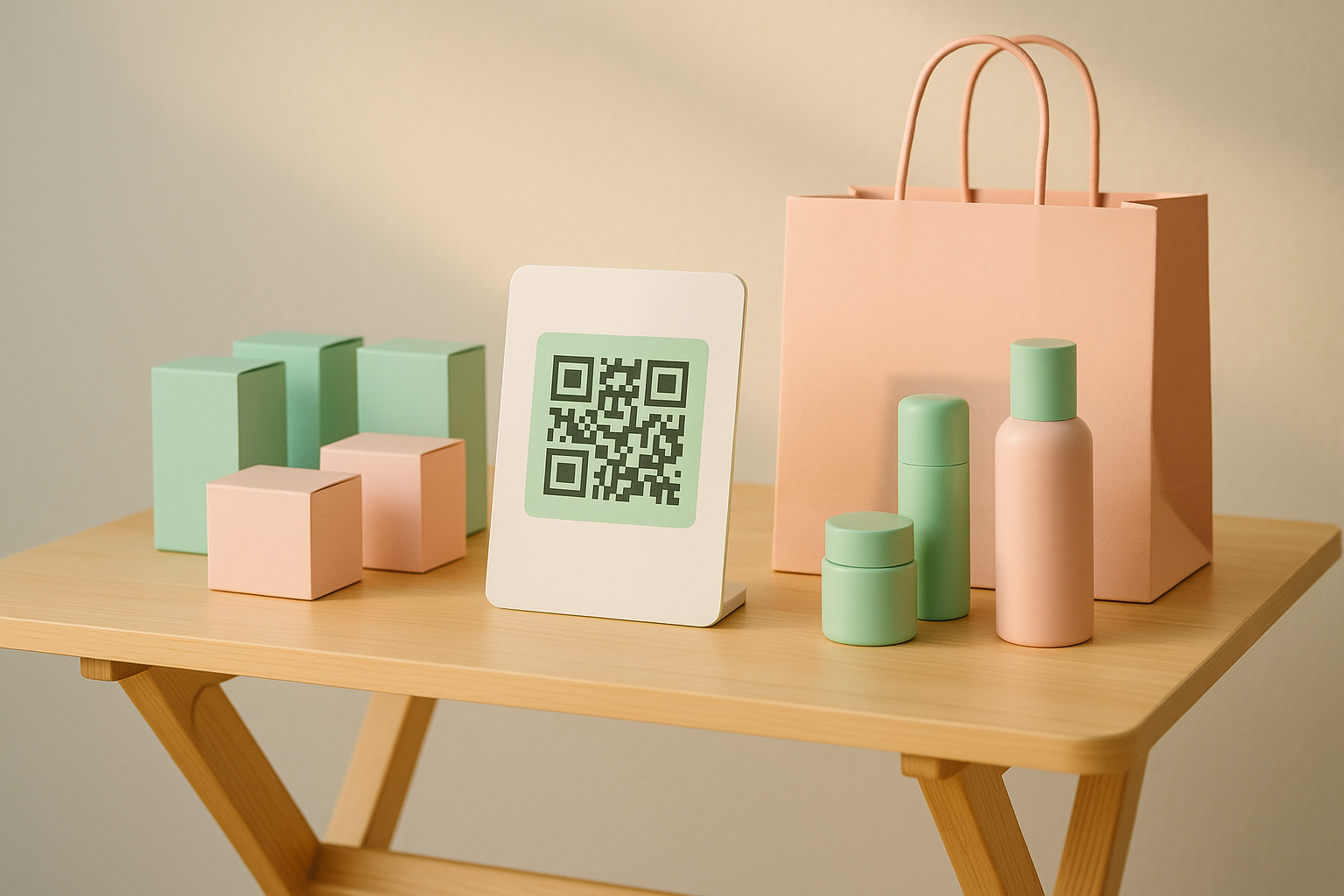
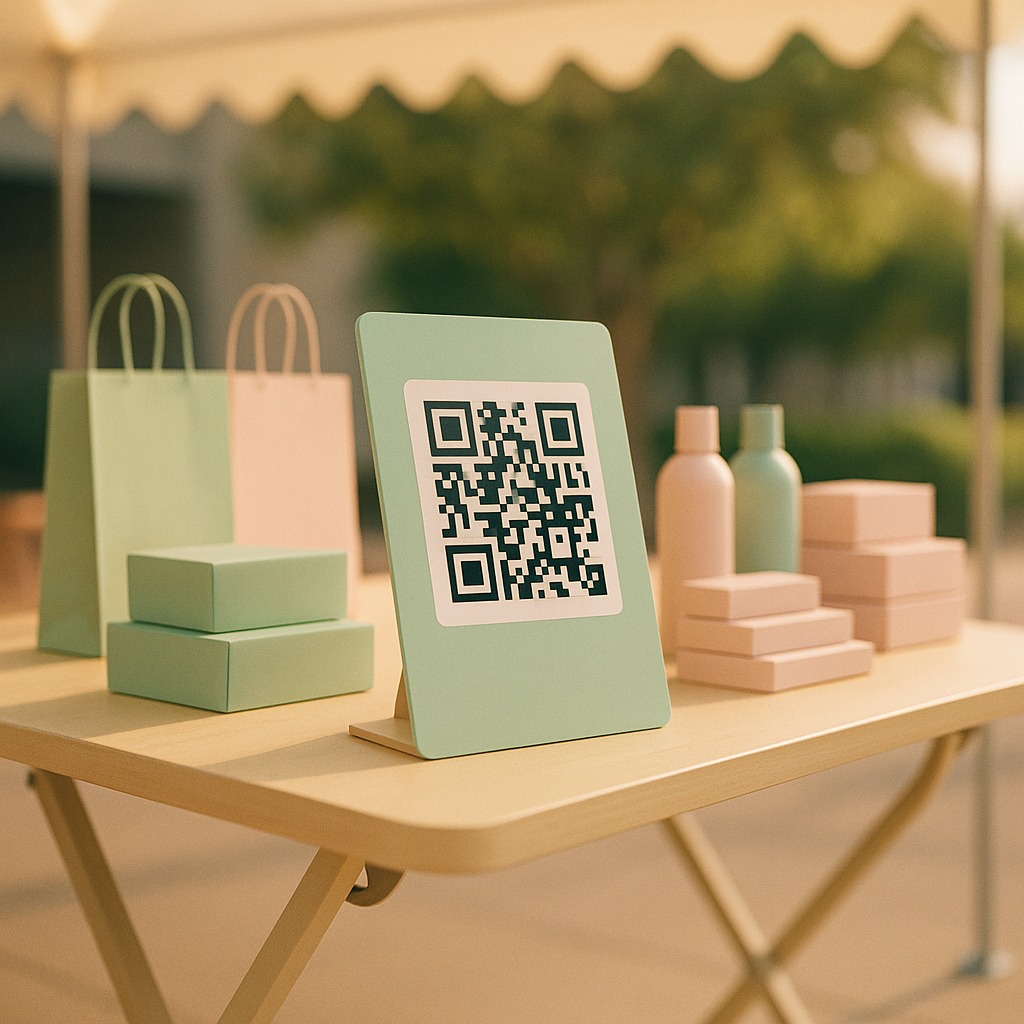
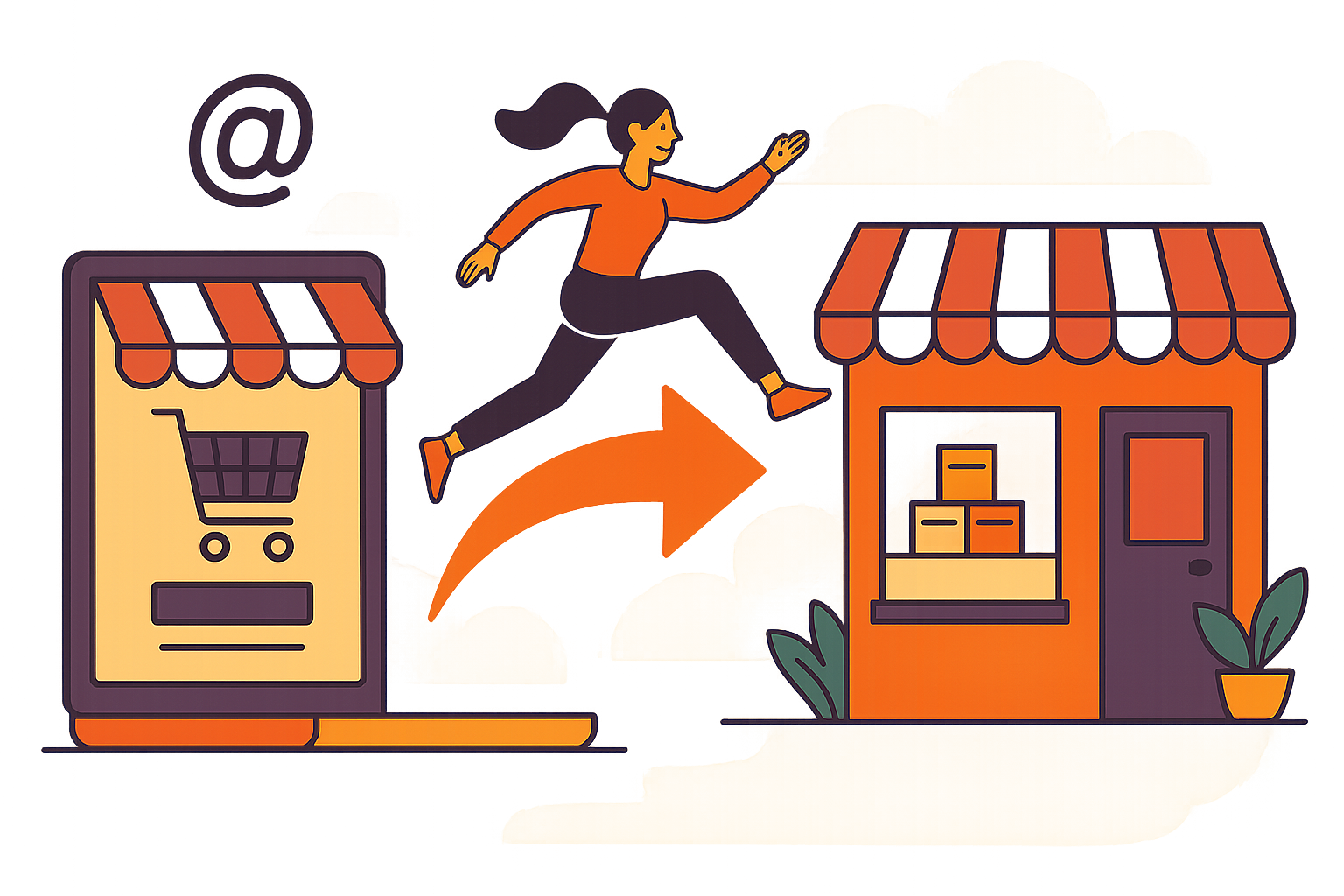
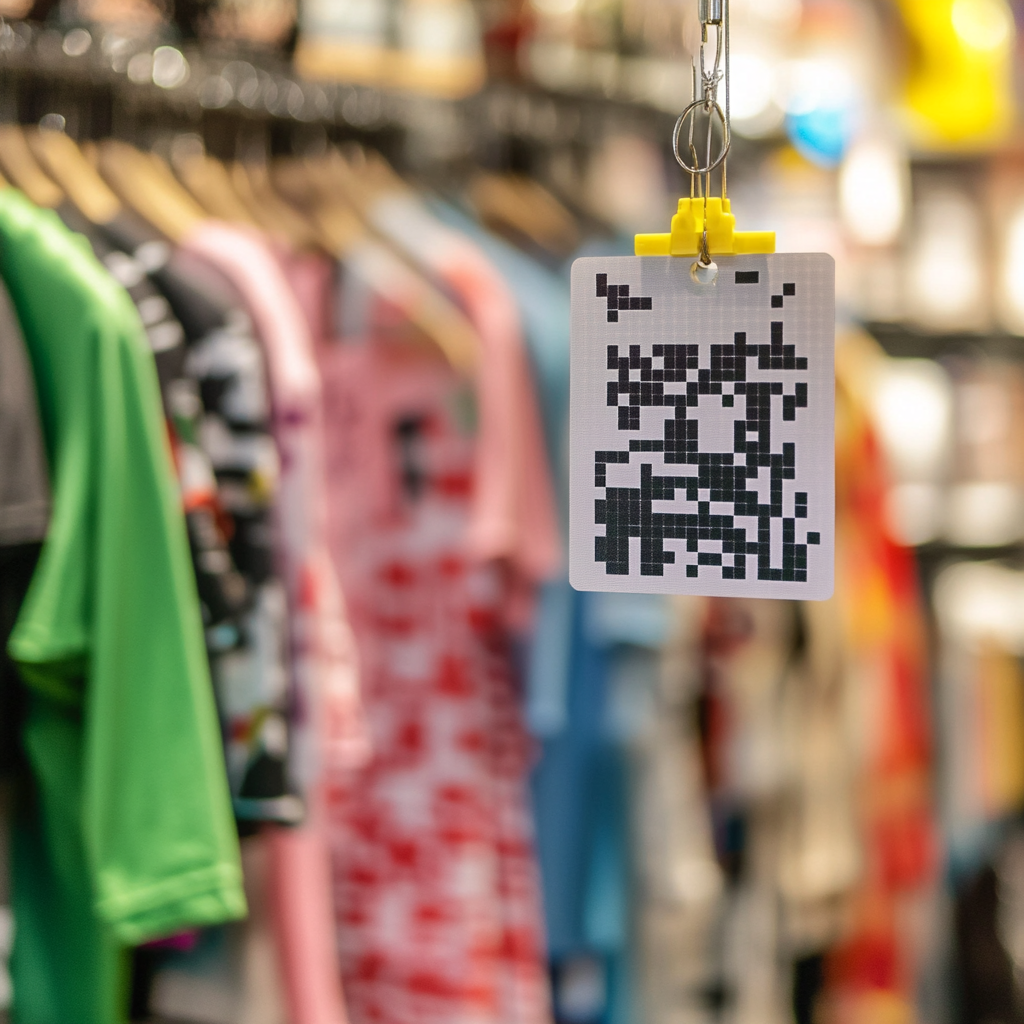
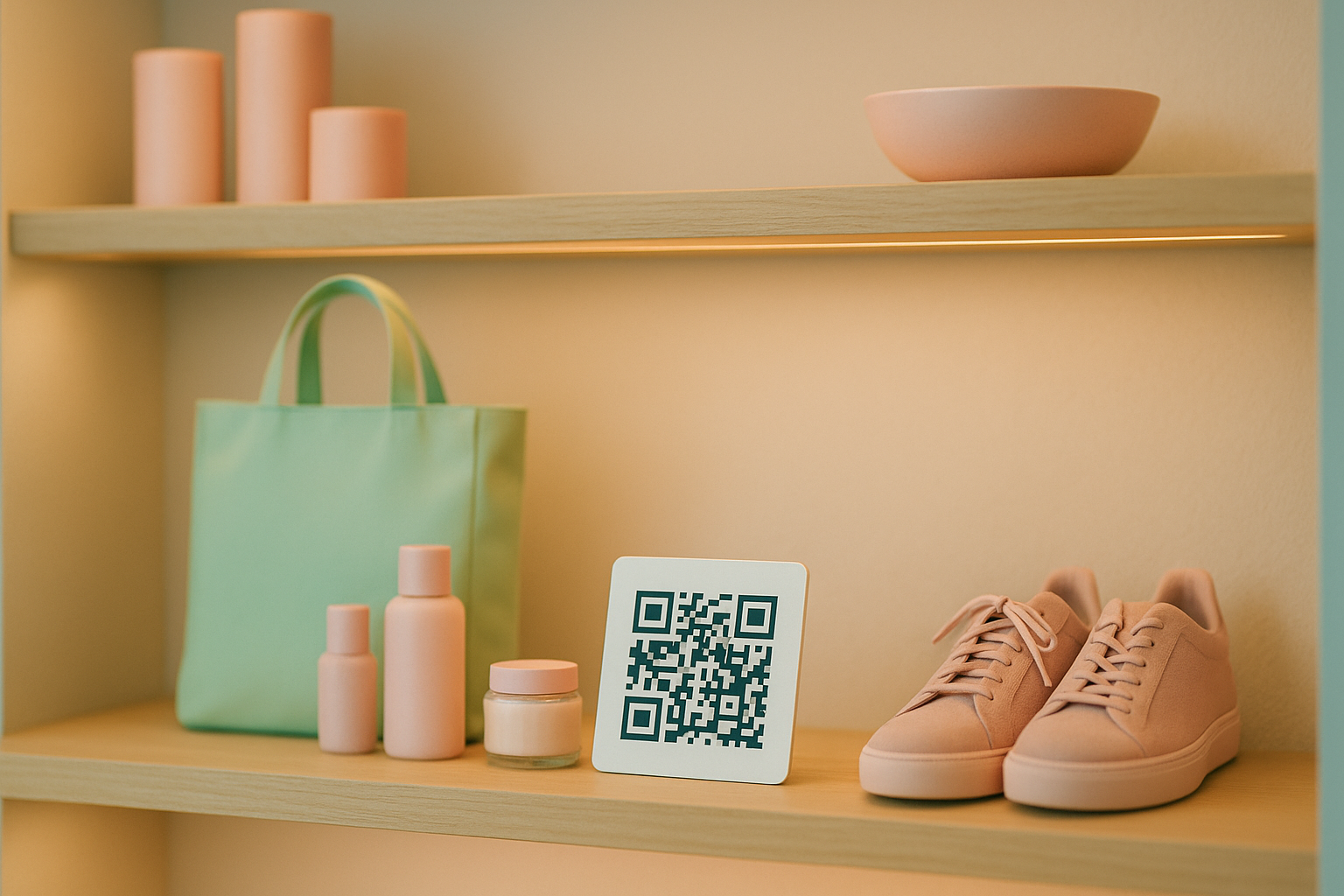
The breakthrough for temporary retail isn't better POS hardware. It's no POS hardware. What if your entire payment system was a printed QR code stuck to the wall, and every customer's phone became the checkout?
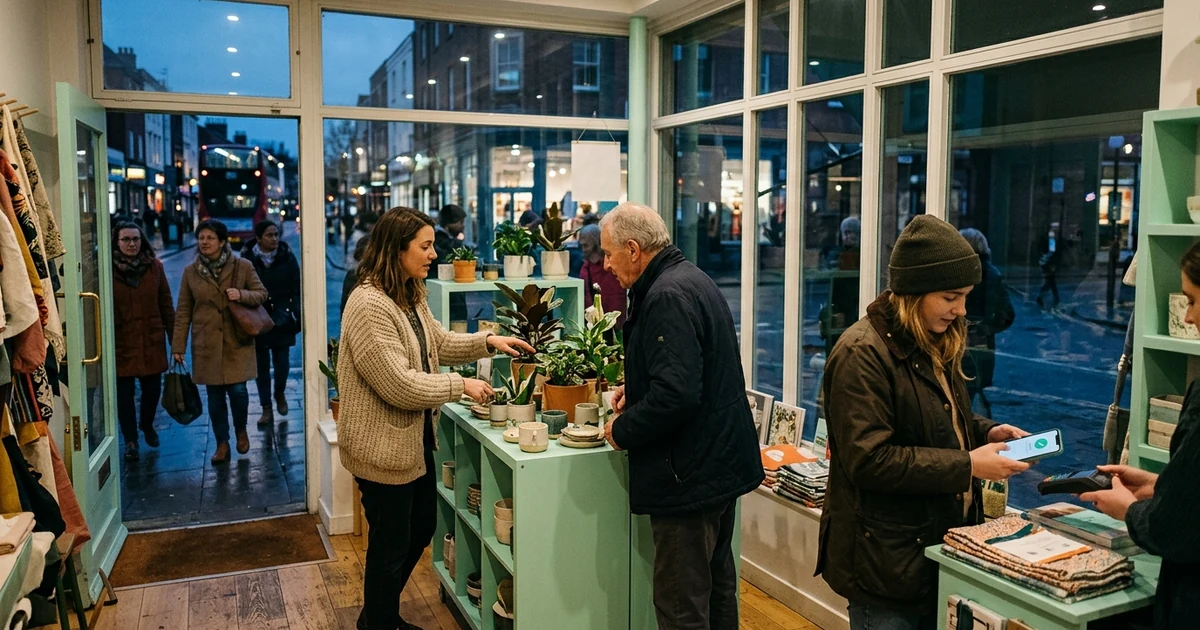
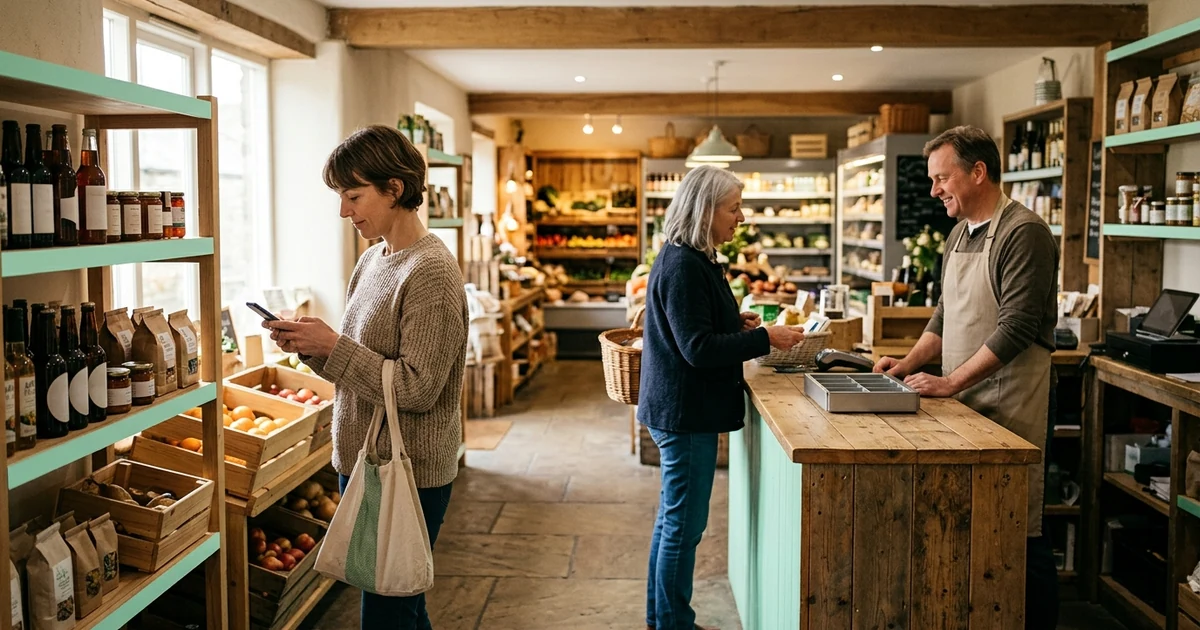
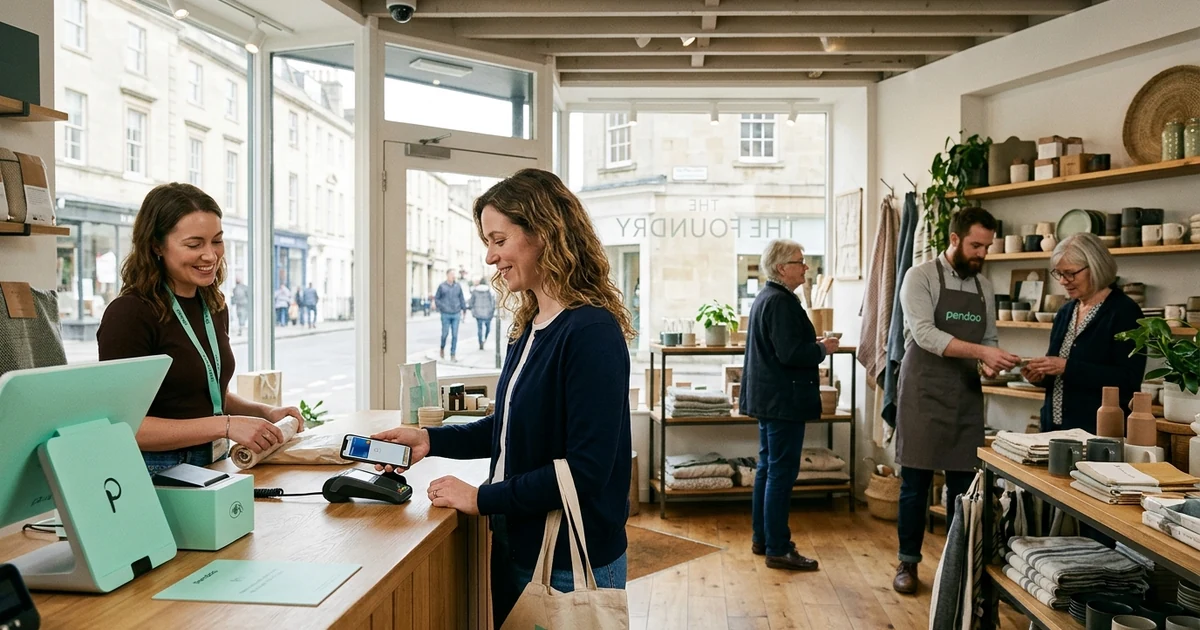
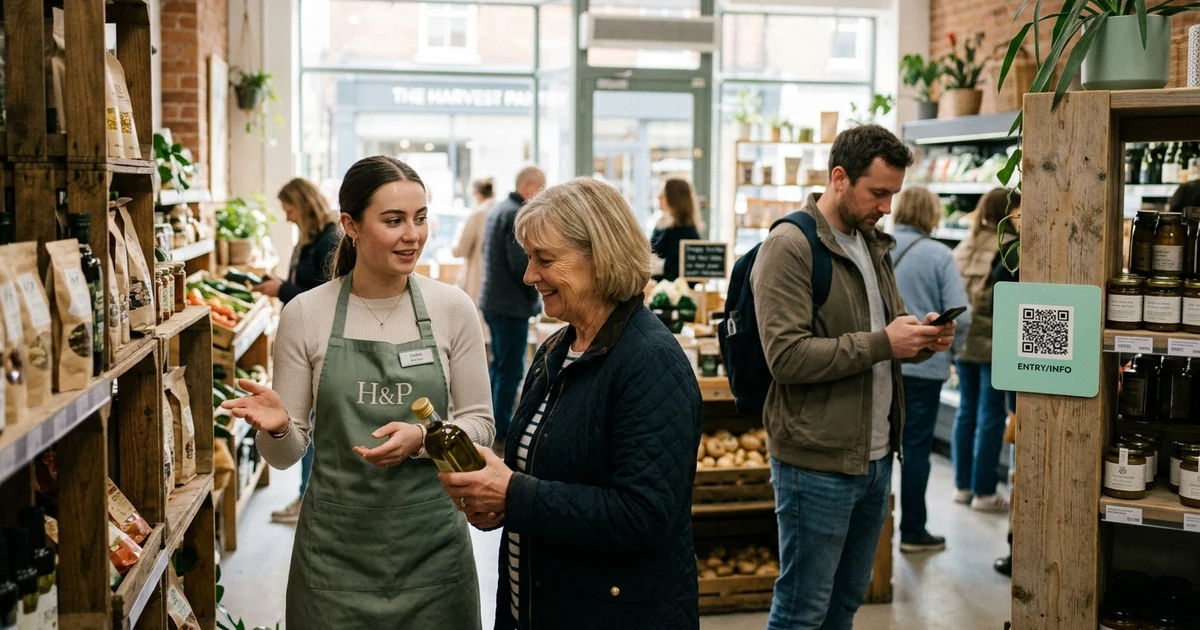
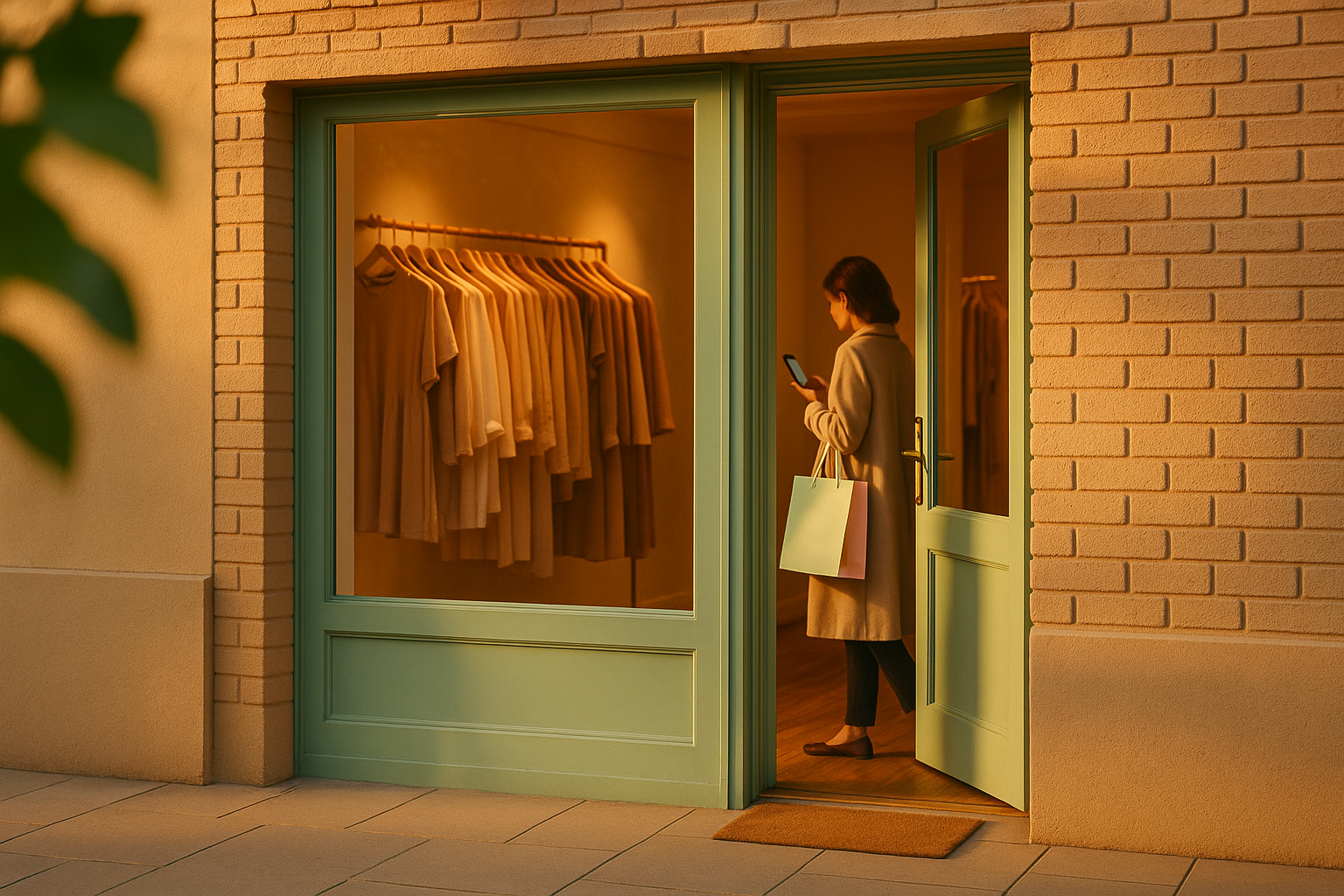
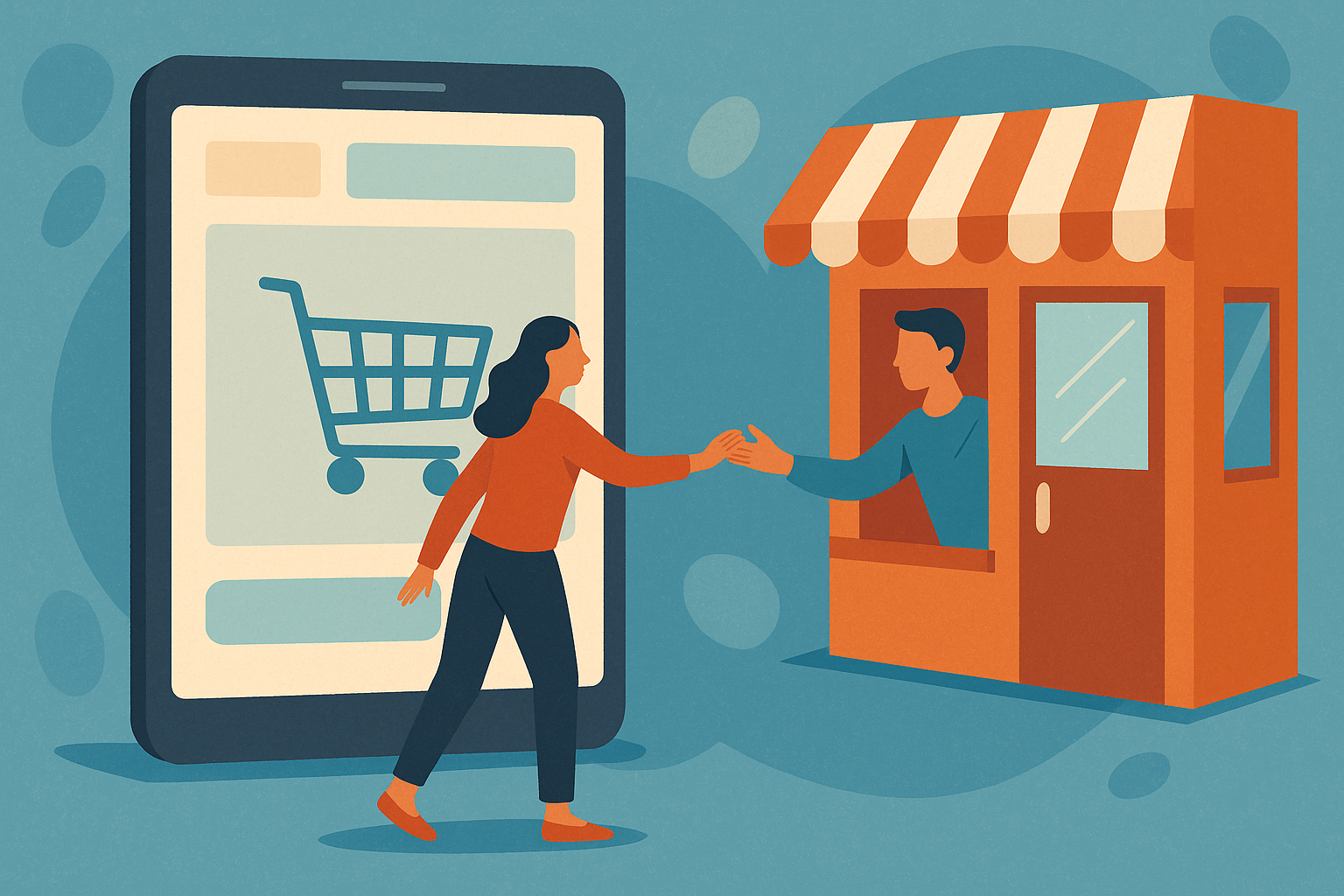
That's exactly how Pendoo works. Your customers scan the code when they walk in—no app download, it opens instantly in their browser. They scan product barcodes as they browse. Their cart builds in real time on their phone. They pay using Apple Pay, Google Pay, or any payment method they prefer. The sale is complete. No till. No terminal. No staff member required to process the transaction.
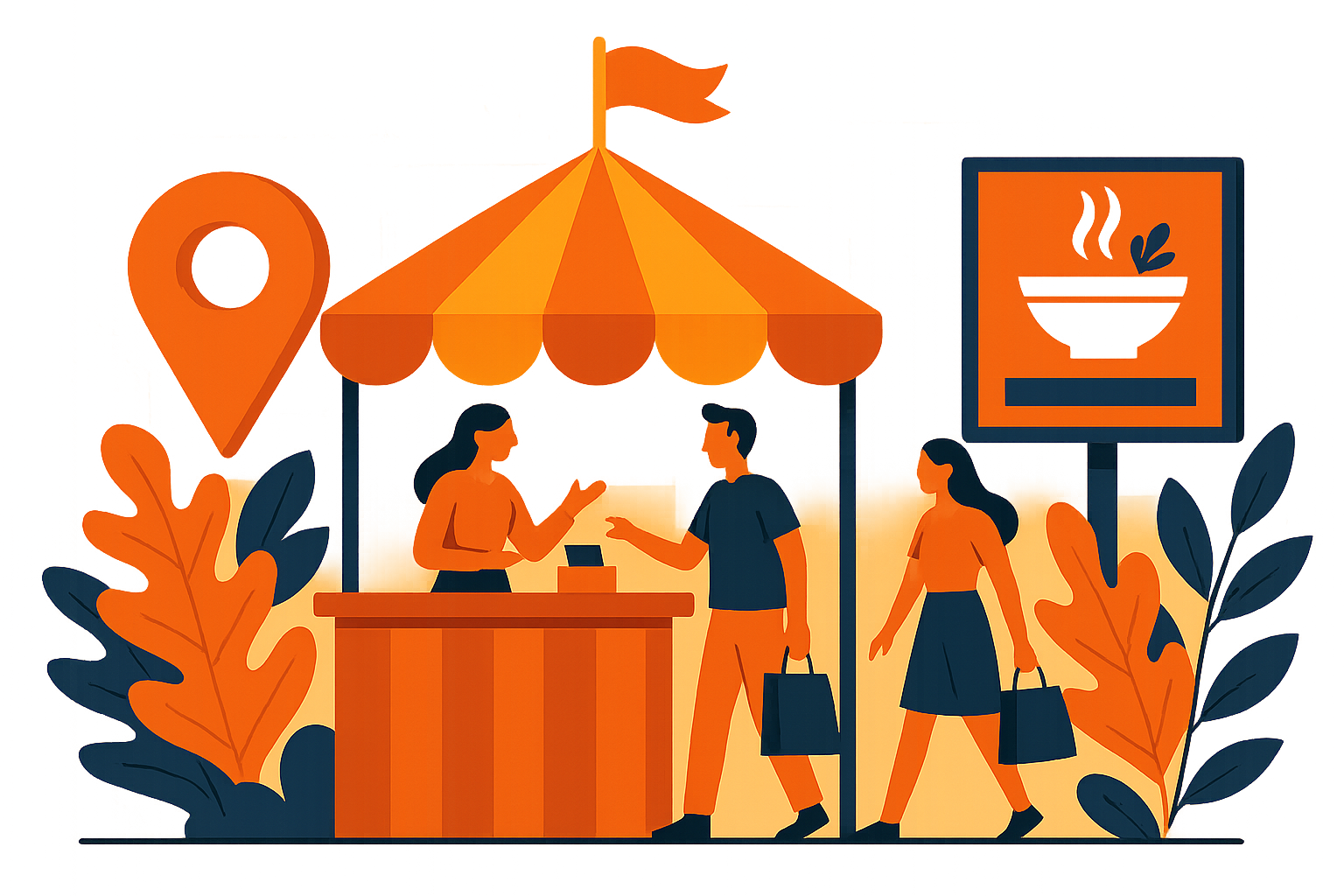
Pendoo is browser-based scan-and-go self-checkout built for Shopify retailers with physical stores—including temporary ones. Because it requires zero hardware and runs entirely on the customer's device, the entire infrastructure cost of your pop-up becomes a printed QR code. You can set up a fully functioning retail location in a market stall, a lobby, a festival booth, or a short-term lease with no more payment infrastructure than a piece of paper.
Every sale creates a Shopify order. Inventory decrements in real time. Customer details are captured passively during payment. Your online store, your permanent location, and your pop-up all share a single accurate view of stock and sales, with no manual reconciliation. If you're running multiple pop-ups simultaneously—say, testing three neighborhoods at once—each one gets its own QR code and its own attribution. You know exactly which location performed and which didn't.
The Operational Freedom That Changes the Math
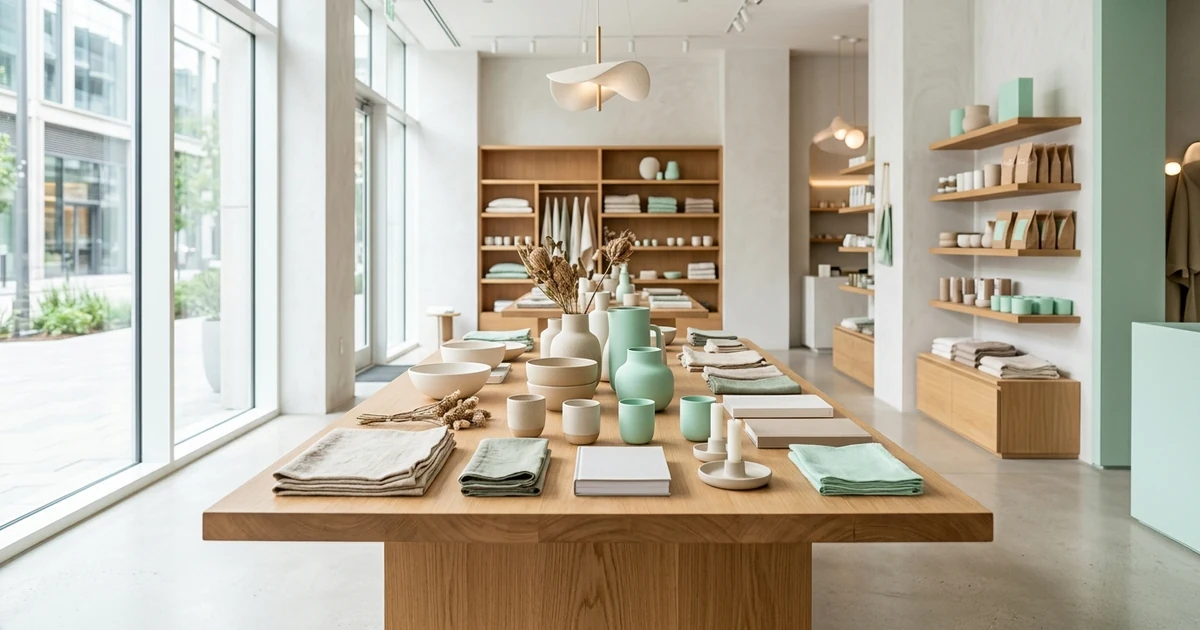
When infrastructure cost drops to near zero, the entire decision-making framework around pop-ups shifts. Locations that were previously too small, too short, or too uncertain become viable. A two-day weekend trial? Worth doing. A booth at an event? No longer margin-negative. A partnership with another brand where you share floor space? Suddenly easy to coordinate because you're not negotiating who controls the register.
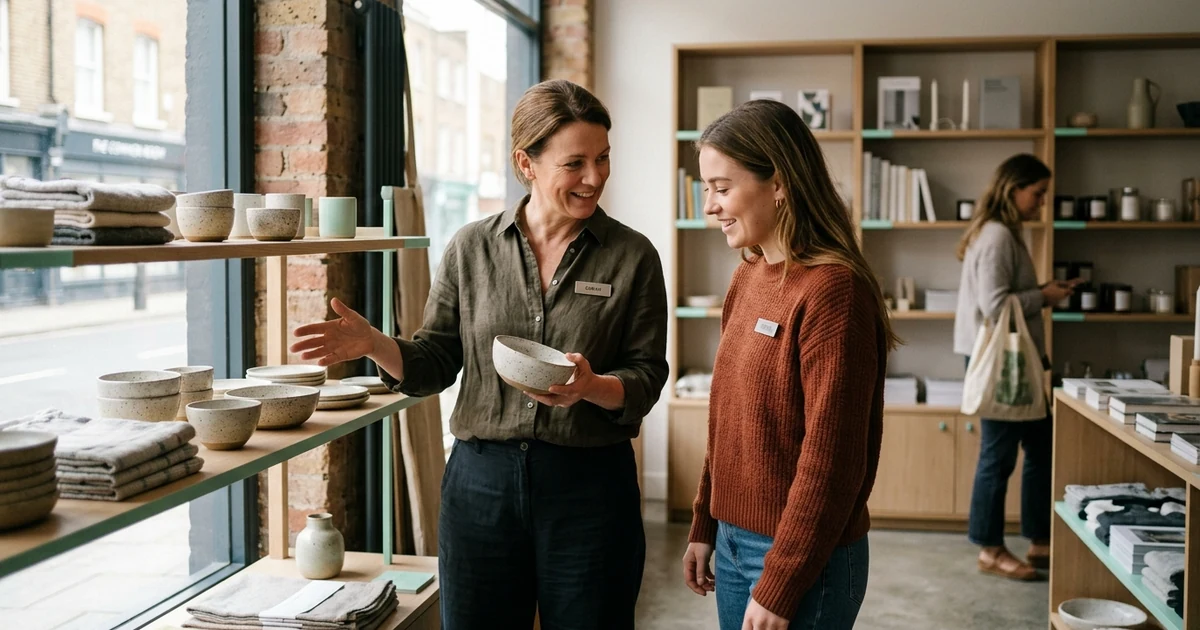
Staff allocation changes too. Without a fixed checkout point, your team isn't stationed behind a counter—they're on the floor, talking to customers, explaining products, building relationships. That's where the value is. Scan-and-go customers typically record 10–25% higher basket sizes than traditional checkout customers, and a significant driver is the quality of engagement they receive when staff aren't stuck processing payments.
Pendoo also solves the payment method complexity that kills international or tourist-heavy pop-ups. It automatically presents locally preferred payment methods based on the customer's location and your shop's currency: MobilePay in Scandinavia, Klarna in Sweden, Revolut Pay across Europe, Apple Pay and Google Pay everywhere. You configure nothing. It just works in 100+ currencies.
And because Pendoo routes payments through Stripe rather than being processed as a Shopify Payments transaction, you avoid the 0.5–2% transaction fee Shopify charges on third-party payment providers. Over the course of even a short pop-up doing reasonable volume, that's a calculable saving that drops straight to your margin.
From Cost Center to Revenue Engine
Pop-ups shouldn't be marketing stunts you tolerate. They should be revenue engines you deploy strategically. The only thing standing between those two realities is infrastructure cost.
When the barrier to opening a temporary location becomes a printed QR code rather than a hardware deployment, you stop thinking about pop-ups as experiments and start thinking about them as scalable tools. You can test a new city without committing to a lease. You can validate demand for a product line before manufacturing at scale. You can create a brand presence at an event without the operational burden making it unprofitable.
The format that should be retail's most flexible tool finally becomes one. Curious how a QR code could replace your entire payment setup? Visit pendoo.io and see how scan-and-go turns temporary retail into something actually worth doing.
Like what you read?
Sign up and start running your store on your terms — free plan available.