When Your Best Display Work Stops at Inspiration
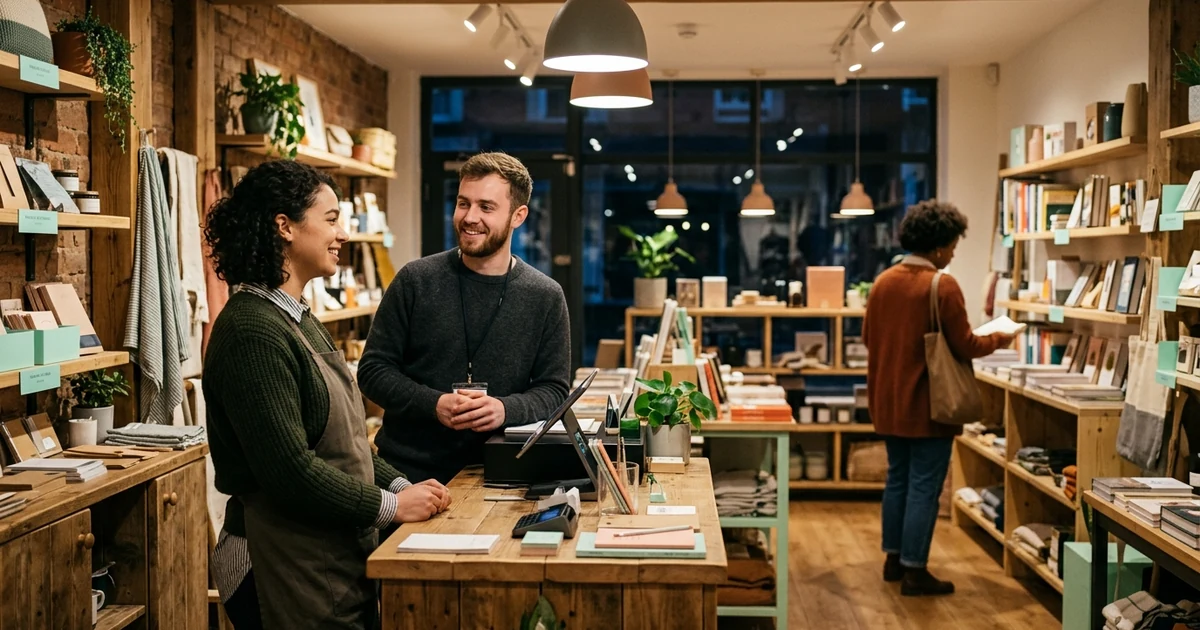
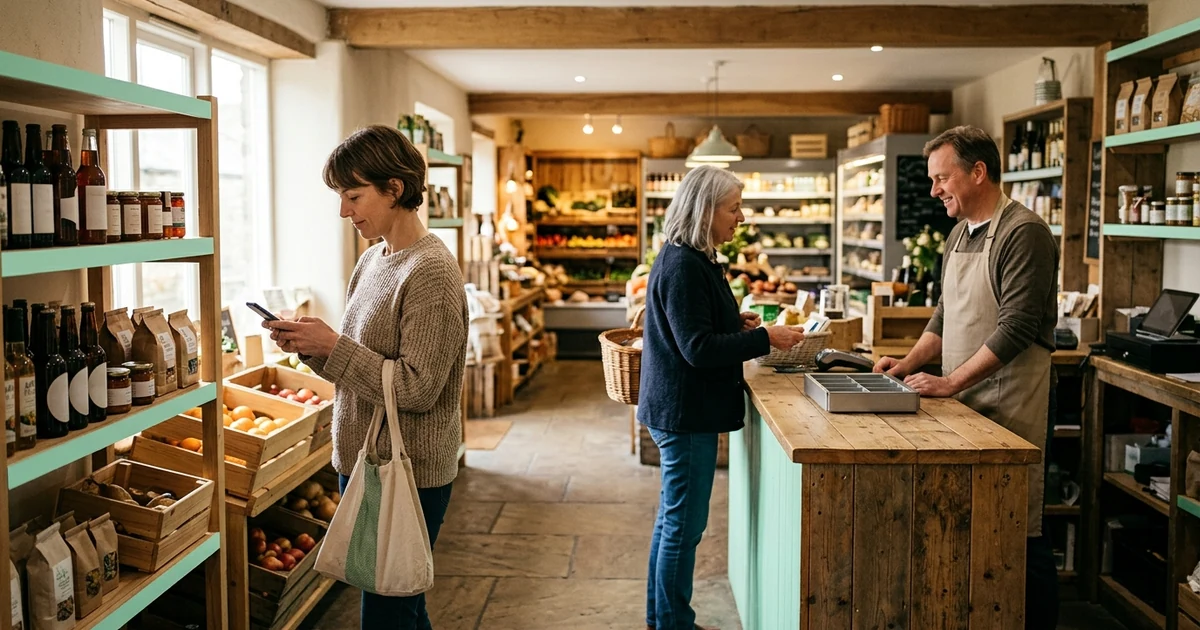
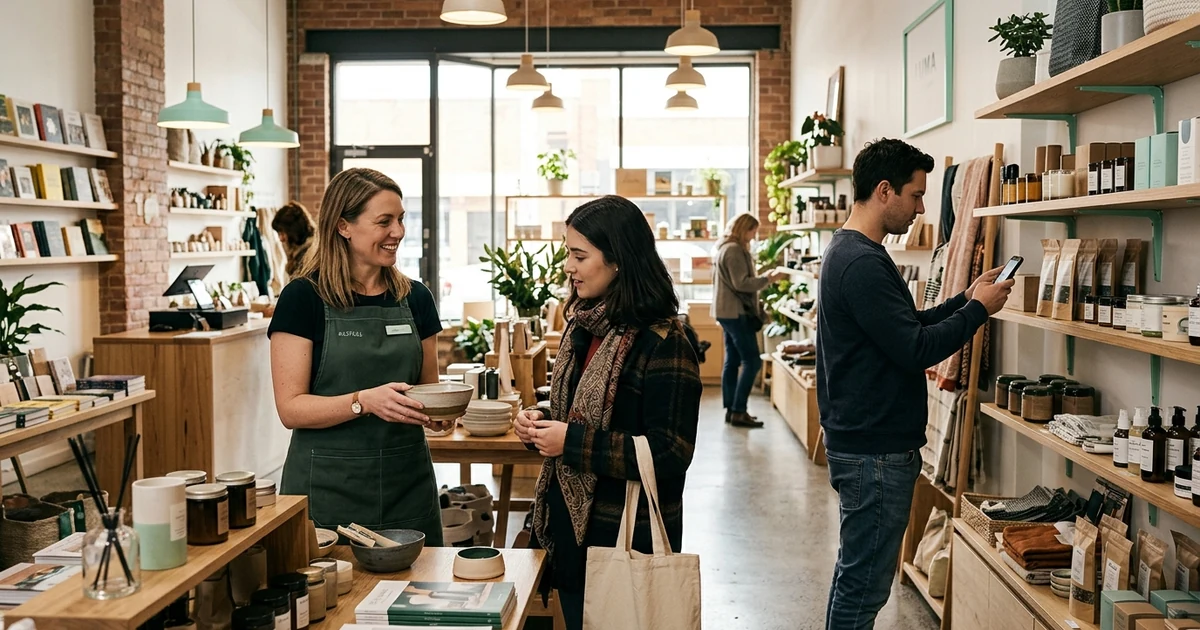
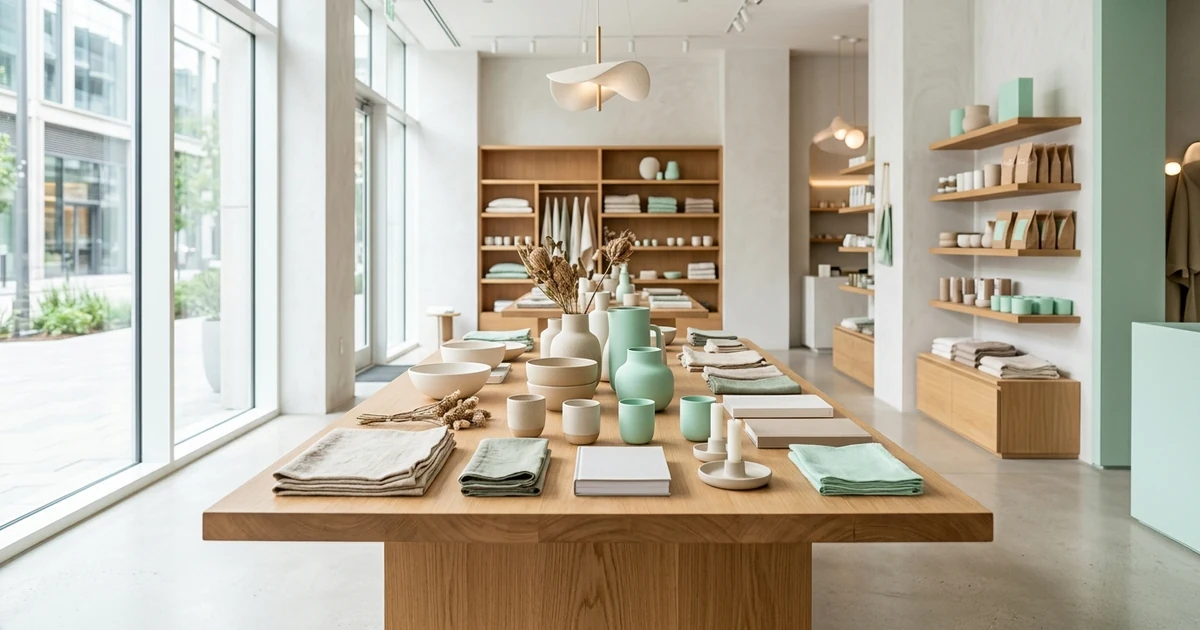
You've just finished setting up a feature wall. The lighting is perfect. The signage explains the product story beautifully. Customers stop, read, touch, photograph it for Instagram. They're clearly interested. But here's what happens next: they put the item back, make a mental note to "think about it," and move on. Maybe they'll come back. Probably they won't.
The display did its job—it captured attention and communicated value. But somewhere between that moment of desire and the till across the store, the sale evaporated. You've built the marketing moment brilliantly. You just haven't made it shoppable.
Retail has always treated merchandising and checkout as separate problems. One team makes things look compelling. Another team processes the transaction. The assumption is that if you do the first part well enough, customers will naturally complete the second. Except they don't. Not consistently.
The Structural Problem With Distant Checkout
Here's the reality: 65% of purchasing decisions are made in-store, and most of those are emotional, split-second judgments. A customer sees a product in context—styled with other items, positioned as a solution to a problem they just realized they have—and in that moment, they want it. That's the window.
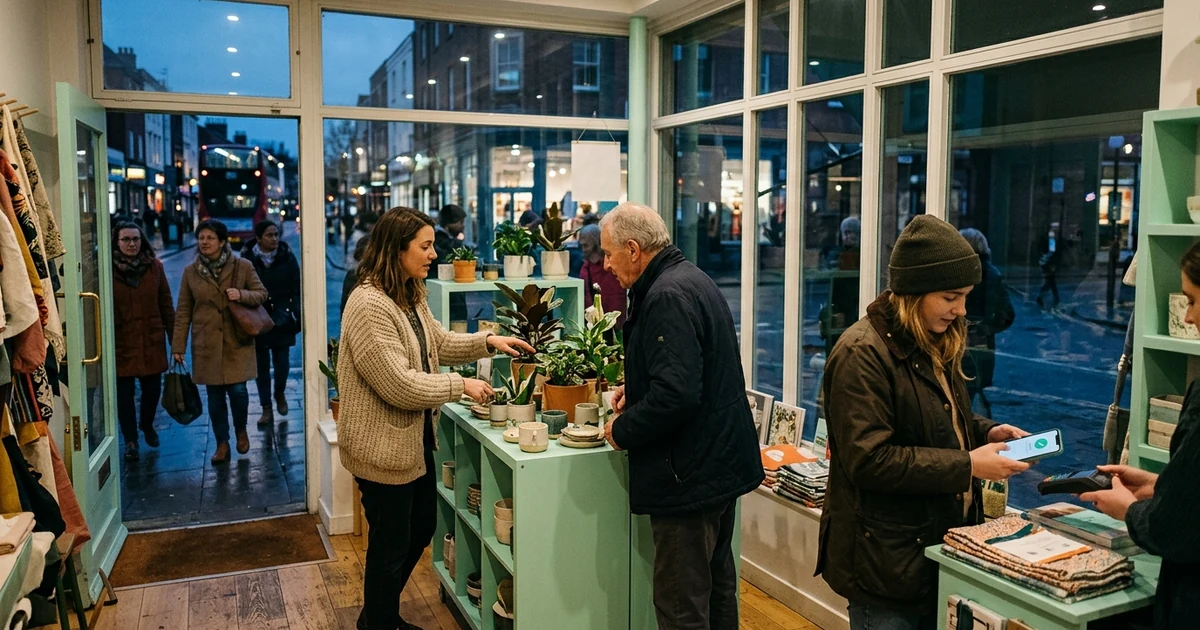
But checkout is a fixed point somewhere else in your store. Getting there means navigating around other shoppers, possibly standing in a queue, and waiting while the emotional momentum of the purchase slowly drains away. By the time they reach the till, they've had five minutes to reconsider. They've thought about their budget. They've questioned whether they really need it. The moment has passed.
The cruel irony is that the more effort you put into merchandising—the more expensive the display, the better the signage, the more strategic the product grouping—the more potential revenue you're leaving on the table. Research backs this up: customers who wait more than five minutes at checkout are 67% less likely to make unplanned purchases. That figure isn't about the queue itself. It's about what happens psychologically when you insert friction between desire and purchase. Impulse dissolves. Rationality takes over.
What If the Display Could Close the Sale?
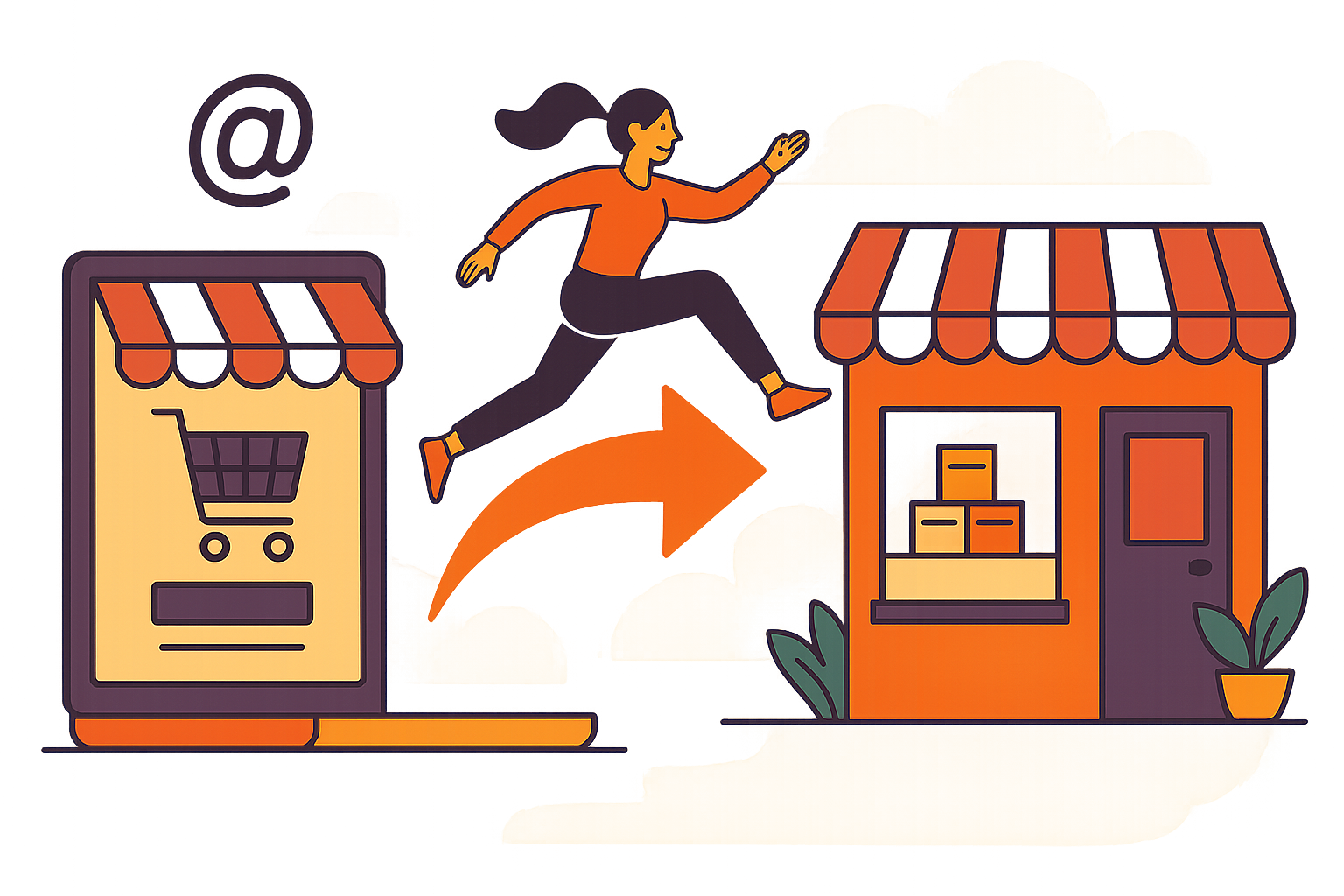
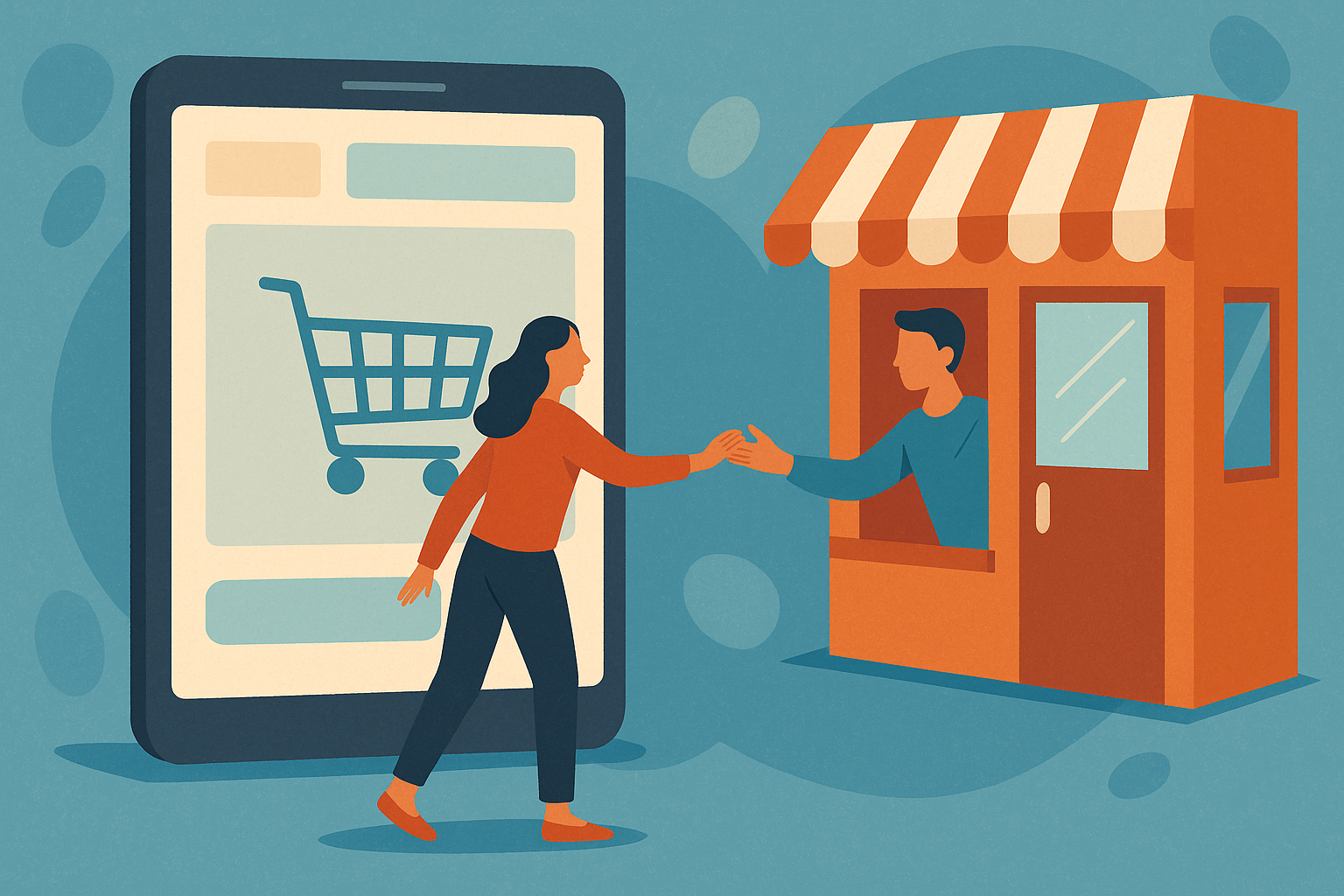
The fix isn't better signage or more persuasive merchandising. It's making the display itself a point of purchase. The moment a customer picks up a product from your feature wall, that should be the moment they can buy it—right there, no detour required.
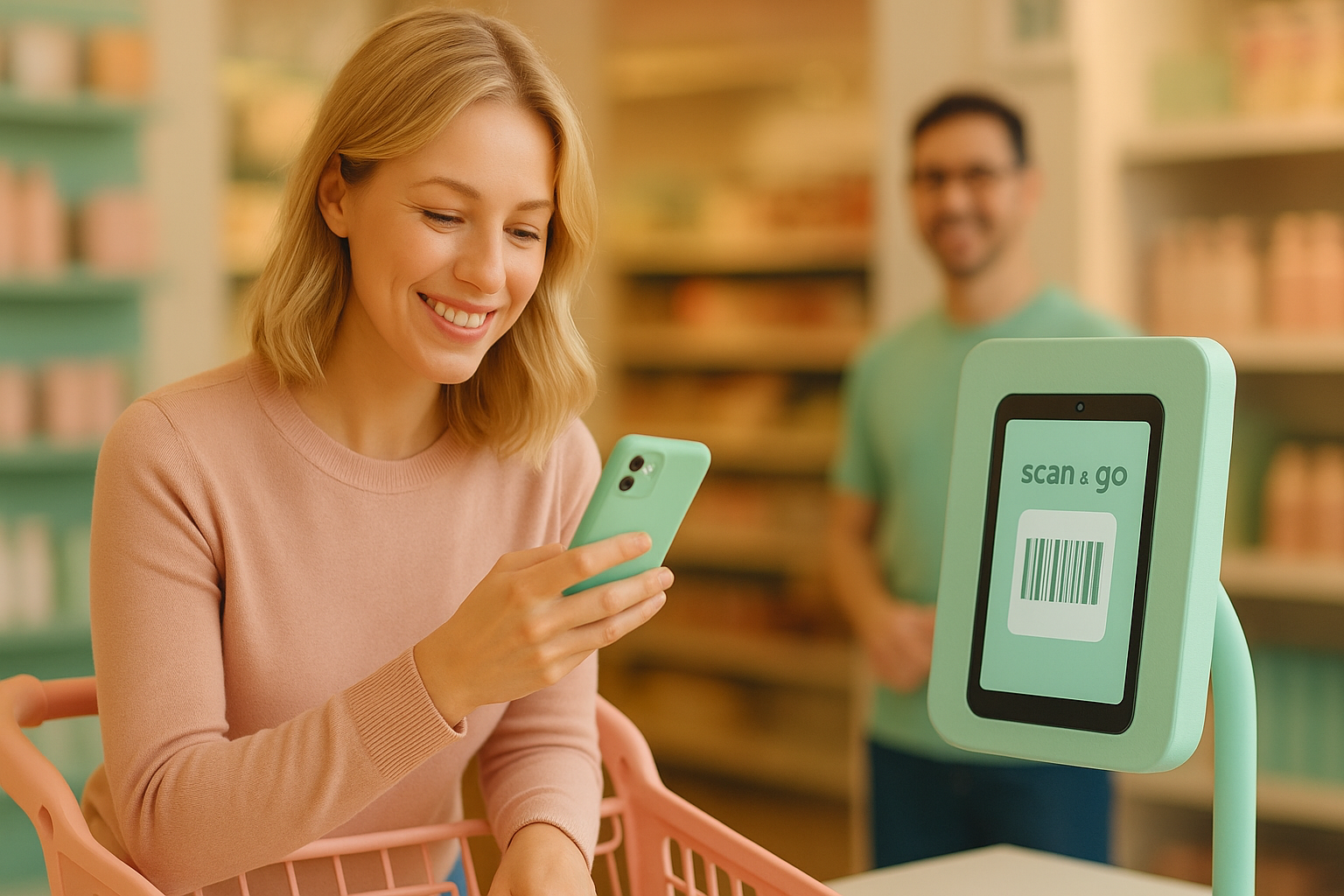
This is what Pendoo was built to do. It's a browser-based scan-and-go self-checkout platform that turns every product display, every shelf, and every feature installation in your store into its own checkout point.
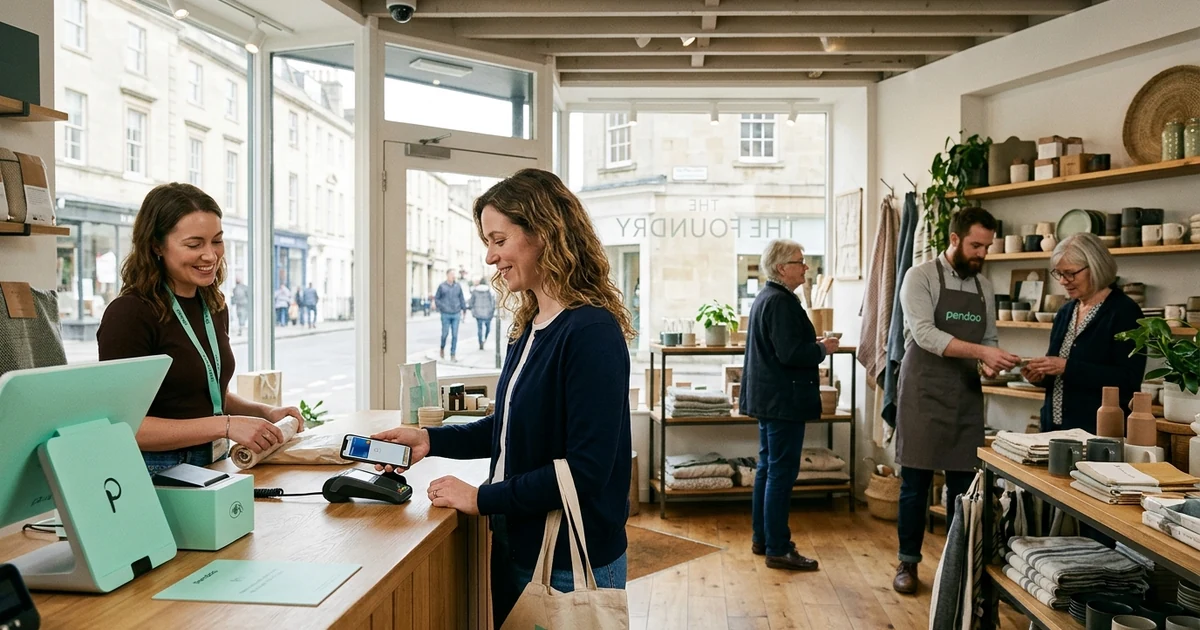
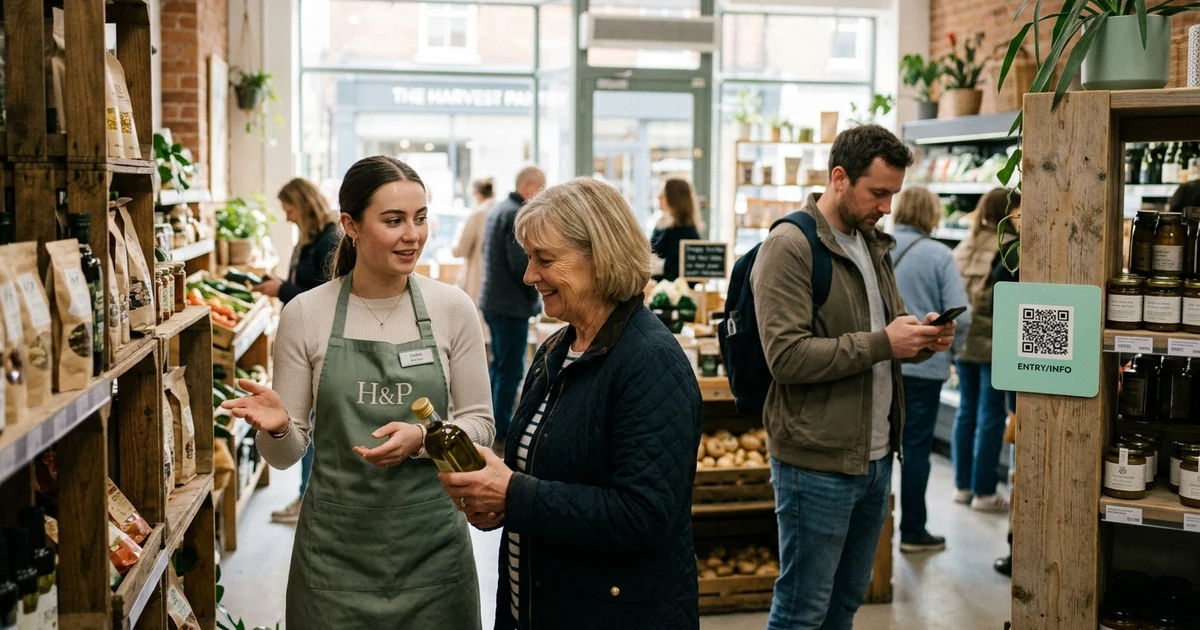
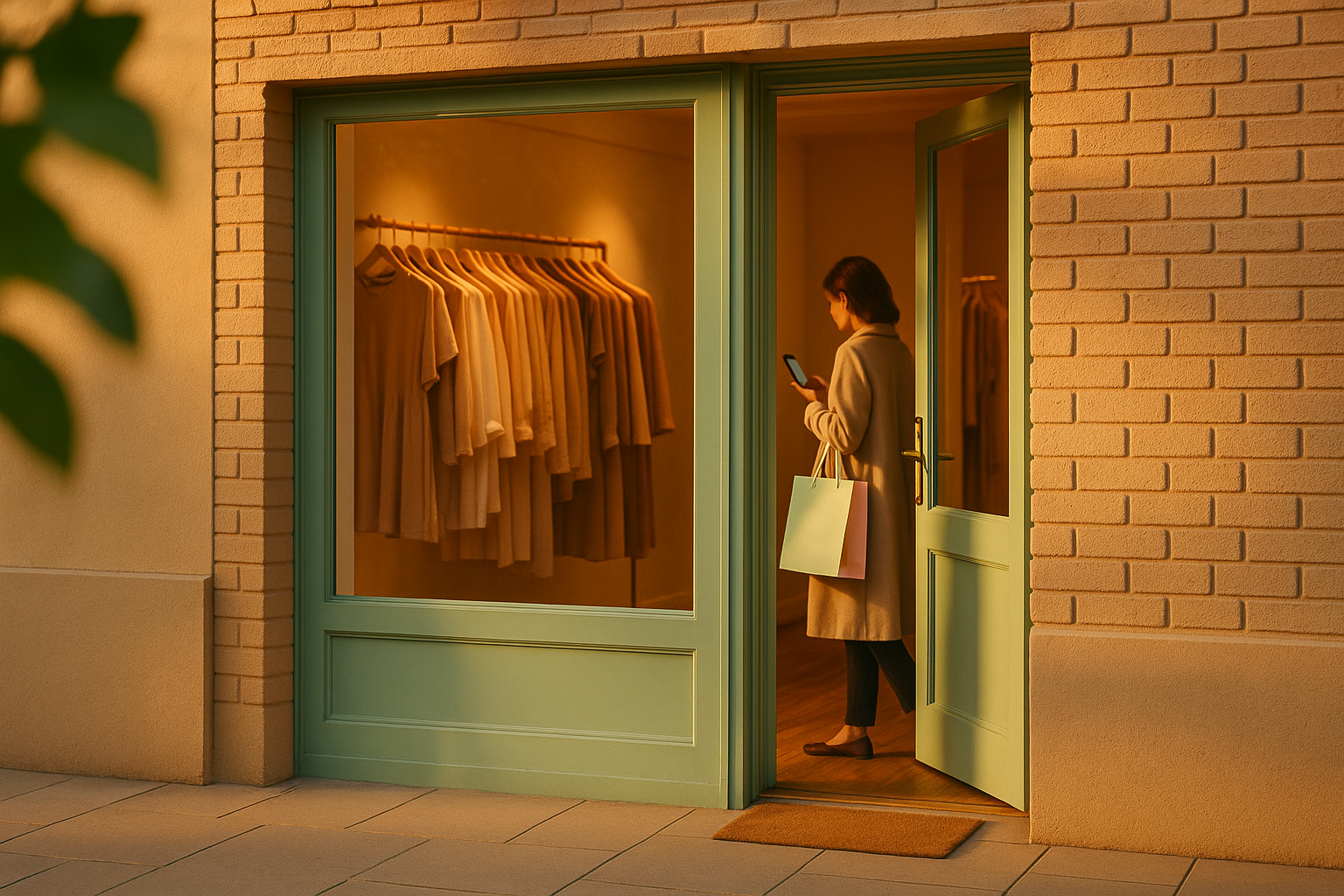
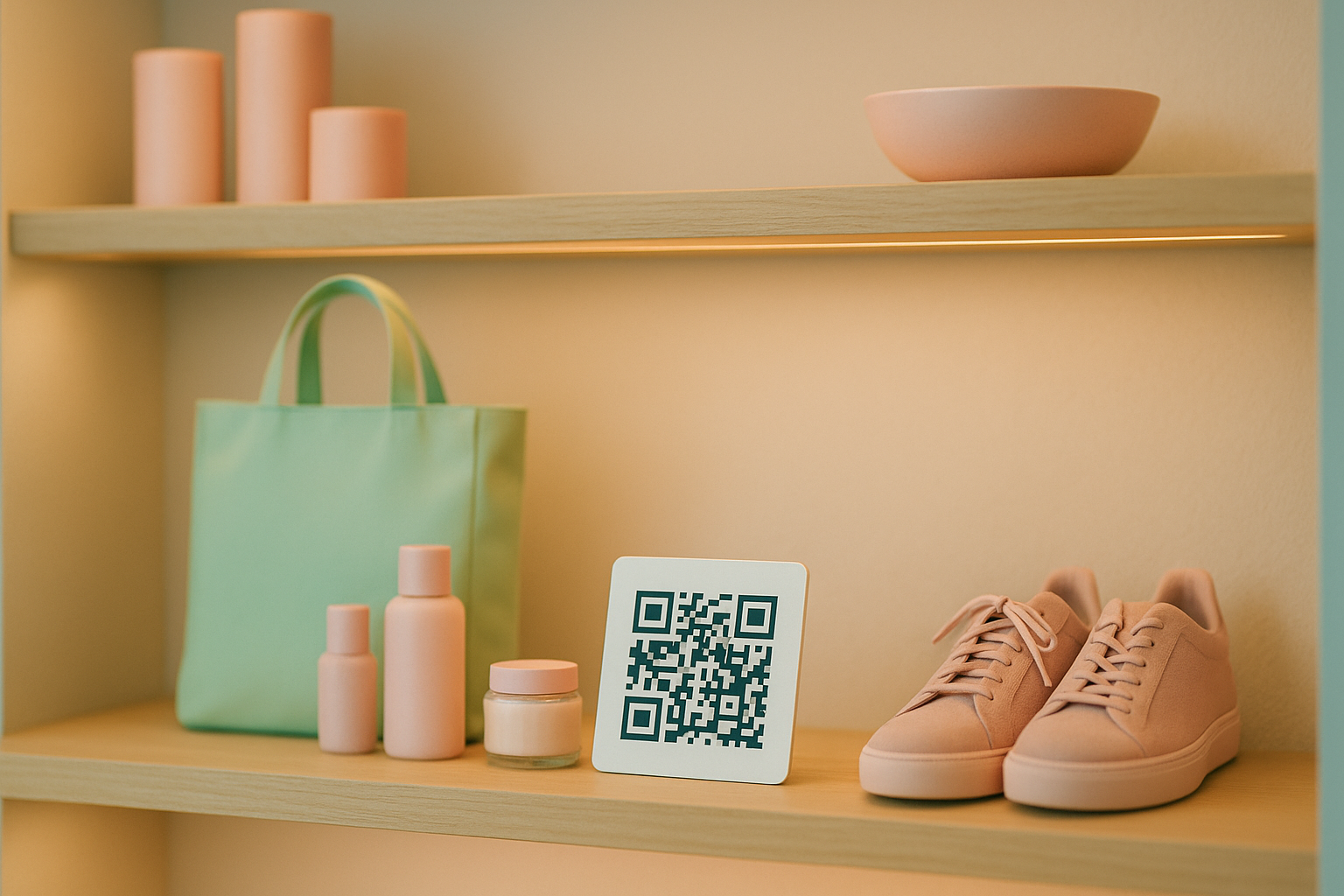
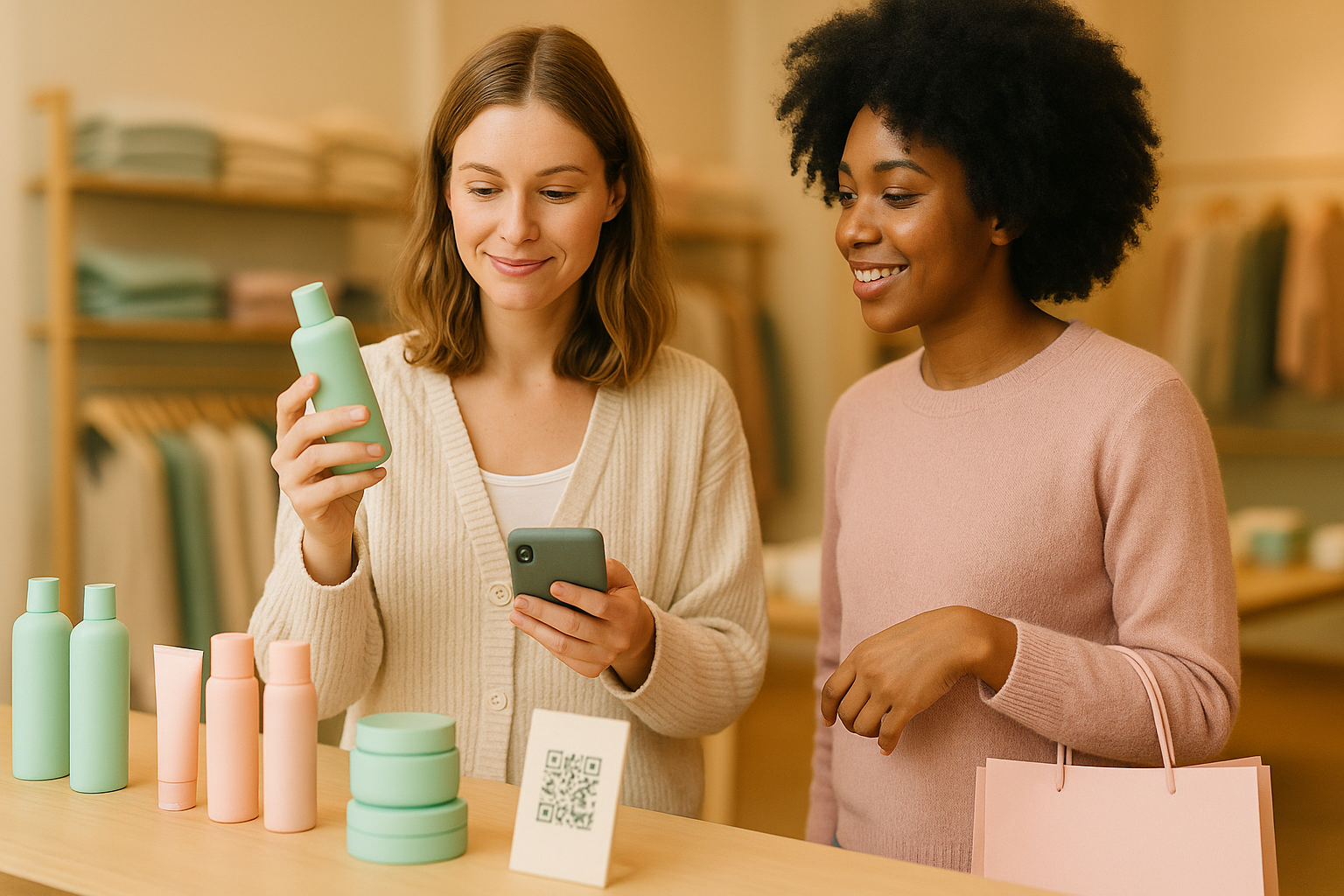
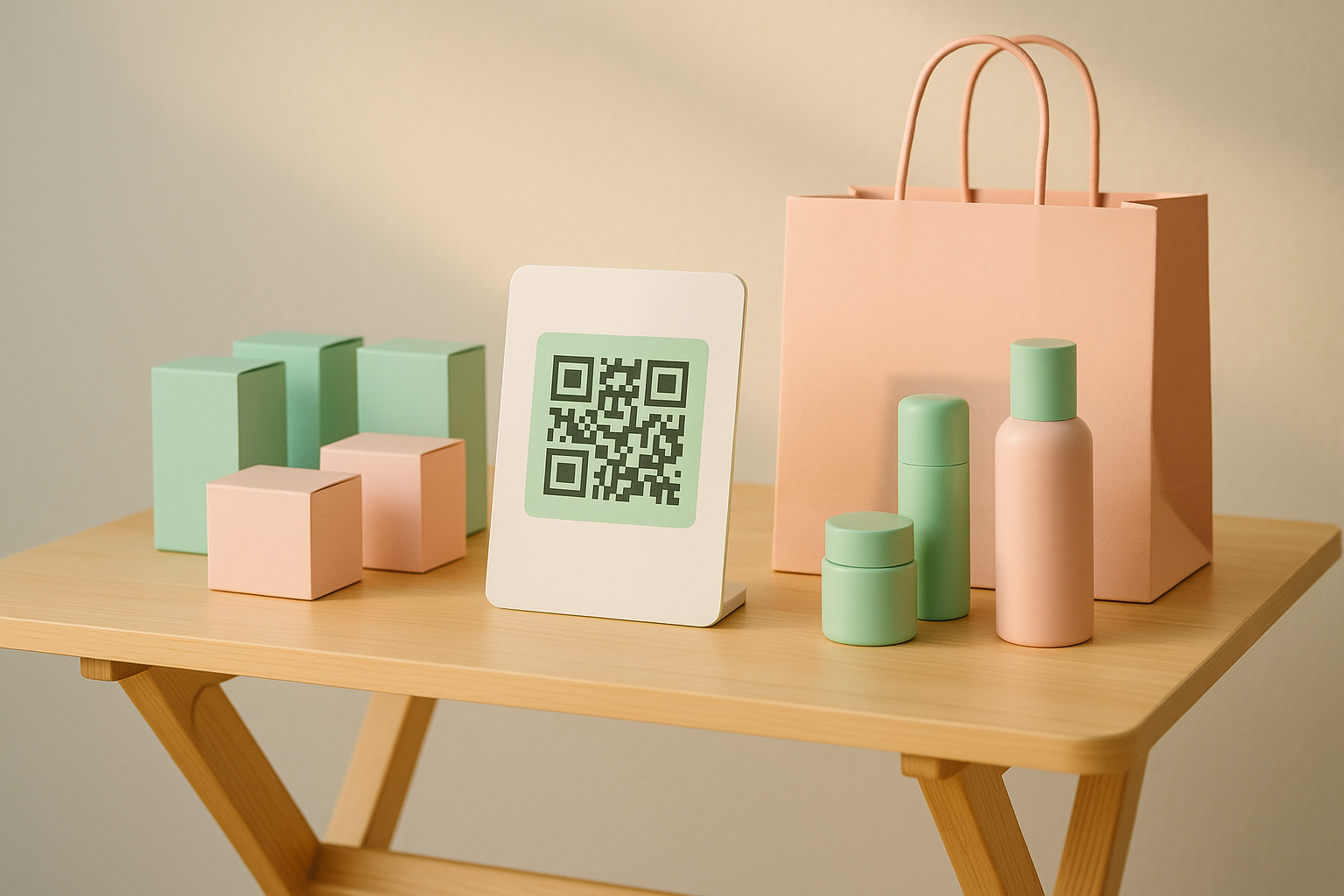
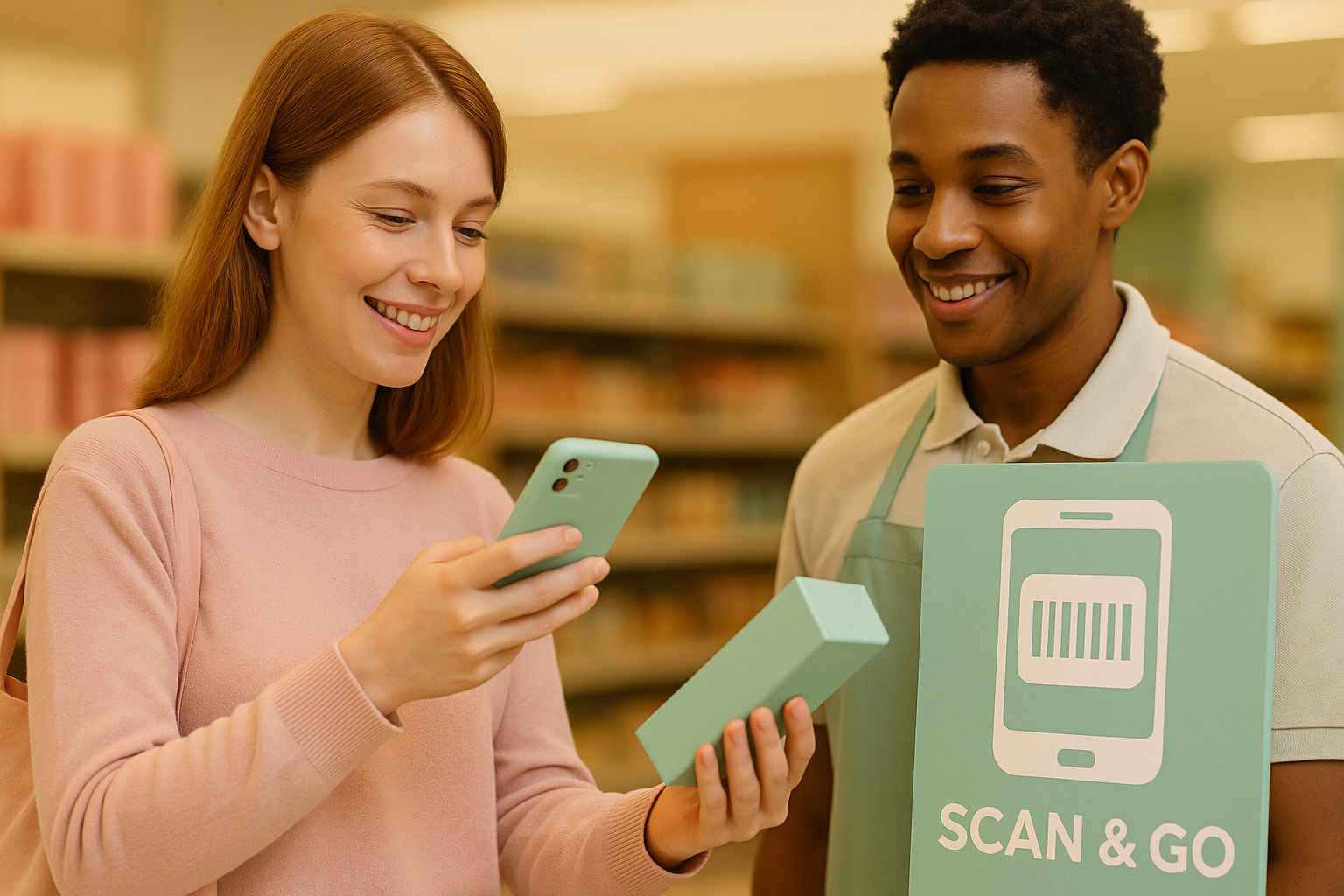
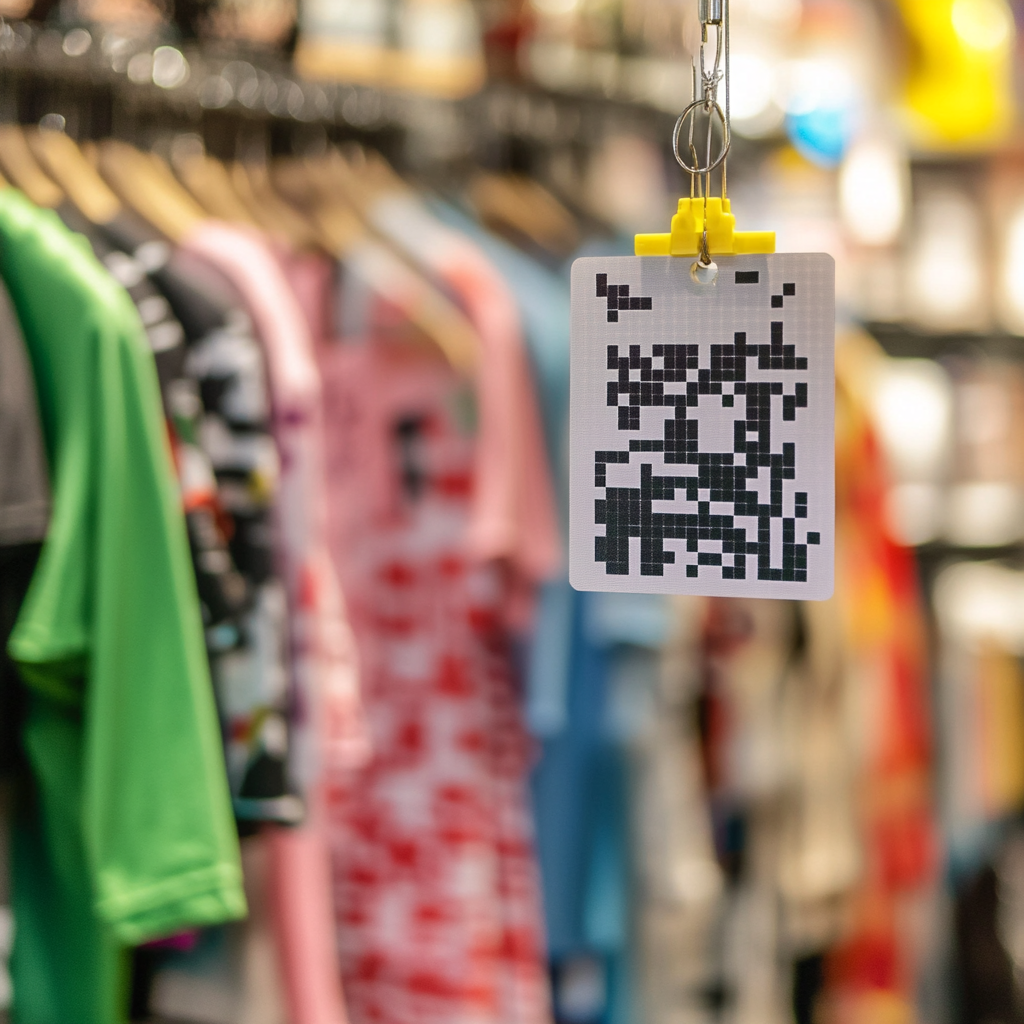
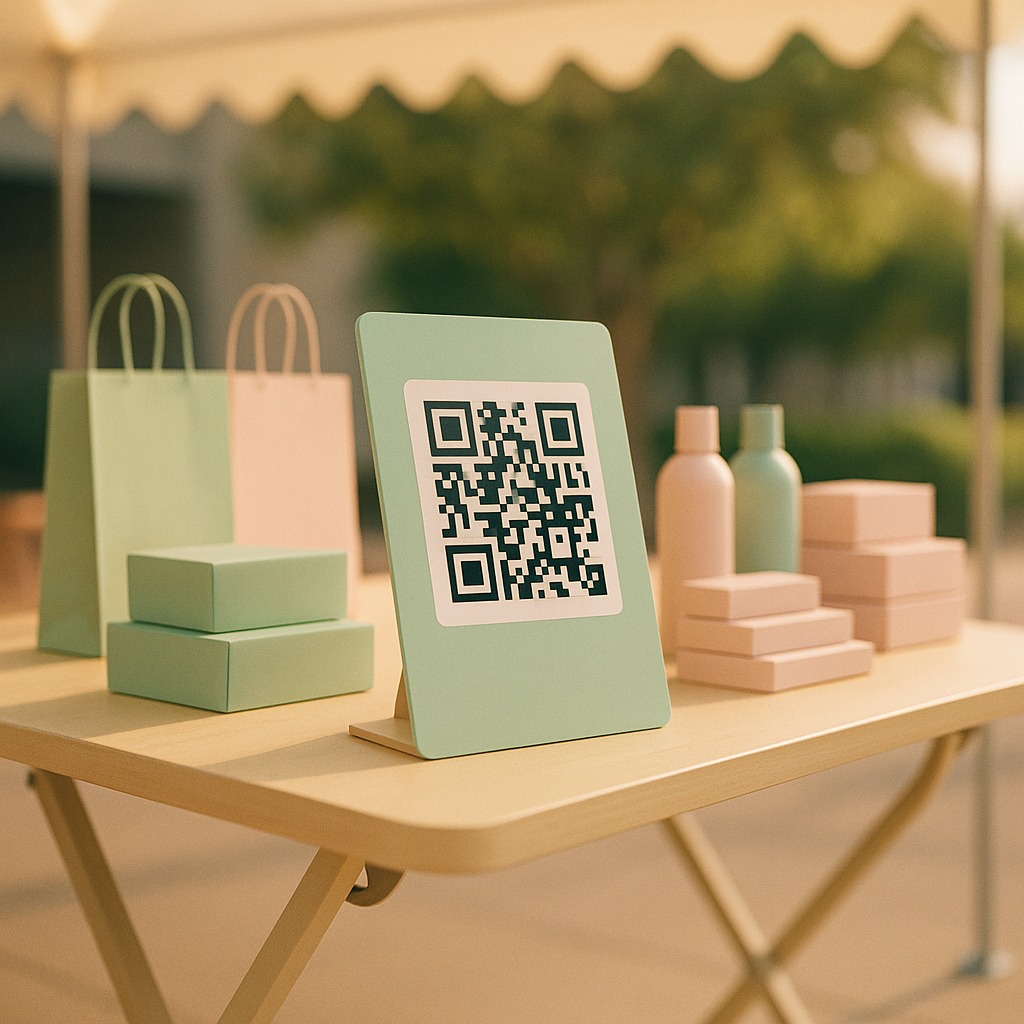
Here's how it works in practice. You place a QR code next to your display—on the signage, on a small stand, printed on a shelf talker. A customer scans it with their phone. Pendoo opens instantly in their browser. No app download. No account creation. They scan the product barcode, the item appears in their cart, and they pay using Apple Pay, Google Pay, or their preferred payment method. The entire transaction happens in under a minute, and they never leave the display.
You've just collapsed the distance between inspiration and purchase to zero. The display doesn't end at engagement anymore—it ends at a completed sale.
What This Actually Changes
The first thing you'll notice is that impulse purchases stop leaking. Customers who would have put an item back "to think about it" now buy it on the spot because the friction is gone. The second thing is that your merchandising investment starts converting at a higher rate. That feature wall you spent three hours setting up? It's no longer just driving awareness—it's driving revenue directly. Scan-and-go customers typically record 10-25% higher basket sizes compared to traditional checkout, and a meaningful portion of that increase comes from impulse purchases that would have otherwise been abandoned.
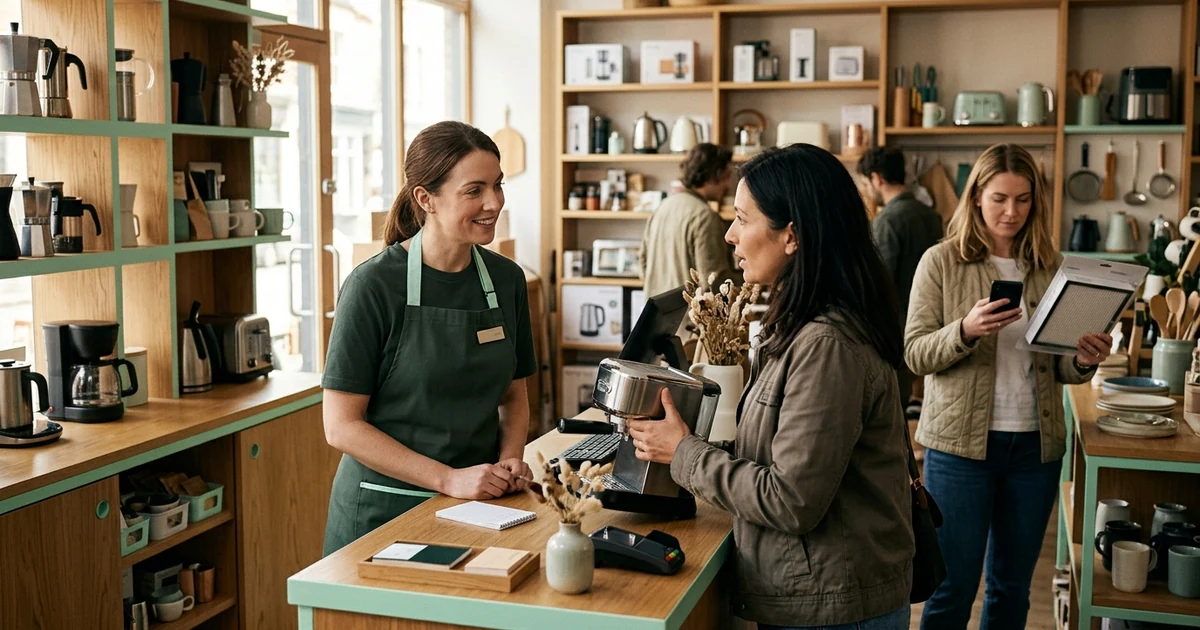
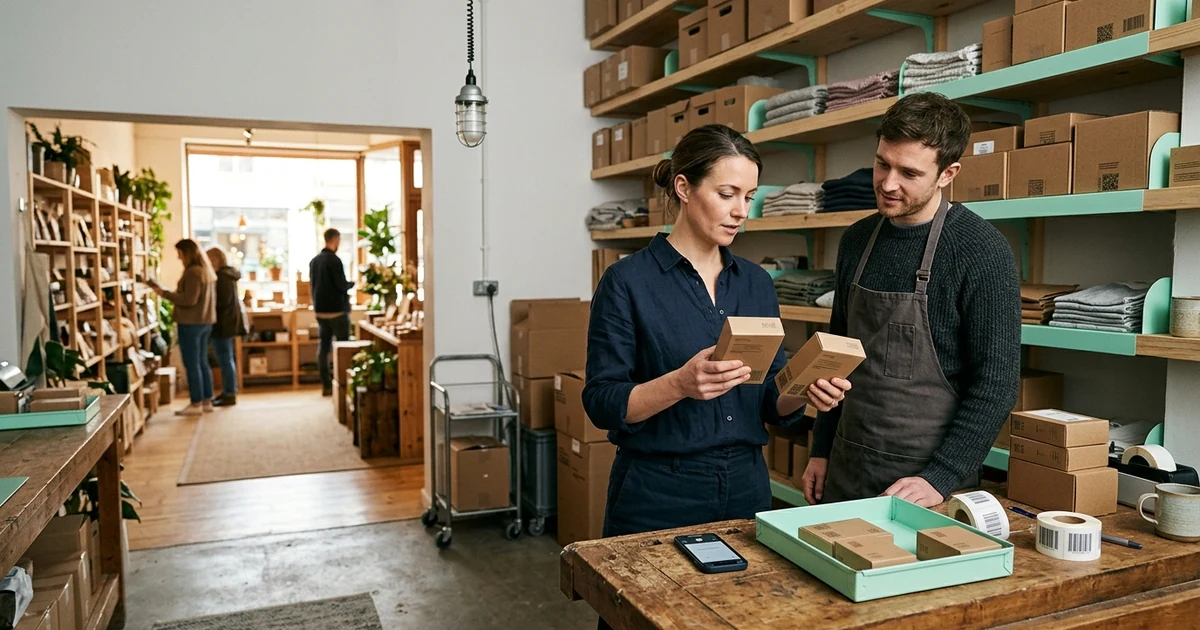
There's also a subtle but powerful reallocation of your team's time. When checkout is distributed across the store instead of concentrated at a single point, your staff aren't tied to a till. They're freed up to do the high-value work: answering product questions, building outfits, cross-selling, restocking the floor. Staff-assisted selling consistently produces higher average transaction values than unassisted—but only when your team has the time to do it.
The Display Becomes the Destination
Retail has spent decades optimizing the path to purchase—store layouts designed to funnel customers toward checkout, endcaps positioned to catch last-minute impulse buys, strategic product placement near tills. All of that assumes checkout is a fixed, centralized location.
When you make displays shoppable in place, you stop optimizing for the path and start optimizing for the moment. The customer doesn't need to go anywhere. The sale happens where the desire happens. Your merchandising doesn't just communicate—it converts.
If you're investing in displays, signage, and product storytelling but treating checkout as something that happens later, you're building half the system. The other half is already here. Explore Pendoo at https://pendoo.io.
Like what you read?
Sign up and start running your store on your terms — free plan available.