A retailer looking to extend opening hours faces a practical question: how much extra staff time must every extra sale require? Moving suitable transactions onto customers’ phones offers one route. But there is a separate decision hiding inside that conversation: whether customers should still have another way to pay.
Those decisions should not be bundled together. Reducing dependence on a staffed till does not require treating every shopper as willing, equipped or able to use mobile checkout. Growth should widen the opportunity to buy, not quietly narrow the audience.
Cash acceptance is not following a straight line
The latest European evidence complicates the familiar story of cash steadily disappearing. In its 13 August 2026 survey release, the European Central Bank reported that 92% of companies with physical points of sale accepted cash. It described acceptance as rebounding after the decline observed during and after the pandemic.
That is not a measurement of how often shoppers actually use cash. Nor is it a UK retail statistic: the survey covers companies with physical points of sale across the euro area. Its useful lesson is narrower. Digital progress and continued cash acceptance are not mutually exclusive.
In Britain, LINK’s 6 March 2026 research announcement introduced a high-street cash acceptance report led by its independent Consumer Council, supported by the Federation of Small Businesses, Post Office and PayPoint. Its accompanying report overview explicitly frames payment choice and the risk of a two-tier high street as issues for policymakers and industry.
Separate transaction work from customer access
The operational opportunity is not simply to remove a payment method. It is to stop assigning the same amount of staff attention to every transaction, while keeping help accessible where it matters.
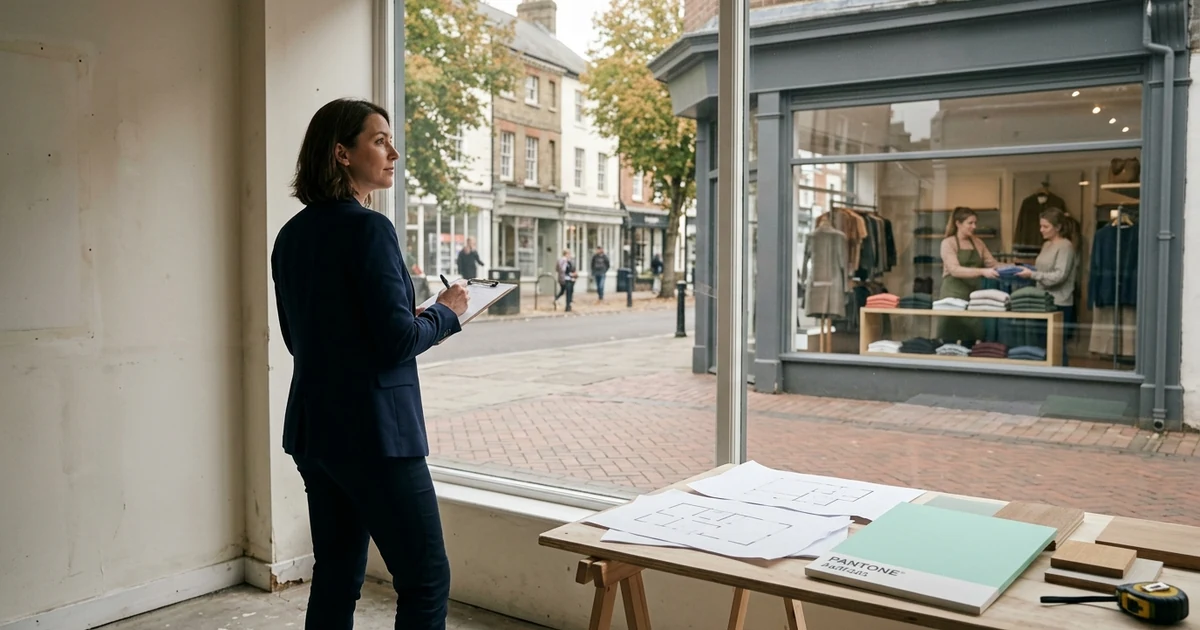
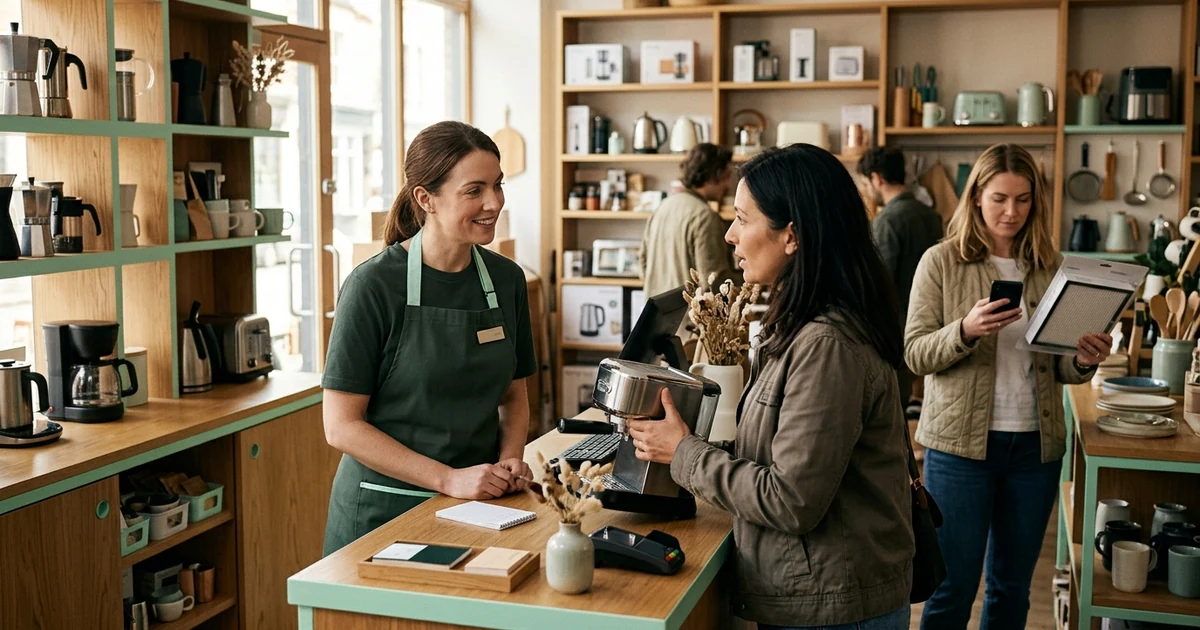
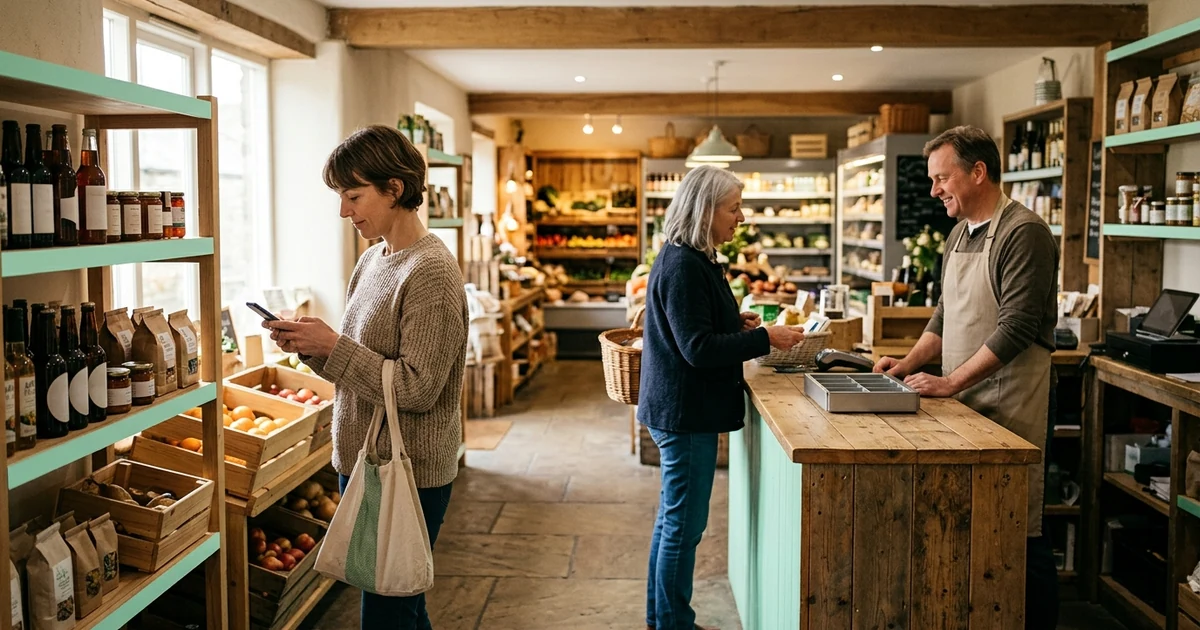
Consider a shop assessing a later closing time. Some customers might happily scan and pay independently. Others might need cash, reassurance or assistance. The useful retail staffing question becomes: what coverage would let both groups shop, without tying someone permanently to a till?
That does not make the remaining work disappear. Cash handling, customer assistance, replenishment and security still need an operating plan. A mobile transaction changes how payment happens; it does not establish that a store can safely or sensibly run unattended.
Test the exceptions, not just the easy purchases
A checkout pilot can look successful if it measures only completed mobile baskets. That leaves an important blind spot: the people who never start, abandon the process or ask someone else to finish it.
Before changing hours or expanding the selling area, make the evaluation broader:
- Record requests for another payment method, alongside completed mobile purchases.
- Track staff assistance and its causes, rather than assuming every mobile sale removes work.
- Check whether customers can find help without leaving their shopping behind.
- Compare the contribution from additional trading with all the coverage it requires.
The aim is not perfect adoption. It is a workable balance between easier transactions, useful human service and an operating cost the store can sustain.
Give mobile checkout a clear, limited job
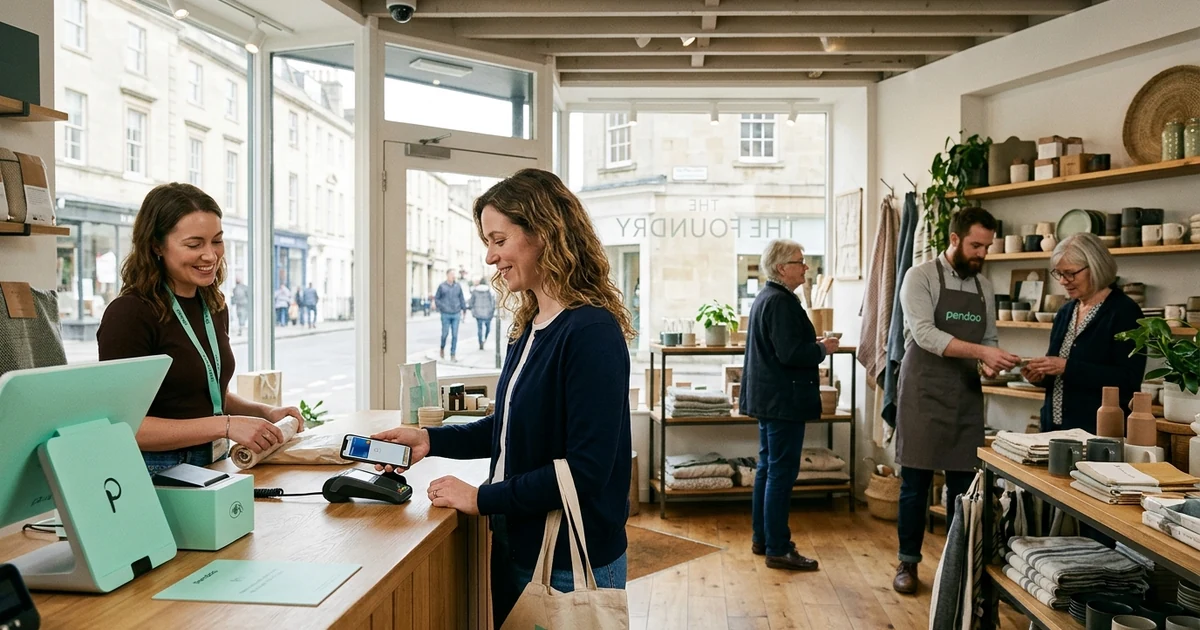
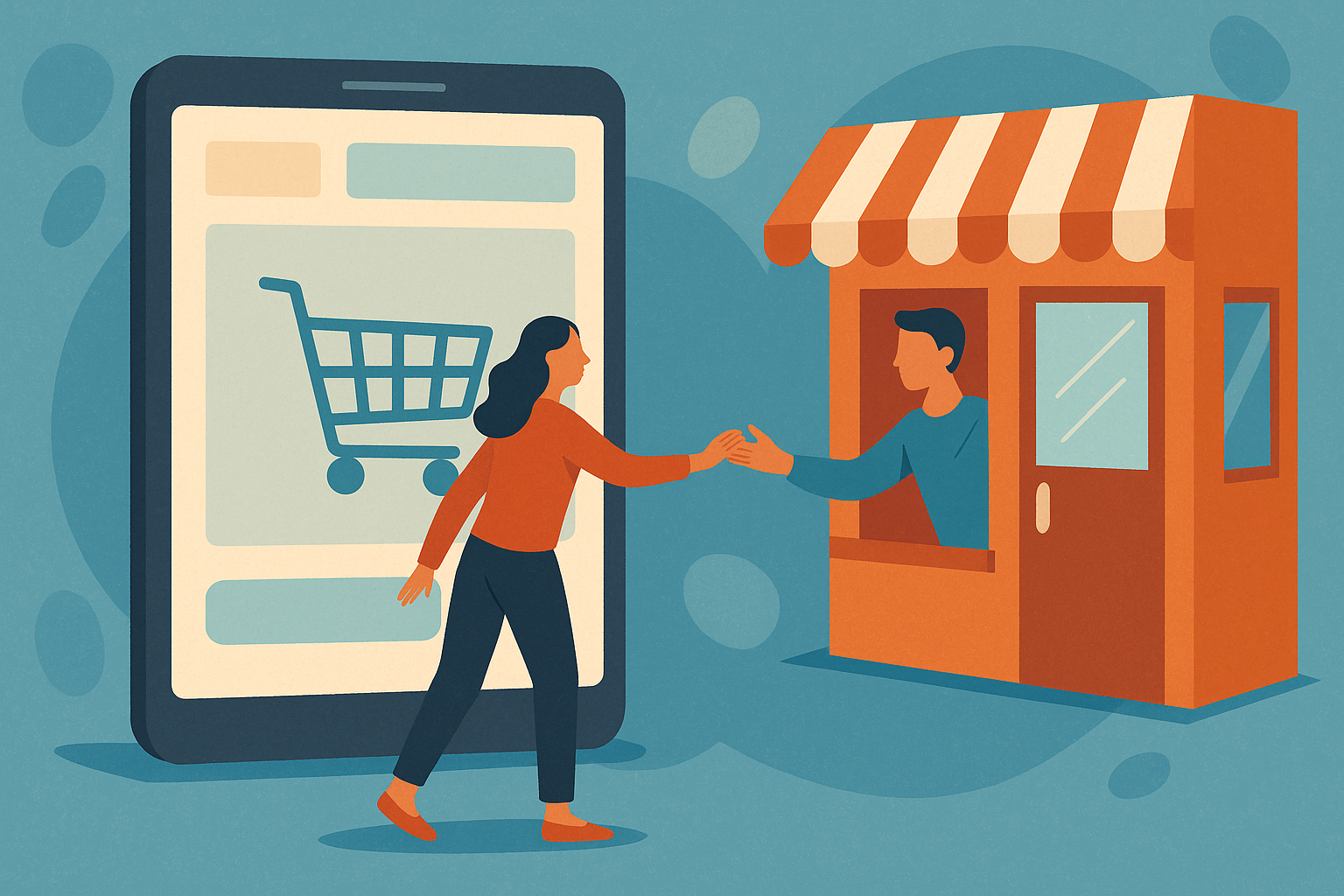
Pendoo lets shoppers scan a store QR code, scan product barcodes, build a basket and pay on their phone without downloading an app. Its role in this model is to offer an additional purchase route, freeing staff attention for customers and tasks that need it.
That is an argument for payment choice, not a promise that cash handling or staffing obligations vanish. For physical retail, the more useful ambition is growth without a matching increase in routine transaction work. Keep the customer’s options visible. Then judge the technology by whether the whole store works better.
Like what you read?
Sign up and start running your store on your terms — free plan available.