The Merchandising Display That Never Closes the Sale
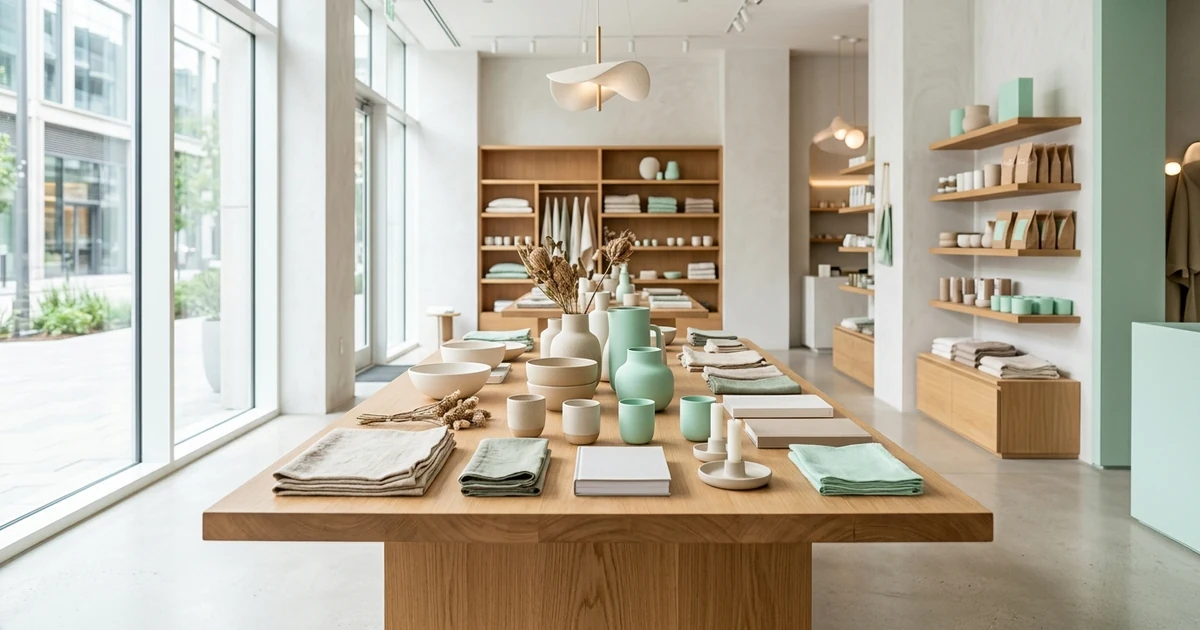
You've built the perfect counter display. Product placement is strategic. Lighting draws the eye exactly where you want it. Signage communicates value without clutter. A customer stops, picks up the product, turns it over in their hands. You can see the moment of decision forming. They want it.
Then they glance toward the checkout — three people deep, one till open because your other staff member called in sick. They set the product down. They'll come back for it later, they tell themselves. They never do.
65% of purchasing decisions are made in-store, often at the exact moment a shopper engages with a display. But here's the structural problem most retailers miss: a display can only convert if the path from interest to purchase is frictionless. When checkout is a fixed point across the store, every second between "I want this" and "I own this" is an opportunity for that impulse to decay.
Why Great Displays Lose Sales to Bad Logistics
Retailers invest thousands in visual merchandising — seasonal displays, brand partnerships, feature walls designed to stop shoppers mid-stride. The goal is simple: turn attention into revenue. But attention without conversion is just expensive theatre.
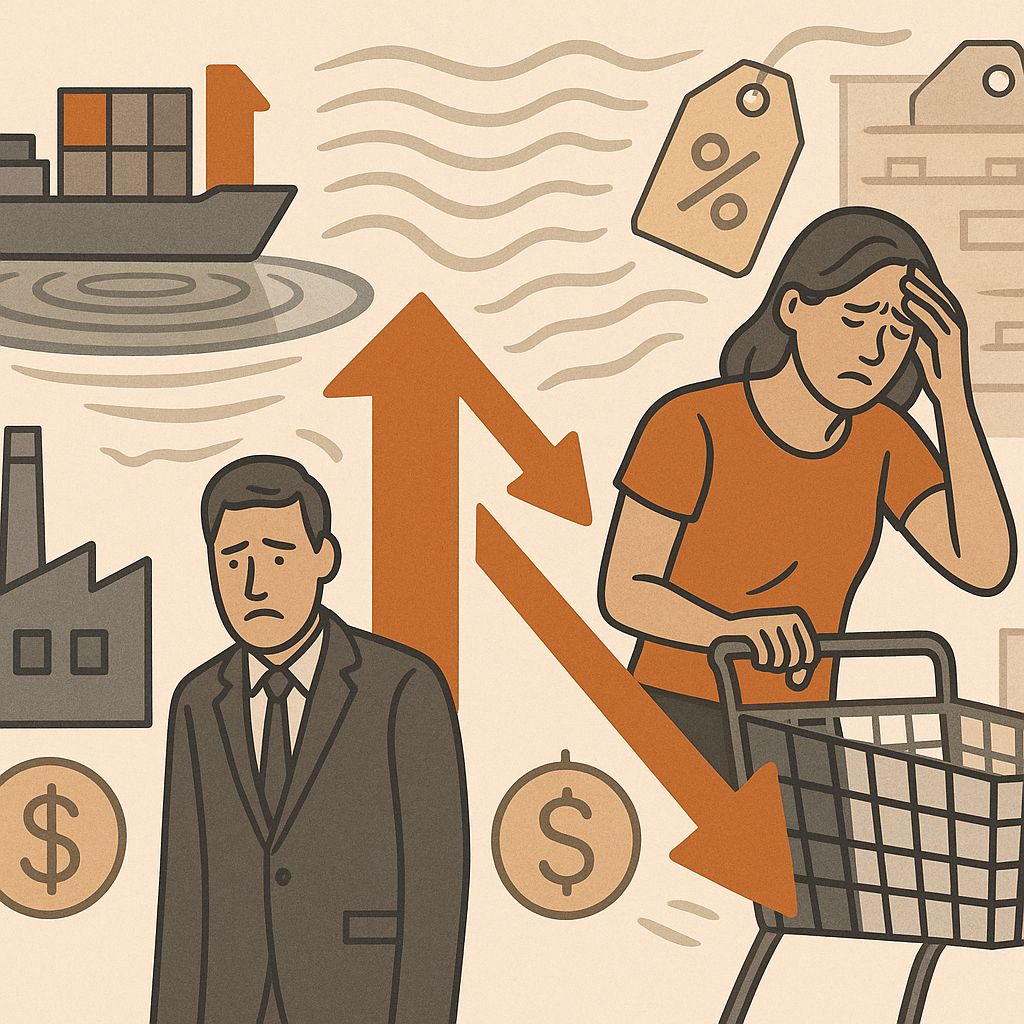
The problem isn't the display. It's what happens after. A shopper standing at your Valentine's Day chocolate endcap, basket in hand, has already made the emotional purchase. But the transactional purchase requires them to walk to the front of the store, join a queue, wait while someone ahead fumbles for their loyalty card, and finally hand over payment. By the time they reach the till, the moment that made them pick up the product has passed. Worse, customers who wait more than 5 minutes at checkout are 67% less likely to make unplanned purchases — the exact type of sale your display was designed to capture.
Retailers lose an estimated $37.7 billion annually to checkout abandonment. That's not 37 billion in lost efficiency. That's 37 billion in products that shoppers wanted, touched, carried, and then put back because the final step was too much friction.
Turning Every Display Into Its Own Checkout
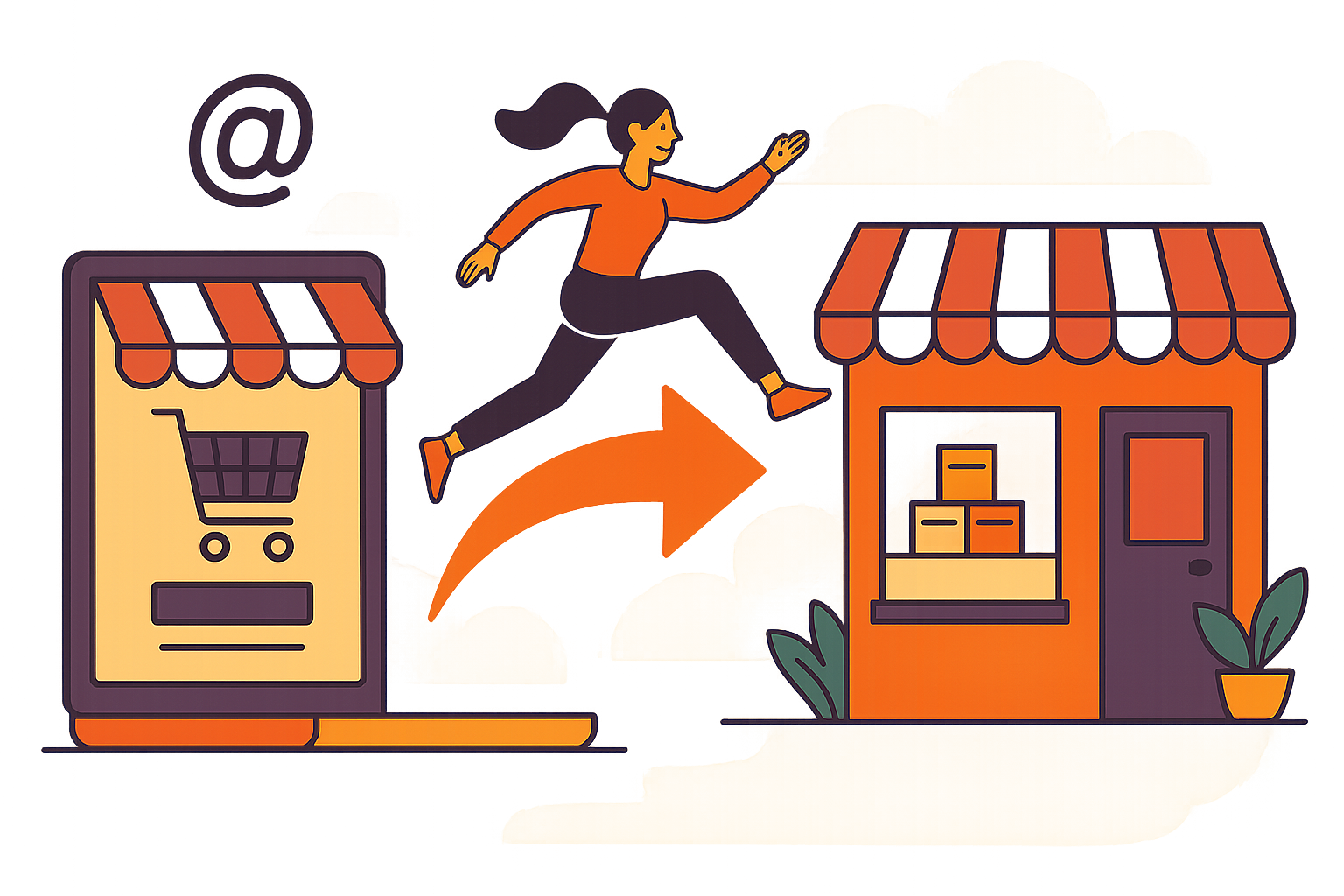
The solution isn't faster tills. It's eliminating the till as a bottleneck entirely. What if the moment of inspiration and the moment of purchase could happen in the same place?
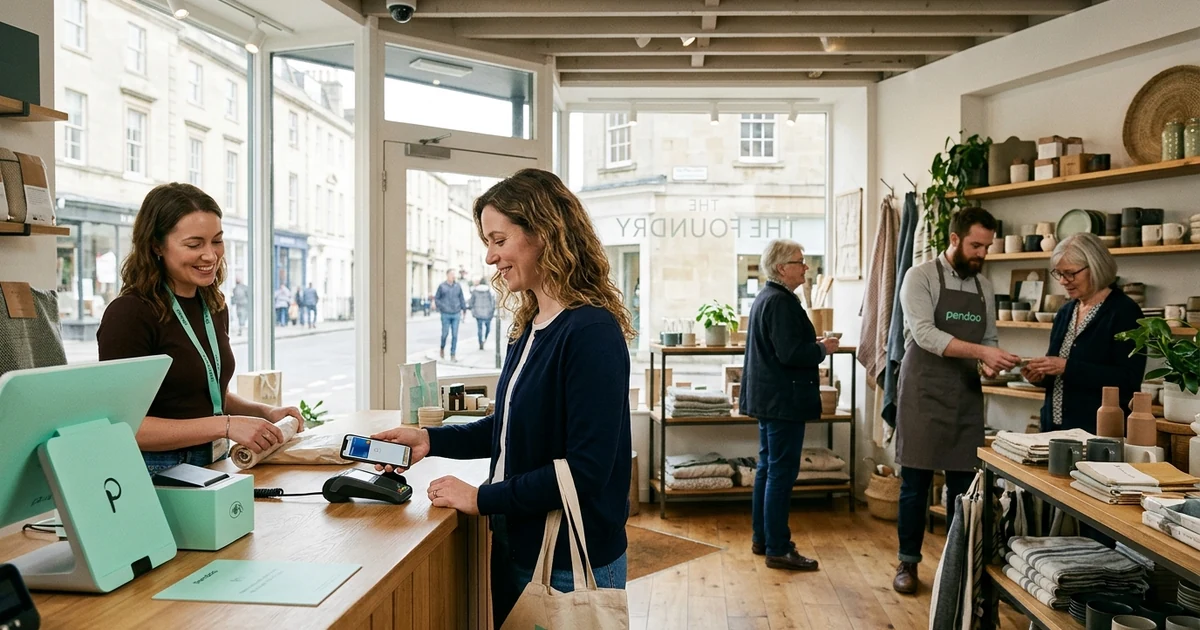
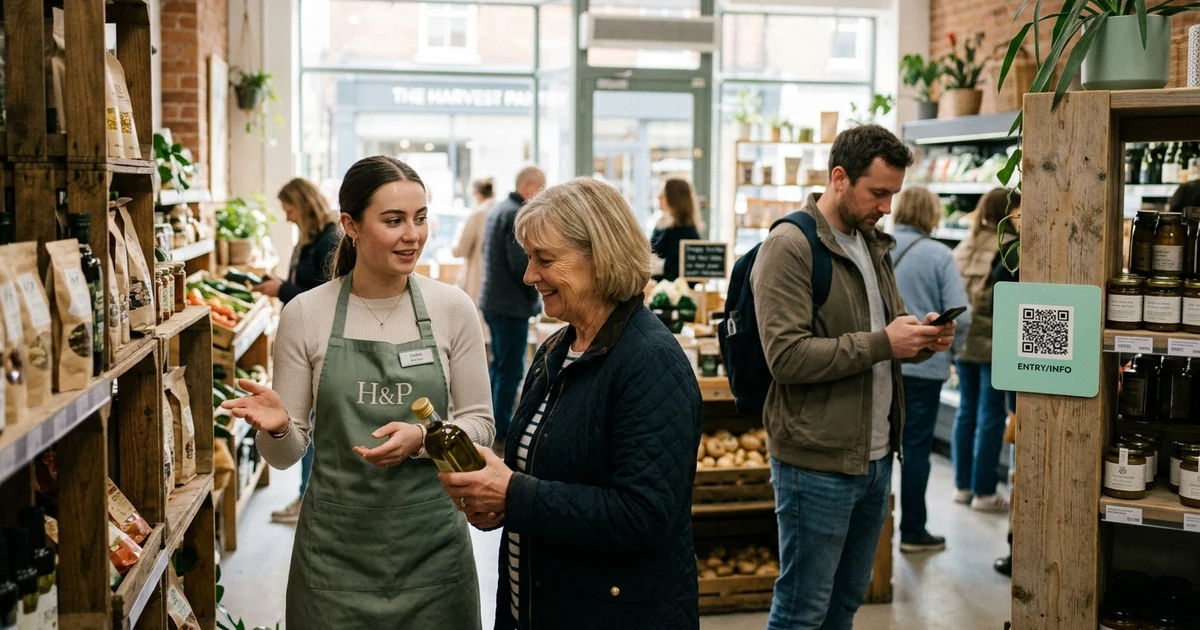
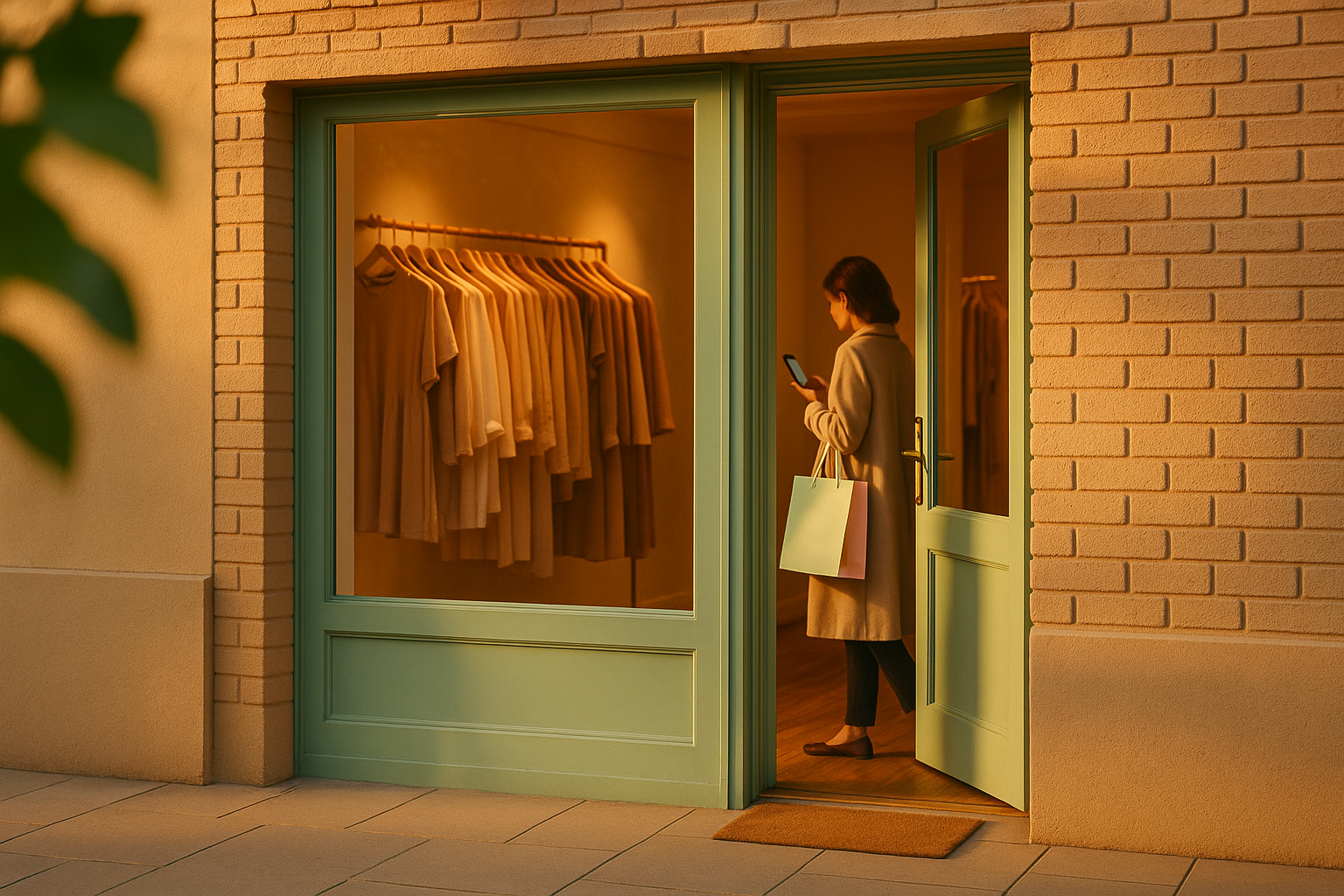
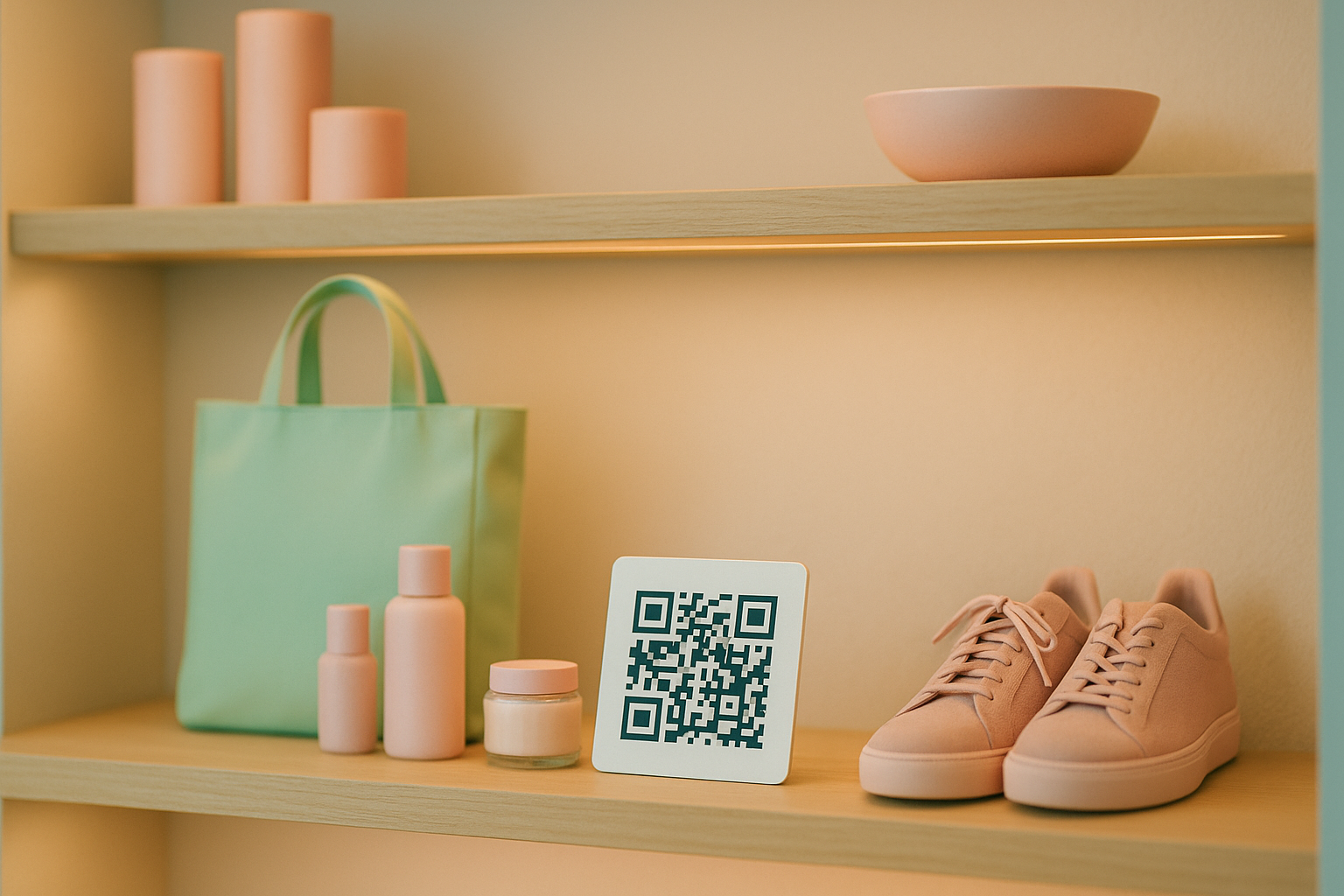
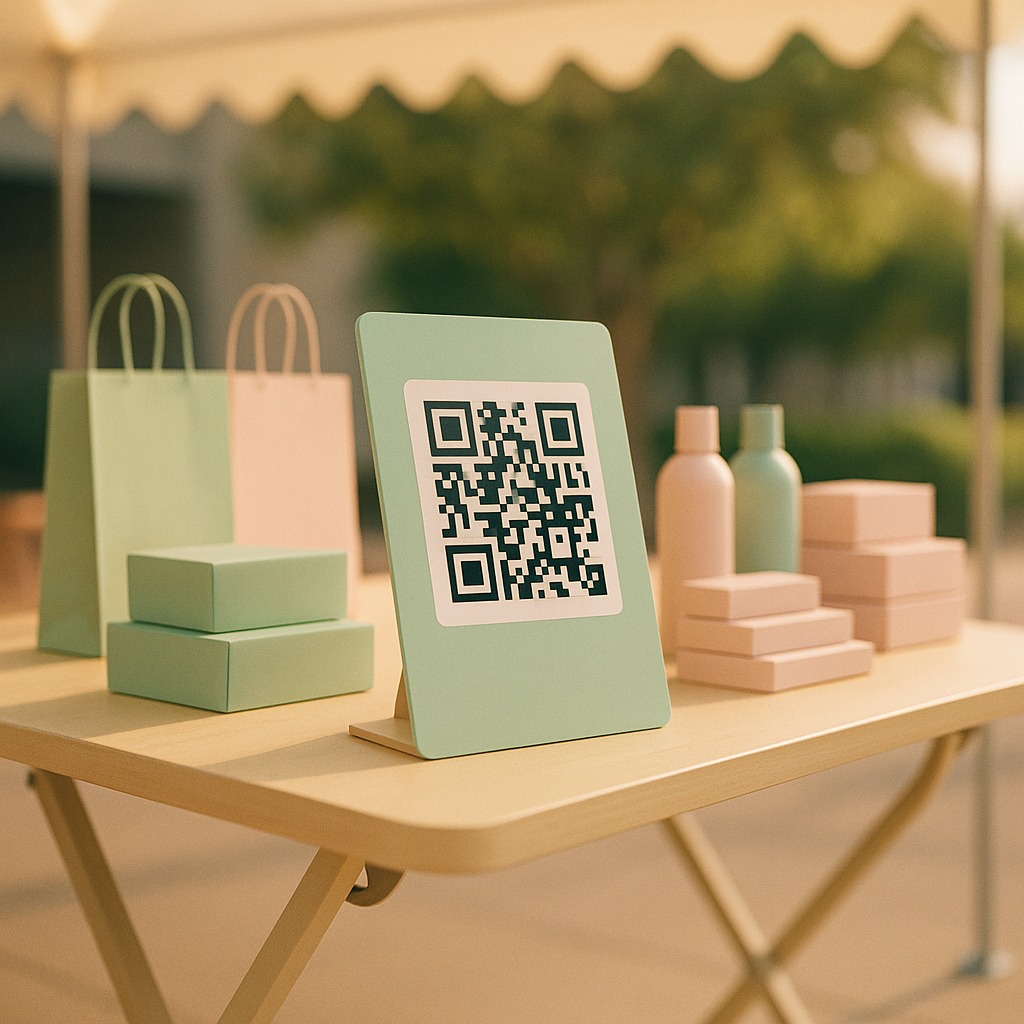
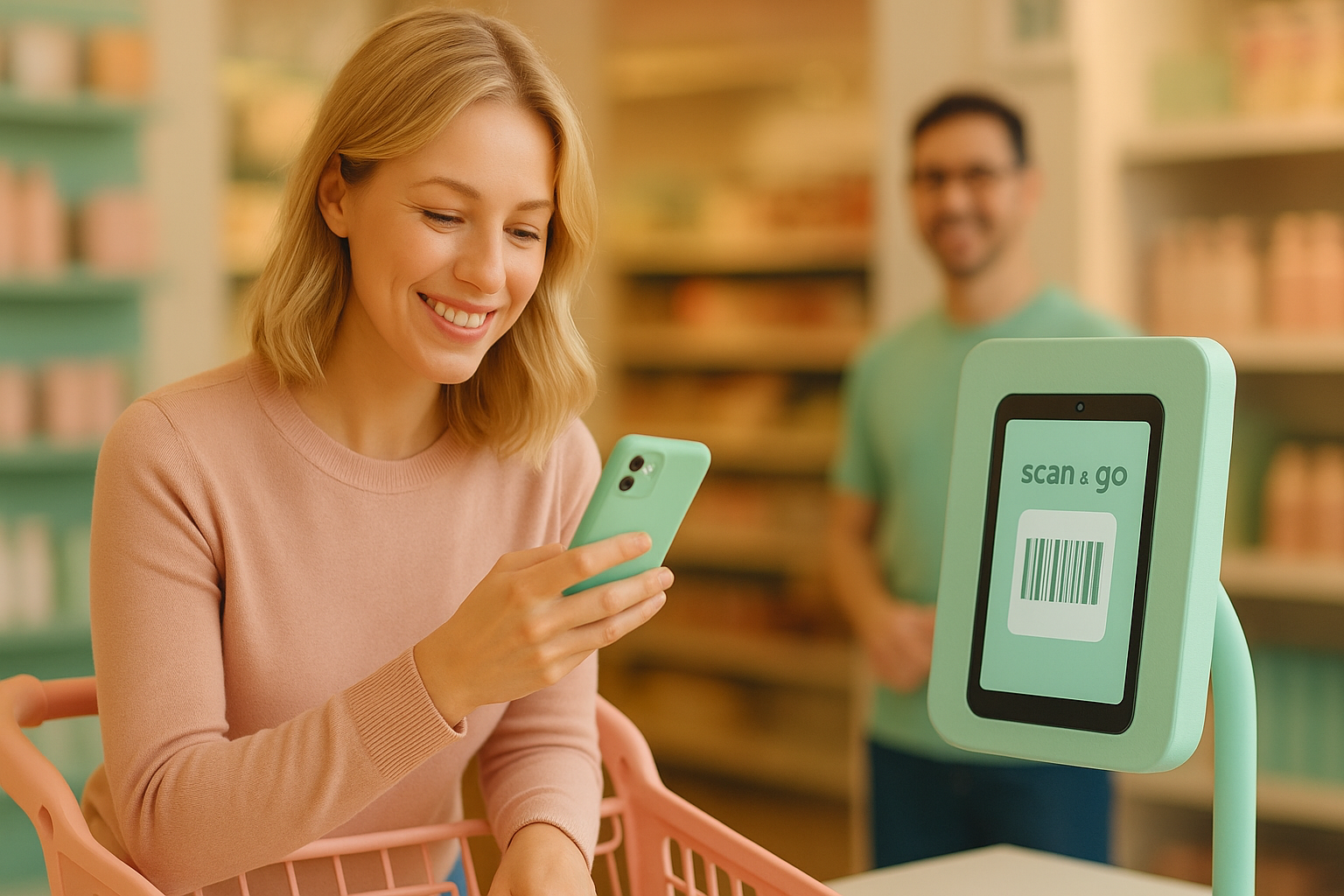
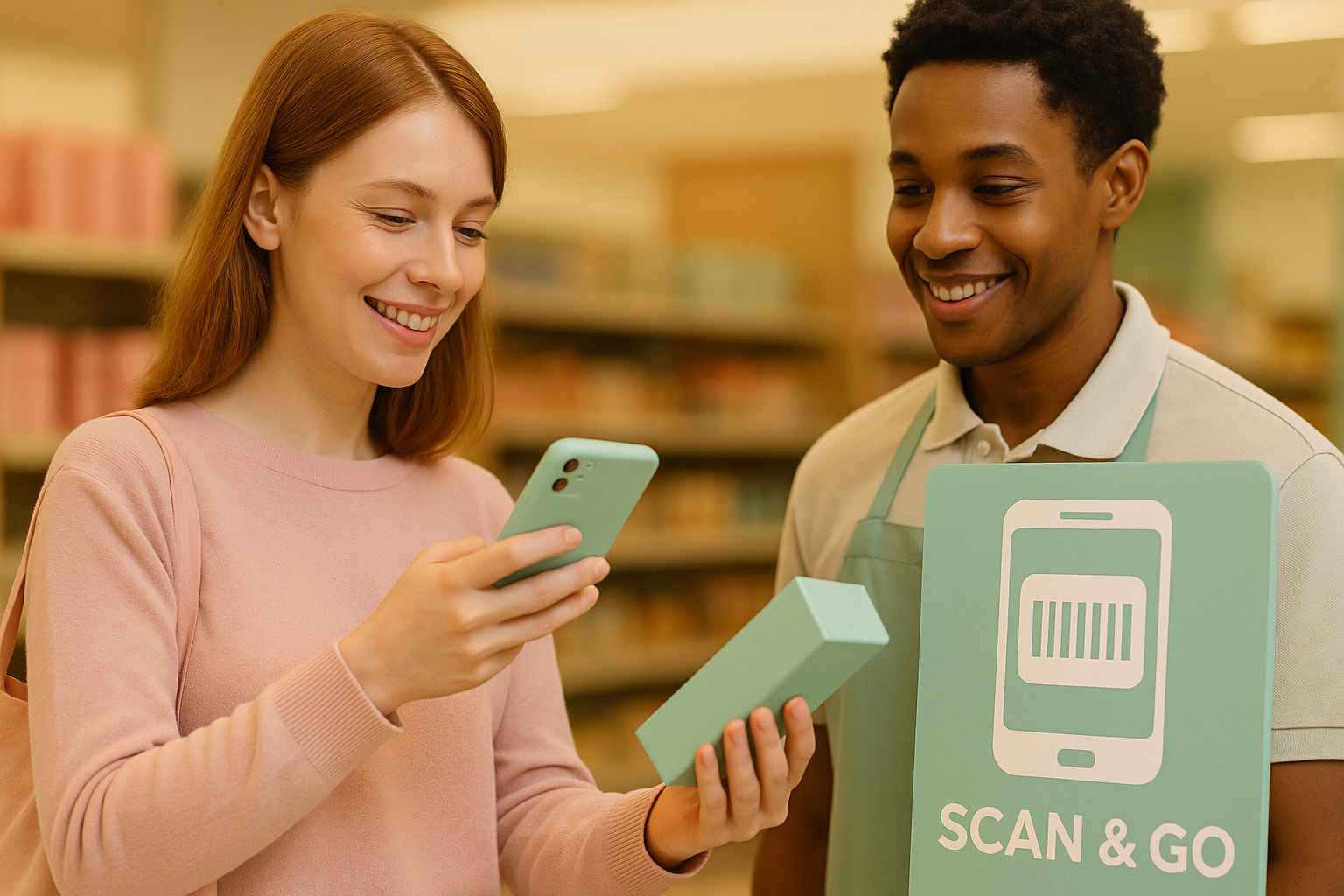
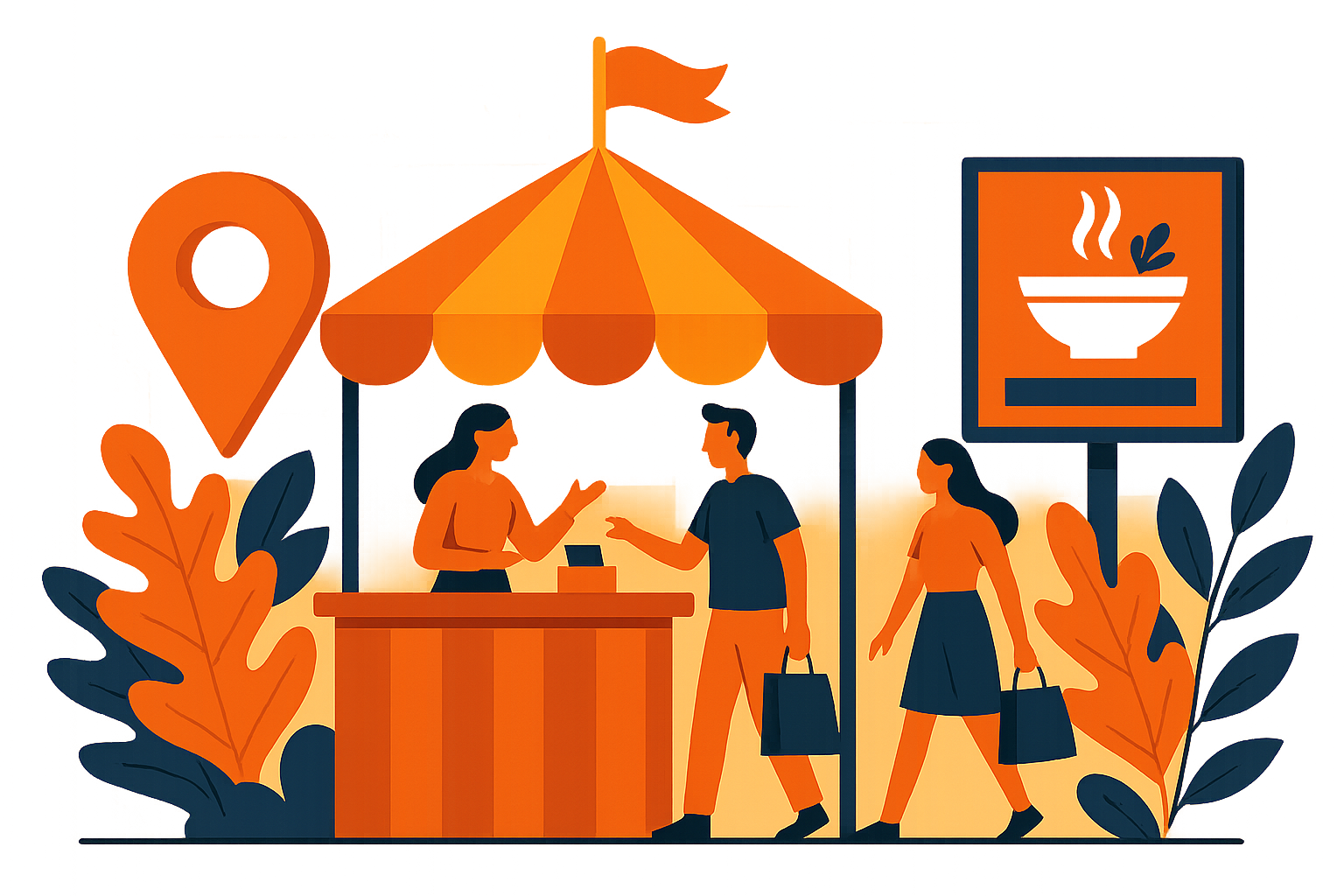
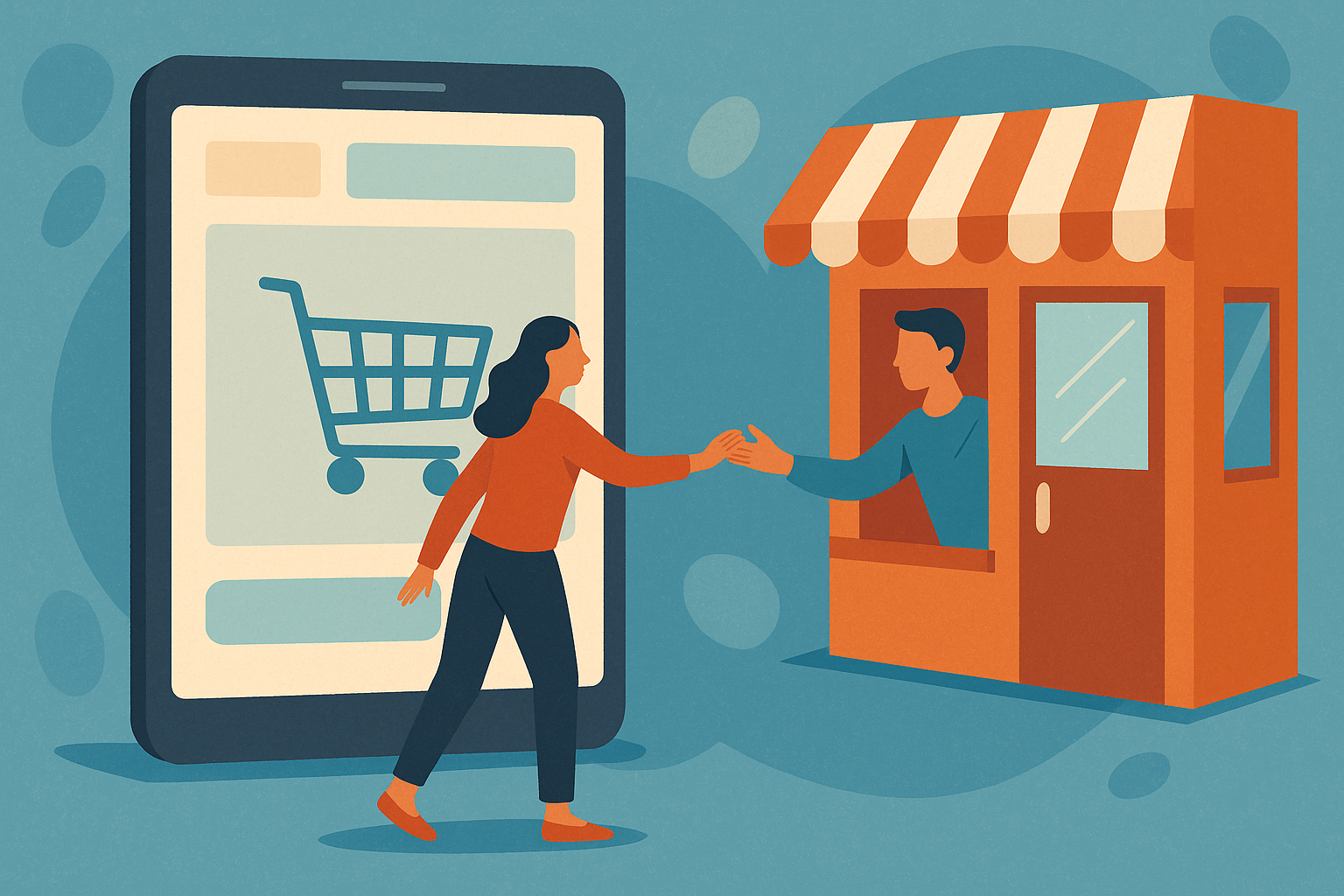
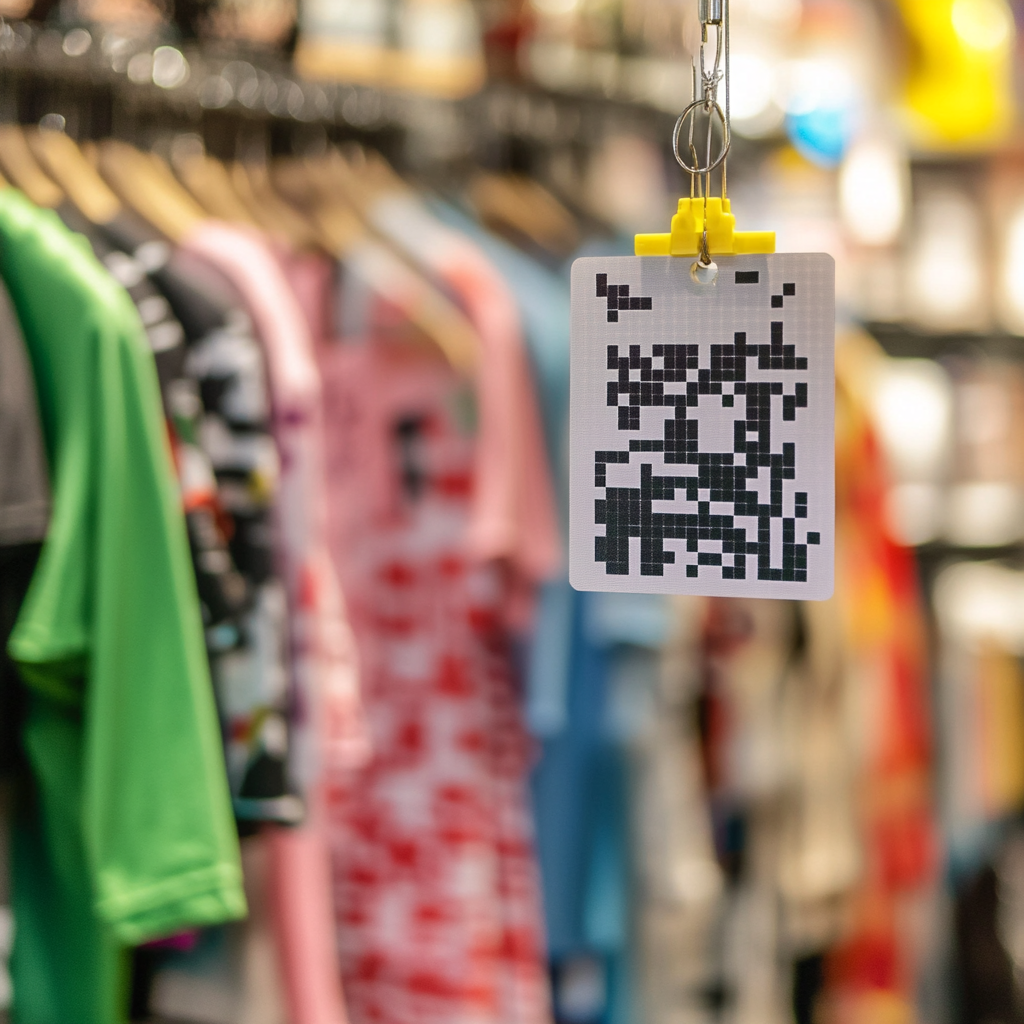
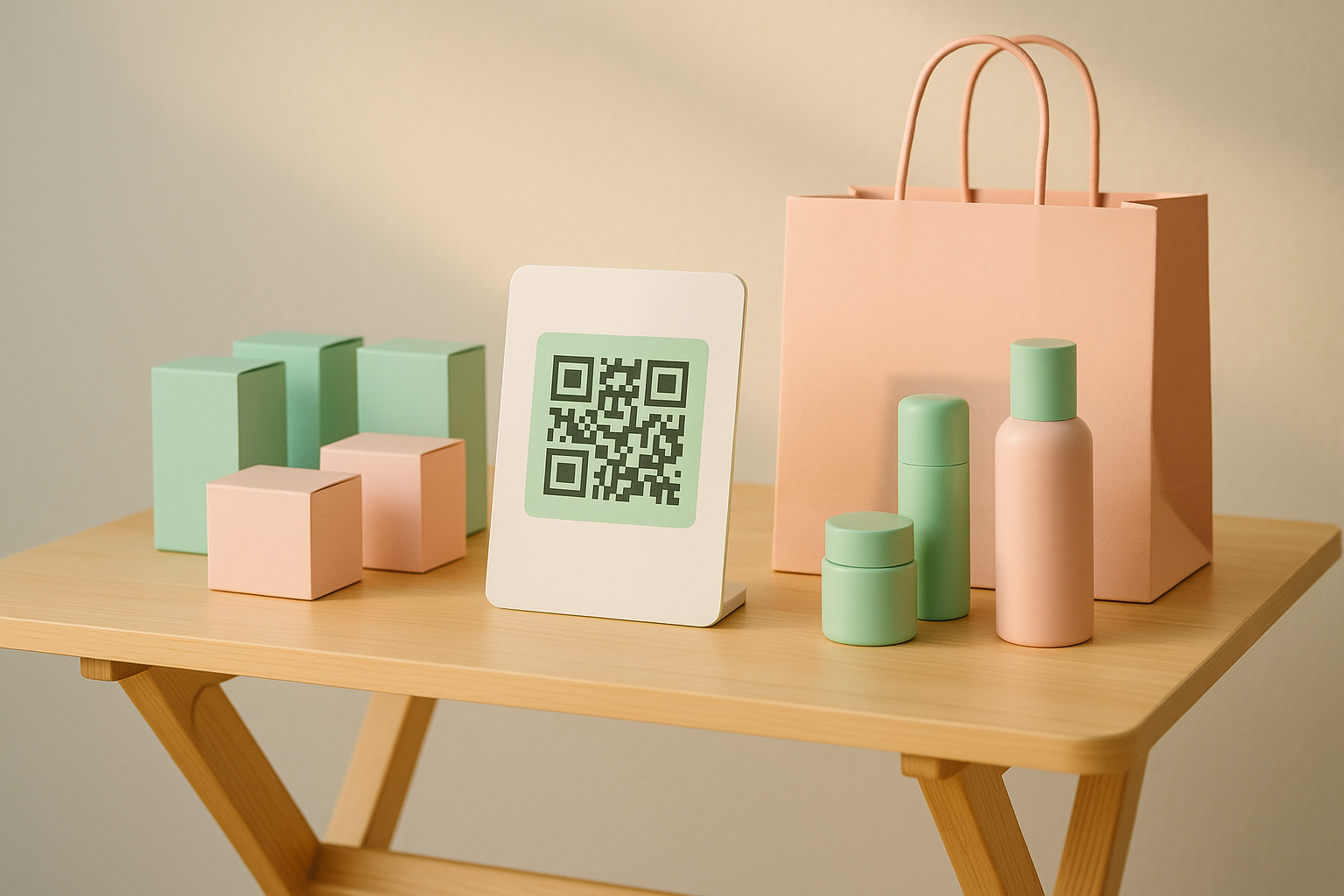
This is where Pendoo changes the equation. Pendoo is a browser-based scan-and-go self-checkout built for Shopify retailers with physical stores. A shopper scans a small QR code placed directly on or near your display — no app download, no account setup, nothing to install. Their phone's browser opens instantly. They scan the product barcode, the item appears in their cart, and they pay right there. The entire transaction happens on their phone, at the display, in under 30 seconds.
Your Valentine's display isn't just eye-catching anymore. It's fully transactional. The chocolate they picked up at 2:14 PM is purchased at 2:14 PM, not after a queue, not after a wait, not after they've had time to reconsider. The emotional peak and the purchase happen simultaneously.
Because Pendoo integrates directly with Shopify via API, every sale decrements inventory in real time. The transaction appears as a standard Shopify order. Your online store, your physical location, and every micro-display running a Pendoo QR code share a single accurate stock picture. No manual reconciliation. No end-of-day spreadsheet archaeology.
What This Actually Means for Your Revenue
The data on scan-and-go systems is consistent: basket sizes increase by 10–25% compared to traditional checkout. Why? Because friction is the enemy of impulse. When checkout is instant and private, shoppers add the extra item. They don't second-guess the premium version. They're not performing their purchase in front of a queue of strangers who might judge the volume of wine bottles or the price of the handbag.
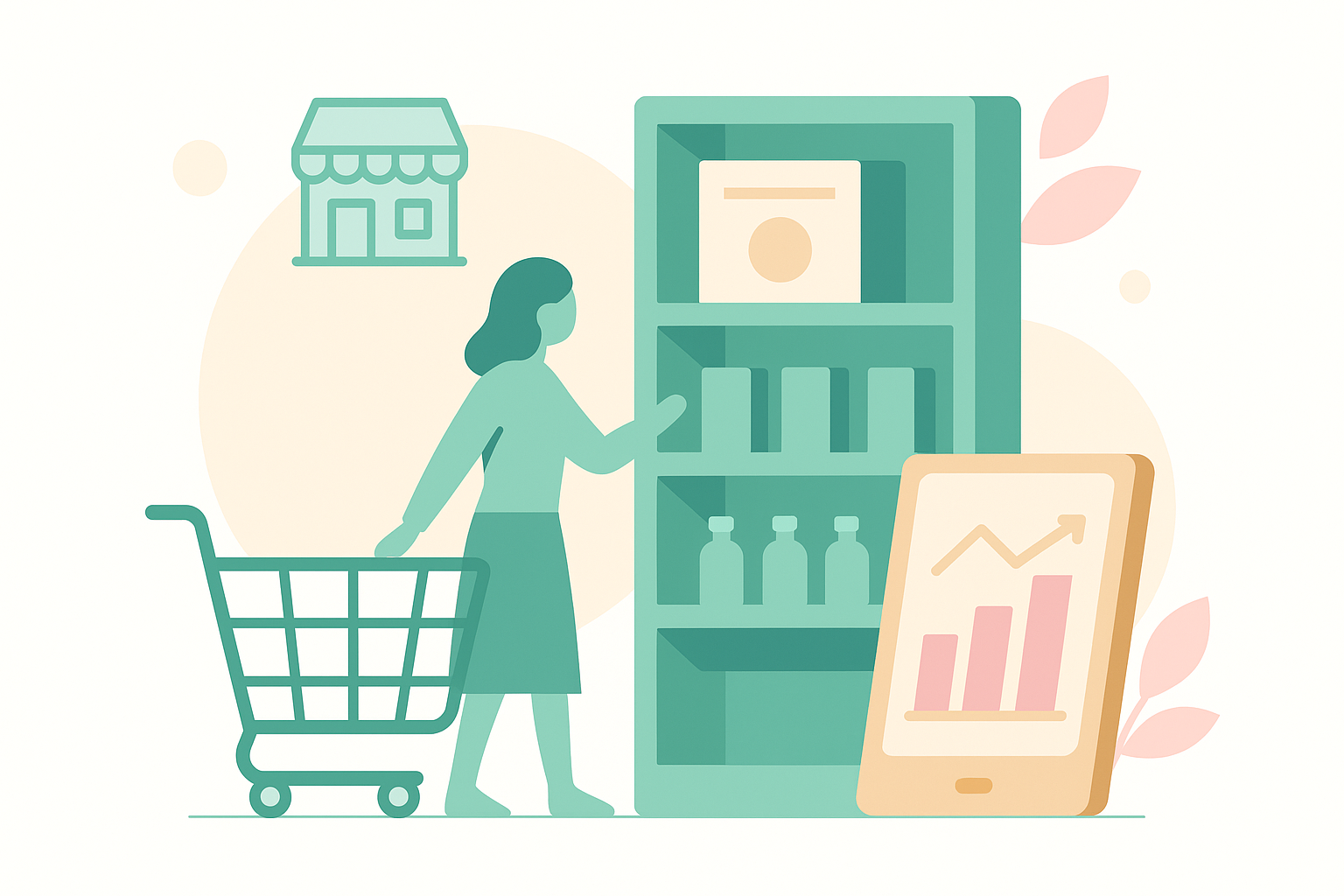
But Pendoo's value goes deeper than basket size. Every product scanned through Pendoo generates data — including products that were scanned but not purchased. This is intelligence traditional POS systems cannot provide. A high scan rate with low purchase rate on a specific SKU is a signal: it could mean price resistance, unclear packaging, or a competitor placed too close. You're no longer guessing why a display underperforms. You have the diagnostic data to fix it.
And there's a compounding benefit most retailers miss: customer capture. In traditional retail, collecting a customer's email requires asking, them agreeing, spelling it out, someone typing it in. Pendoo captures customer details passively as part of the payment flow. Over a year, a modest-volume store builds a substantial opted-in email list with zero incremental effort — feeding directly into platforms like Klaviyo for retargeting and lifecycle marketing. Your display isn't just closing today's sale. It's building tomorrow's customer base.
The Display Is Only as Good as What Happens Next
Merchandising has always been about creating the conditions for a sale. Placement, lighting, signage, product pairing — these are the tools retailers use to shift probability in their favour. But if the last step in that carefully designed journey is "go wait in line," you've installed a conversion barrier at the exact moment it does the most damage.
Pendoo removes that barrier. Your display does what it was always supposed to do: capture attention, communicate value, and close the sale. The entire purchase happens at the point of inspiration, not at a distant counter staffed by someone who wasn't part of the customer's journey.
If you're investing in merchandising but losing sales to checkout friction, it's worth exploring what happens when every display in your store becomes shoppable in place. Learn more at https://pendoo.io.
Like what you read?
Sign up and start running your store on your terms — free plan available.