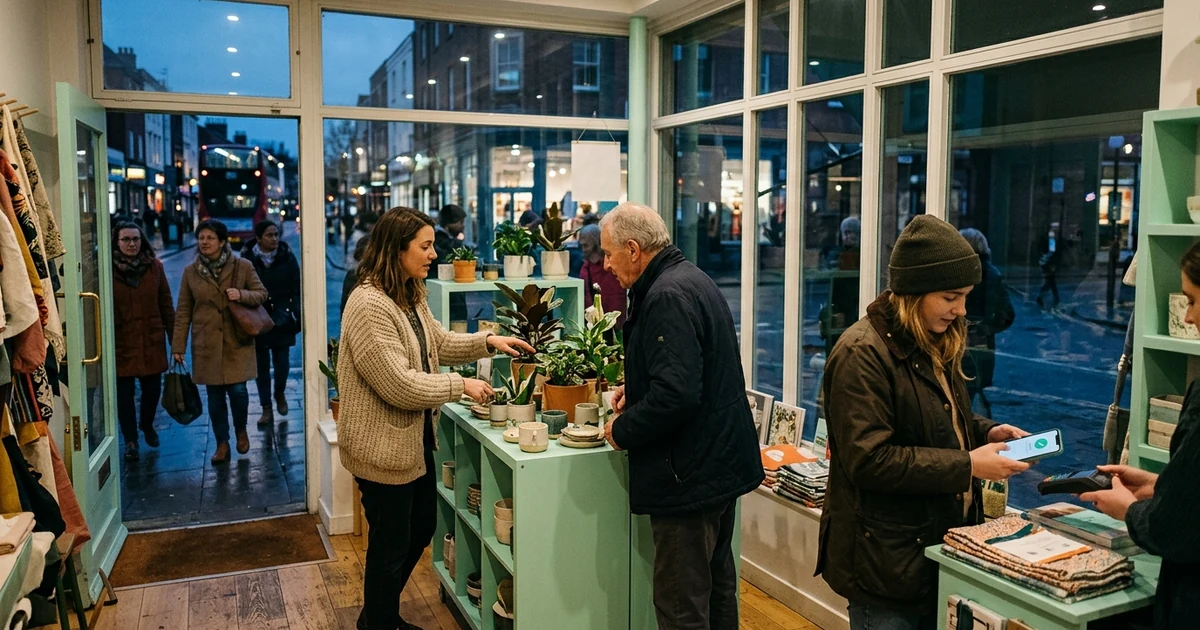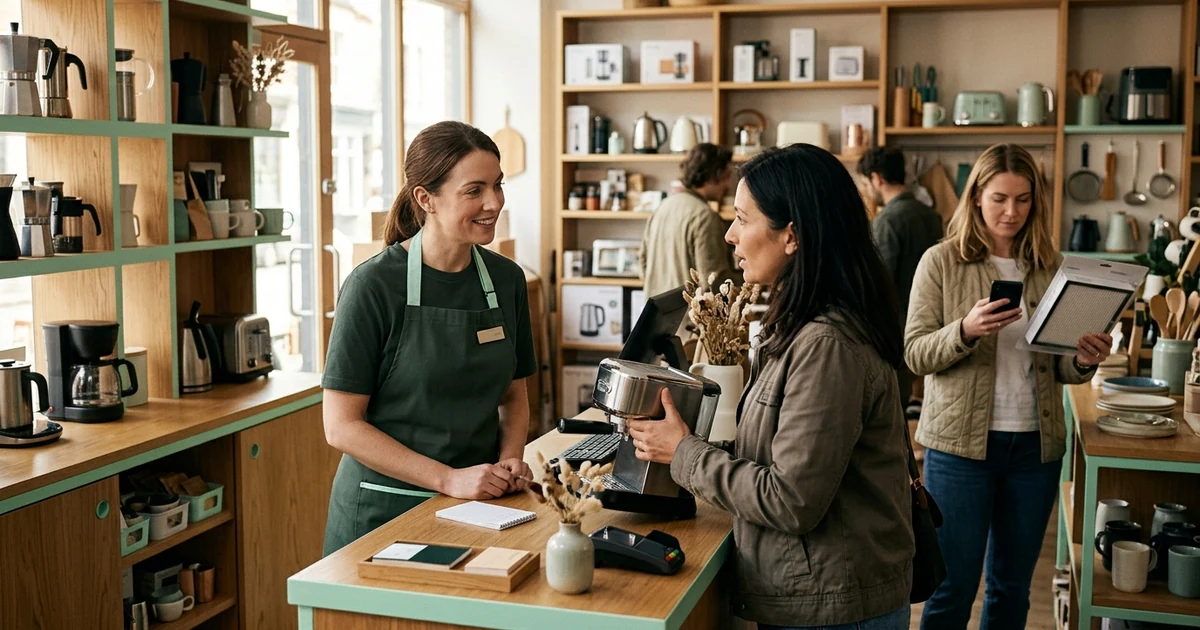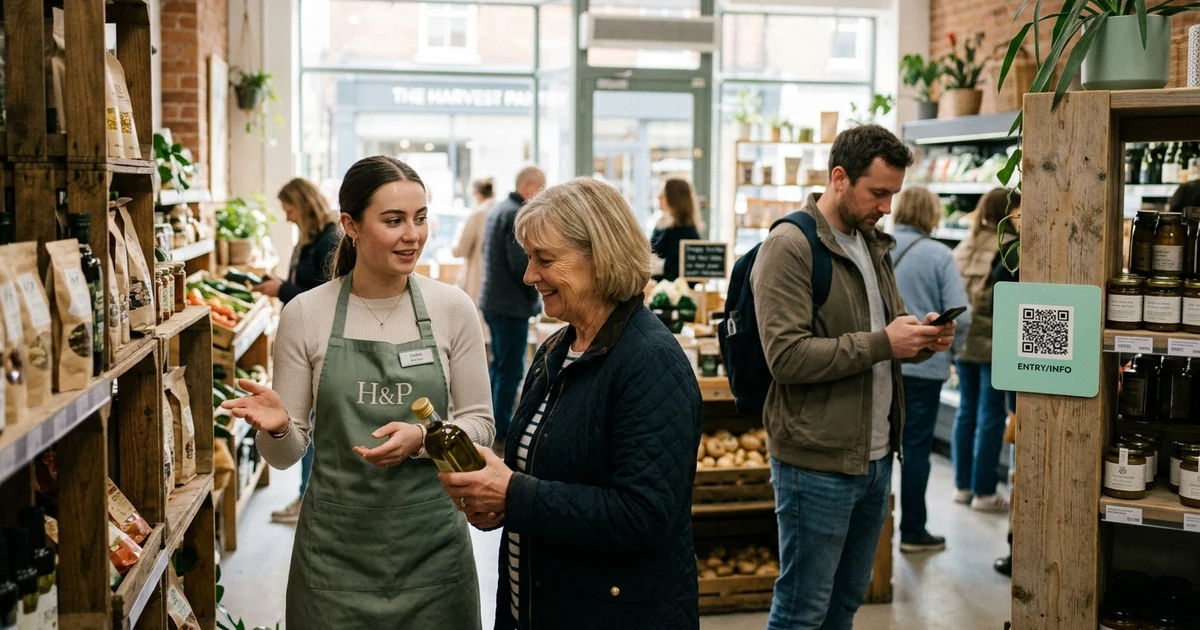
You've secured the perfect location. The inventory is curated, the displays are Instagram-ready, and foot traffic is flowing through your pop-up shop exactly as planned. Then reality hits: customers are queuing at your single checkout point, growing visibly frustrated as minutes tick by. Some abandon their selections mid-wait, slipping out the door to avoid the hassle.
Pop-up retail thrives on momentum and spontaneity. These temporary spaces create urgency that drives purchasing decisions, yet traditional checkout infrastructure turns that energy into a bottleneck. You can't justify installing a full POS system for a three-week activation, but you also can't afford to lose sales because your payment process feels like waiting at the DMV.
The Speed Imperative in Temporary Retail
Pop-up shops succeed by matching the pace of modern consumer behavior. Your customers chose this shopping format because they want immediacy, discovery, and convenience. When 73% of shoppers say they're more likely to make impulse purchases in temporary retail environments, every second at checkout becomes critical revenue territory.
The operational challenge intensifies during peak hours. You're already managing inventory, engaging customers, and monitoring social media buzz. Adding checkout queue management to that mix stretches your small team impossibly thin. Meanwhile, each person waiting in line represents not just a delayed transaction, but a diminished brand experience. The excitement of discovering your pop-up fades as they watch minutes disappear.
Traditional retail solved checkout with space and staff, resources pop-ups simply don't have. You're working with square footage that costs a premium and a lean team that needs to stay agile. The mismatch between your business model and legacy payment systems creates friction exactly where you need flow.
When Checkout Becomes Invisible
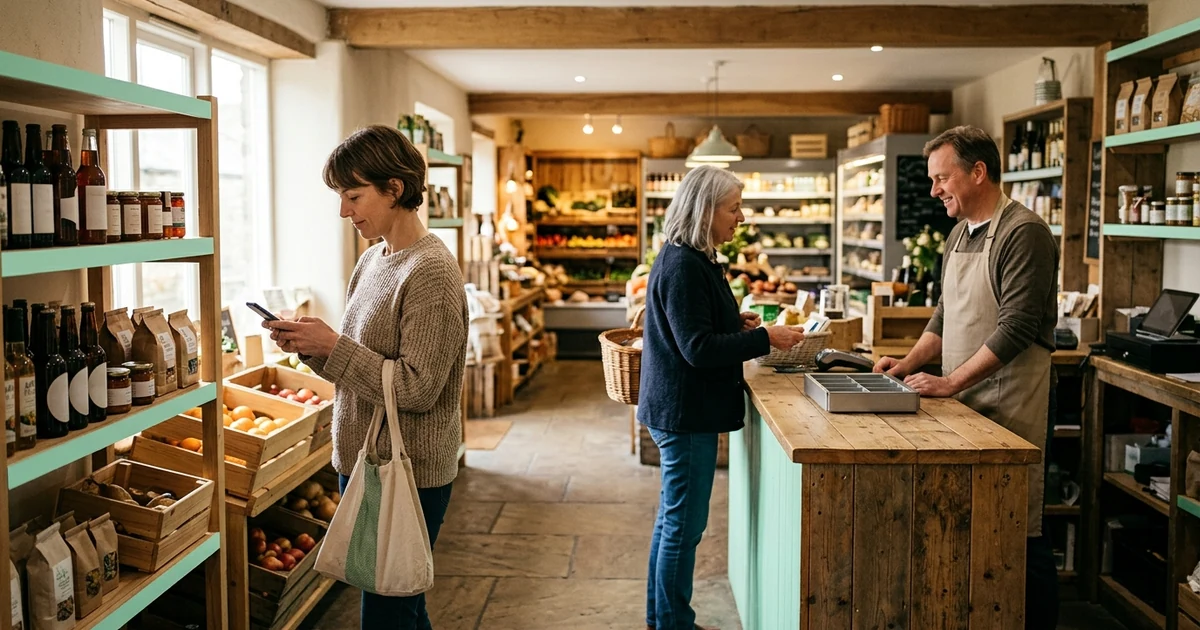
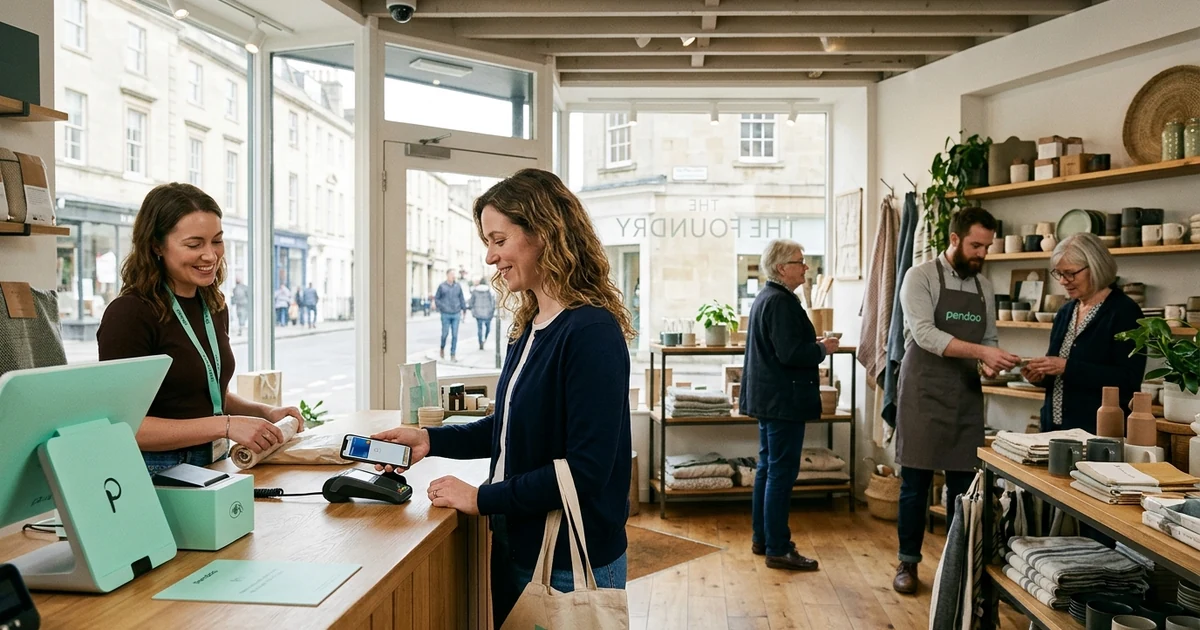
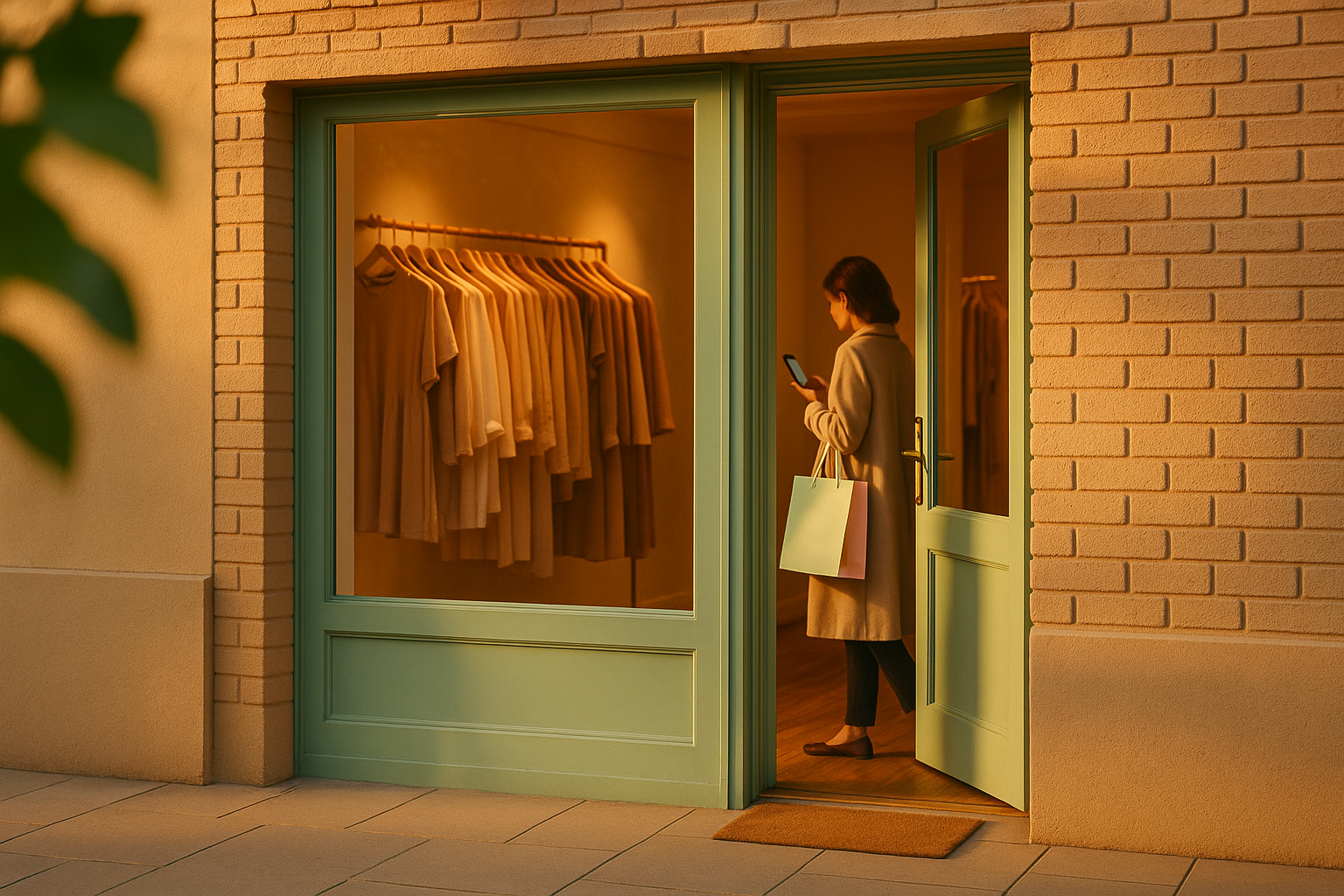
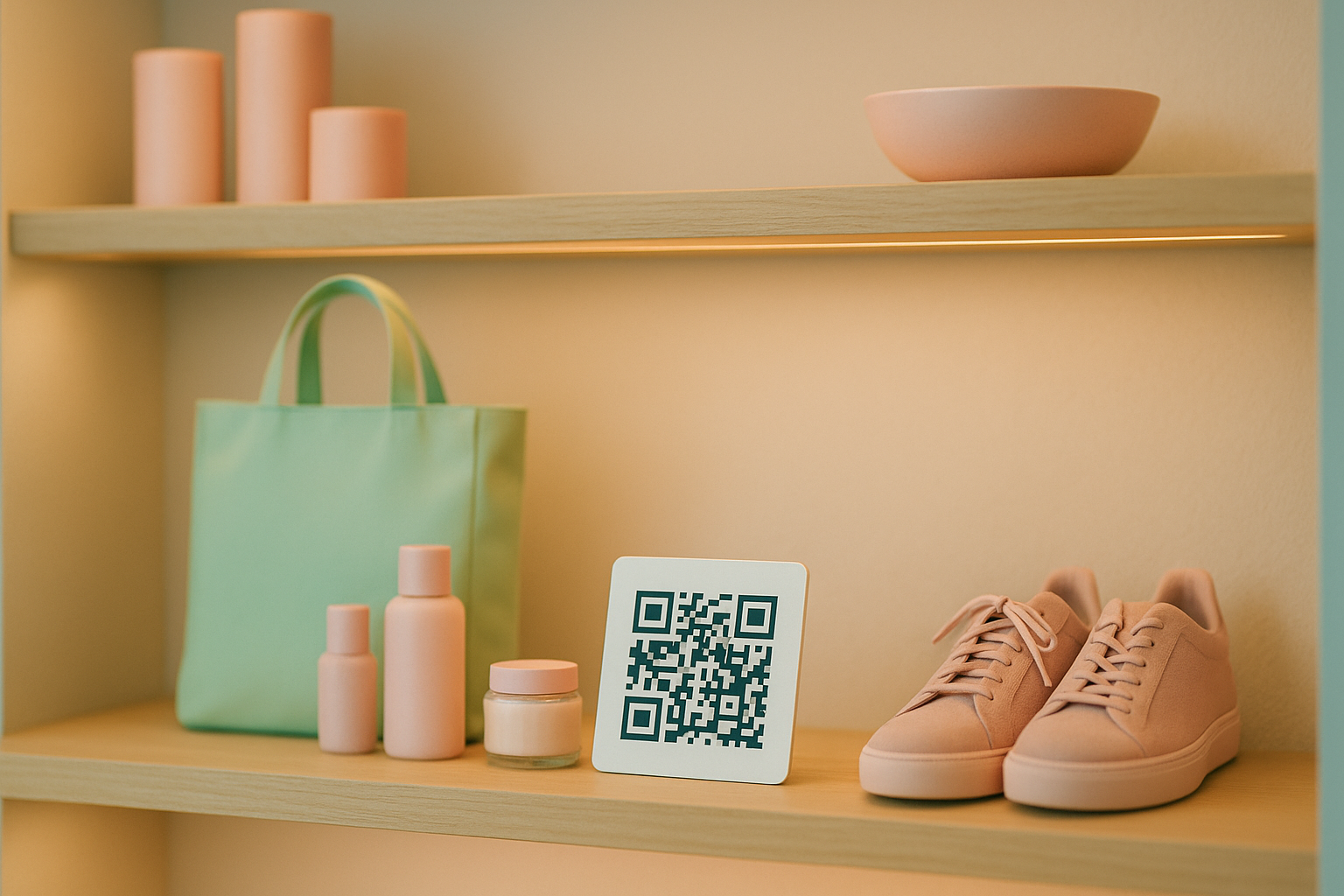
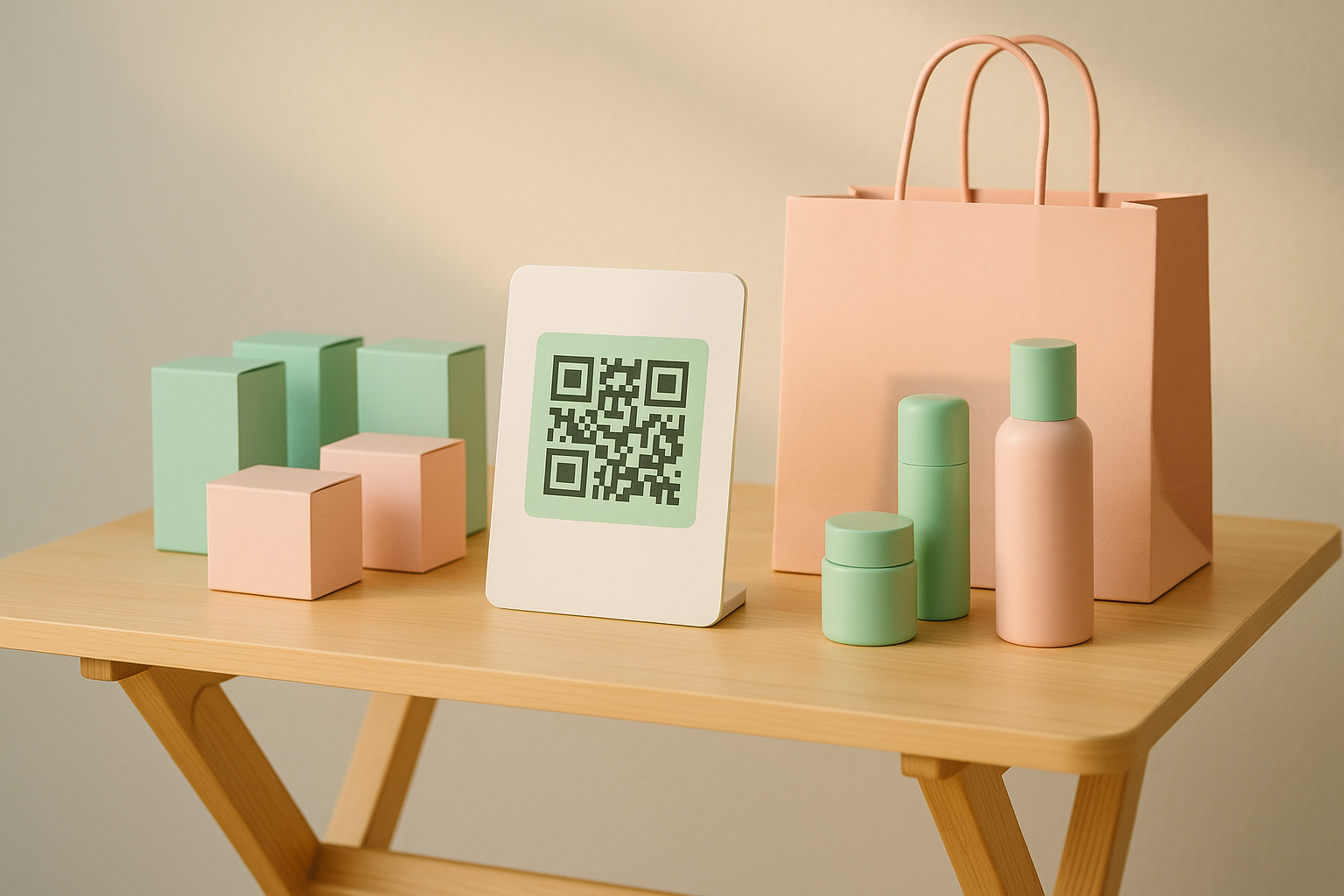
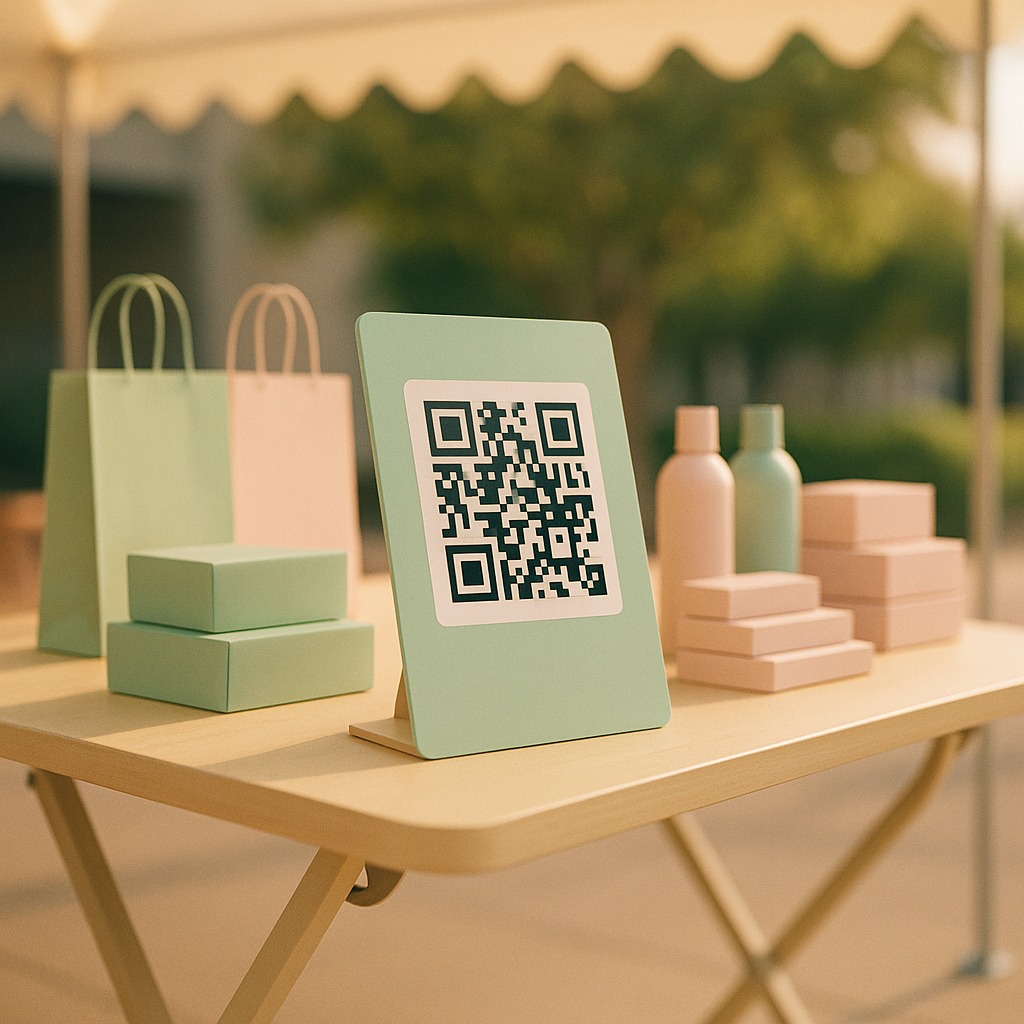
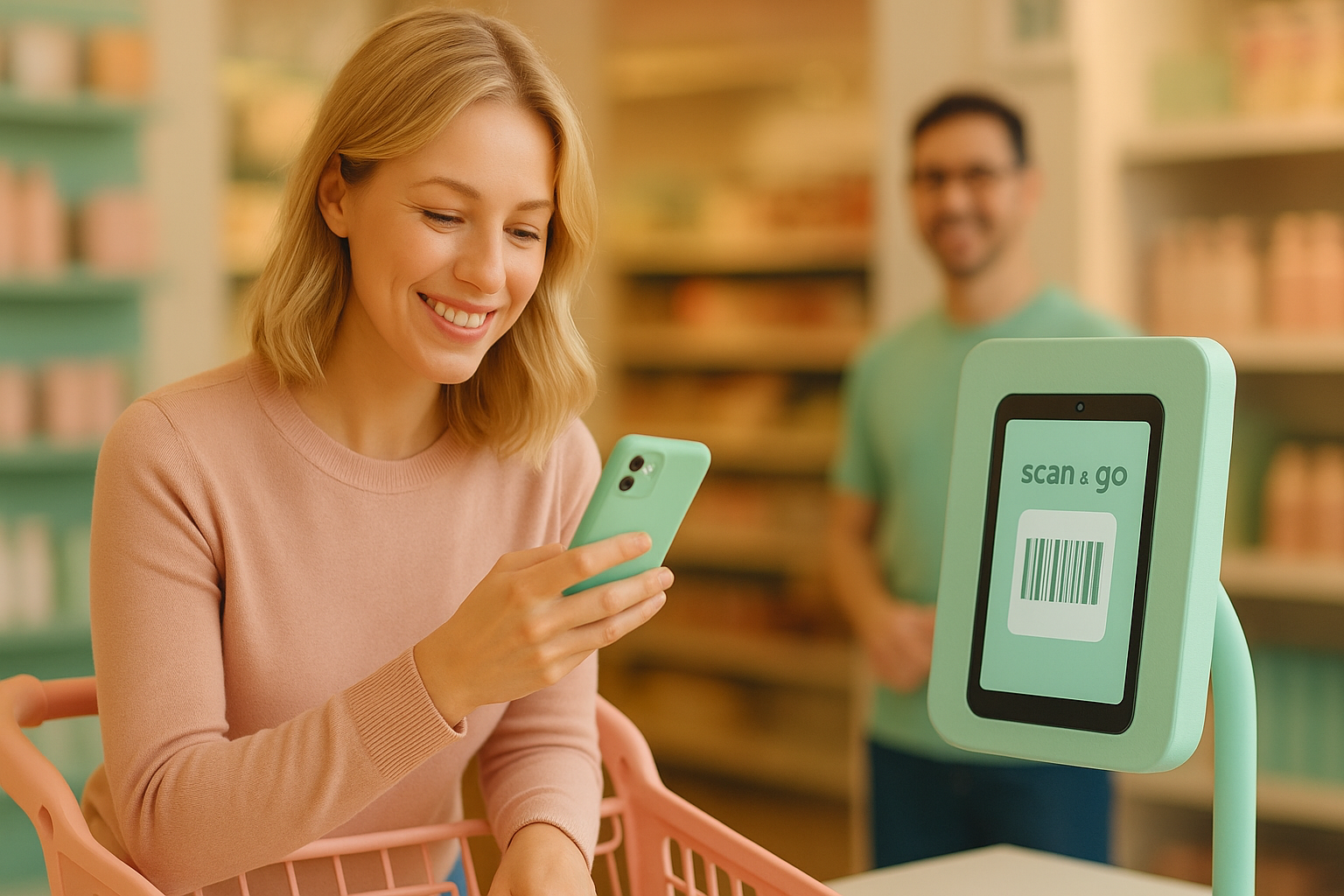
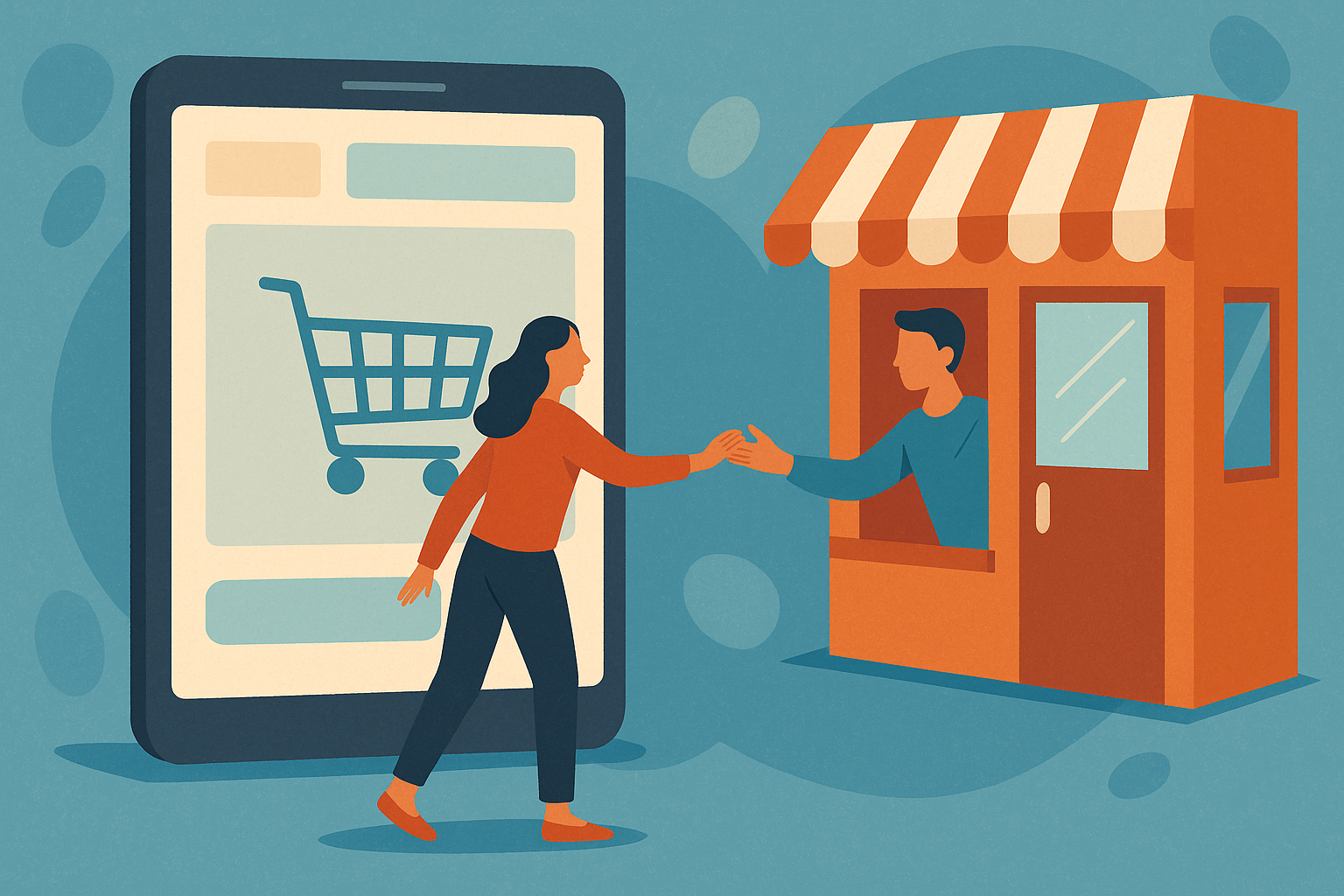
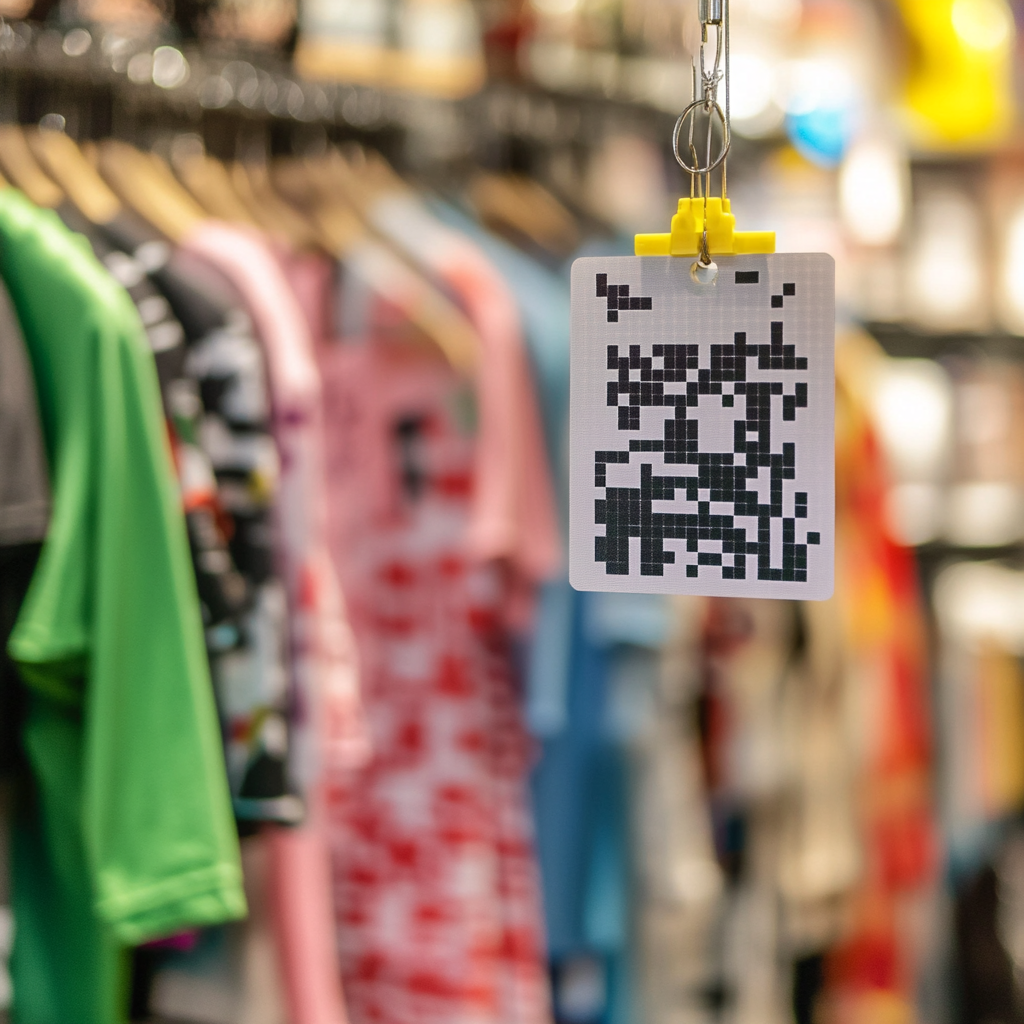
Imagine your pop-up running differently. A customer picks up that limited-edition item they spotted on Instagram, scans a QR code on the product or shelf, completes payment on their phone, and walks out in under a minute. No queue. No waiting for your single team member to finish helping someone else. Just seamless purchasing that matches the energy of your space.
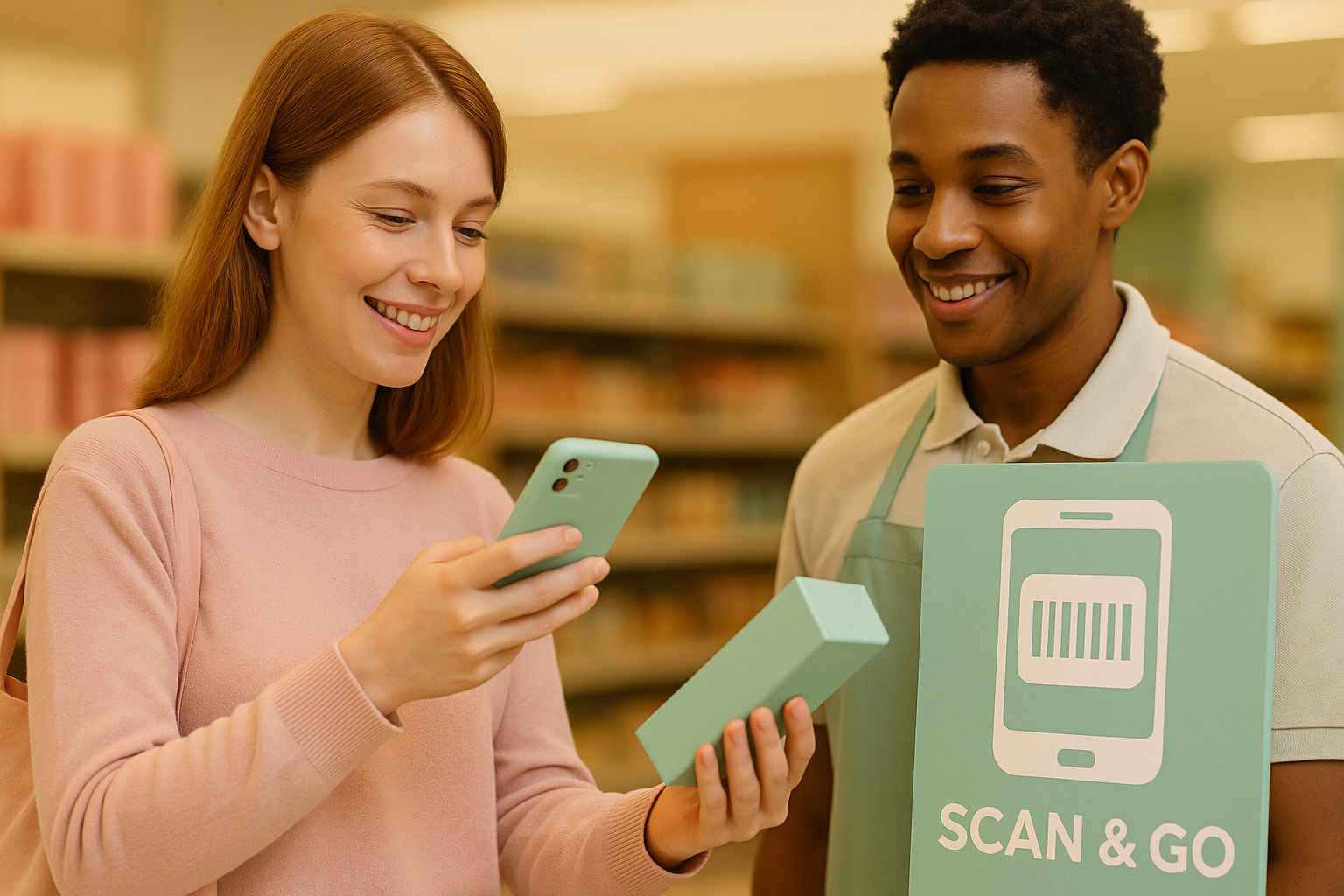
This isn't theoretical. Scan-and-go technology has transformed how forward-thinking retailers approach temporary spaces. By eliminating the traditional checkout counter, you reclaim valuable floor space for product displays and customer engagement. Your team shifts from transaction processing to brand ambassadorship, exactly where they create the most value.
Pendoo delivers this frictionless experience through browser-based scan-and-go shopping. Customers don't download an app or create an account. They simply scan, pay, and go. For you as the retailer, implementation takes less time than setting up your Instagram display. If you're running on Shopify, you're operational in under five minutes. No hardware installation, no complicated integrations, no tech headaches during your already compressed setup timeline.
The technology works invisibly in the background while you focus on what makes pop-ups powerful: creating memorable brand moments. Customers engage with your products and your story, not with payment terminals. Real-time transaction tracking gives you instant visibility into what's selling and when, letting you adjust inventory and promotions on the fly rather than discovering insights after your pop-up closes.
The Revenue Dynamics of Frictionless Payment
Removing checkout friction doesn't just save time—it fundamentally changes purchasing behavior. When customers control their own transaction timing, basket values increase. There's no social pressure to hurry because someone's waiting behind them. They browse longer, add that extra item, and complete purchases at their own pace.
Consider the math during a busy Saturday afternoon. Traditional checkout might process 10-12 transactions per hour through a single point. Scan-and-go removes that artificial constraint entirely. Your throughput becomes limited only by how many customers enter your space, not by how fast you can ring them up. For pop-ups operating on tight timelines and high per-day location costs, this efficiency directly impacts profitability.
The customer satisfaction element compounds your competitive advantage. Shoppers who experience frictionless checkout remember it. They're more likely to follow your brand to the next pop-up, recommend you to friends, and engage with your social content. You're not just completing transactions faster—you're creating the kind of seamless experience that builds lasting customer relationships.
Matching Infrastructure to Opportunity
Pop-up retail succeeds by staying nimble. Your technology needs to match that agility. The best solutions disappear into the background, enabling transactions without becoming another operational burden to manage. When your checkout is as mobile and flexible as your business model, you can focus on what drew you to pop-up retail in the first place: testing markets, building buzz, and connecting with customers in unexpected places.
The retailers winning in temporary spaces aren't just creating compelling product assortments and compelling environments. They're eliminating every barrier between discovery and purchase. In a retail format where you have days or weeks instead of months to make an impact, that speed makes all the difference.
Like what you read?
Sign up and start running your store on your terms — free plan available.