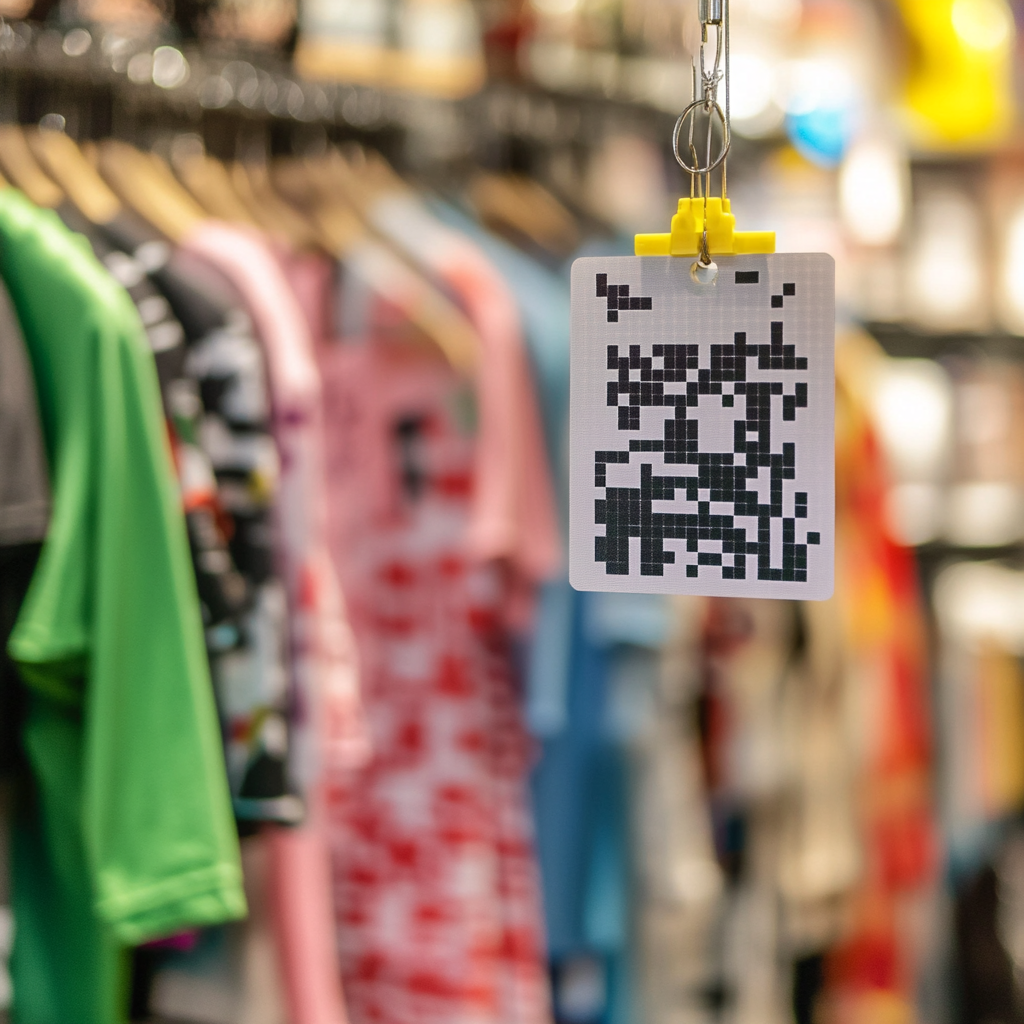
Opening more selling space is less attractive if every unfamiliar product sends someone looking for a manager. Before adding another location or extending trading hours, retailers should ask a quieter question: can the next transaction happen without someone fixing the information behind it?
That is a useful way to approach the 2D barcode transition. The symbol on the packaging matters. So does the work it might create, or remove, for the people running the shop.
A current signal worth noticing
On 29 August 2026, Retail Show Australia announced GS1 Australia’s participation, framing next-generation barcode readiness around point of sale, product data, inventory and supply chains. That breadth is the interesting part. This is not being presented simply as a new scanning device.
The direction is not new. In January 2022, GS1 US published a Barcode Capabilities Test Kit to help retailers assess readiness for data-rich 2D barcodes, describing 2027 as an industry-set transition timeline.
More recently, GS1 named Datalogic, Honeywell, Newland AIDC and Zebra Technologies as supporting the global transition. Supplier alignment is encouraging. It is not evidence that an individual shop’s complete transaction journey is ready.
The real test comes after the scan
A barcode being readable is only one acceptance test. Retailers should also ask whether the right item appears, whether the price is correct, and what happens when packaging carries multiple codes.
Those are operational questions, not objections to progress. A more capable symbol cannot, by itself, establish who maintains a product record or who resolves a mismatch on a busy Saturday.
Think of readiness as a chain: packaging, identification, product record, basket, payment and exception handling. Test the chain rather than celebrating the first successful beep. Otherwise, the apparent upgrade risks leaving the team with a different version of the same manual work.
Count interventions, not just successful scans
A practical pilot should expose the awkward cases before they reach every store. Select products with different packaging, similar variants and both familiar and newer barcode formats. Include the people who actually receive deliveries and answer customer questions.
For each test purchase, record:
- Whether the intended product and price appeared.
- Whether the shopper or colleague needed guidance.
- Who resolved any problem, and whether the fix applied elsewhere.
The useful measure is not simply whether payment eventually succeeded. It is how much human intervention success required. That distinction matters when the business case depends on more trading hours without a proportional increase in checkout staffing.
Give each recurring exception an owner. A training issue, a supplier packaging issue and a product-record issue need different remedies. Asking colleagues to remember another workaround is not the same as removing the problem.
Keep the growth decision separate from the barcode promise
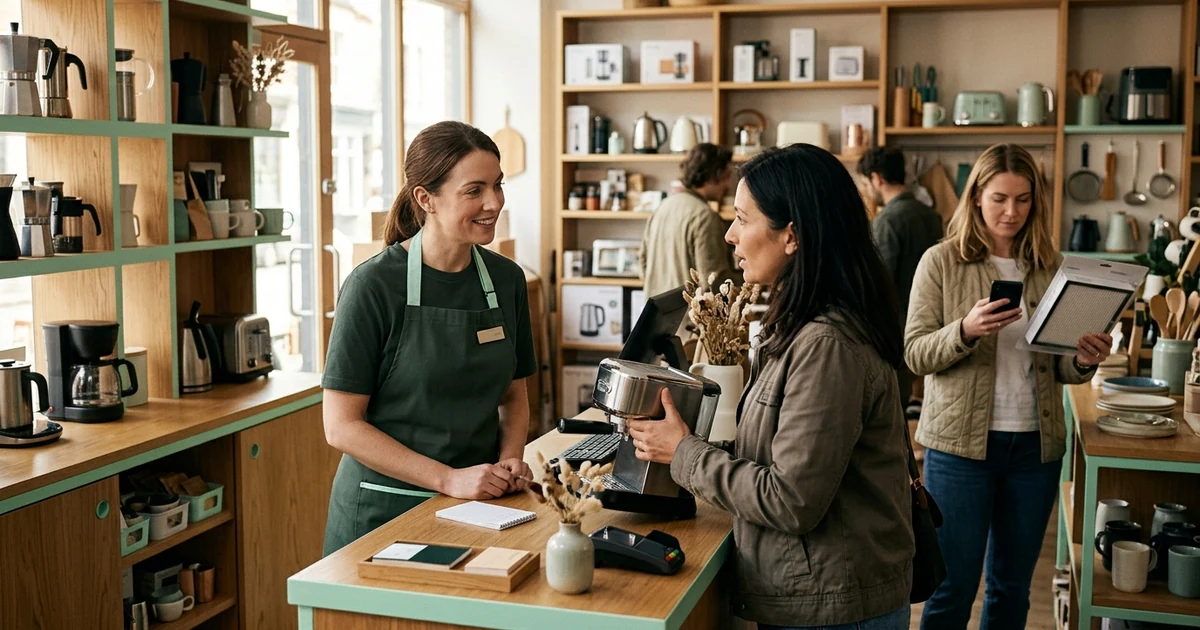
For retailers considering Pendoo’s mobile checkout, the objective is greater trading flexibility while freeing staff for valuable human service. Shoppers scan a store QR code, scan product barcodes, build a basket and pay on their phone without downloading an app.
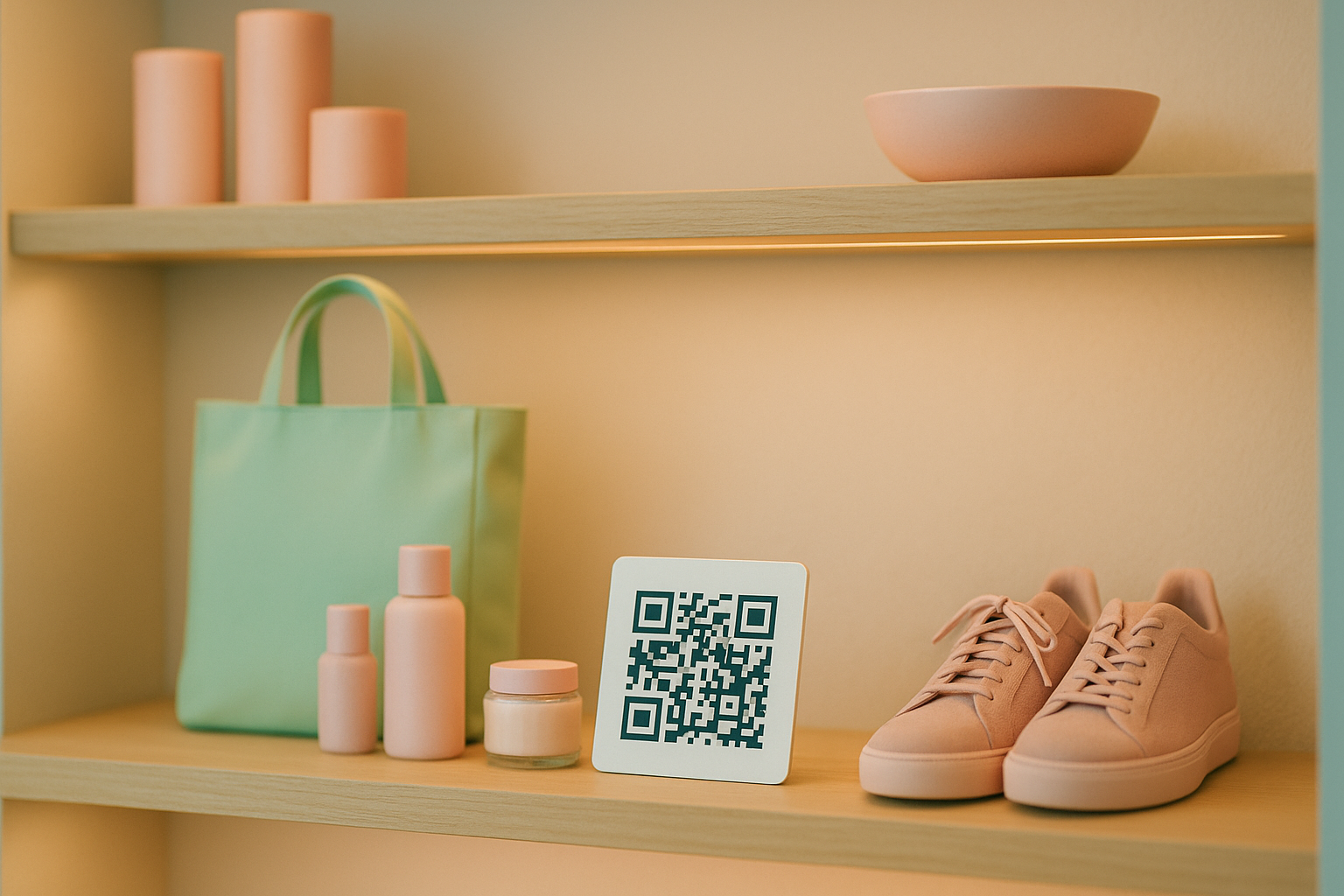
That store-entry QR code should not be confused with a next-generation product barcode. They have different jobs. Retailers should verify compatibility with their actual product codes and workflows rather than assuming that anything involving a phone or QR code is automatically ready for the transition.
Start with a small, representative basket and test every step. Before asking whether new barcodes make your store more modern, ask whether your operating model makes the next location easier to run. That is the readiness test worth passing.
Like what you read?
Sign up and start running your store on your terms — free plan available.