Checkout technology has entered a revealing phase
Retail checkout technology is no longer only trying to make payment faster. It is increasingly being asked to spot mistakes, prevent loss and decide when a member of staff should intervene. That changes the question retailers need to ask. A checkout can be technically intelligent and still make the store feel less human.
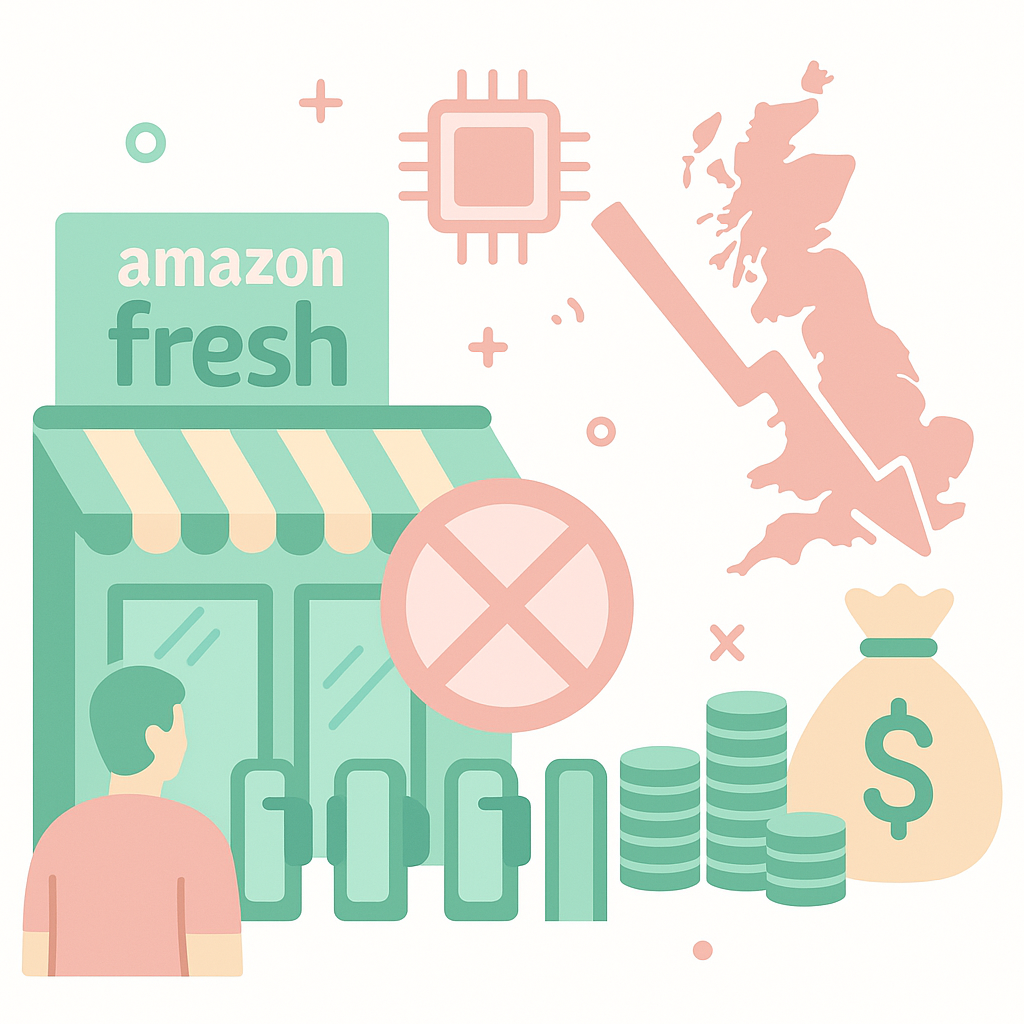
In August, Morrisons selected Everseen to deploy its Evercheck platform across 200 stores in an initial rollout. The computer vision checkout identifies possible missed scans and gives shoppers prompts to correct them before calling a colleague.
The pressure behind the cameras is real
Retailers are not adding monitoring technology without reason. The British Retail Consortium Crime Report 2026 says customer theft now accounts for the majority of recorded retail crime. It also reports that delivery theft losses exceeded £100 million during the period studied.
Those figures explain why loss prevention dominates technology conversations. But urgency can narrow the brief. If the answer to every risk is another camera, screen or alert, the retailer may reduce one problem while creating extra cost, complexity and customer suspicion elsewhere.
More intelligence can create more work
A smarter fixed checkout is still a fixed checkout. It occupies space, depends on installed hardware and introduces another system for teams to understand. Prompts may resolve some exceptions without help, but retailers should still measure how often customers hesitate, abandon a transaction or look for a colleague.
Privacy also belongs in the commercial case. BizTech reports that privacy controls, clear retention policies and transparent communication should be designed into computer vision systems from the start. Customer trust in retail is not an abstract concern. It is shaped at the moment a shopper feels watched, challenged or confused.
The better benchmark is operational leverage
Retailers should judge checkout by what it makes possible beyond the transaction. Before investing, ask whether the model can:
- support longer opening hours without a dedicated till role;
- release colleagues for advice and selling;
- work in smaller or additional locations;
- avoid a large hardware project;
- fit alongside proportionate anti-theft measures.
These questions expose the real economics. The objective is not simply to process a basket with fewer interventions. It is to grow trading capacity without allowing retail staffing costs, checkout hardware and operational complexity to rise at the same rate.
A lighter path will suit some stores
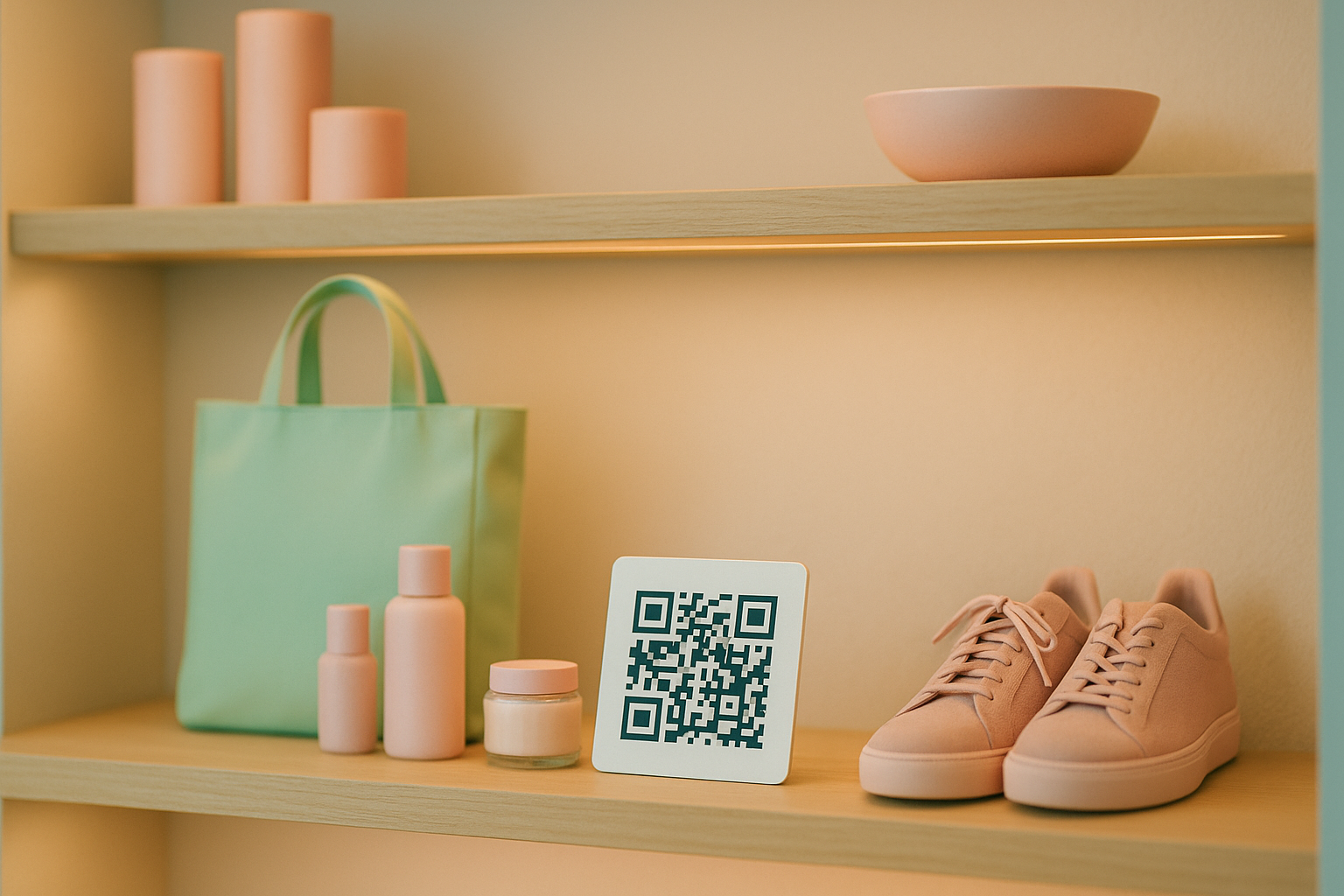
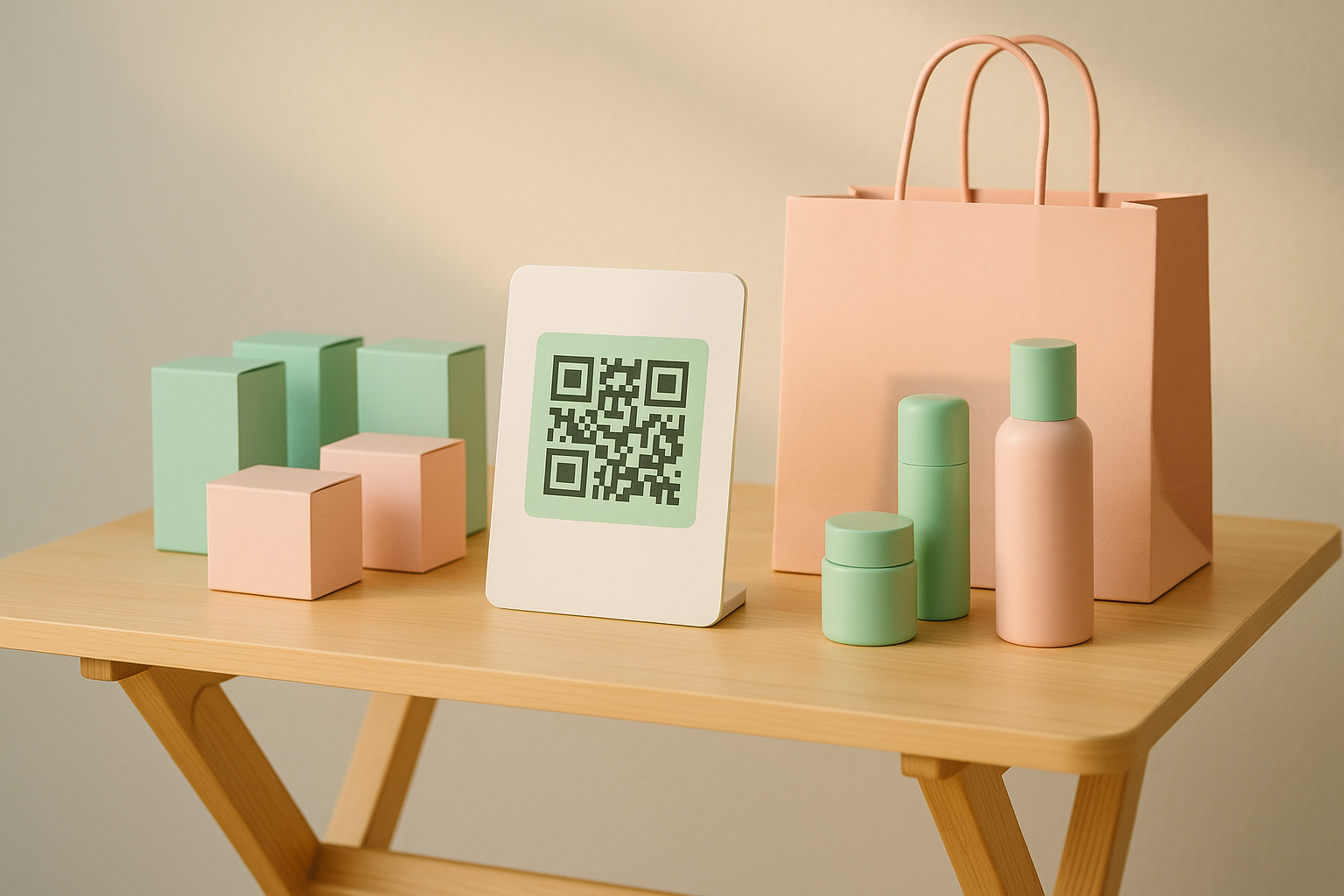
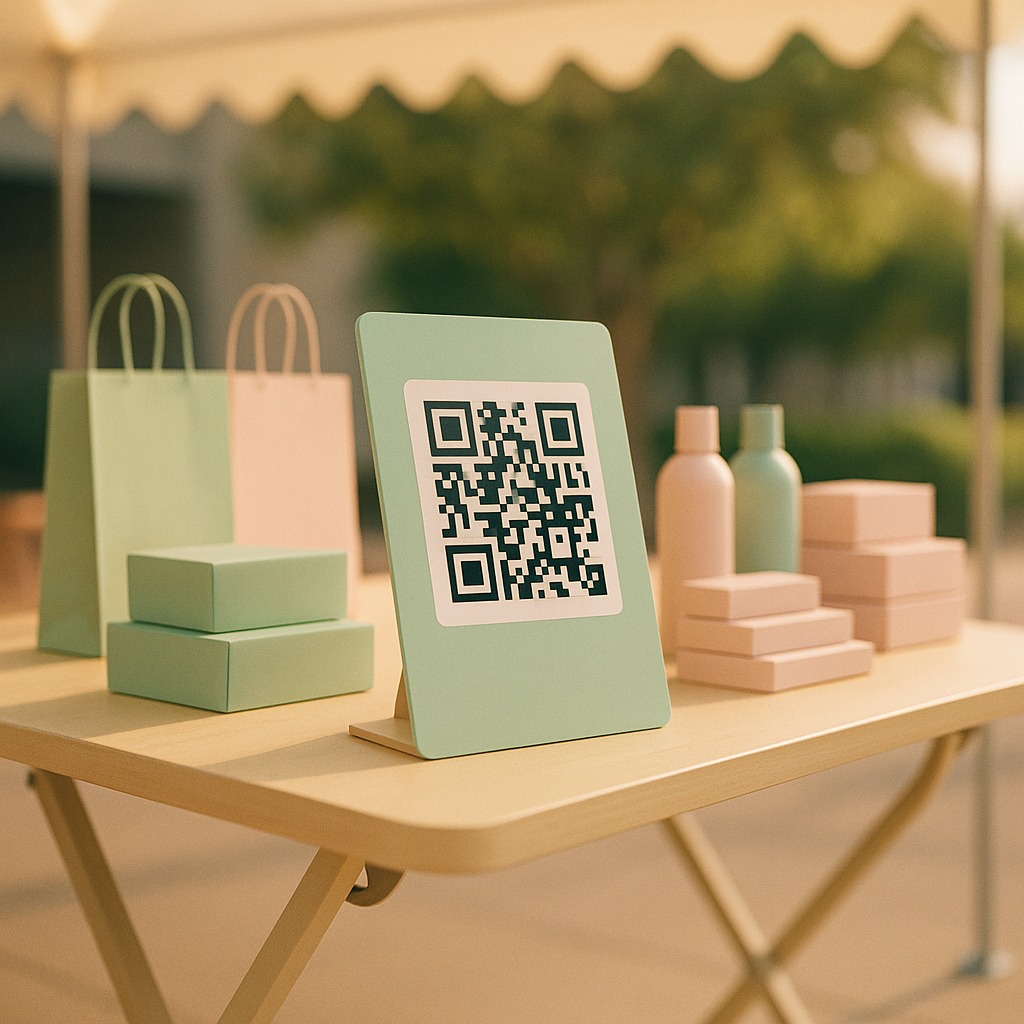
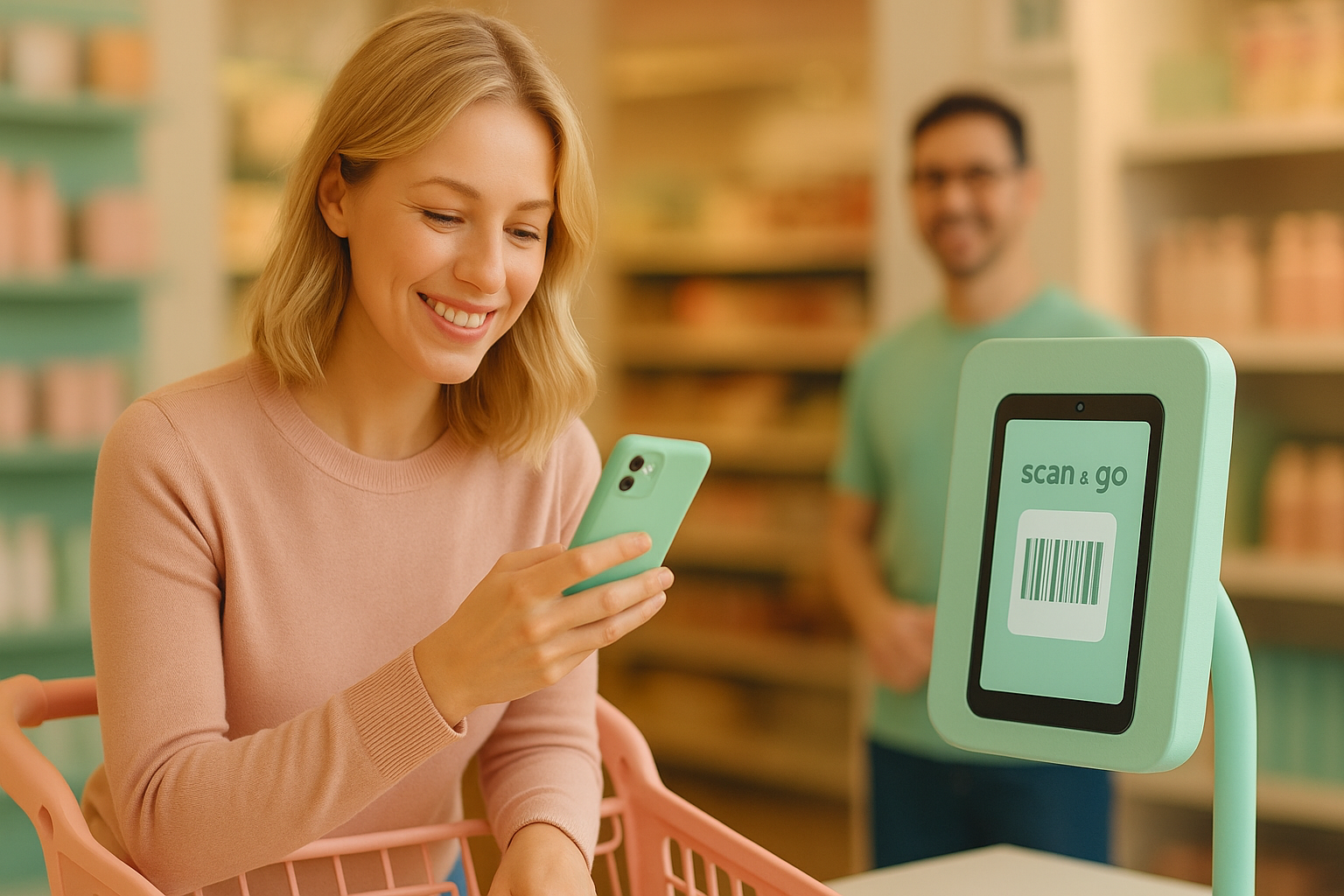
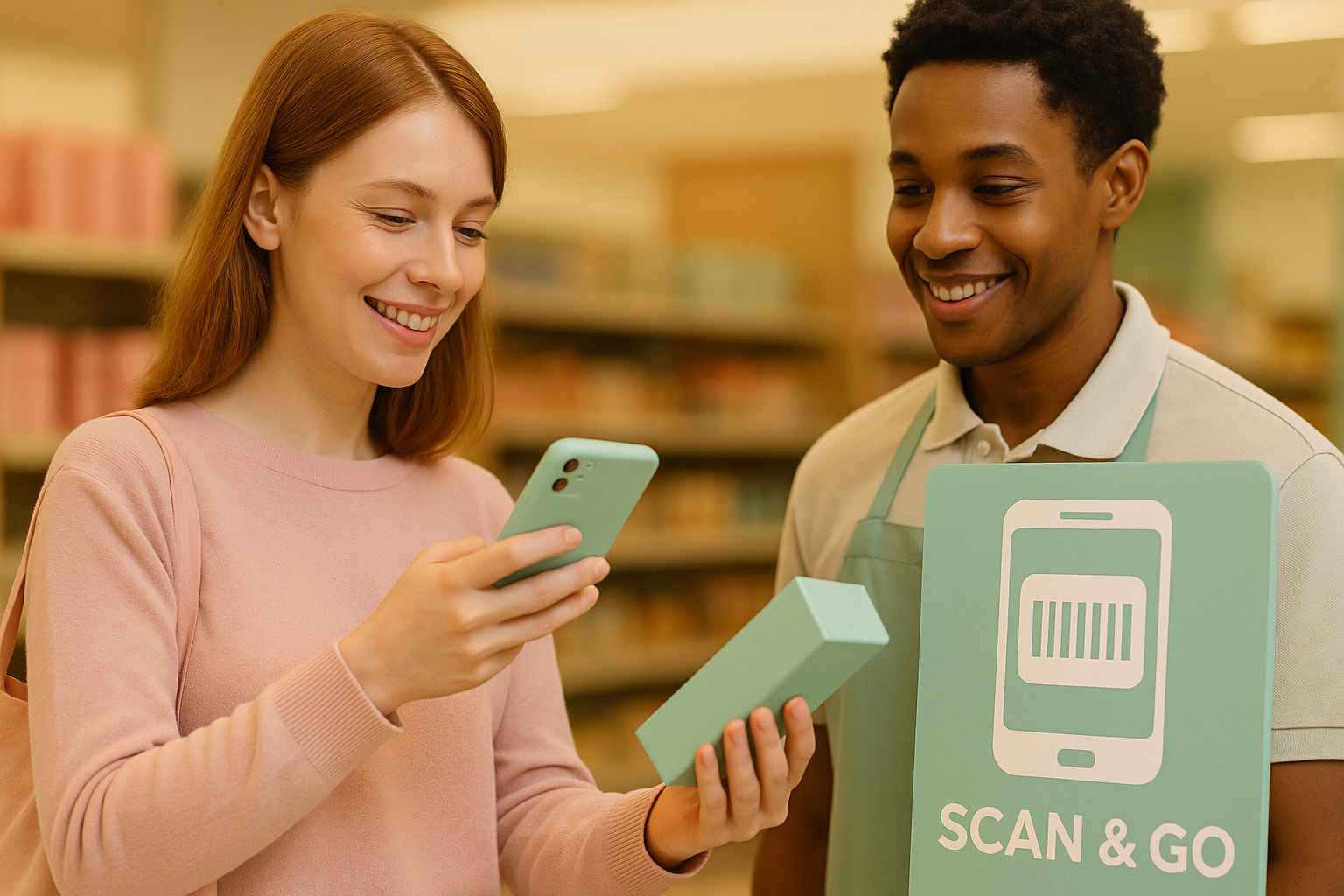
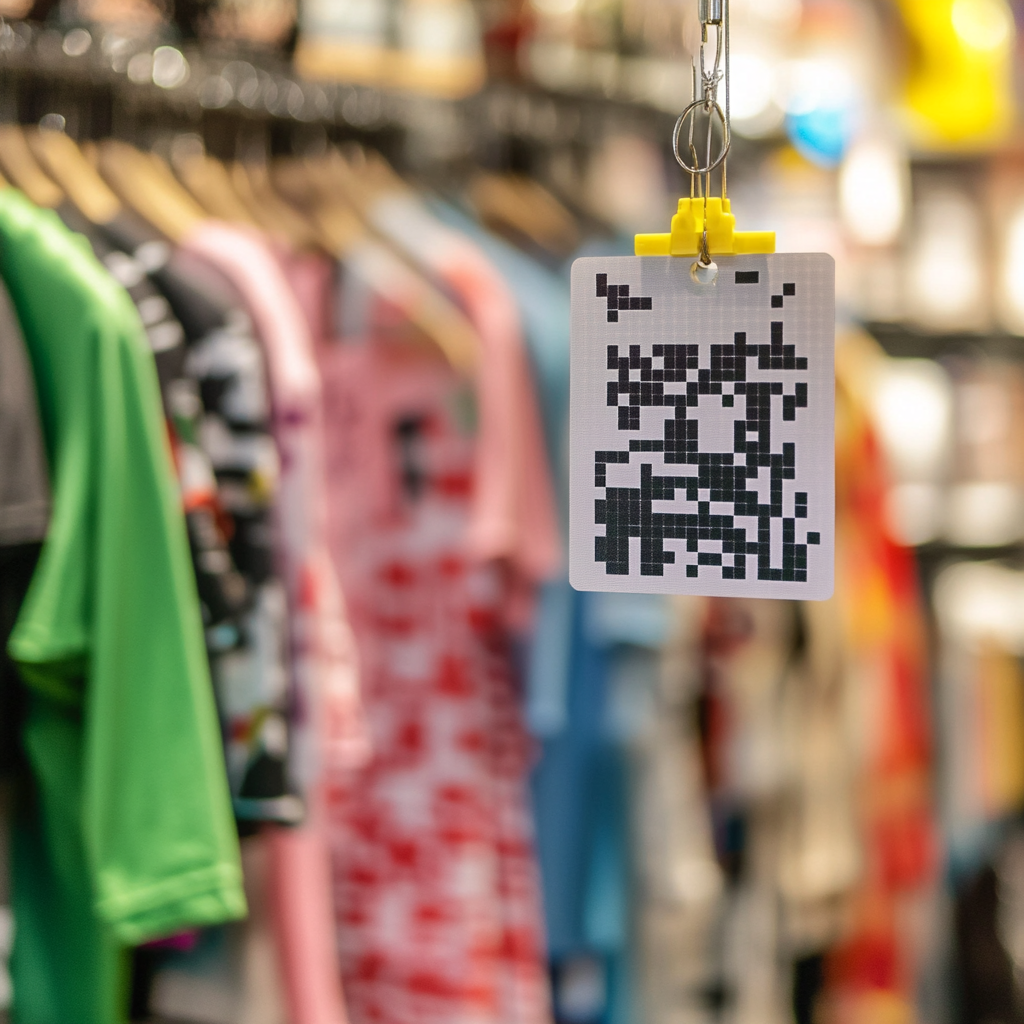
Not every retailer needs to join the checkout hardware arms race. With Pendoo mobile checkout, shoppers scan a store QR code, scan product barcodes and pay on their own phone without downloading an app. Shopify integration is live, a free plan is available, and the platform works alongside existing anti-theft arrangements.
Mobile checkout will not suit every basket, customer or store format. That is precisely why retailers should test the operating model rather than adopt technology for its novelty. The right system should reflect the product range, customer behaviour, loss profile and expansion plan.
Trust should become an operating metric
The next checkout debate should measure confidence as carefully as speed. During any trial, retailers can track:
- requests for staff help;
- abandoned baskets;
- minutes spent resolving exceptions;
- customer comments about clarity and control.
The winning checkout will not necessarily be the cleverest. It will be the one that turns labour into useful human service and makes physical growth workable, without making honest customers feel that efficiency comes at the price of trust.
Like what you read?
Sign up and start running your store on your terms — free plan available.