A shop can extend its opening hours on paper. Someone still has to be there when a customer becomes aggressive, a payment needs explaining or a colleague feels unsafe. That part of the growth plan rarely fits neatly into a spreadsheet.
The concern is current, not hypothetical. In September 2026, the Retail Trust introduced new safety guidance addressing situations including workers being filmed without consent or followed home, according to Talking Retail.
The scale matters too. The British Retail Consortium’s 2026 crime report puts violence and abuse against shopworkers at 1,600 incidents a day. That figure should prompt more than another training reminder. It should change how retailers design a shift.
More trading hours need more than a sales forecast
Longer trading hours can look attractive when demand extends beyond the usual closing time. But the useful question is not simply whether those hours could bring in sales. It is whether colleagues can run them with enough support.
Ask who is available when a situation escalates. Can a worker step away without leaving the floor uncovered? Who responds to a disputed transaction? If the answer is always the same person, a lean staffing plan may be transferring cost into risk.
That does not mean every additional hour needs a dedicated checkout hire. It means removing a task from the rota and removing a person from the shift are different decisions. Retail worker safety has to be part of the calculation.
Make the buying journey clear without making staff the barrier
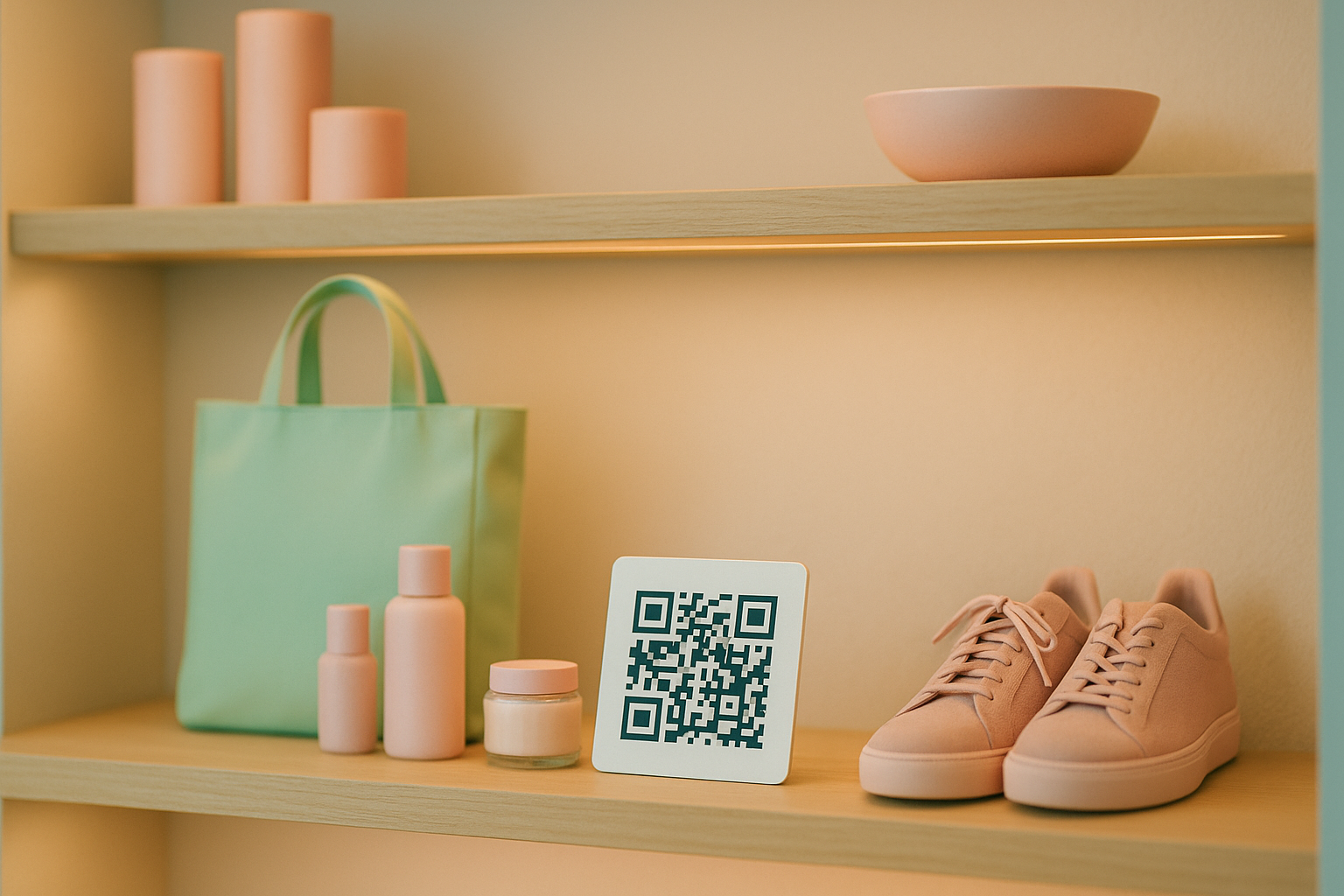
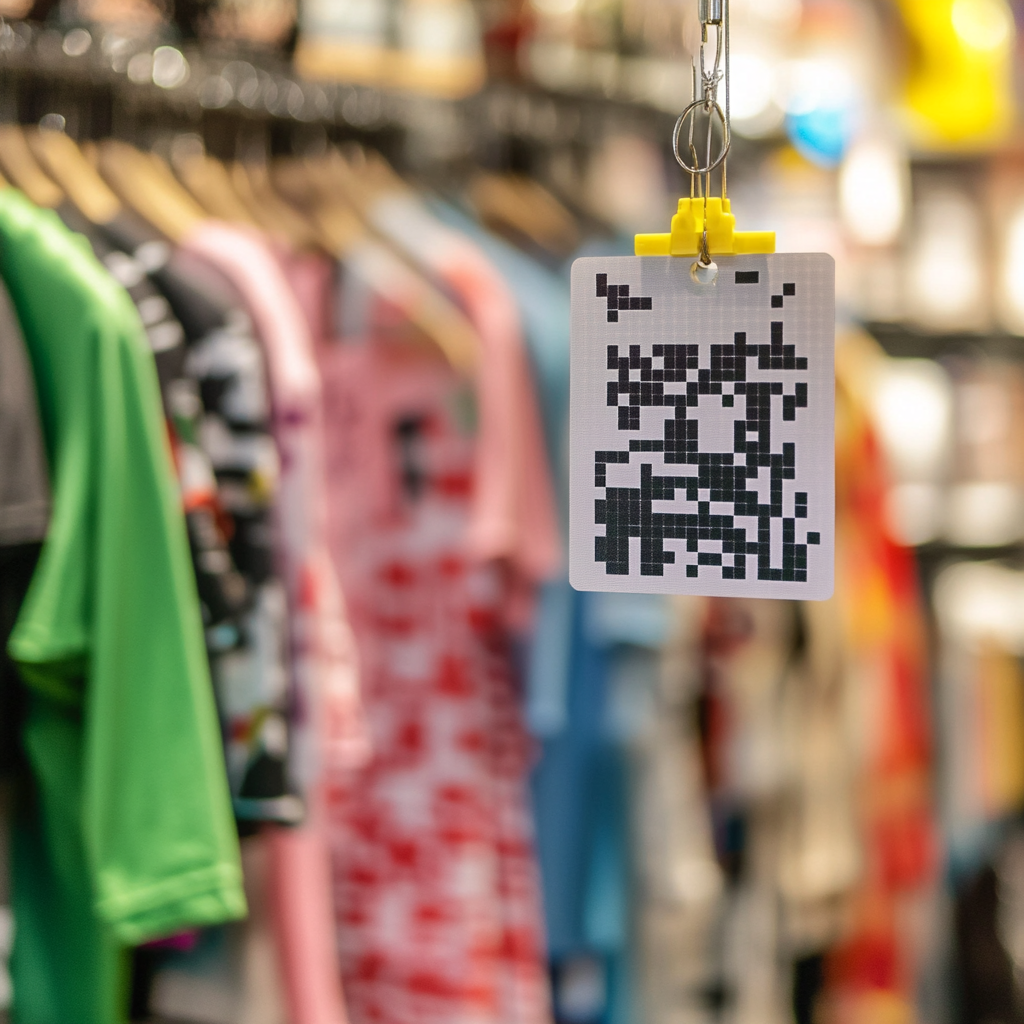
Mobile checkout can give customers another way to complete a purchase. With Pendoo, shoppers scan a store QR code, scan product barcodes and pay on their phone without downloading an app. Colleagues can spend less time processing straightforward transactions.
But technology does not resolve a confrontation. A retailer still needs a clear process for purchase questions, security checks and customers who prefer help. If nobody knows who handles an exception, the colleague nearest the exit may become the default answer.
Before changing checkout, walk through the experience as both a shopper and a team member. Where might someone be confused about whether payment is complete? What should staff do if a customer challenges a check? Decide the response before a busy shift supplies one.
Put four questions beside the growth numbers
A store safety plan need not start with a large project. Start with the next proposed change to hours, space or staffing, and ask:
- Coverage: Who can support a colleague during a difficult interaction, and how will they be reached?
- Exceptions: Who handles payment problems or disputes without expecting floor staff to improvise?
- Layout: Can colleagues move away from a tense interaction and still get help?
- Aftercare: How will incidents be recorded, reviewed and followed up with the people involved?
These questions are useful before a change goes live, not only after something goes wrong. They also reveal whether time freed at checkout is genuinely available for advice and service, or quietly being used to cover a gap elsewhere.
Growth should give the team more room to do good work
The point of a leaner checkout model is not to leave fewer people dealing with harder situations. It is to make growth less dependent on dedicated transaction labour while protecting the human work a store still needs.
So test a proposed change on two measures: what does it do for the economics, and what does the shift feel like for the people running it? If the first improves while the second deteriorates, the plan is not finished.
Retail staff wellbeing is not separate from expansion. It is one of the conditions that makes expansion sustainable. Give colleagues a clear route to help, a defined role when transactions become difficult and time to serve customers well. Then the extra trading capacity means something.
Like what you read?
Sign up and start running your store on your terms — free plan available.