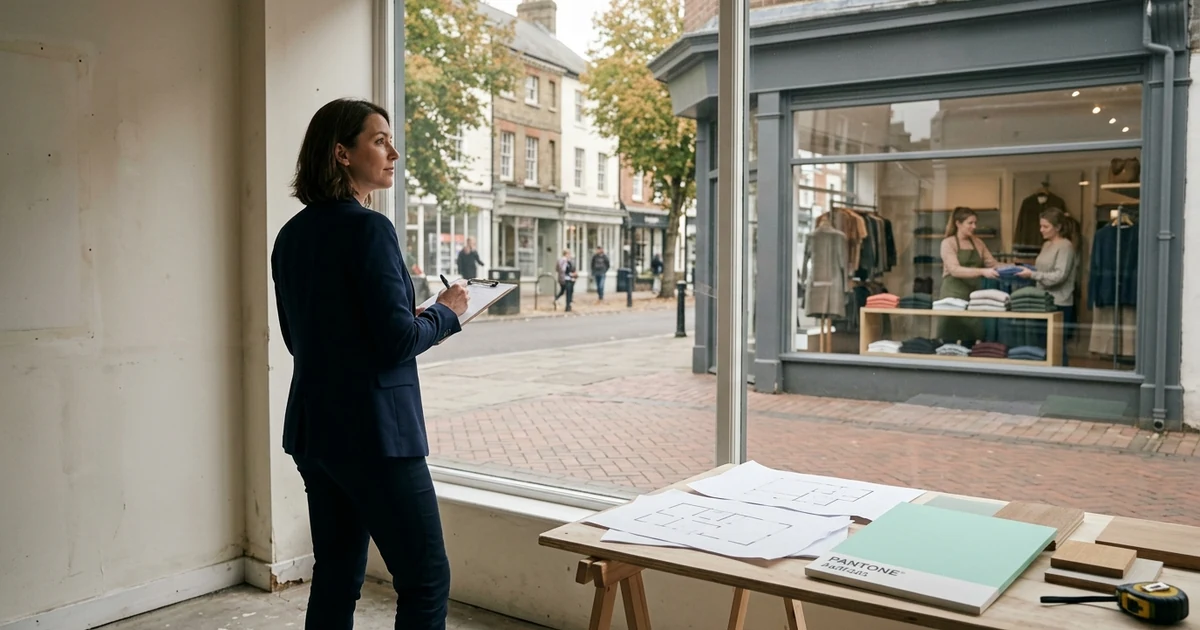
A better sales headline can make a postponed store opening feel possible again. That is welcome. But before reviving the expansion spreadsheet, ask a less comfortable question: has the opportunity improved, or has the number at the top simply got bigger?
The current retail sales recovery deserves attention. It does not give every retailer permission to grow. The useful question is whether additional demand can support additional trading costs without tying another colleague to a till.
Read the recovery without borrowing its confidence
The Office for National Statistics release published on 18 September says retail sales rose in the three months to August 2026, according to its first estimate. That is encouraging context, not a forecast for your next address.
A separate signal comes from the US. NRSInsights reported that June same-store sales increased 3.4% year on year, while the average price paid for its top 500 items increased 1.3%.
These are different markets and measures, not numbers to combine. Neither tells us what your proposed branch would earn. The NRS figures also invite a useful distinction: sales growth and changes in prices should be examined separately. Its selected-item price measure is not a deflator for the whole sales figure.
Your next branch needs its own evidence
The practical danger is letting national optimism stand in for local proof. A healthier market can justify investigating store expansion. It cannot answer whether enough people will buy your products, at your margins, in a particular catchment.
Start with the existing business. Separate money taken from transactions completed, units sold and contribution after product costs. Then examine those measures by trading period rather than treating a good month as one uniform block.
Consider a hypothetical shop whose weekly revenue rises while transaction numbers stay flat. That might reflect higher prices or a richer product mix. It does not, by itself, demonstrate enough additional customer demand to support another location.
The same discipline applies to longer opening hours. Interest from customers matters, but an extra evening must be judged against the costs of serving it, not against the reassuring direction of the national chart.
Build the operating model before the floor plan
Physical retail growth becomes more interesting when you question which costs genuinely need to repeat. Instead of copying the existing branch, list the work the new trading opportunity requires.
- Which tasks require a person, such as advice, replenishment and customer support?
- Which transactions could customers complete independently?
- What minimum coverage is necessary for safety, accessibility and handling exceptions?
This is not an argument for removing people. It is an argument against automatically treating every additional sale as another claim on their transaction-processing time.
Retail operating costs should follow the service promise, not an inherited floor plan. Protect the moments where a colleague makes the difference. Question the routine work that prevents them being available.
Test the constraint, not just the technology
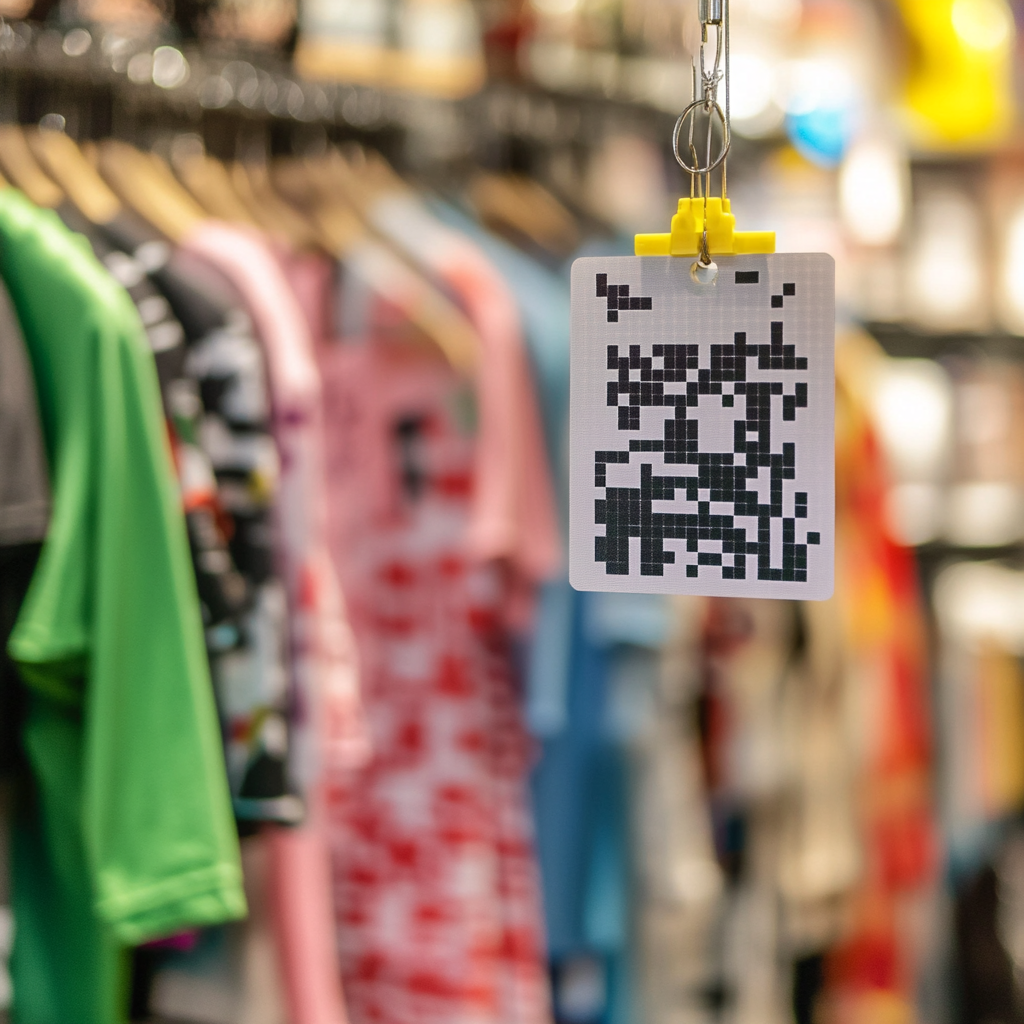
Pendoo offers one way to test that distinction through mobile checkout. Shoppers scan a store QR code, scan product barcodes, build a basket and pay on their phone without downloading an app. Shopify integration is live, and a free plan is available.
That mechanism does not prove a location will work. Nor does it remove the need for appropriate staffing. It gives retailers a different checkout model to assess alongside their service requirements.
Before committing to expansion, test whether customers complete purchases comfortably, how often assistance is needed and whether colleagues gain useful time for service. Treat those as questions, not promised results.
A recovery is a reason to look again. Your own evidence should decide whether to sign.
Like what you read?
Sign up and start running your store on your terms — free plan available.