A new location should not require a matching increase in checkout staffing. But a leaner operating model needs another question alongside the wage forecast: what happens when the systems supporting that store stop working?
That is where retail cyber resilience becomes a shop-floor issue. Before adding selling space or extending hours, it is worth asking whether the team can recognise disruption, explain it to customers and respond without improvising.
The warning is current, but not retail-specific
In its July 2026 threat analysis, published on 12 August, Check Point reported an average of 2,336 weekly cyber attacks per organisation, up 16% year on year. Those are observations across its monitored organisations, not a forecast of attacks on your shop.
Separately, ANY.RUN's July review, published on 4 August, examined attacks affecting US and European organisations involving phishing, remote-access trojans and information stealers.
Neither report tells a retailer how many trading hours it will lose. The useful question is more practical: which everyday tasks would become impossible if an account, connection or service were unavailable?
Map the sale, not just the software
Start with a customer trying to buy something. Work backwards through the steps needed to complete that purchase, rather than starting with a list of technology suppliers.
Can the customer access the checkout? Can the product and price be retrieved? Can payment be authorised? Can staff confirm what happened if the customer sees an error?
These are questions to investigate, not assumptions about how any particular platform works. Ask each provider which dependencies matter, what a service interruption looks like and what staff should do.
A second checkout route is not automatically an independent fallback. Two routes might share a payment provider, internet connection or product system. Establish where they overlap before treating one as protection against the other.
The point is not to build an elaborate emergency architecture. It is to avoid discovering the store's dependencies while a customer is waiting for an answer.
Rehearse the human response
A short rehearsal can reveal gaps that a supplier questionnaire misses. Choose a quiet moment and walk through a hypothetical checkout interruption with the people who would actually handle it.
- Who decides whether trading should pause?
- How does the team check whether a payment succeeded?
- What should staff tell customers, without guessing?
- Who contacts the provider, and where are those details kept?
Keep the exercise proportionate. A small retailer needs usable instructions, not a document nobody can find. A growing group needs clarity about which decisions belong to the store and which require central support.
Retail business continuity also needs an honest labour plan. If your fallback requires a trained colleague, make that responsibility explicit. Do not count the same person as available for customer advice and emergency transaction handling simultaneously.
Make resilience part of the growth brief
Mobile checkout belongs in this discussion because growth should not depend on keeping someone permanently behind a till. Removing that routine task can give staff more time for advice, merchandising and customer care.
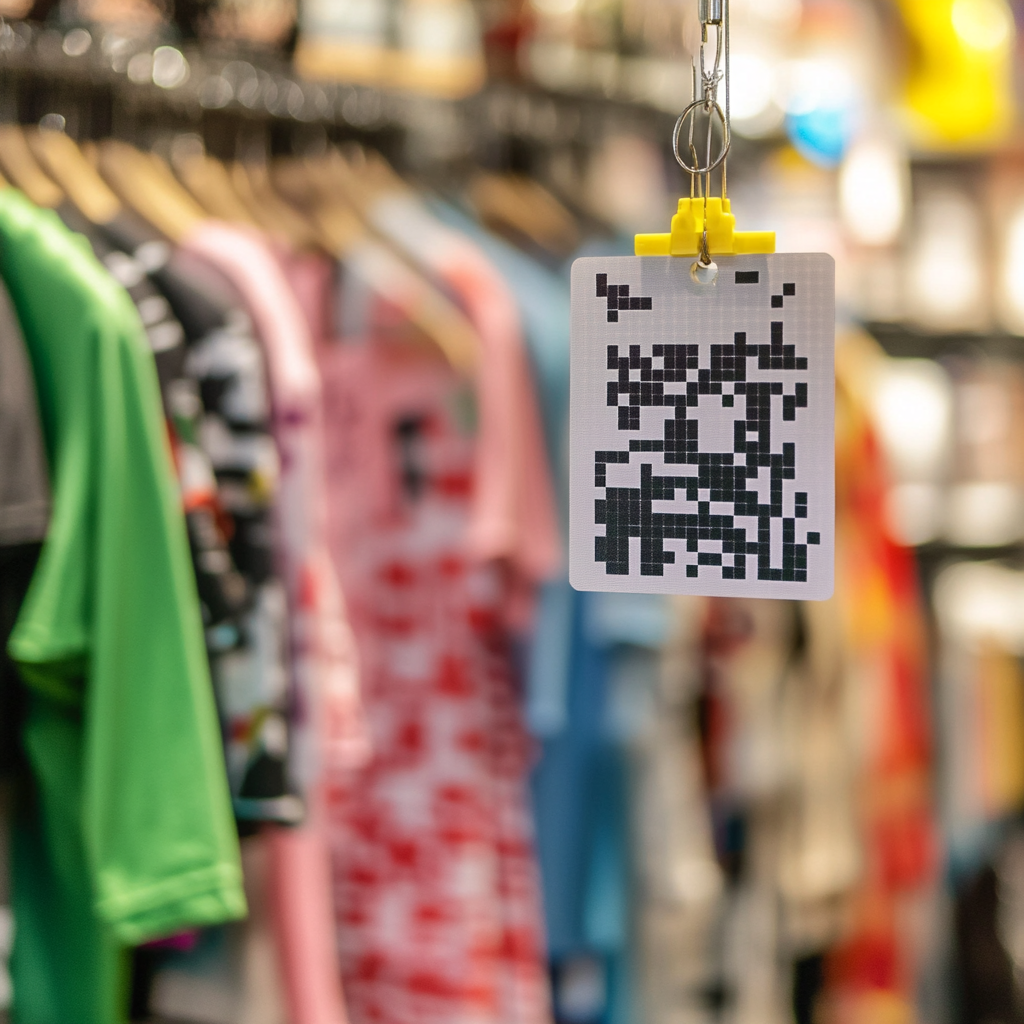
With Pendoo, shoppers scan a store QR code, scan product barcodes, build a basket and pay on their phone without downloading an app. Shopify integration is live, and a free plan is available.
That mechanism is not a claim of offline trading, immunity from cyber attacks or guaranteed continuity. Evaluate its dependencies alongside every other part of your store operations.
Before the next retail expansion, add one page to the store brief: essential services, failure signals, responsibilities and customer communication. Growth deserves a staffing model that works on ordinary days, and a response people understand when an ordinary day goes wrong.
Like what you read?
Sign up and start running your store on your terms — free plan available.