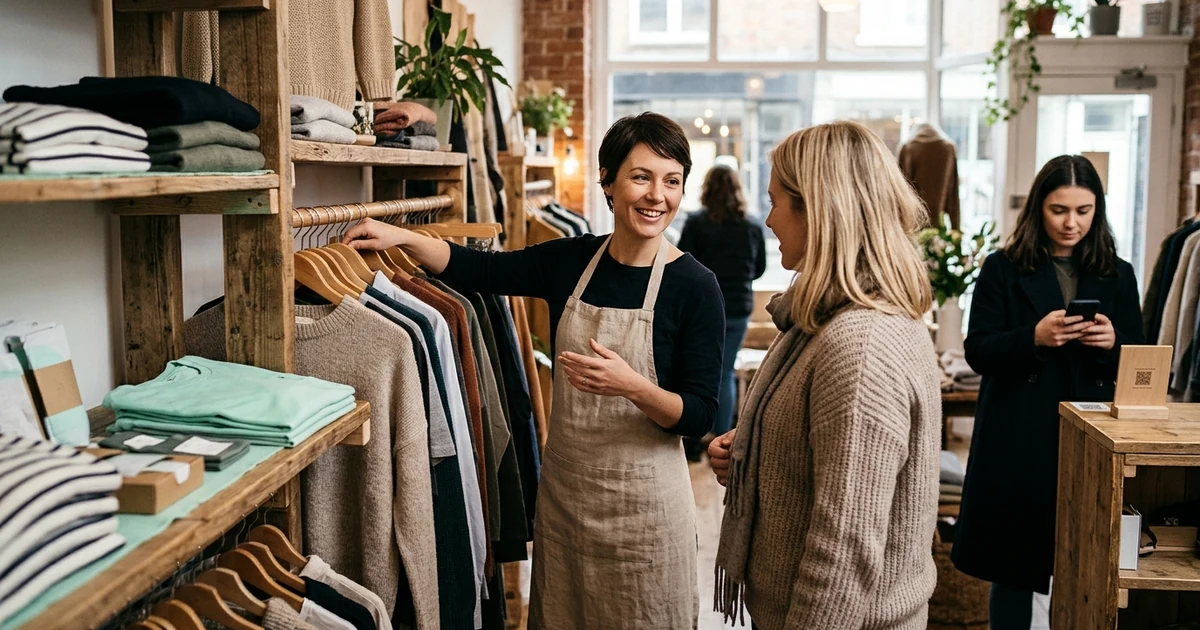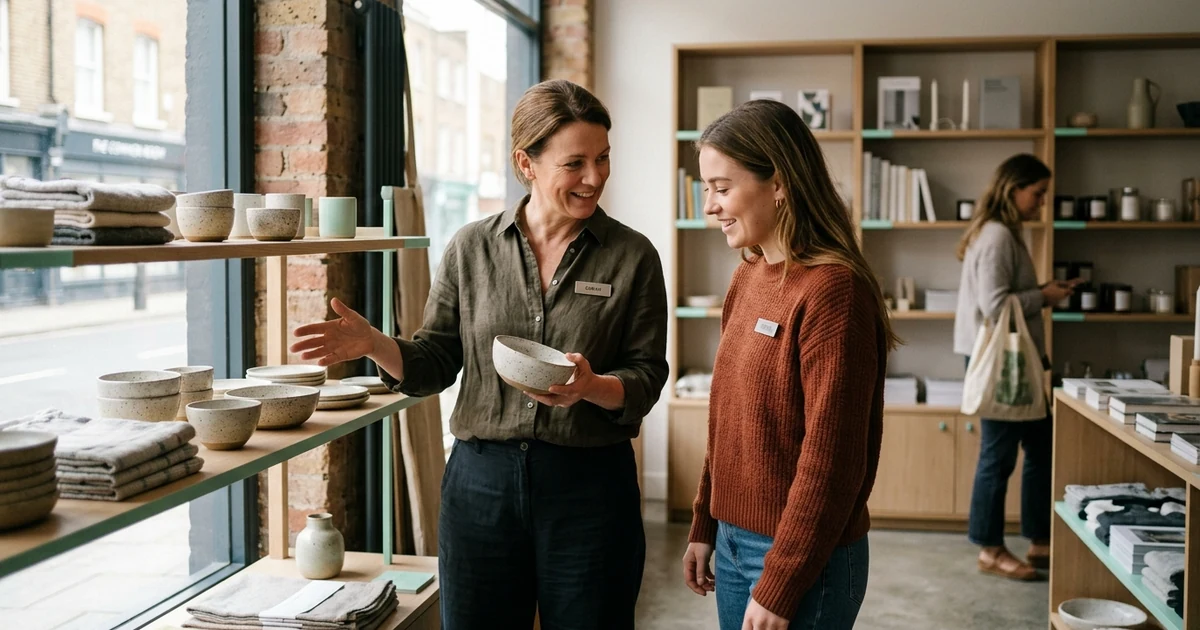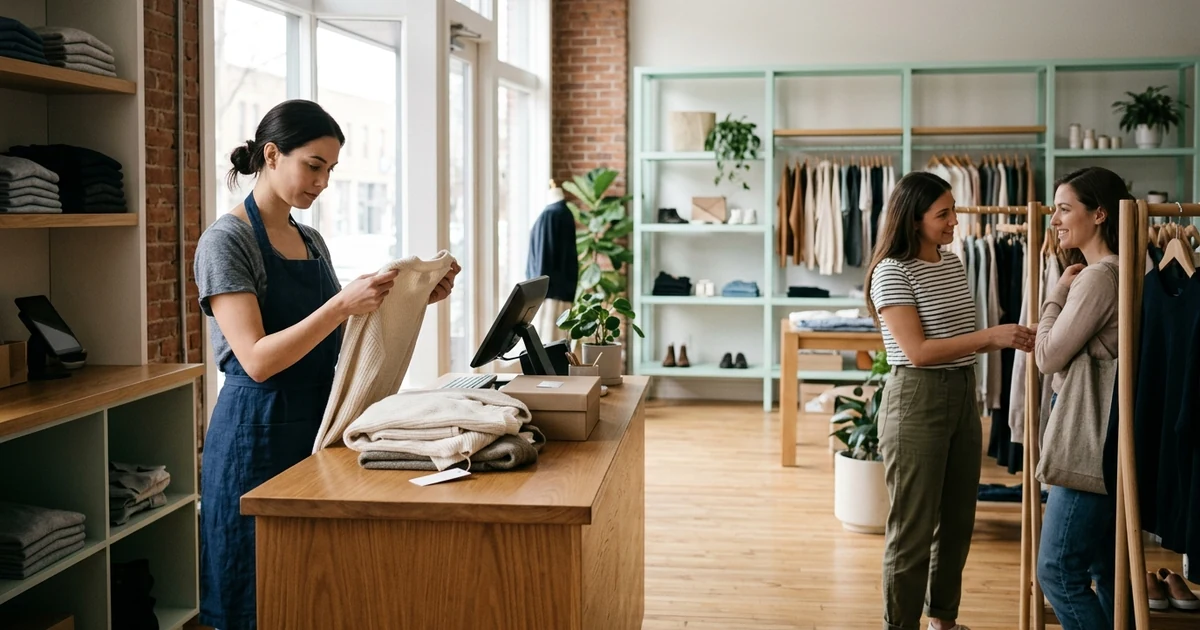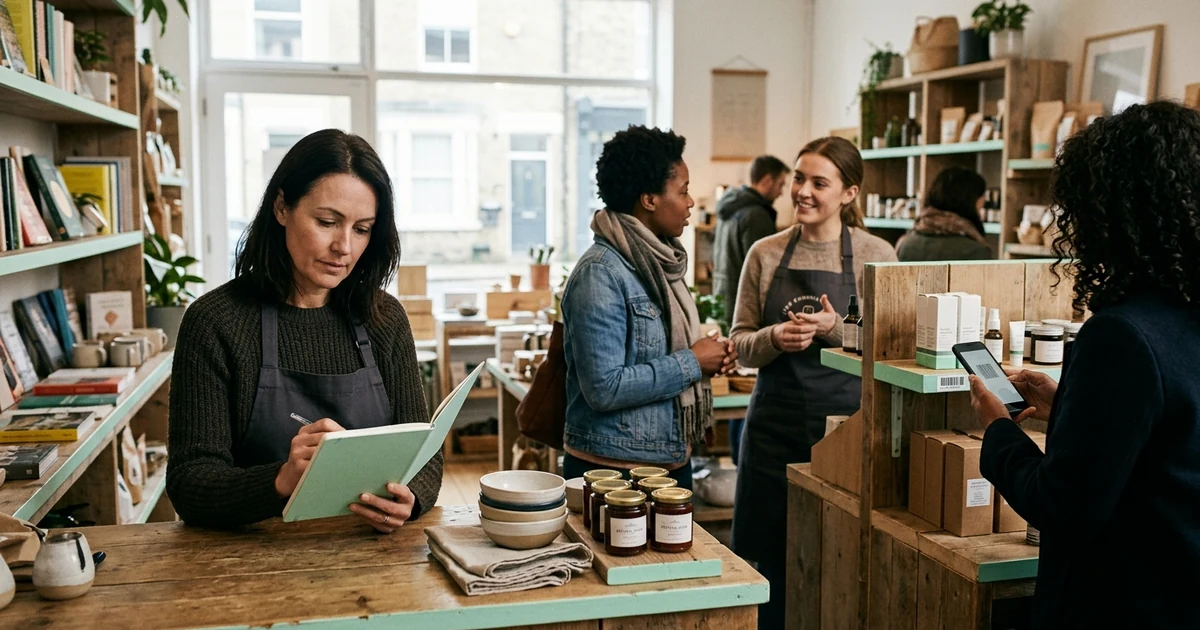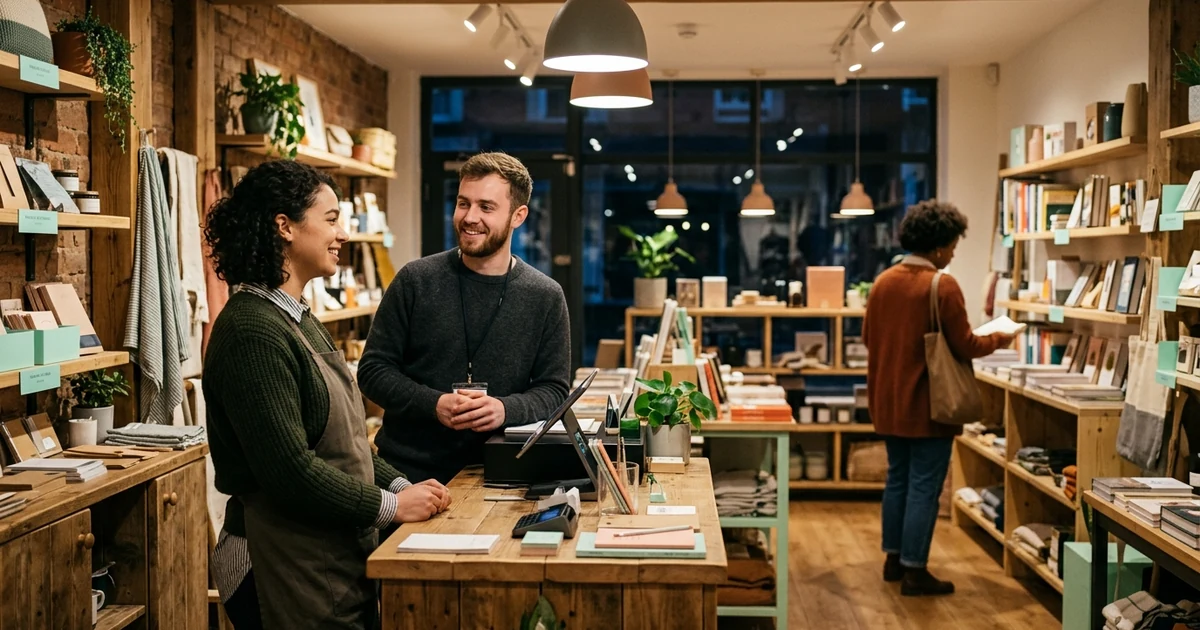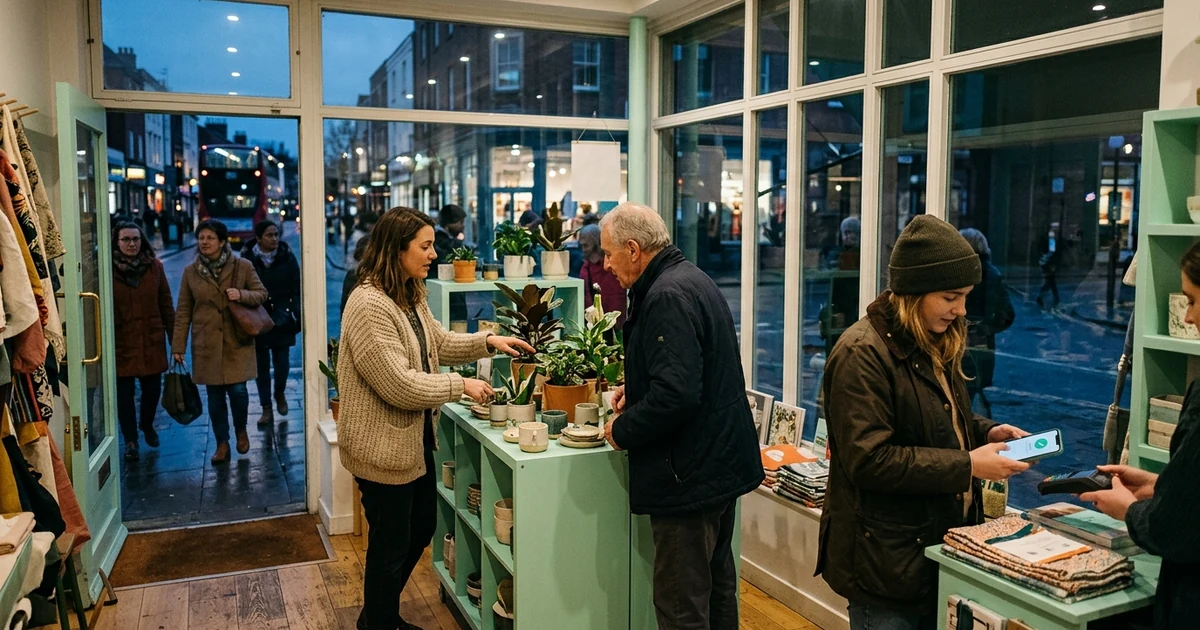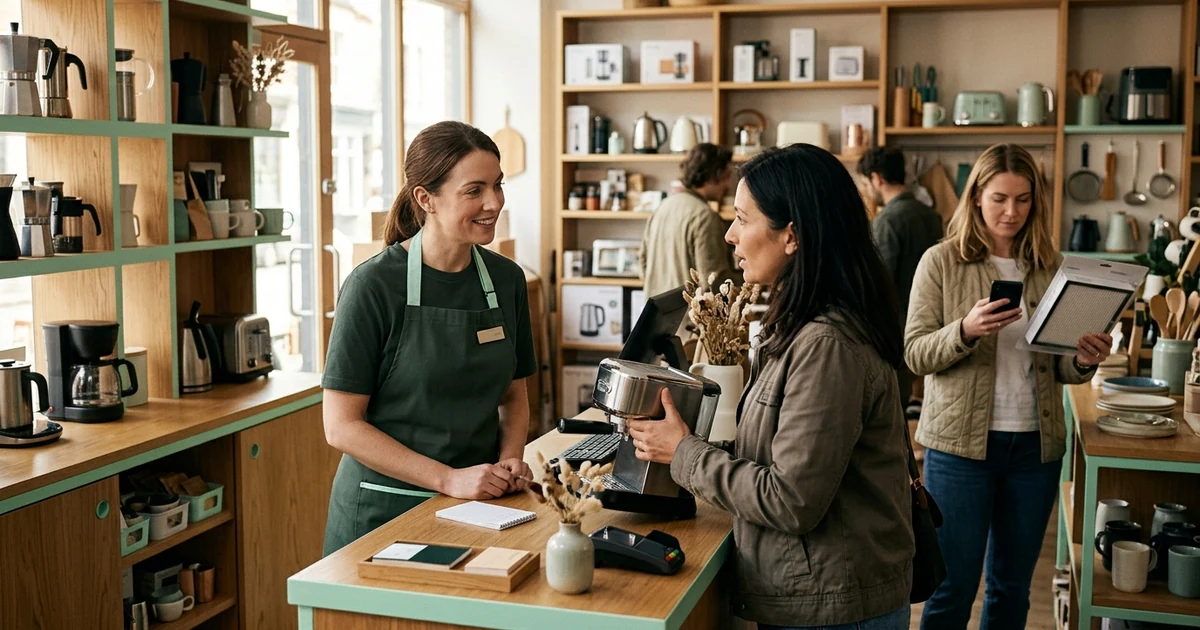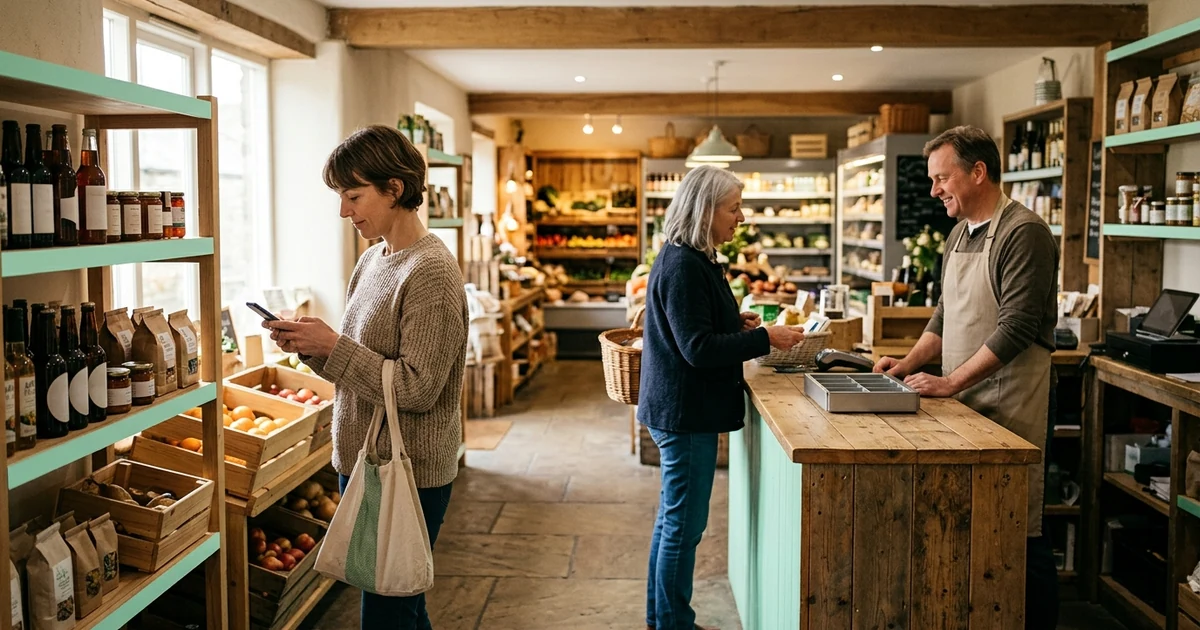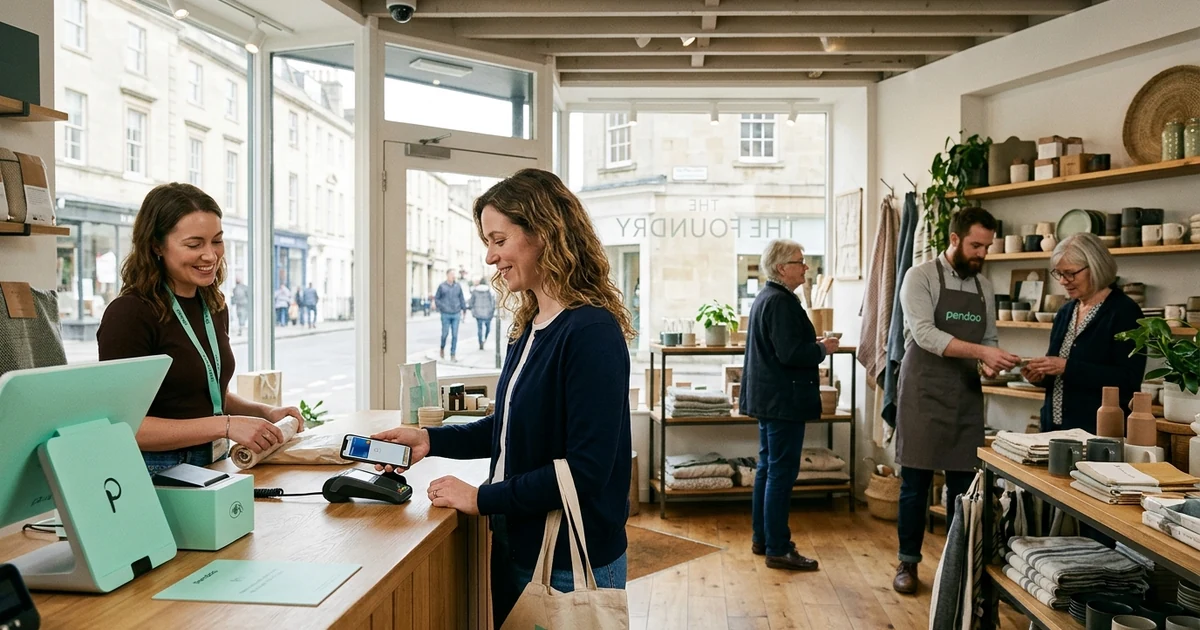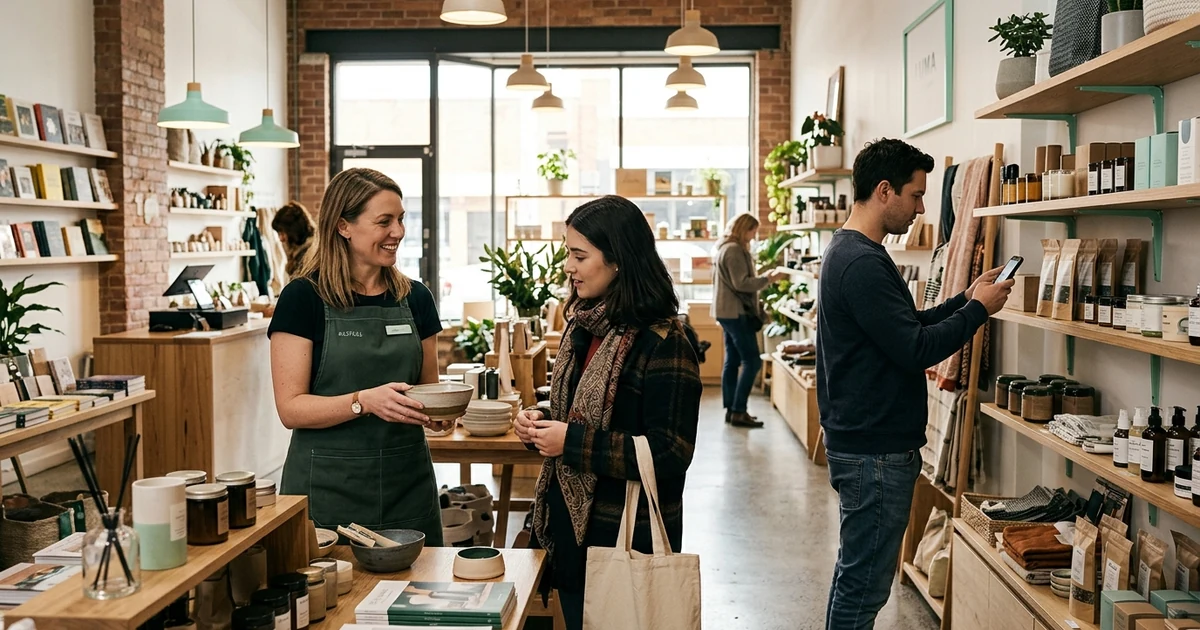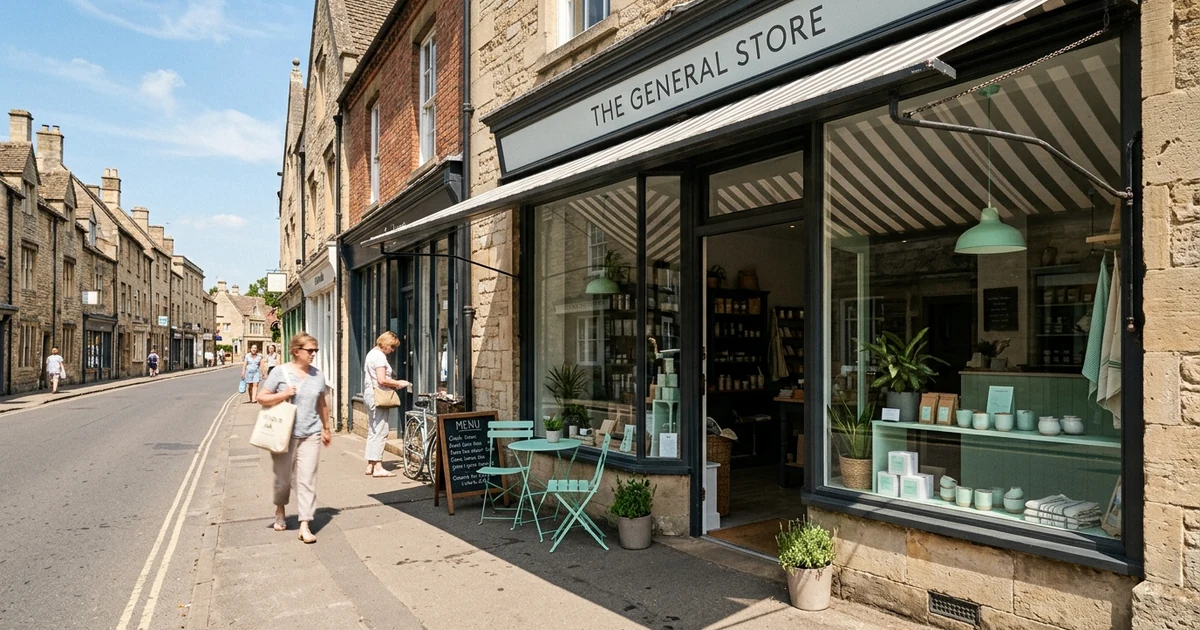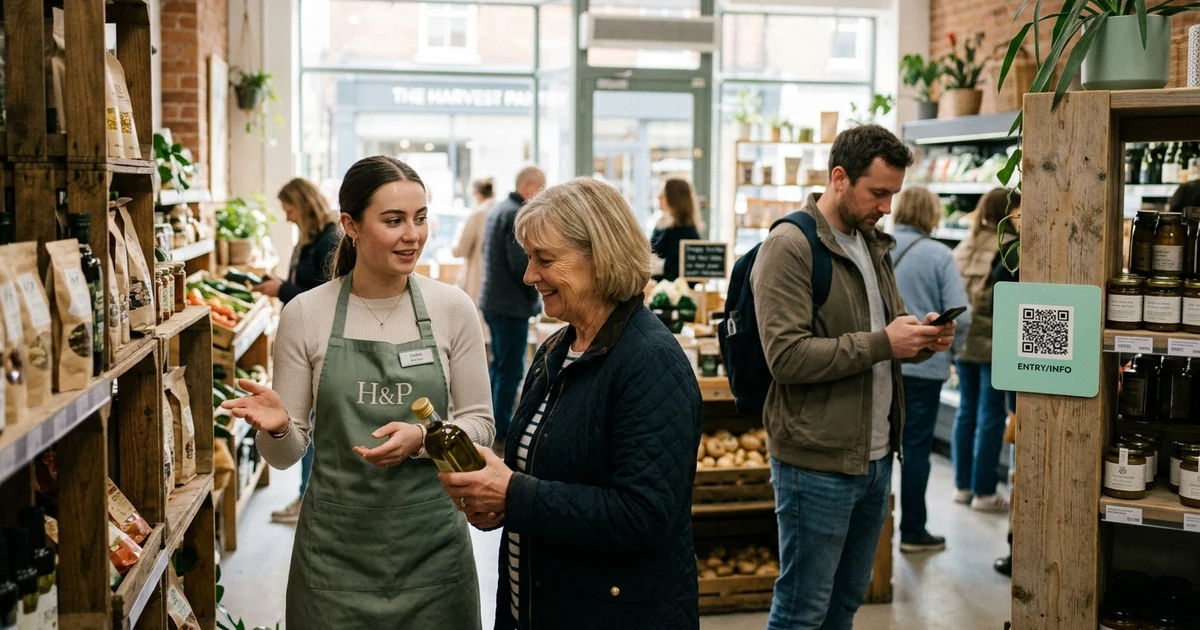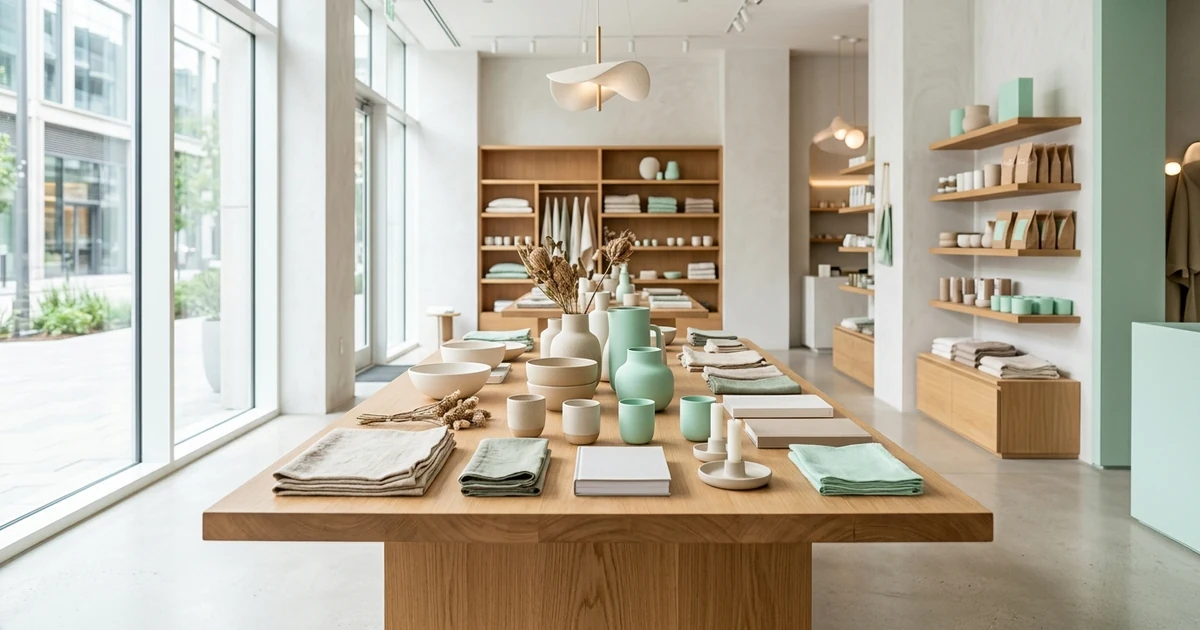
You've invested thousands in that stunning point-of-purchase display. The lighting hits perfectly. Products are arranged with precision. Customers stop, pick up items, examine them with genuine interest... then put them back down and walk away.
Sound familiar? Here's the uncomfortable truth: impulse merchandising only works when the path to purchase feels effortless. Your display might be doing its job brilliantly—capturing attention, sparking desire—but if the checkout experience creates friction, you're watching potential sales evaporate.
The Display Paradox Retail Owners Face
Retail psychology tells us that strategic product placement near checkout zones or high-traffic areas can boost impulse purchases by up to 60%. That's why you carefully consider every detail: brand consistency, visual hierarchy, interactive elements, even the psychology of color and positioning.
But there's a disconnect happening in stores everywhere. Customers make split-second purchasing decisions based on convenience. A fascinating product catches their eye at a display across the store, but they're already holding items. The thought of carrying everything to a distant checkout counter, then waiting in line? That's enough to kill the impulse entirely.
The investment in premium displays becomes partially wasted when the transaction itself becomes the bottleneck. Your merchandising strategy needs a checkout strategy that matches its sophistication.
When Queue Anxiety Undermines Your Merchandising
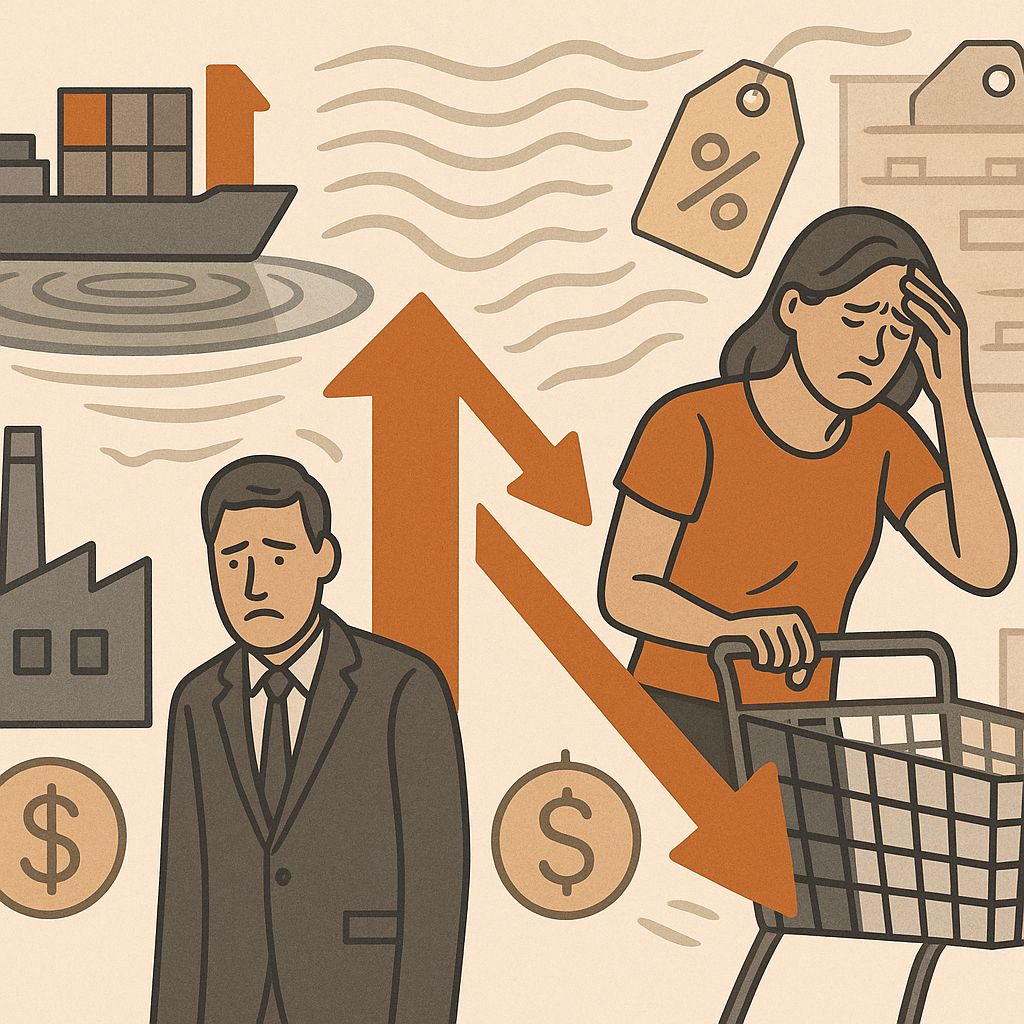
Consider what happens during peak hours. A customer discovers your carefully curated display featuring new seasonal items or complementary products. They're genuinely interested, but they glance toward the checkout area and see five people waiting. Research shows that 86% of consumers have left a store without purchasing specifically because of long lines.
The mental calculation happens instantly: Is this item worth the wait? For impulse purchases—which by definition aren't necessities—the answer is usually no. Your display generated interest and desire, completing 80% of the sale, only to lose it at the final hurdle.
This pattern creates another problem you might not immediately see. Customers learn to avoid browsing additional displays because they don't want to accumulate more items to carry. They become single-minded about grabbing necessities and leaving, blind to the merchandising opportunities you've created throughout the store.
Matching Transaction Speed to Impulse Decisions
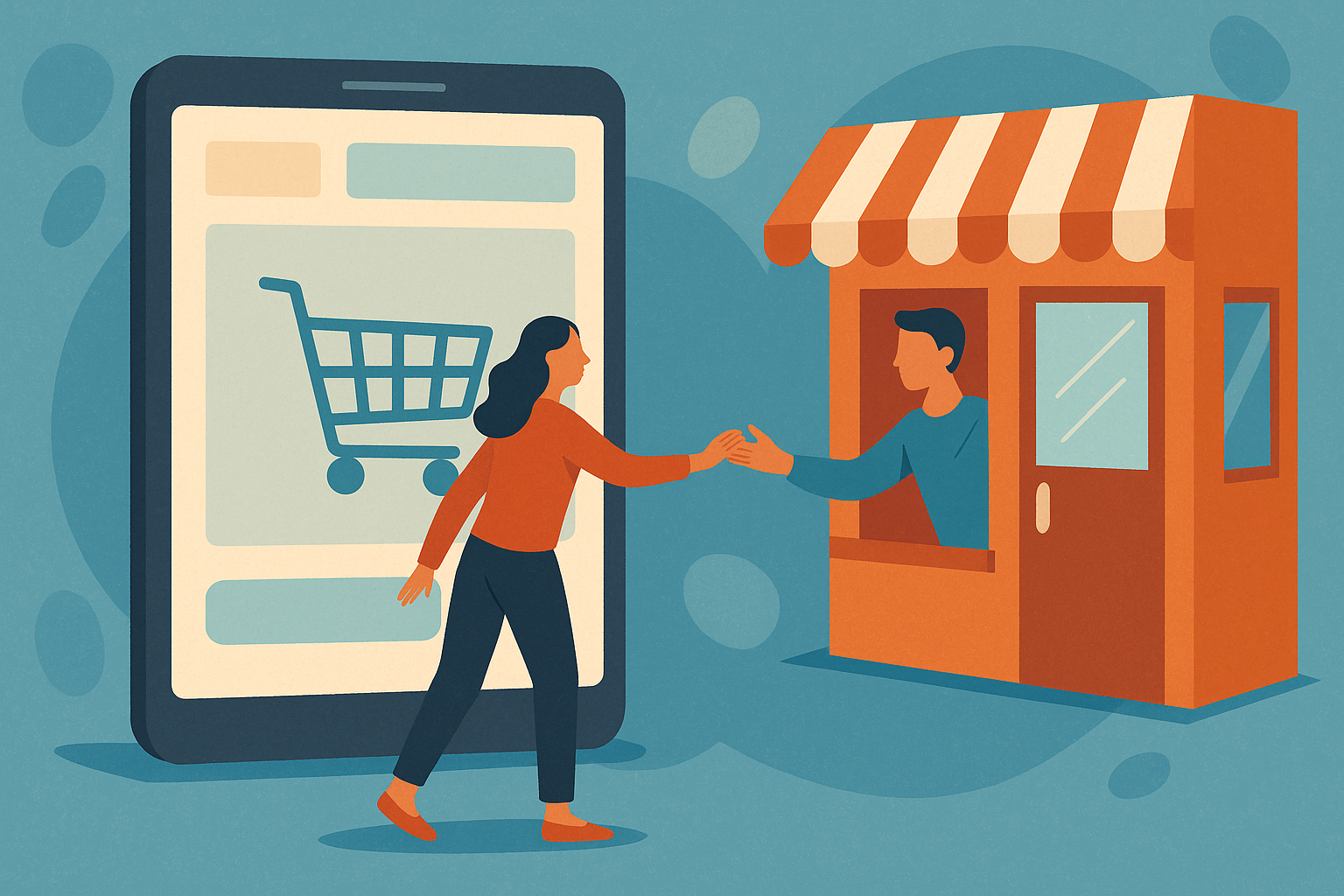
The solution isn't about making displays flashier or repositioning them yet again. It's about eliminating the friction between I want this and I own this. That's where scan-and-go technology fundamentally changes the equation.
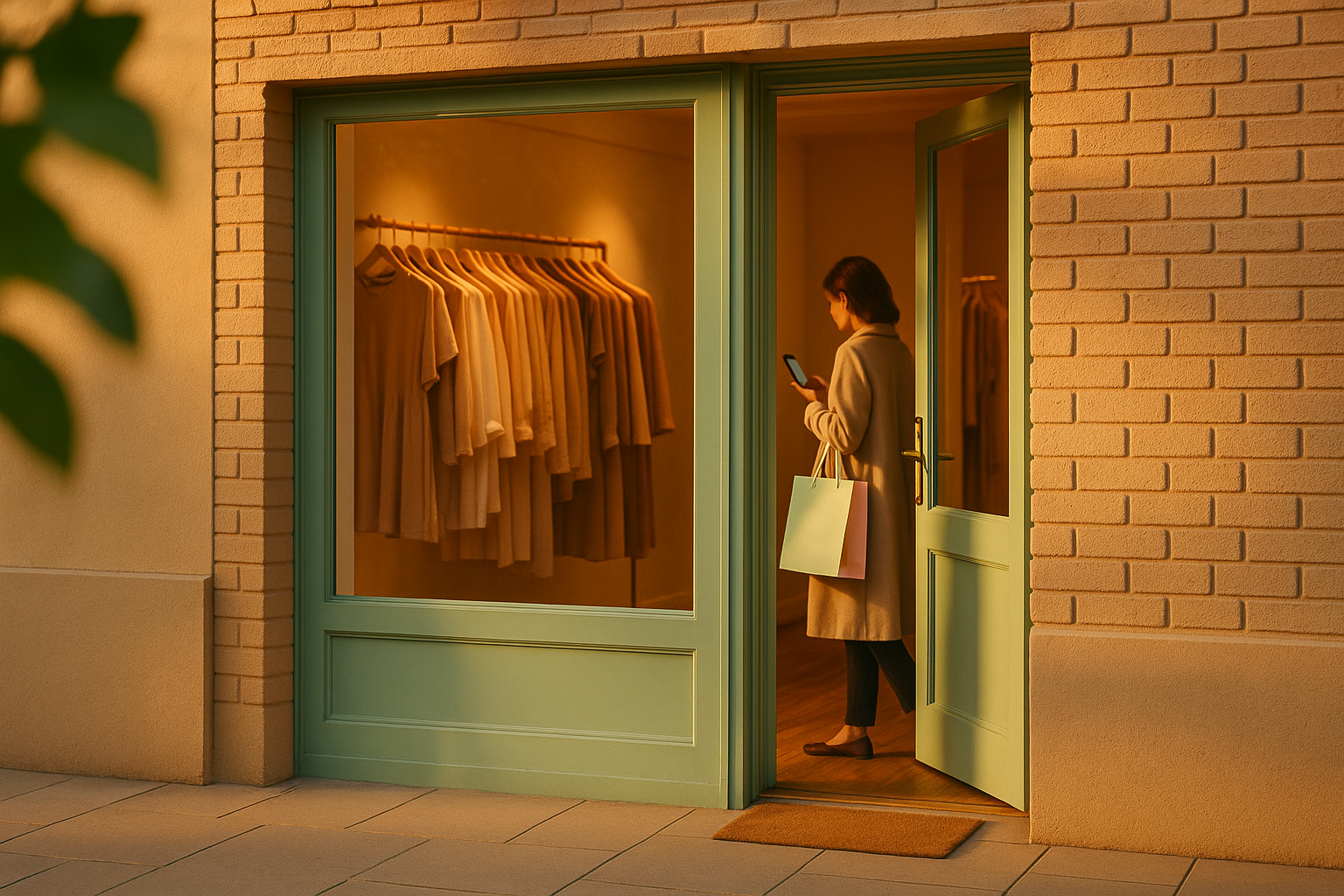
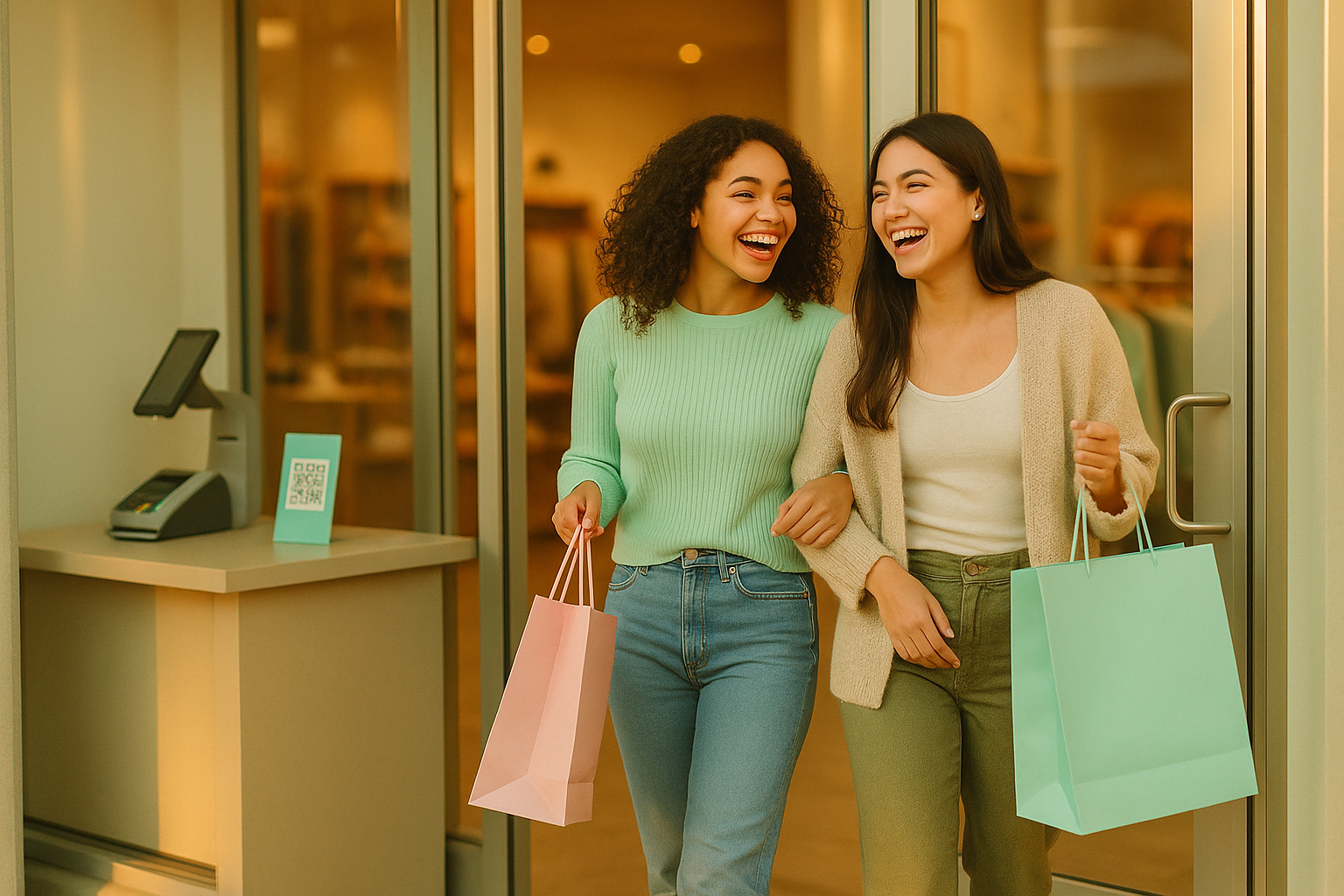
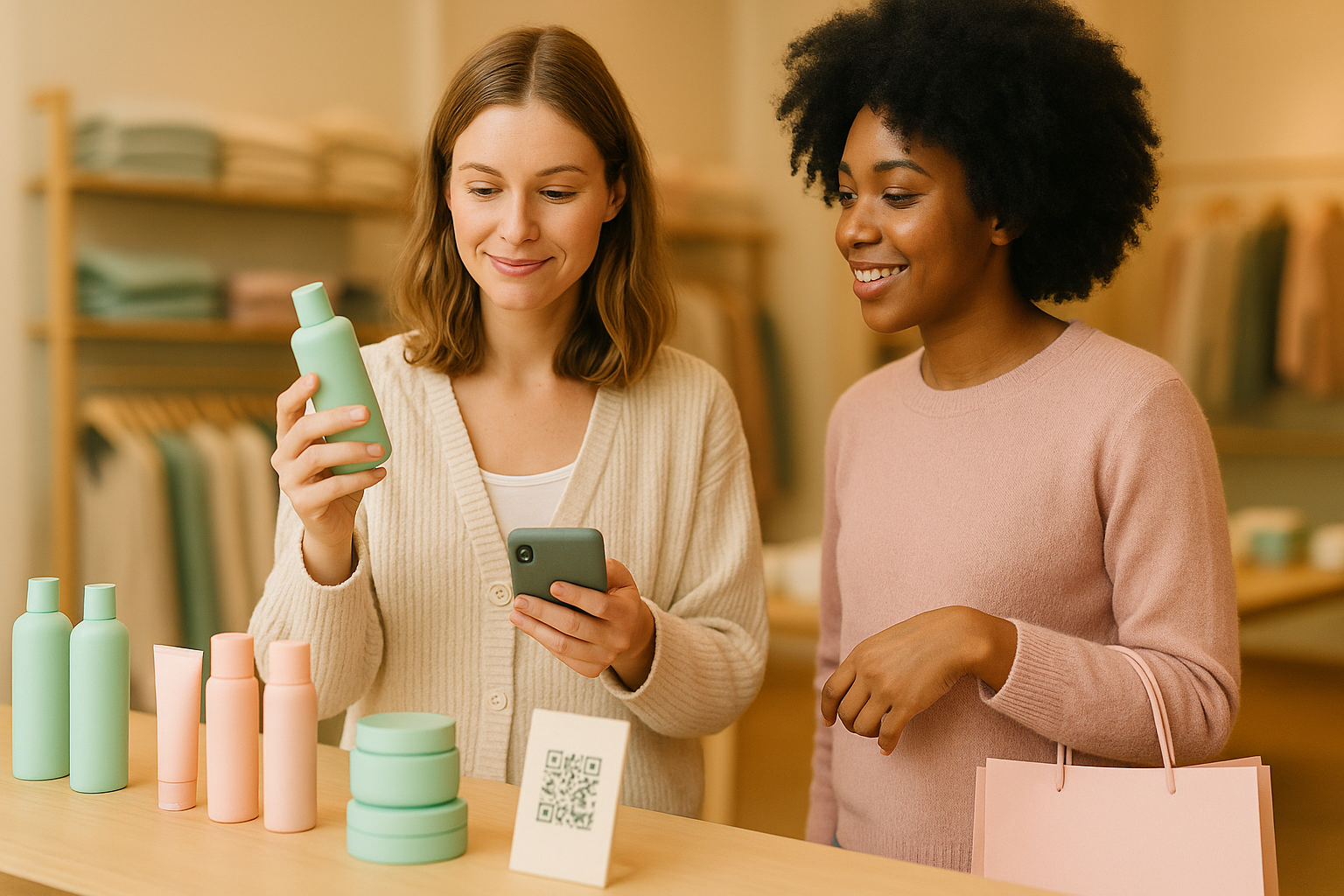
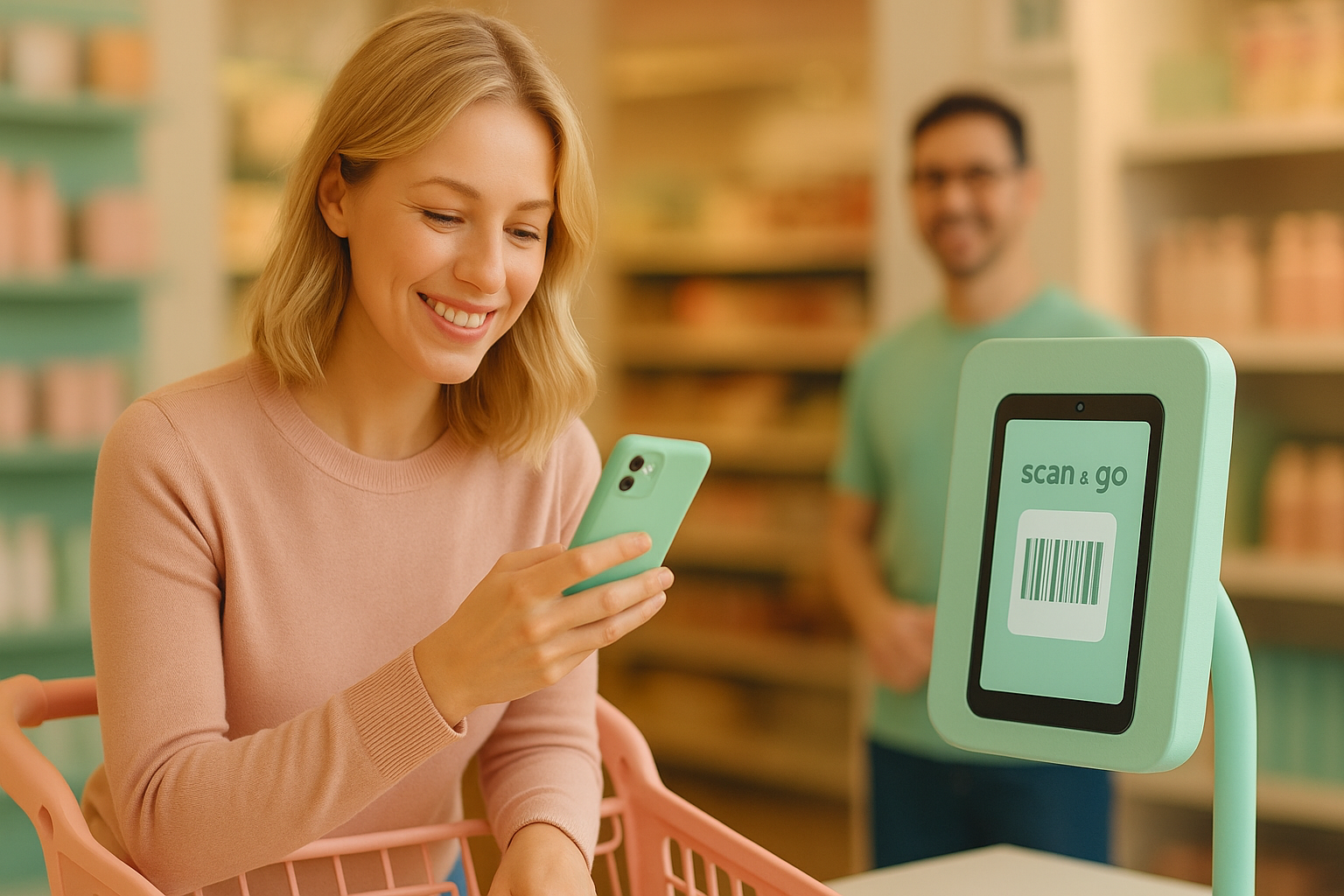
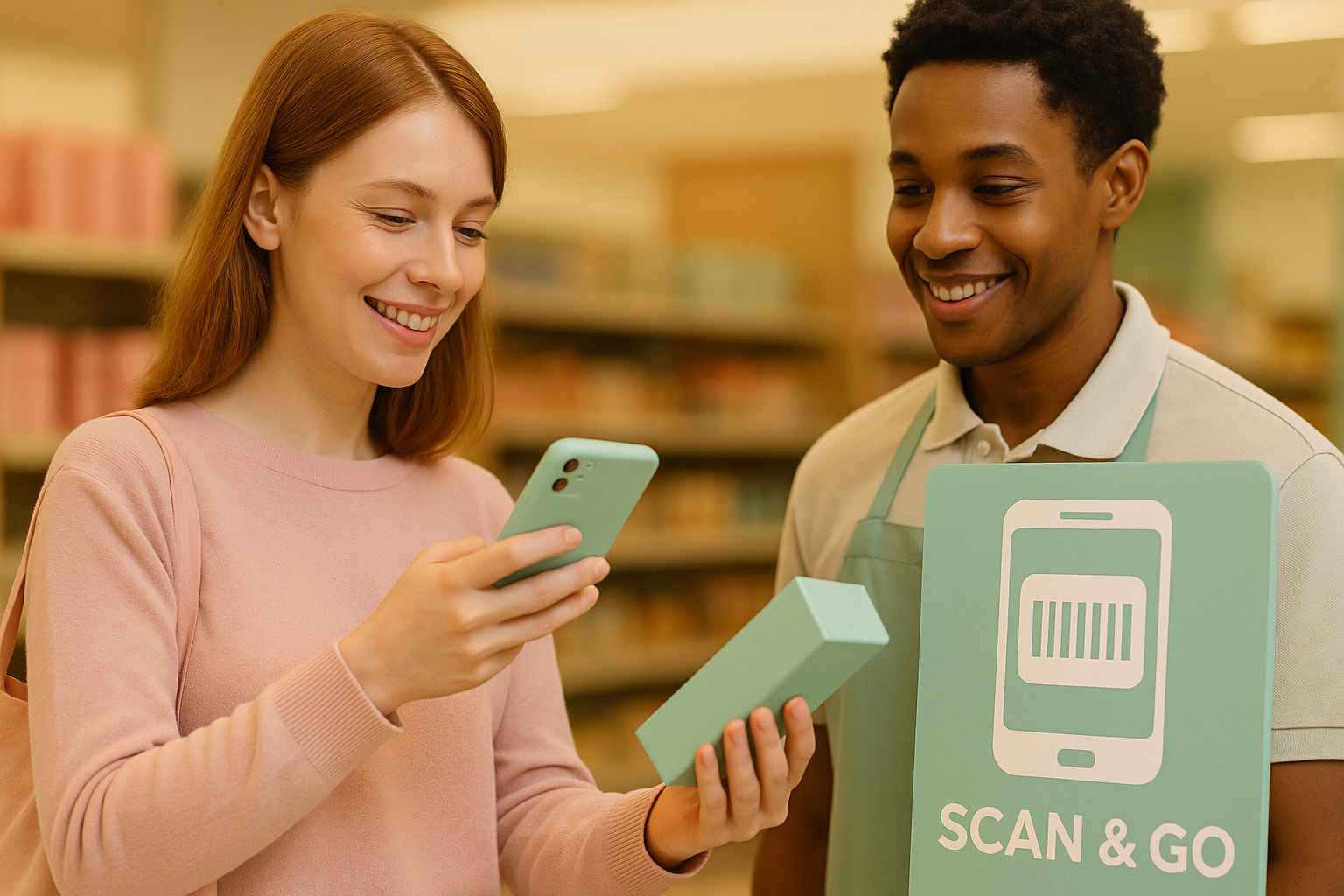
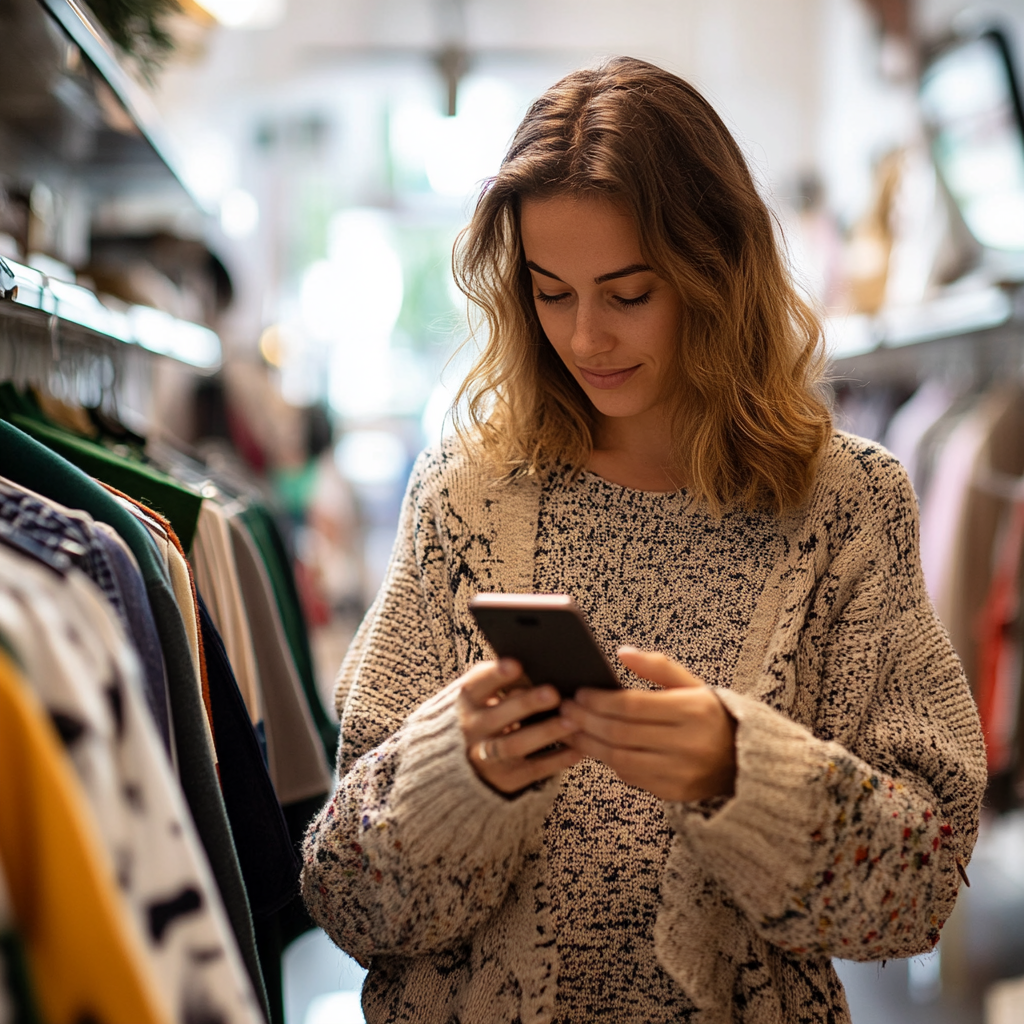
Imagine your customer journey redesigned: Someone encounters your display, picks up an item, and immediately scans its barcode with their phone. The product is purchased. They can continue shopping, scanning items as they go, never accumulating physical products to carry or worrying about checkout lines. They simply walk out when finished.
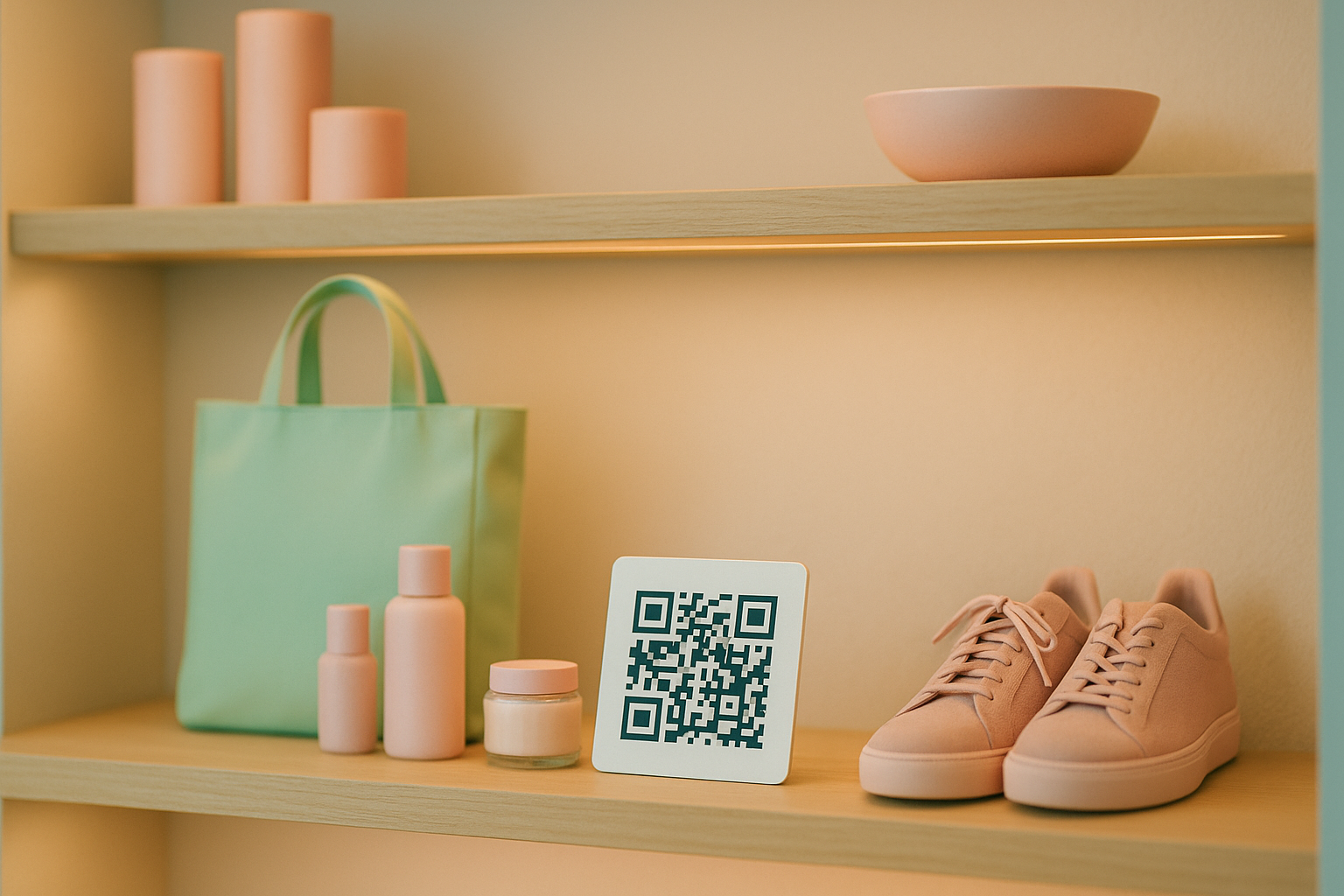
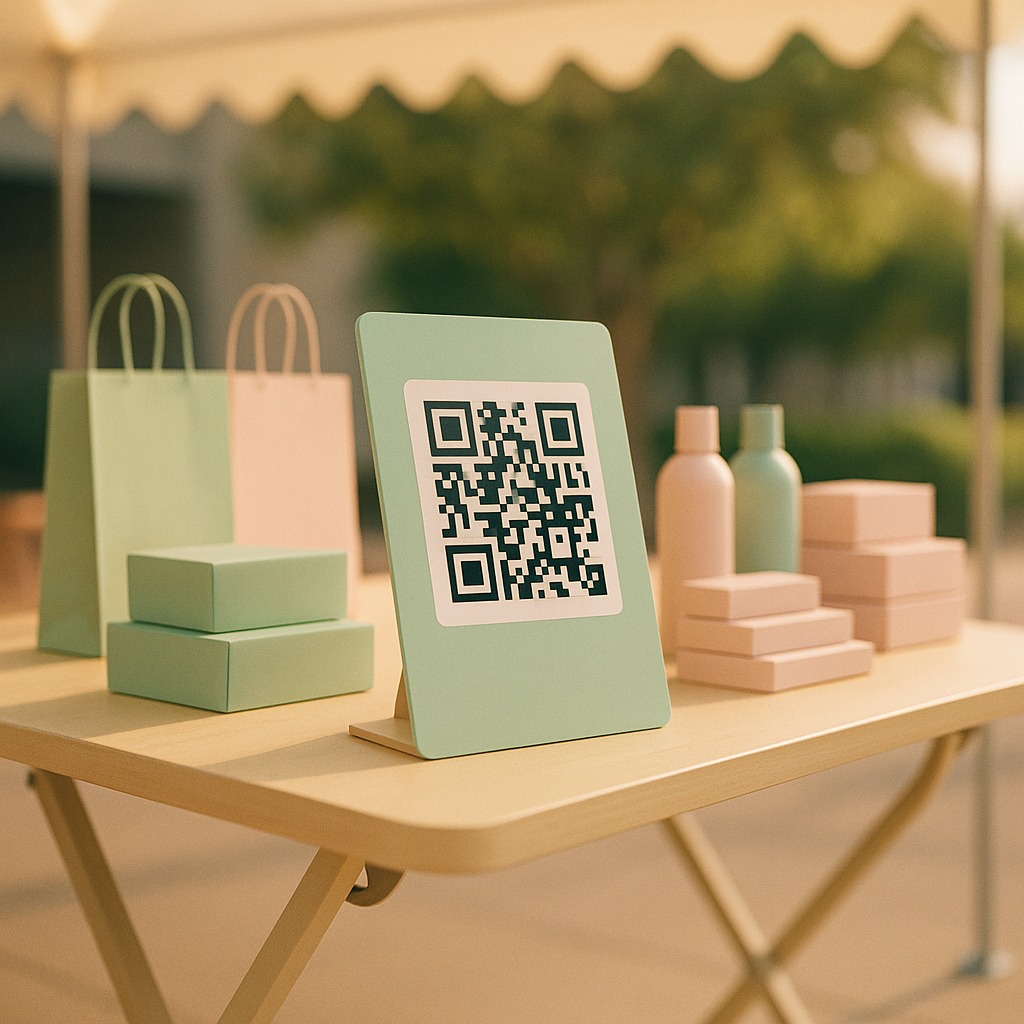
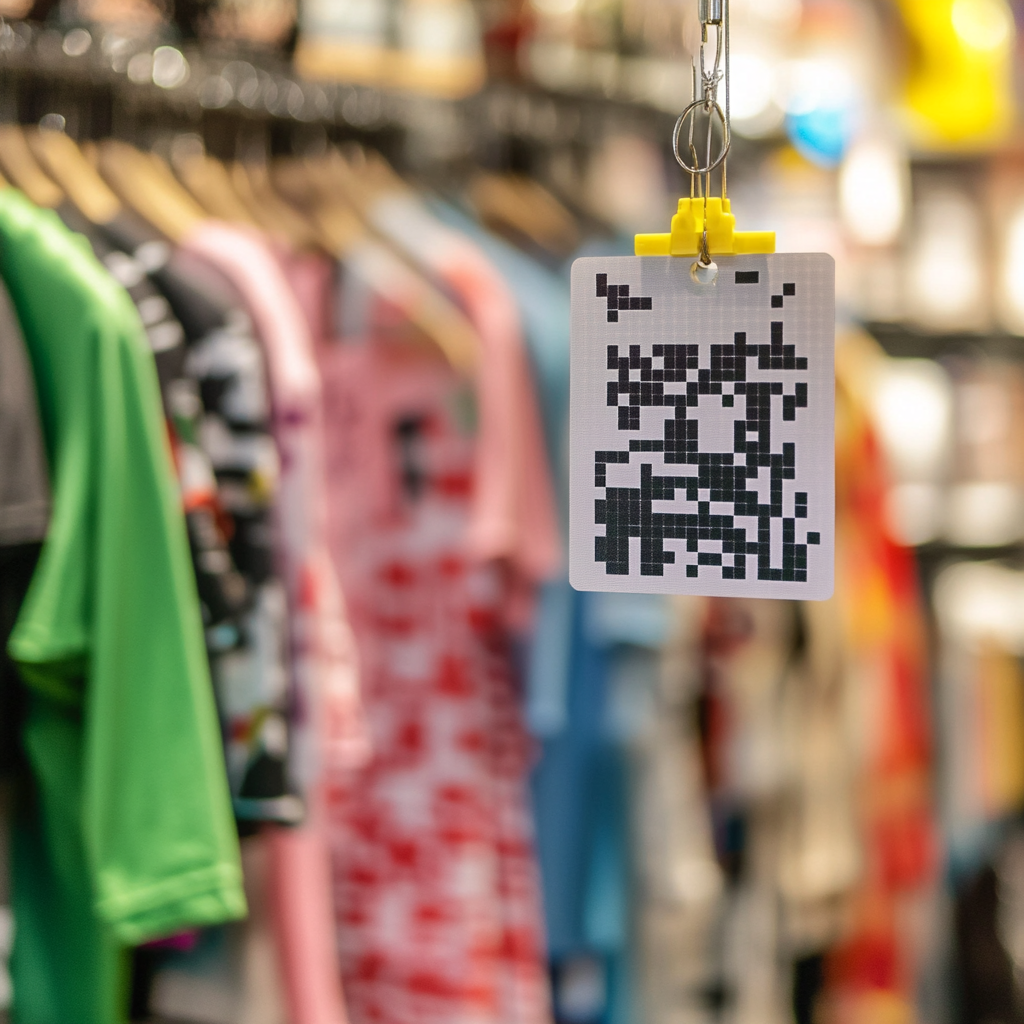
This is precisely how Pendoo works. Customers scan a QR code to launch the browser-based shopping experience—no app download required, which removes another common friction point. Then they scan product barcodes throughout your store. Each display becomes its own point of purchase in the truest sense.
The technology integrates with your existing setup in under five minutes for Shopify stores. You're not overhauling your inventory system or replacing infrastructure. You're simply adding a frictionless purchasing layer that makes every display more effective.
The Measurable Impact on Your Bottom Line
When checkout friction disappears, something remarkable happens to purchasing behavior. Retailers implementing scan-and-go solutions report average basket size increases of 15-25%. Customers who aren't worried about carrying armfuls of products or standing in line make more spontaneous additions. Your secondary displays—the ones positioned throughout the store rather than at checkout—suddenly generate significantly more revenue.
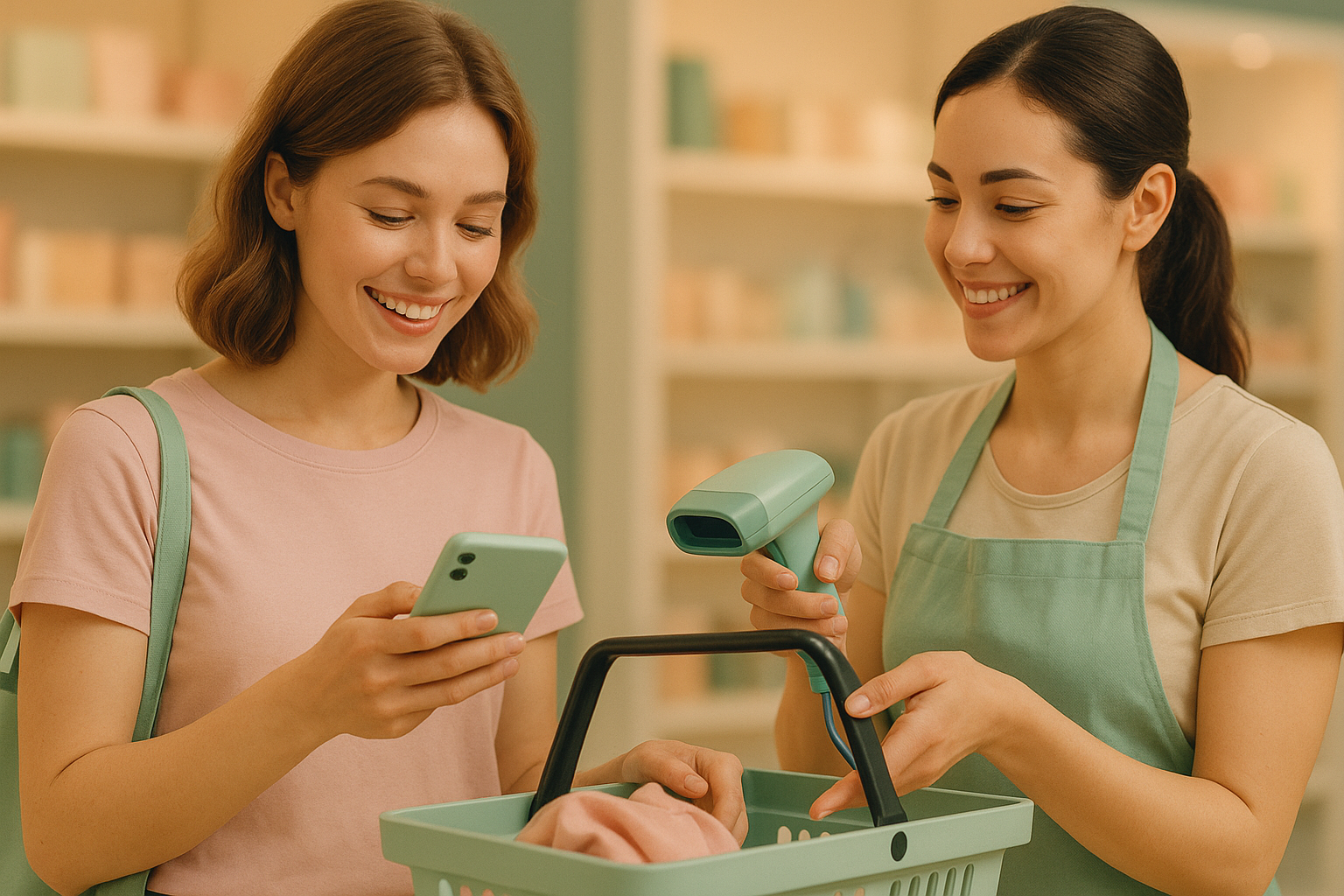
Operational efficiency improves simultaneously. You gain real-time transaction tracking, seeing exactly which products and displays drive sales. Staff previously stationed at registers can focus on customer service, restocking, or creating even better merchandising experiences.
The customer experience shifts entirely. Instead of shopping feeling like a series of decisions followed by a tedious obligation, it becomes genuinely frictionless. People spend more time browsing because there's no penalty for exploring. They discover more products. They return more frequently because shopping at your store feels easier than competitors.
Rethinking What 'Point of Purchase' Actually Means
The future of retail display strategy isn't just about where you position products or how beautifully you present them. It's about recognizing that in 2026, the "point of purchase" can be anywhere in your store where a customer makes a buying decision.
Your investment in strategic merchandising deserves a checkout experience that doesn't undermine it. When every display becomes a frictionless purchase opportunity, you're not just improving convenience—you're fundamentally multiplying the return on every dollar you spend on physical retail presentation. That's the competitive advantage modern retail requires.
Like what you read?
Sign up and start running your store on your terms — free plan available.