A cautious shopper does not necessarily need a cheaper product. They might need someone to explain why the cheaper product is enough. That is an uncomfortable starting point for a sales meeting, but a useful one for a retailer deciding what human service should actually do.
The question behind retail consumer confidence is not simply whether people will spend. It is whether your store helps them make a decision they can live with afterwards, without making every purchase feel like a negotiation.
Confidence is a service question, too
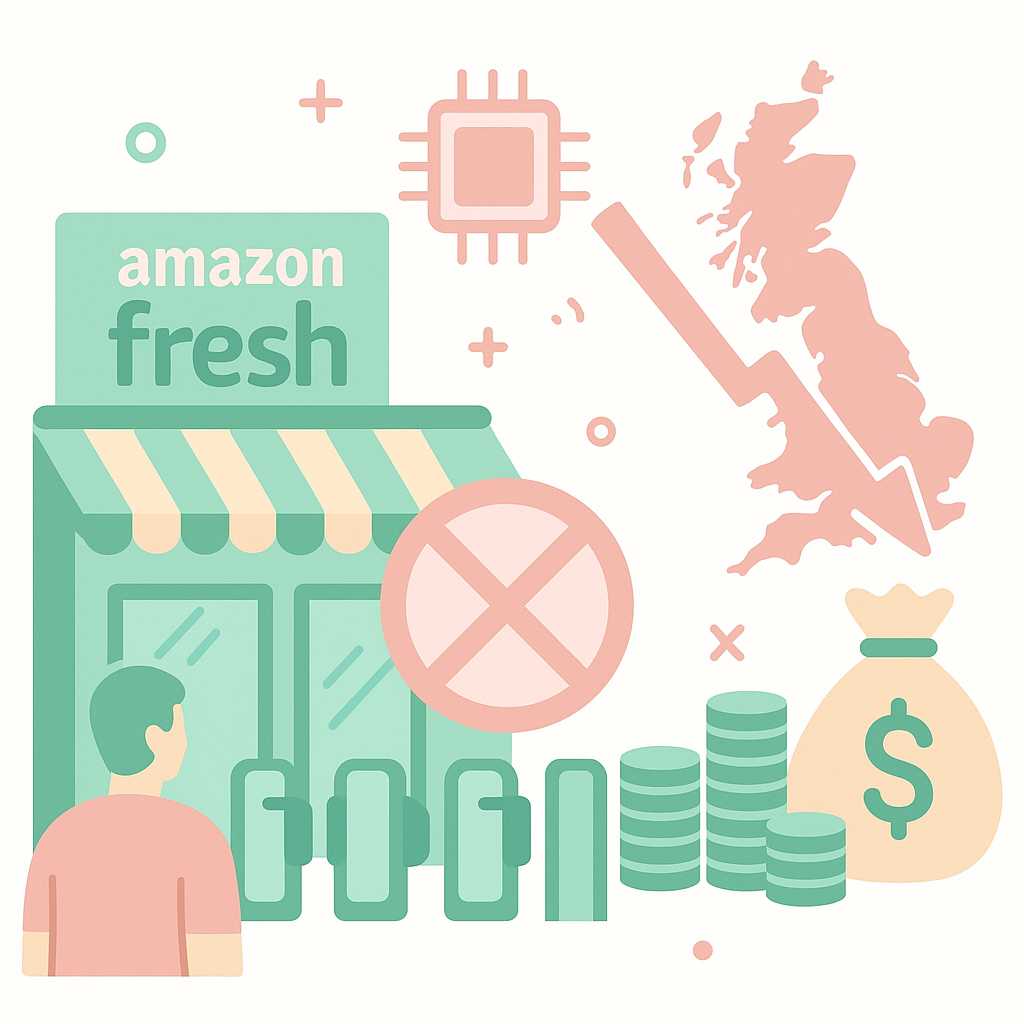
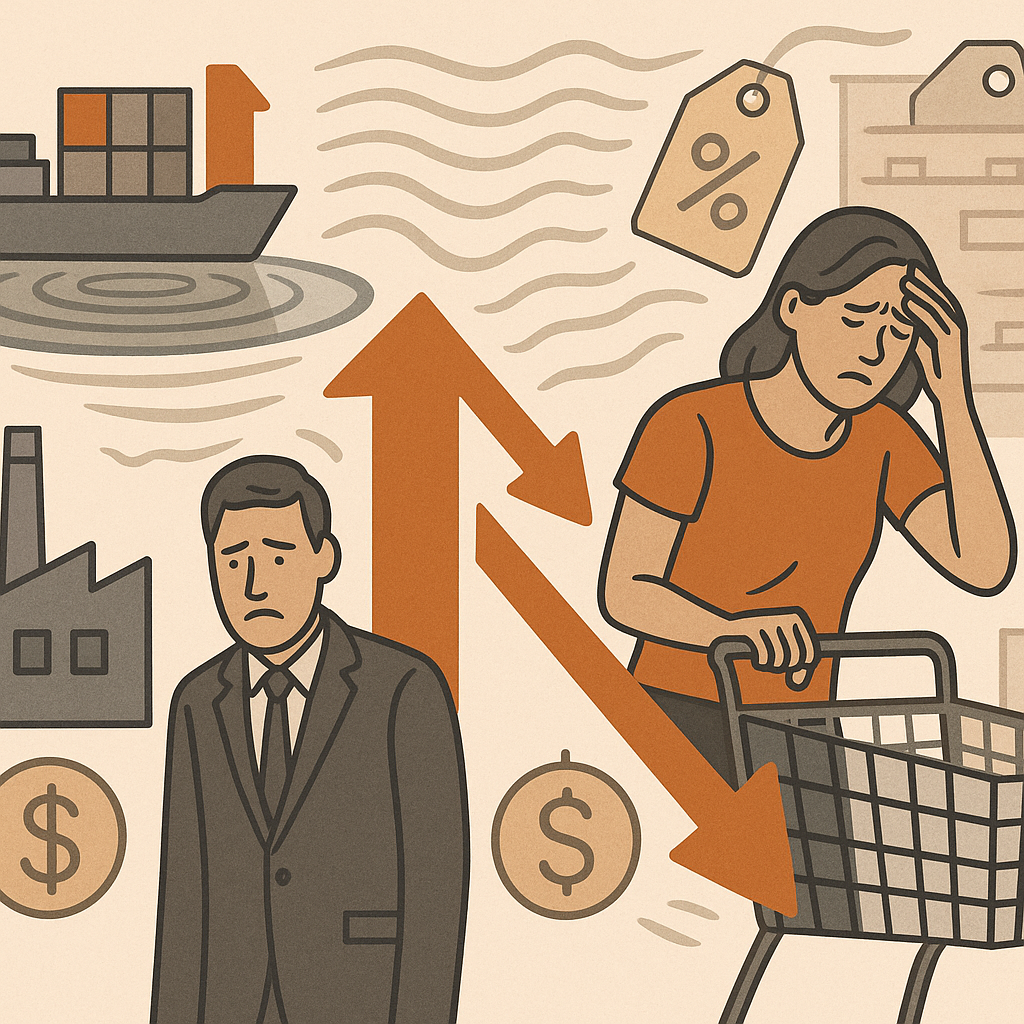
The latest evidence gives retailers reason to pay attention. In its 29 September discussion of the US economy, The Conference Board reported that consumer confidence fell to 81.9 in September, its third consecutive monthly decline. It highlighted financial wellbeing, inflation concerns and softer discretionary spending.
In Britain, The Guardian's 23 October business coverage reported falling consumer confidence alongside a September dip in retail sales volumes, with economist Paul Dales pointing to tougher household conditions ahead of festive trading.
These are different markets, not interchangeable datasets. Neither source proves that better advice produces higher sales. They do provide a timely reason to ask whether your service model is built for shoppers who need reassurance rather than encouragement.
Make permission part of the proposition
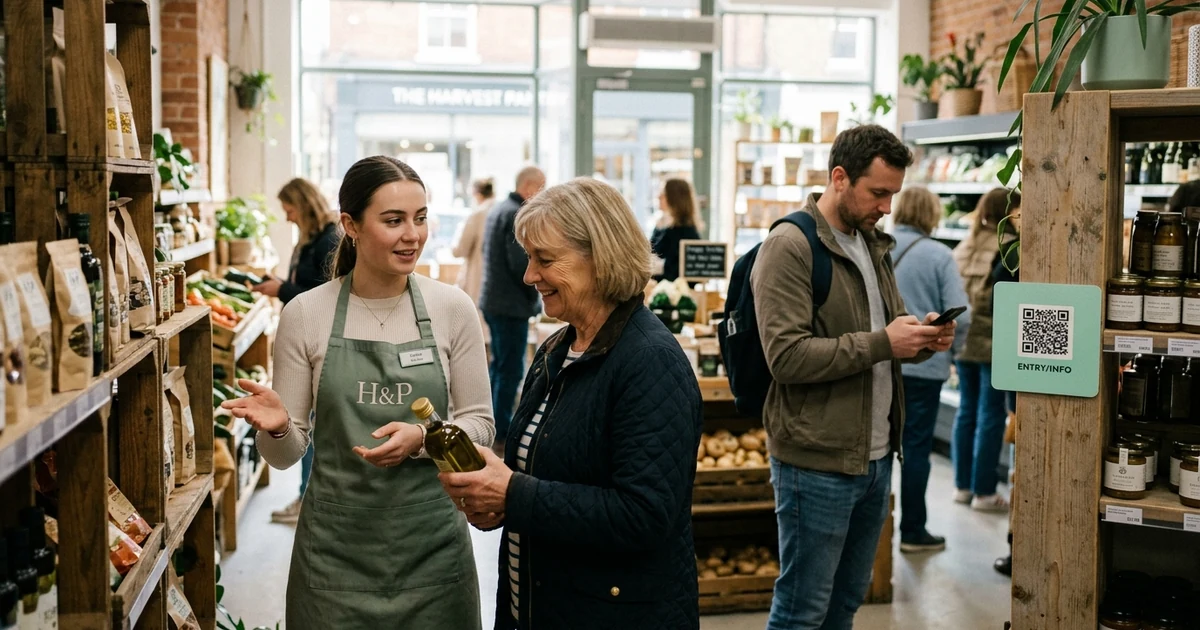
Imagine a customer choosing between two winter coats. One costs more and offers features they will rarely use. A useful colleague explains the difference, asks about everyday needs and makes the less expensive option feel like a sound decision.
That is consultative selling without the assumption that consultation must end in a bigger basket. The immediate transaction might be smaller. The operating principle is that the customer should leave understanding their choice, not wondering whether they were steered.
This is a proposed service standard, not a measured commercial result. Put it into practical questions: can colleagues explain a price difference plainly? Can they recommend buying less? Do they know when to stop selling?
Fund the conversation before demanding it
A service promise needs an operating model. If opening another location means buying more checkout cover before you can fund knowledgeable advice, the expansion plan has a service problem as well as a cost problem.
The answer is not to remove people from the shop floor. It is to distinguish work that needs judgement from work that processes a purchase. Protecting in-store customer service means deciding which tasks deserve your colleagues' attention.
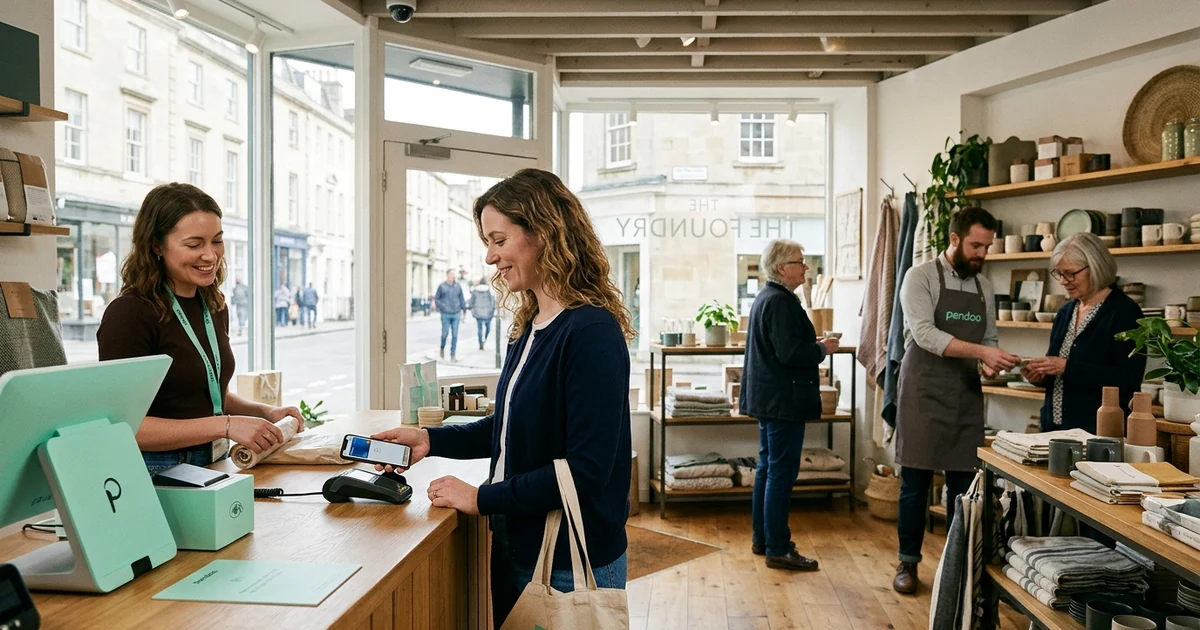
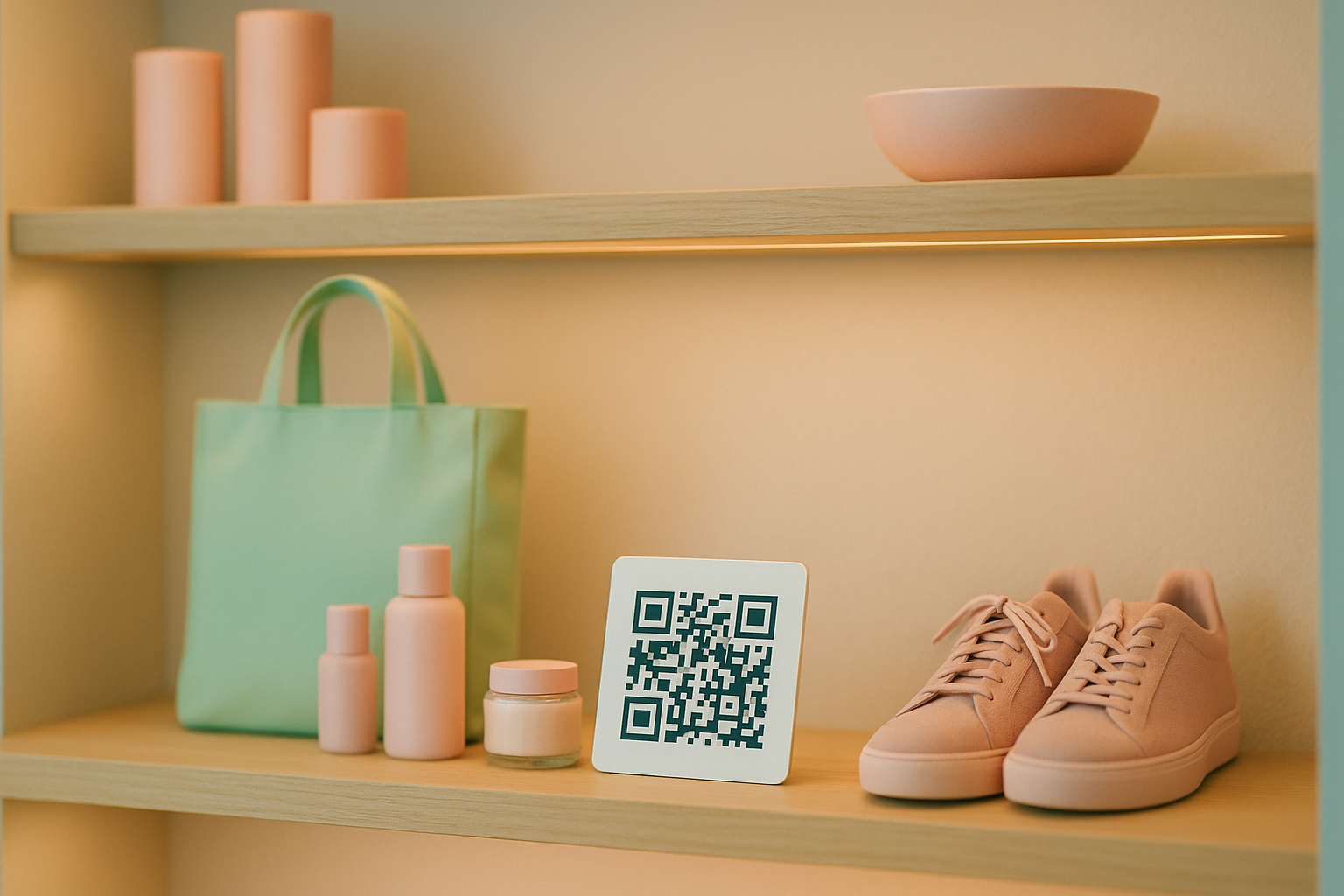
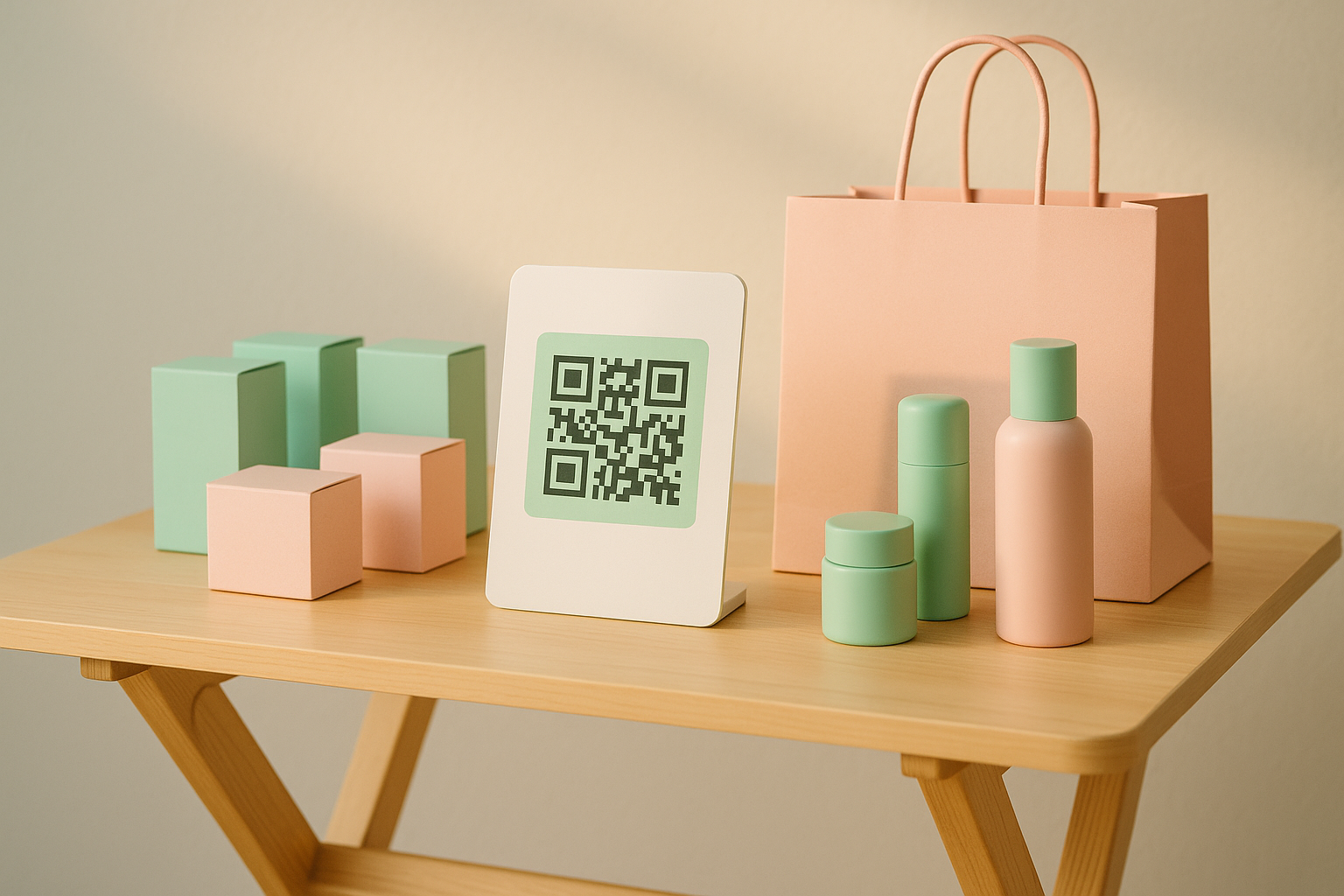
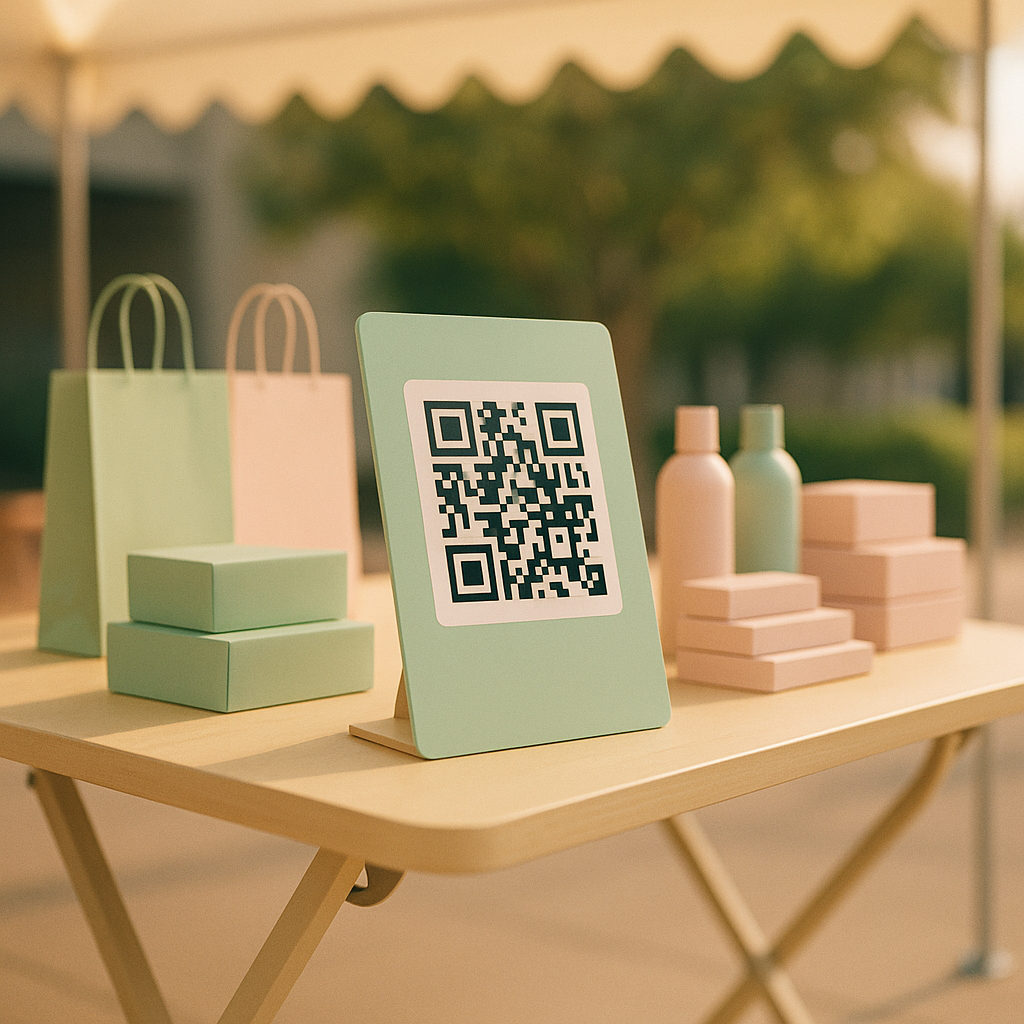
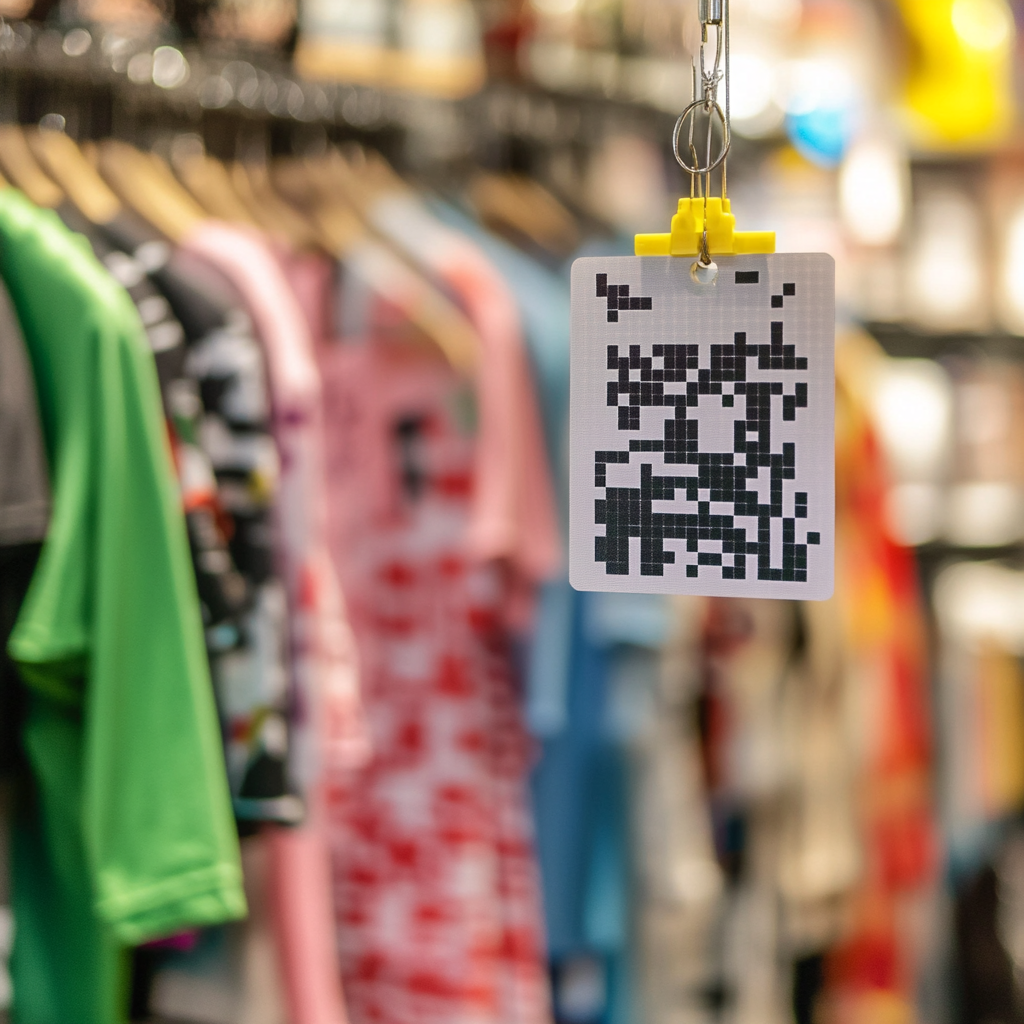
This is where mobile checkout can support the economics. Pendoo lets shoppers scan a store QR code, scan product barcodes, build a basket and pay on their phone without downloading an app. Shopify integration is live, and a free plan is available.
The relevant ambition is growth without proportional checkout staffing costs, leaving more room in the model for valuable human help. That is an opportunity to test, not a promise that software automatically creates better service.
Measure reassurance, not just basket size
Start with a small service experiment. Ask colleagues to record the questions customers need answered before choosing, without collecting personal details. Look for repeated uncertainty about suitability, differences between products or what the price includes.
Then review whether your rota gives someone time to answer those questions. Track transactions and retail staffing costs, but also ask customers whether they understood their options and felt free to decline.
A bigger basket is not the only sign of a useful conversation. When confidence is fragile, helping someone buy the right amount deserves a place in the growth plan.
Like what you read?
Sign up and start running your store on your terms — free plan available.