When the Moment of Desire Meets the Friction of Reality
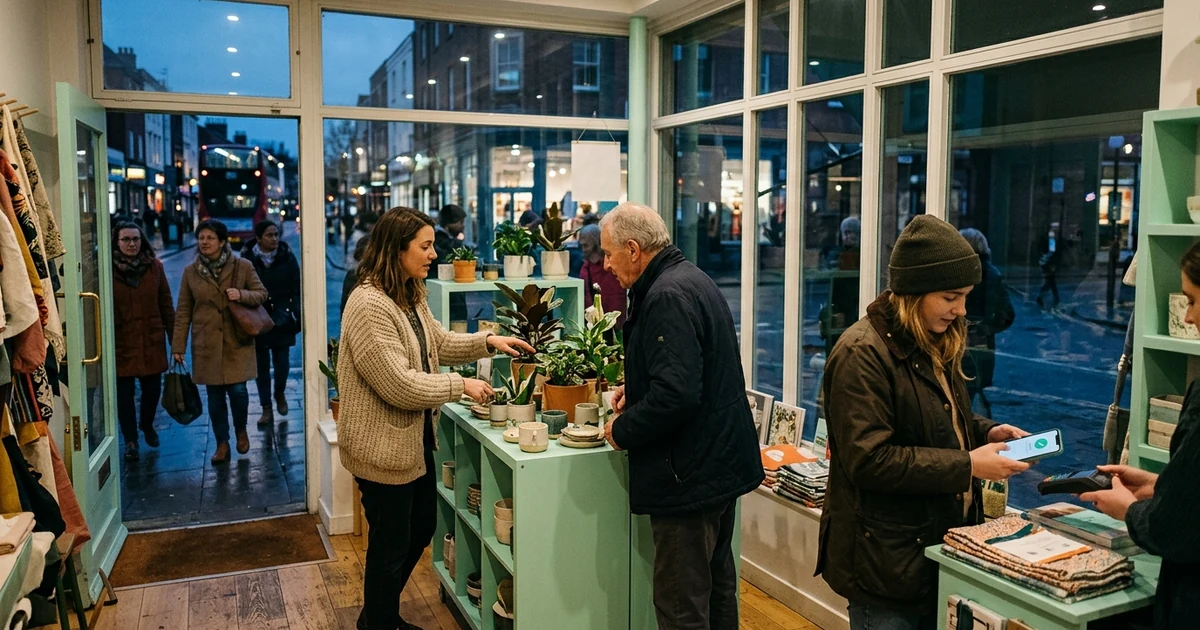
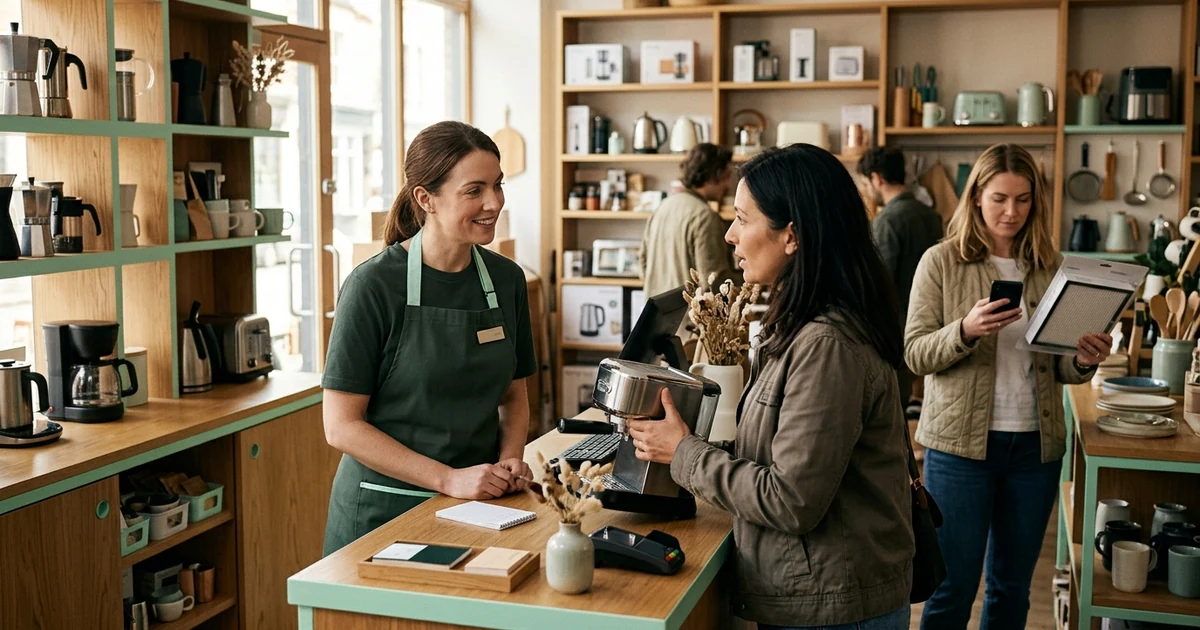
You spent three hours last Tuesday rearranging that seasonal feature wall. New signage. Better lighting. Products arranged by colour gradient because you read that visual flow matters. A customer stops. Picks up the scented candle. Smells it. Smiles. Puts it back. Picks up the matching diffuser. Reads the label. Looks at the price. Pauses. Then glances toward the till, where four people are waiting. She puts both items back and walks out.
You just watched £45 evaporate. Not because your display failed — it worked perfectly. Not because she didn't want the products — she absolutely did. She left because the gap between wanting and buying was too wide, and her attention span wasn't.
The Expensive Gap Between Engagement and Conversion
Retailers collectively spend billions on visual merchandising: endcaps, window displays, seasonal installations, brand partner feature areas, sampling stations. The logic is sound — 65% of purchasing decisions are made in-store, which means the physical environment directly influences revenue. A well-designed display does capture attention. It does create desire.
But desire has a half-life. The emotional peak of "I want this" happens at the display. If checkout is a separate destination across the store, that emotion begins to decay the moment the customer steps away. They start to second-guess. They mentally calculate whether it's worth joining the queue. They think about the parking meter. They remember they're already late. By the time they reach the till, the impulse has cooled — and cooled impulses don't convert.
The structural problem isn't your merchandising. It's that your merchandising has no mechanism to close the sale at the point of inspiration.
Turning Every Display Into a Complete Shopping Experience
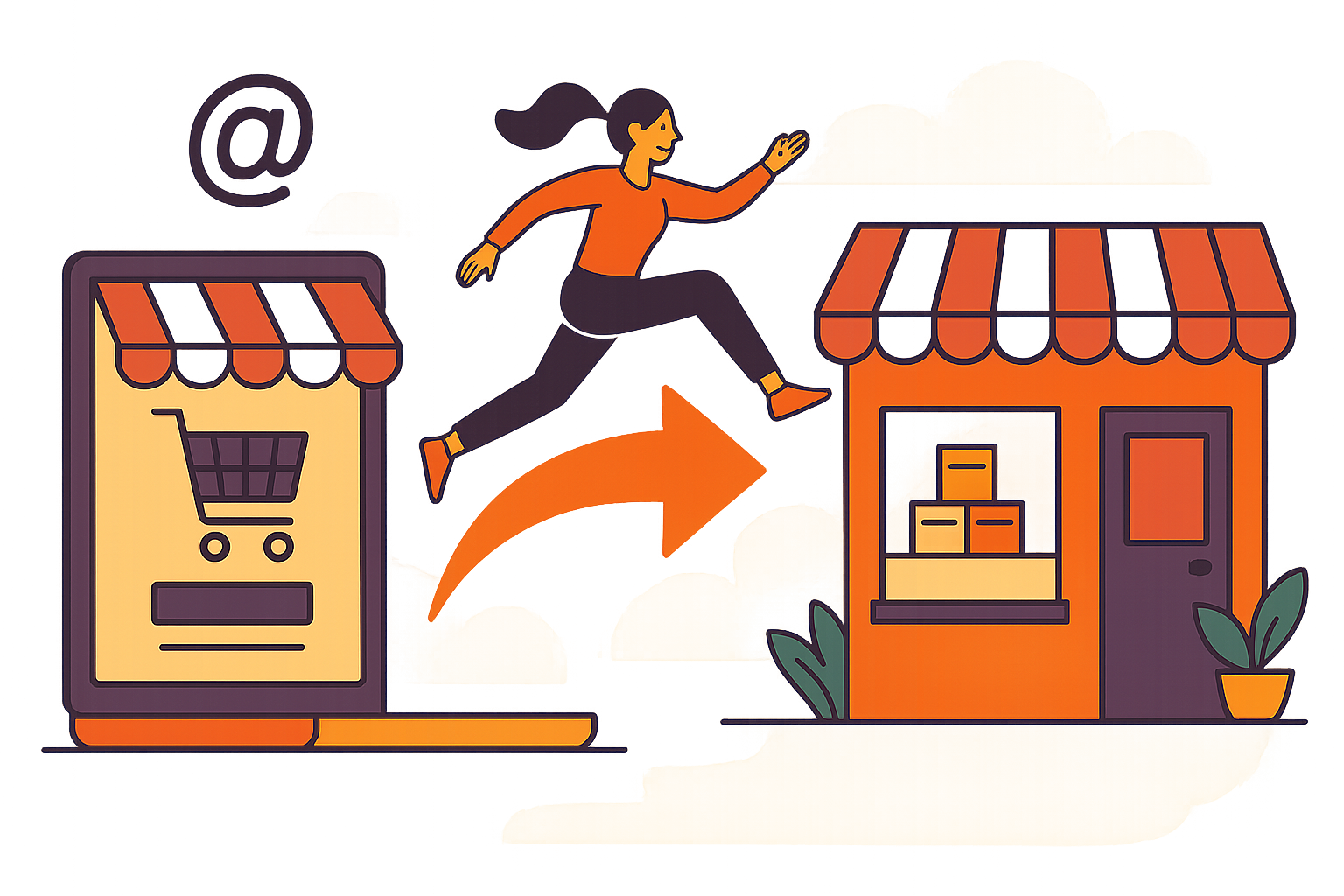
The solution isn't louder signage or better product placement. It's making the display itself fully transactional — so the moment of desire and the moment of purchase are the same moment.
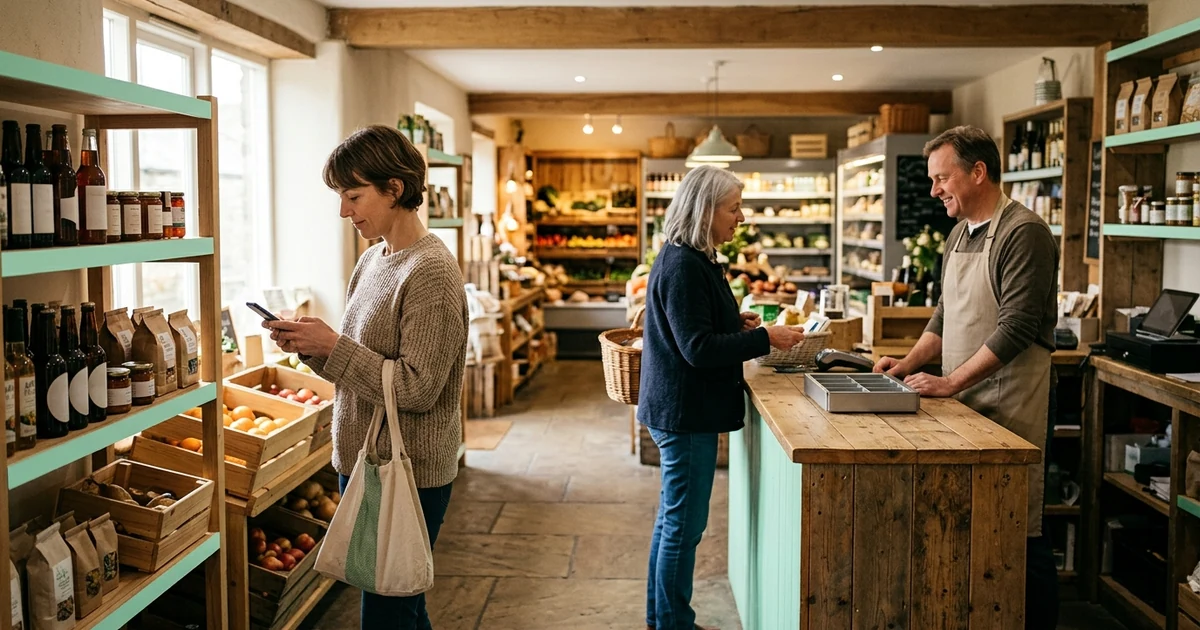
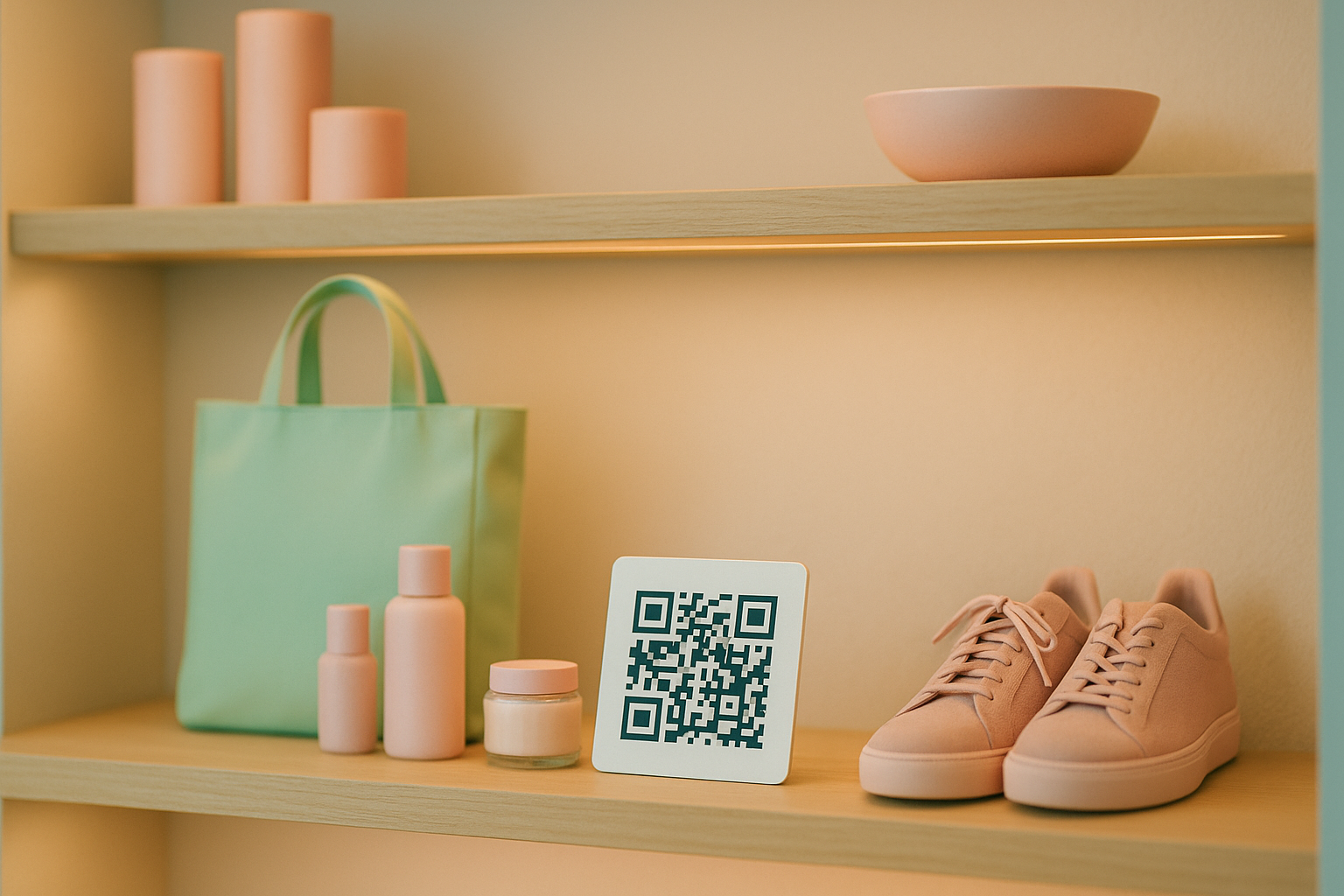
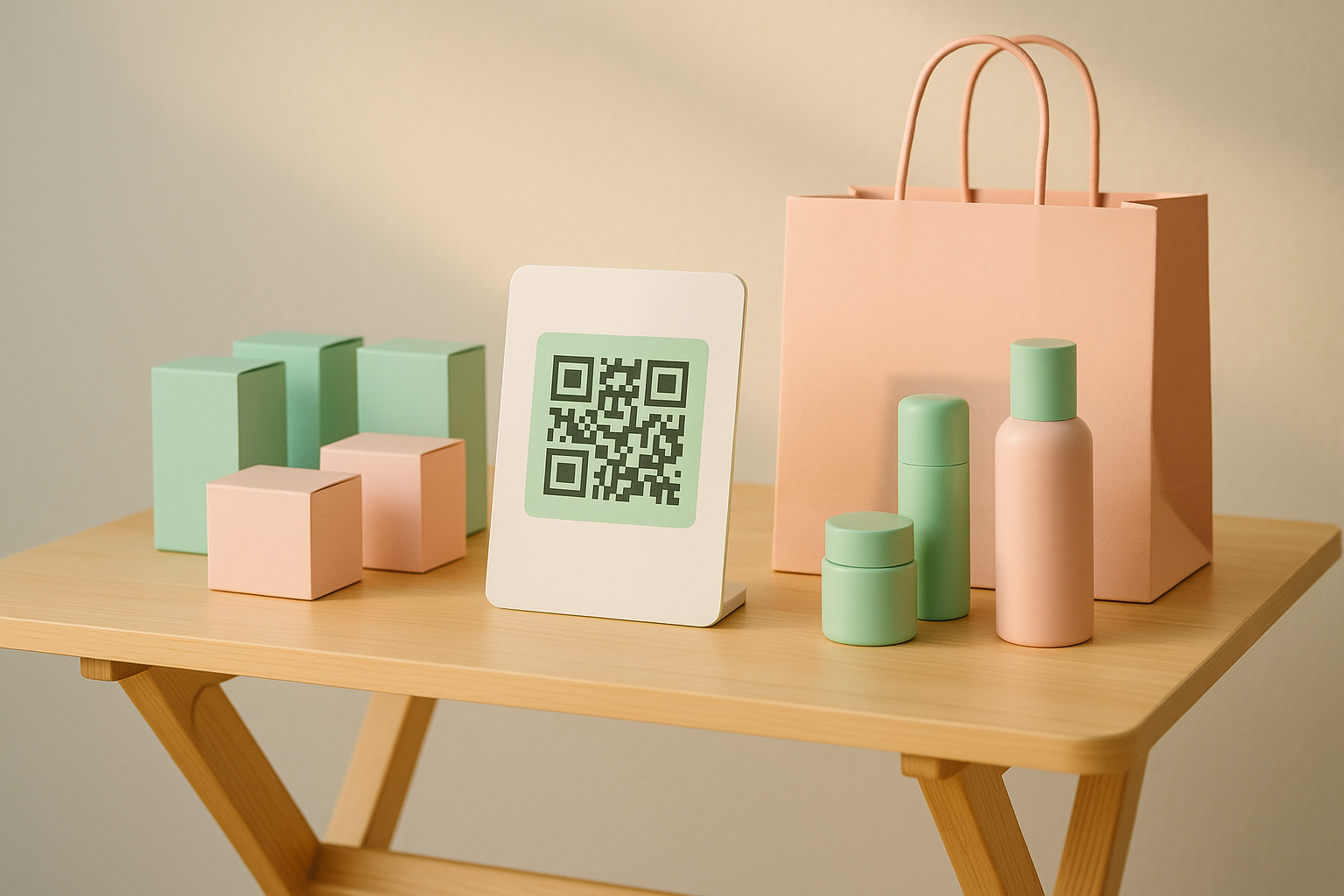
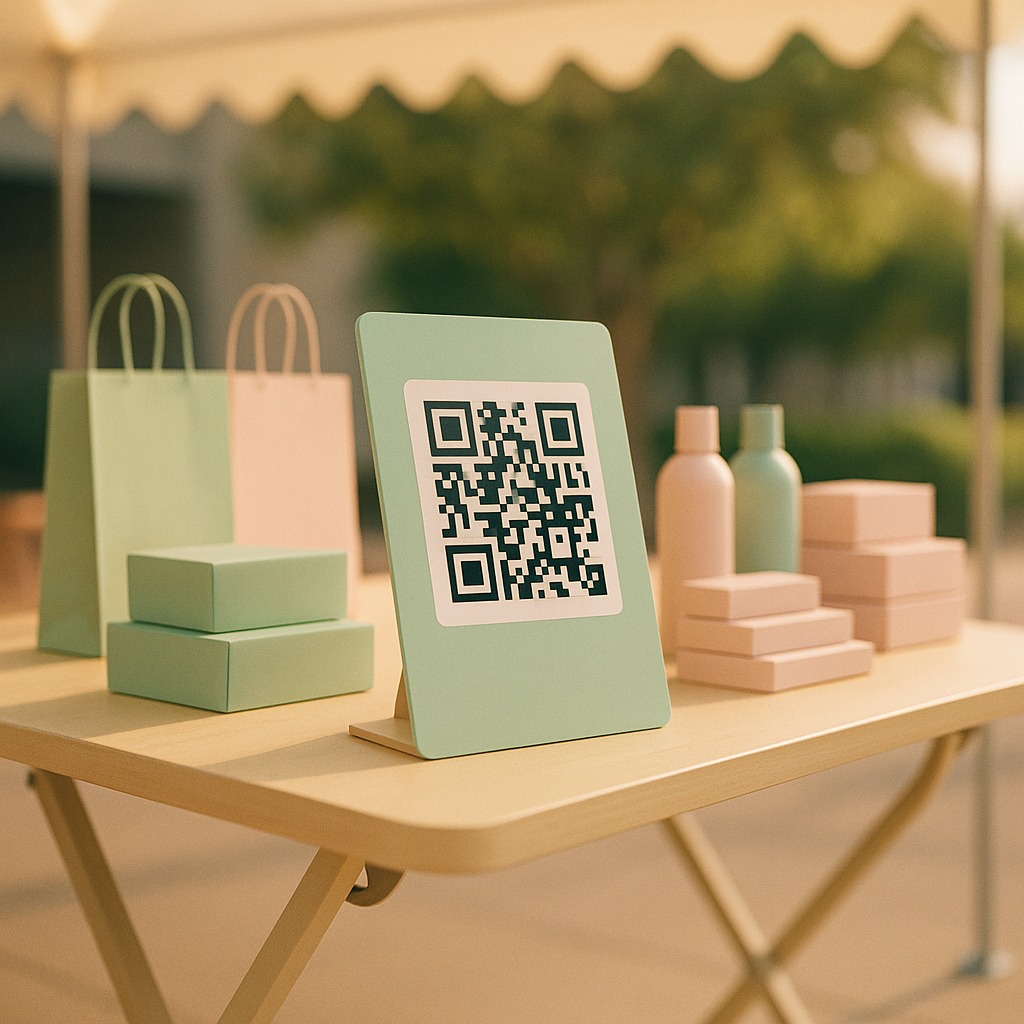
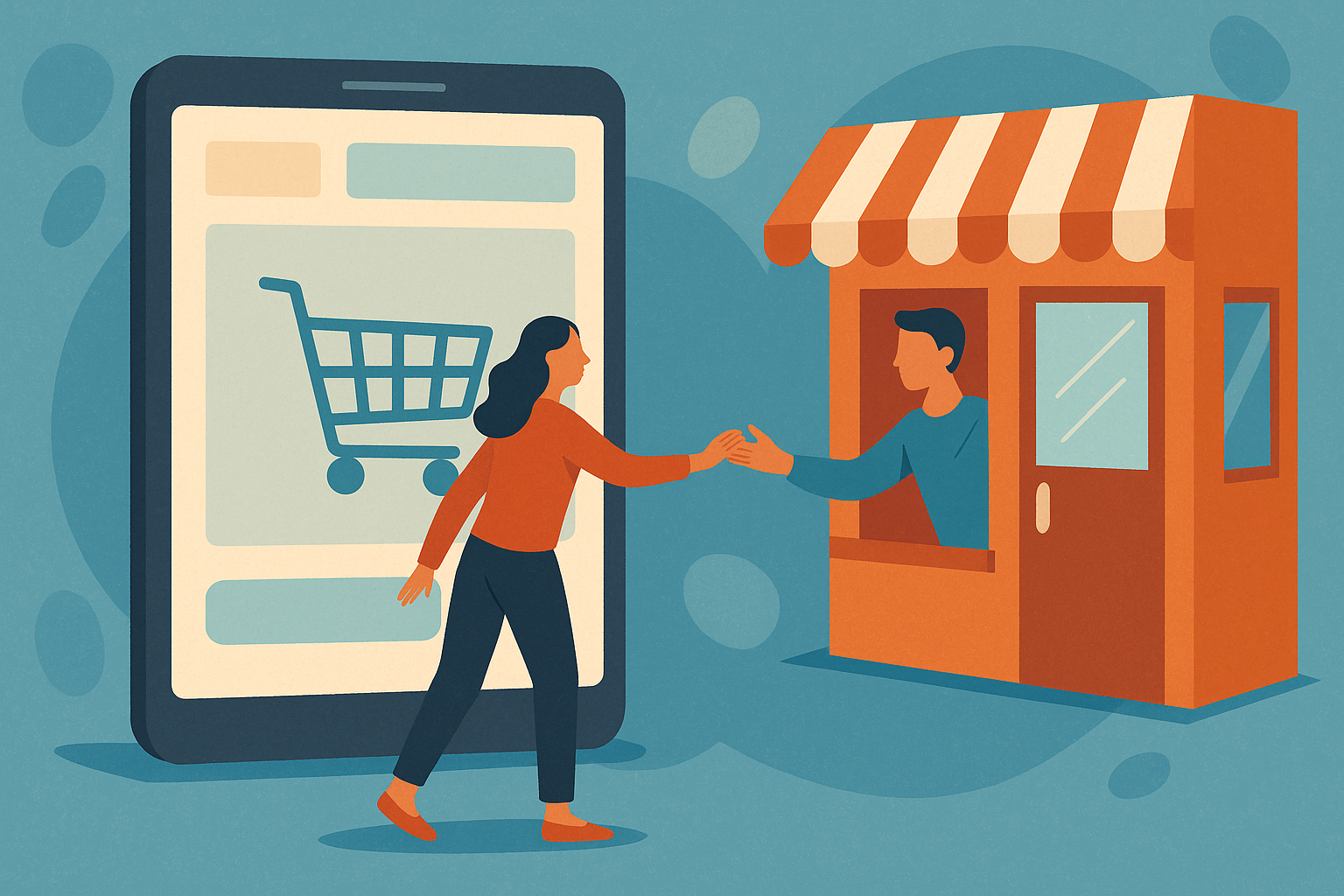
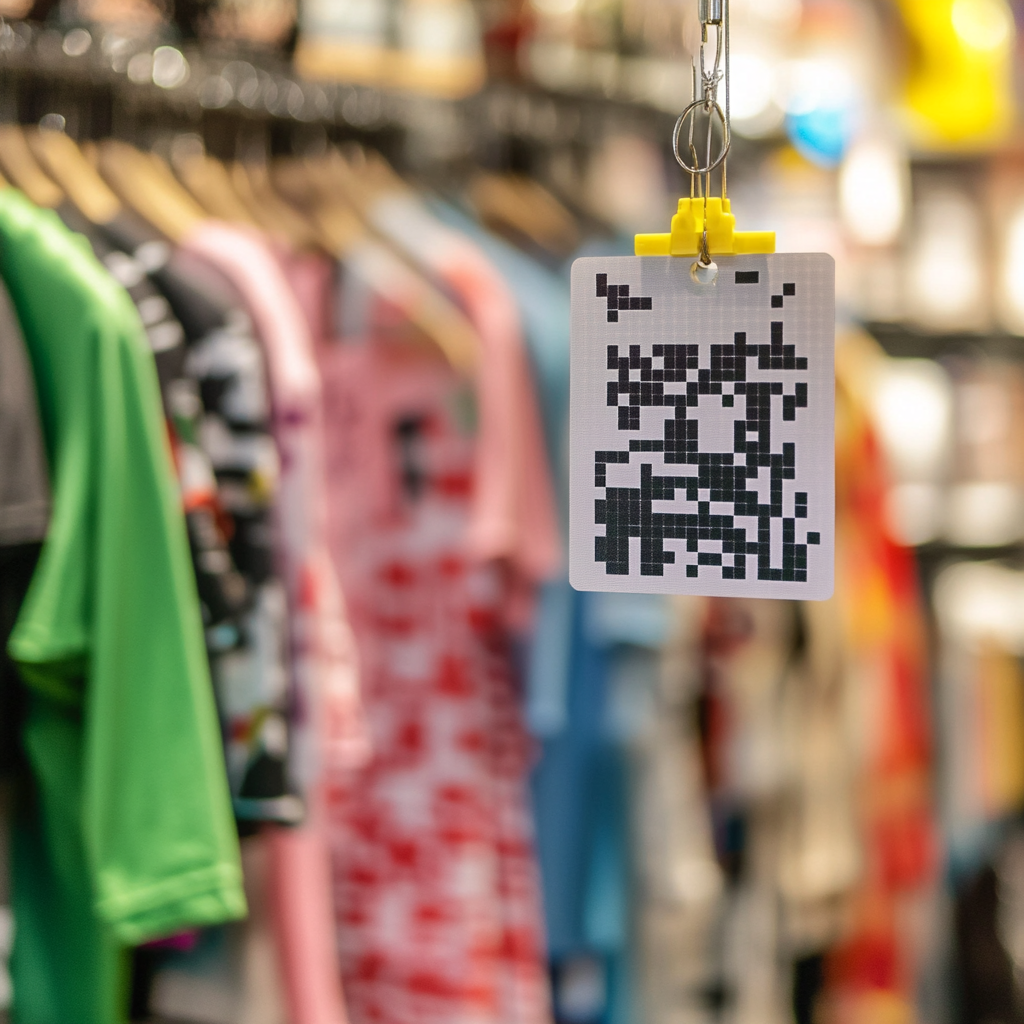
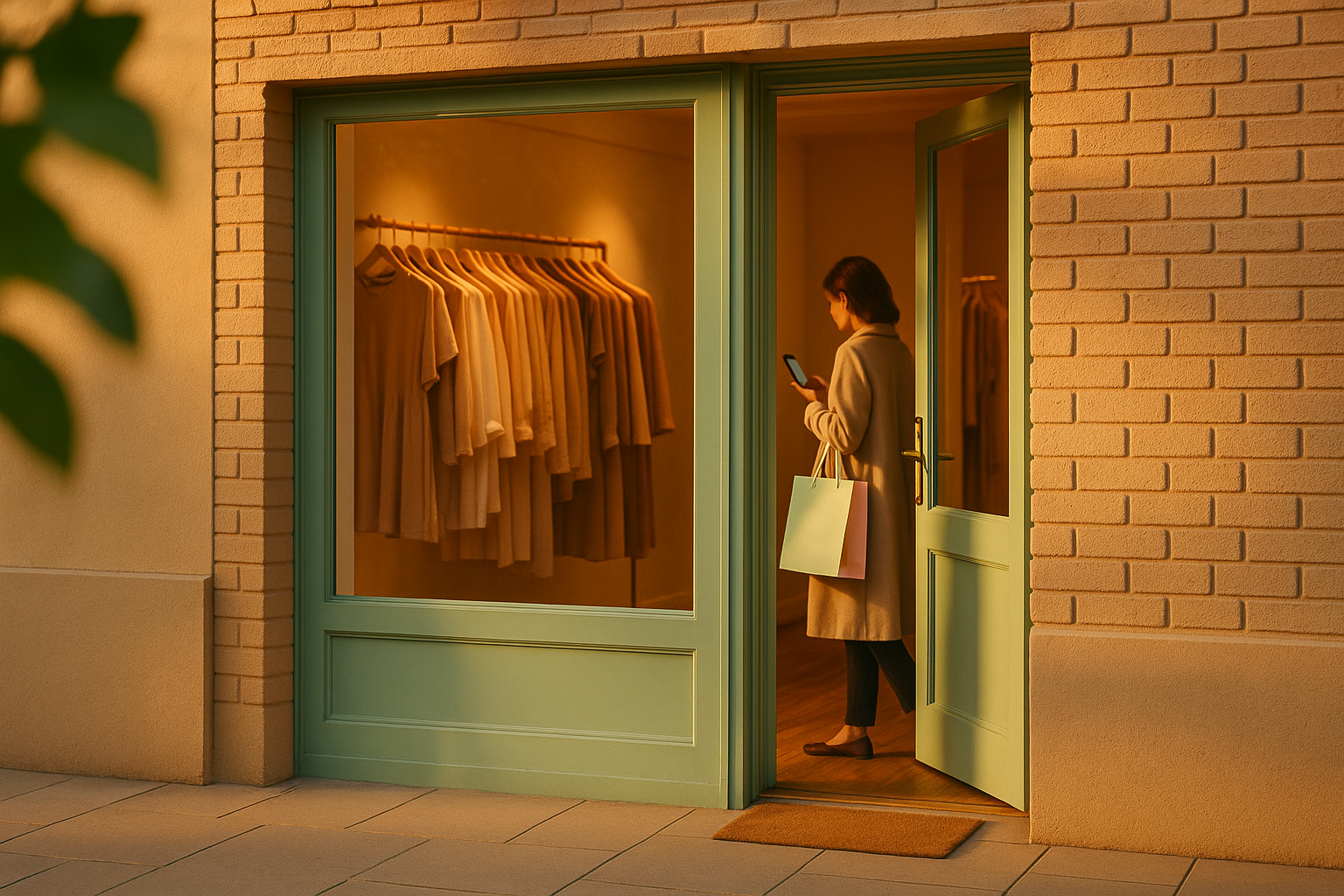
This is exactly what Pendoo does. It's a browser-based scan-and-go self-checkout system built specifically for Shopify retailers with physical stores. A customer walks into your shop, scans a QR code you've placed anywhere — on the display itself, at the entrance, on a shelf talker — and Pendoo opens instantly in their phone's browser. No app download. No account creation. Within seconds, they're scanning the barcode of that candle, watching it appear in their cart in real time, and paying with Apple Pay or Google Pay without moving an inch.
The entire transaction happens on their phone, at the display, in the moment.
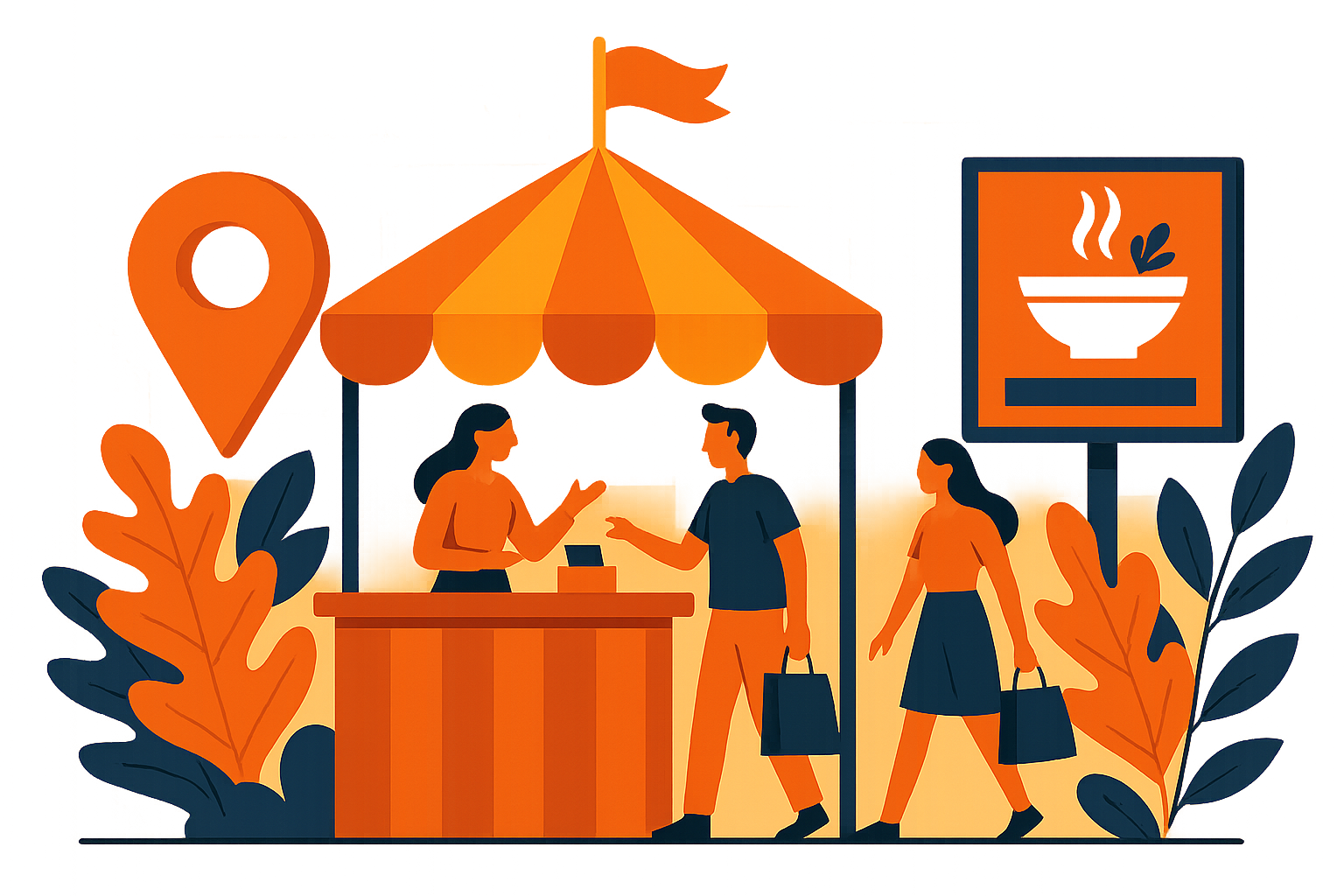
You can place Pendoo QR codes strategically: one on your seasonal feature wall, another at your new arrivals table, a third next to your high-margin impulse section. Each one turns that space into a self-contained shopping environment. The customer doesn't need to remember what they liked, carry it to a till, or wait in line. They scan, pay, and keep browsing — or leave immediately with a digital receipt already in their email.
This isn't about speed for speed's sake. It's about closing sales that would otherwise be lost to structural friction. Research consistently shows that customers who wait more than five minutes at checkout are 67% less likely to make unplanned purchases. Pendoo eliminates that wait entirely, which is why scan-and-go users typically record 10–25% higher basket sizes than traditional checkout customers. The impulse stays alive because there's no friction to kill it.
What This Actually Means for Your Store
Your feature wall investment now has a measurable return. That endcap you negotiated with a brand partner becomes genuinely shoppable in place, which makes it more valuable to the brand and more profitable for you. Your staff are freed from standing at a till scanning barcodes — work a machine could do — and can instead do what actually drives revenue: offer styling advice, suggest complementary products, restock fast-moving items, and build relationships with repeat customers.
Because Pendoo integrates directly with Shopify via API, every sale decrements inventory in real time. You're not reconciling sales at end of day or discovering stock discrepancies a week later. And because Pendoo captures customer details passively during the payment flow, you're building an opted-in email list with zero extra effort — a list that feeds directly into tools like Klaviyo for retention marketing.
The Display Economy
The best retail displays have always told a story. But until now, that story had no ending — or the ending happened somewhere else, at someone else's pace, with someone else controlling the experience. Pendoo lets you write the full story: the customer discovers the product, experiences the brand moment you designed, and completes the purchase without ever leaving that emotional space.
Your displays were never broken. They just needed a way to finish what they started. See how Pendoo turns engagement into revenue at pendoo.io.
Like what you read?
Sign up and start running your store on your terms — free plan available.