When Great Displays Don’t Turn Into Great Sales
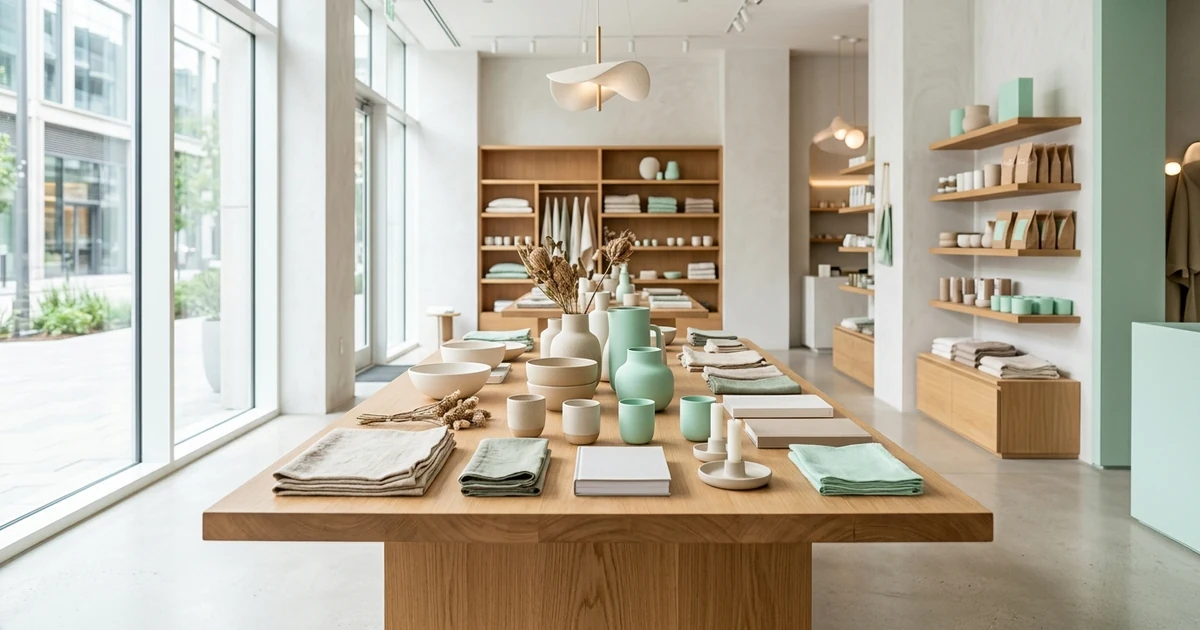
Retail teams pour an incredible amount of energy into getting the front of house right: window concepts, brand launches, seasonal showcases, endcaps that stop shoppers in their tracks. The story in that reference article is a familiar one — a brand invests heavily in a stunning in‑store presentation to make a powerful first impression in a new market.
You probably do the same in your own way. You obsess over how products are grouped, what people see as they walk in, how the display supports the brand story. Yet there’s a quiet problem hiding in plain sight:
Shoppers are engaging with your displays, but too many of those moments never make it to the till.
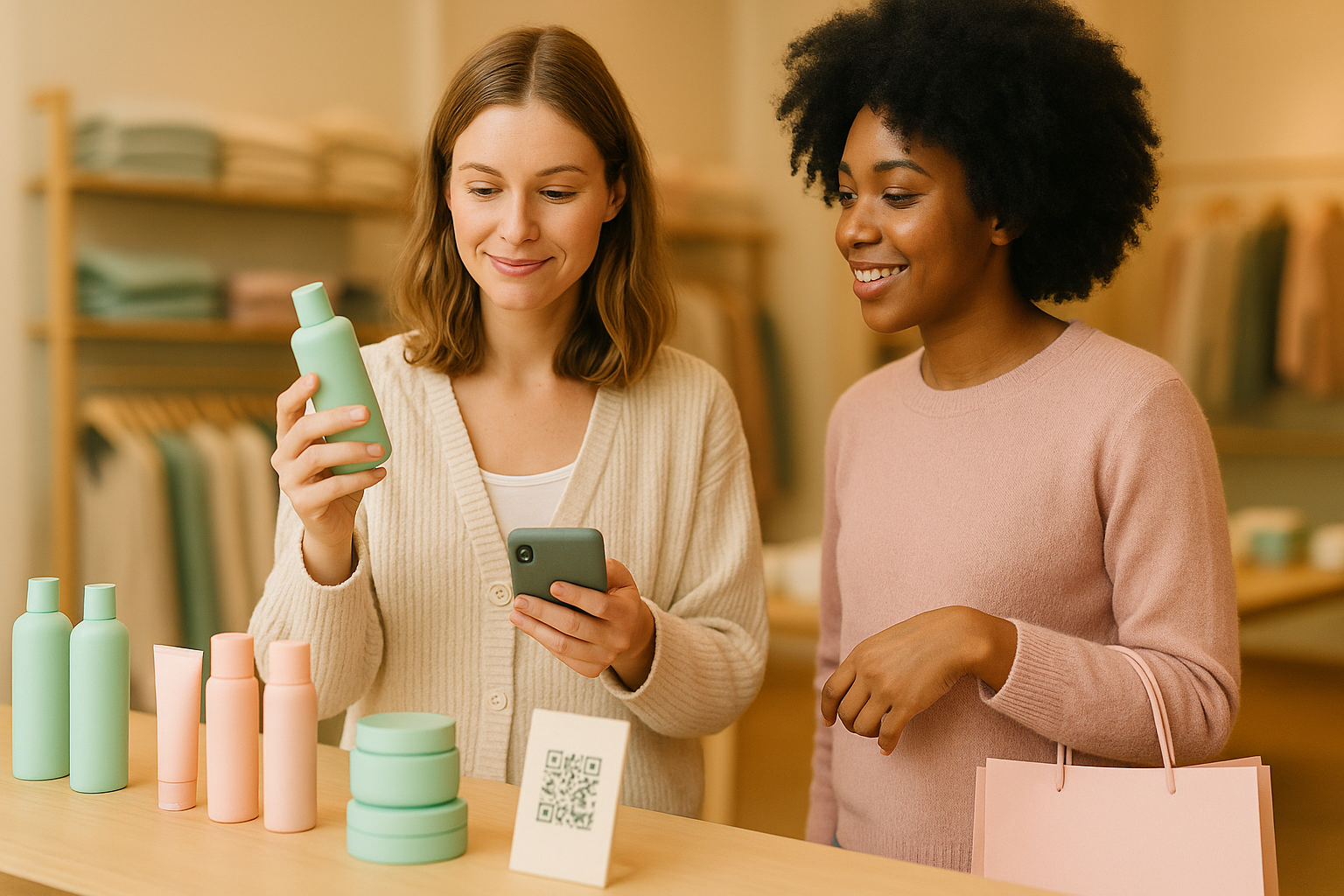
People pick up items, compare variants, even take photos. Then they look over at the queue, or they’re short on time, or they feel a hint of friction in the buying process… and they move on. The display did its job. The path to purchase did not.
Here’s the thing: visual merchandising can spark desire, but if checkout is a bottleneck, you’re leaving money on the table every single day.
The Hidden Friction Between "I Want It" And "I Own It"
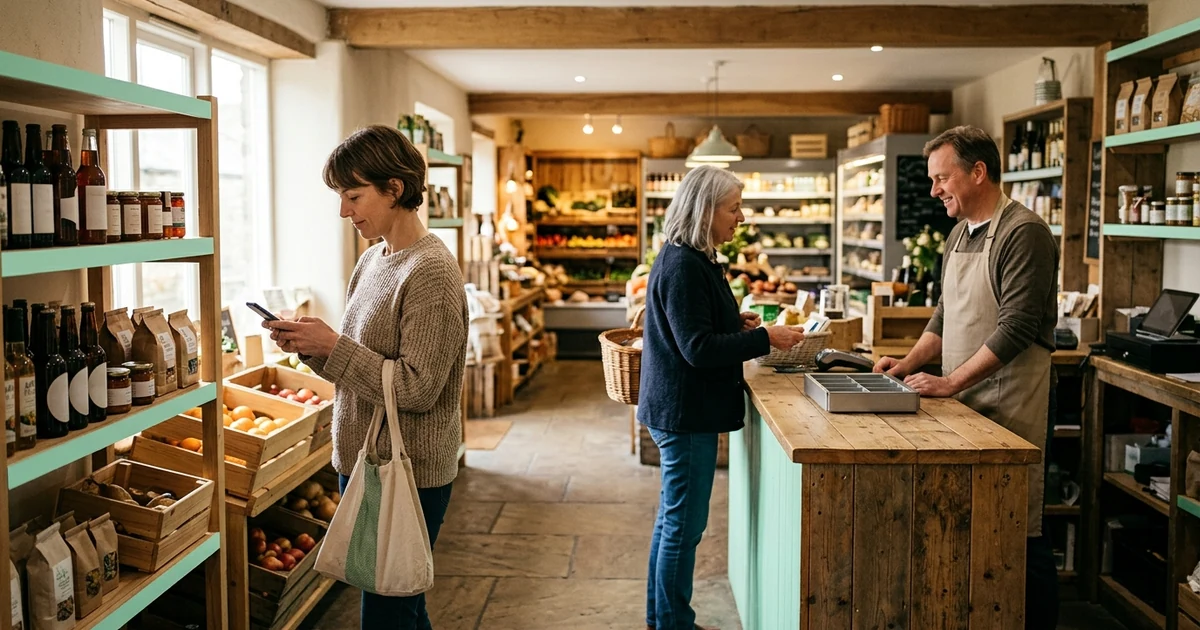
Think about your last busy Saturday. The displays were working. Footfall was strong. Staff were doing their best. But at some point, the queue probably became the most visible feature in your store.
That queue doesn’t just slow people down; it actively reshapes behavior. Industry research is blunt about it:
- A Capgemini study found that 46% of shoppers have abandoned at least one purchase because of long lines.
- In some grocery and convenience environments, queue‑related abandonment has been shown to shave up to 4–5% off potential revenue during peak periods.
In other words, you might be investing in extraordinary storytelling at the shelf, only to lose the sale at the last five meters of the journey.
For international or emerging brands, the stakes are even higher. You might only have a limited feature run or launch window. Every lost sale delays brand traction and skews your performance data. Was the display weak, or did checkout friction scare off would‑be buyers? Traditional POS can’t always tell you the difference.
And in smaller format stores, staff are constantly juggling: answering questions about that new hero product, restocking the display, and trying to process a growing line. Service suffers just when curiosity is at its peak.
Turning Engagement Into Instant Purchase With Pendoo
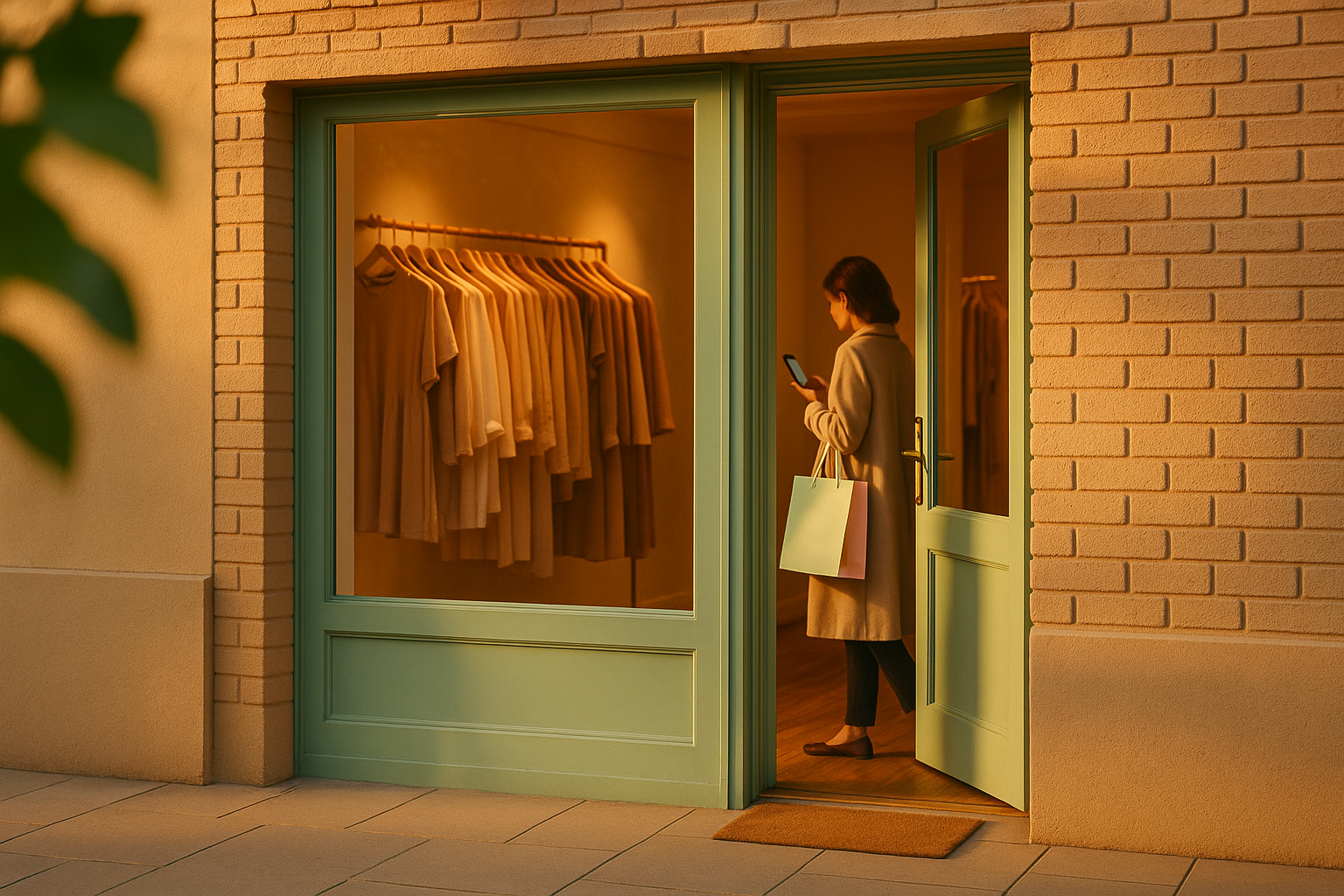
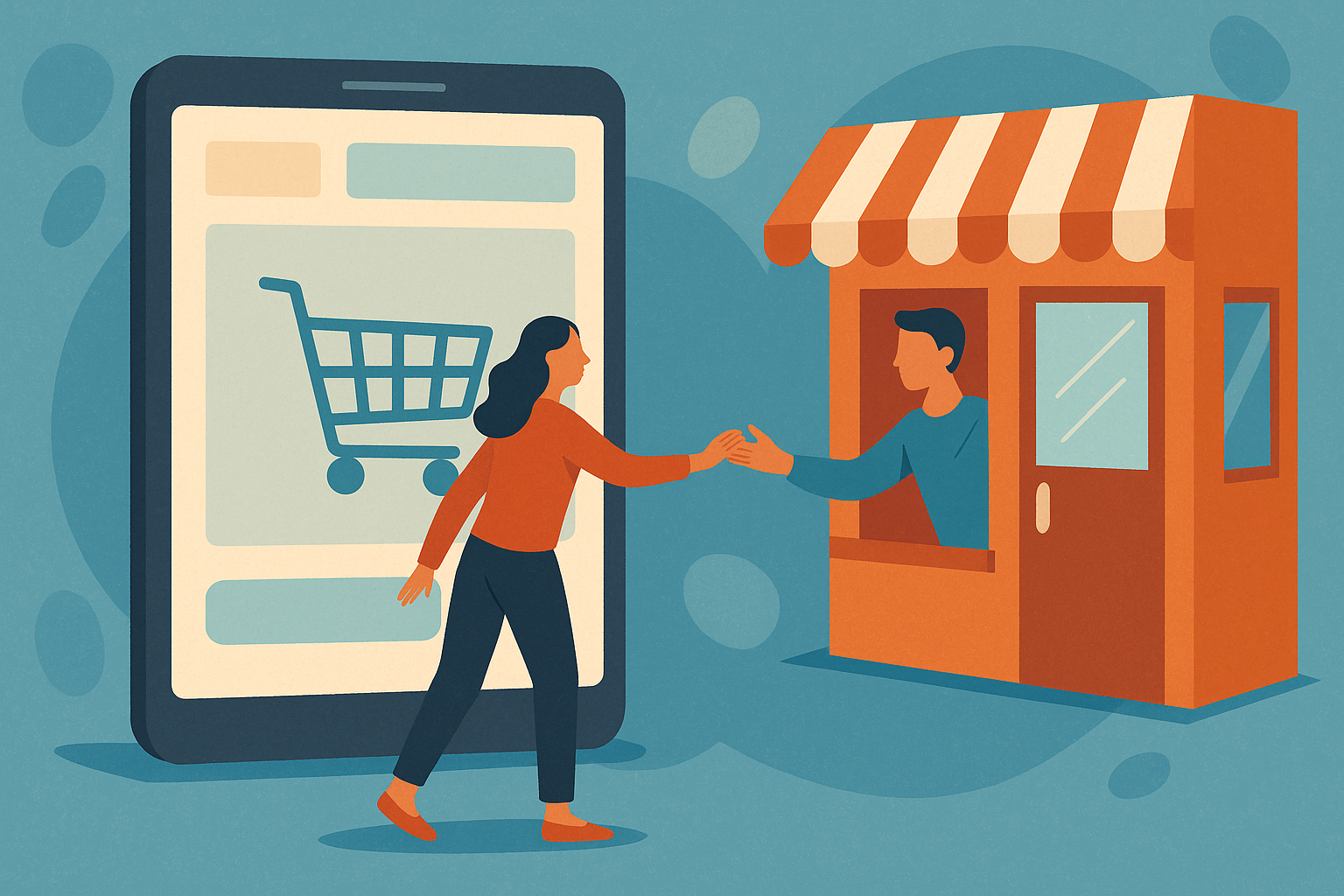
Now imagine the same launch, but the moment a shopper connects with a product on your display, the path to purchase is seconds instead of minutes.
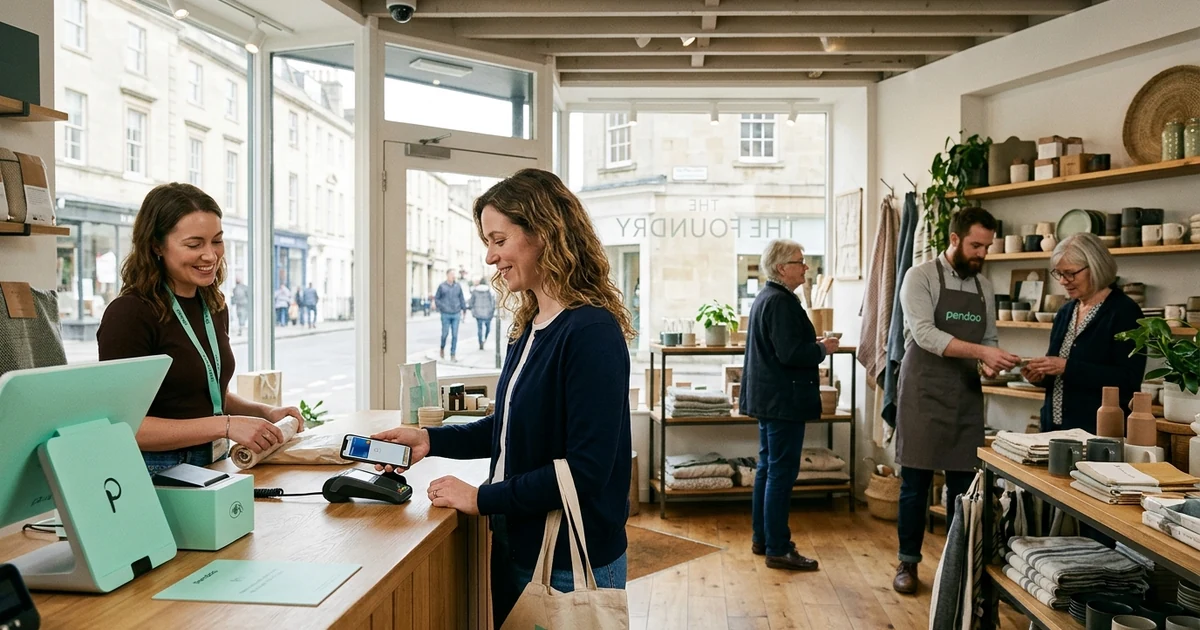
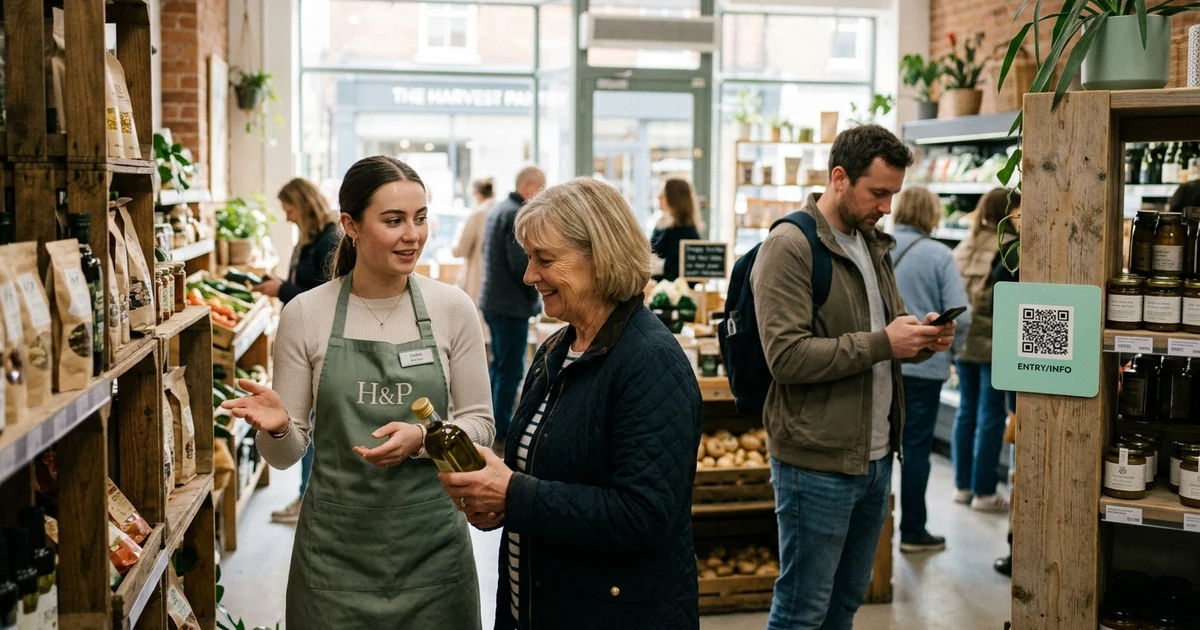
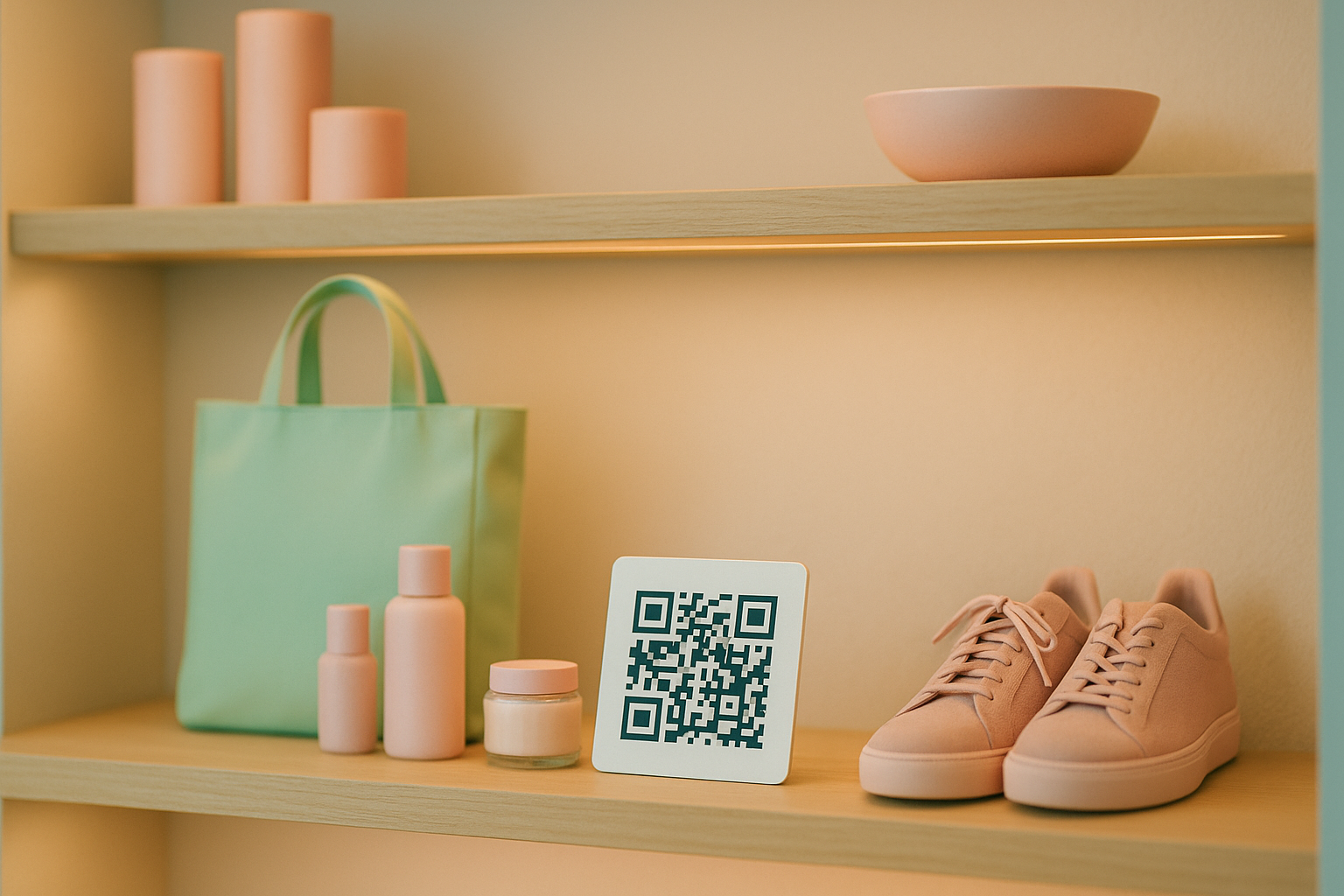
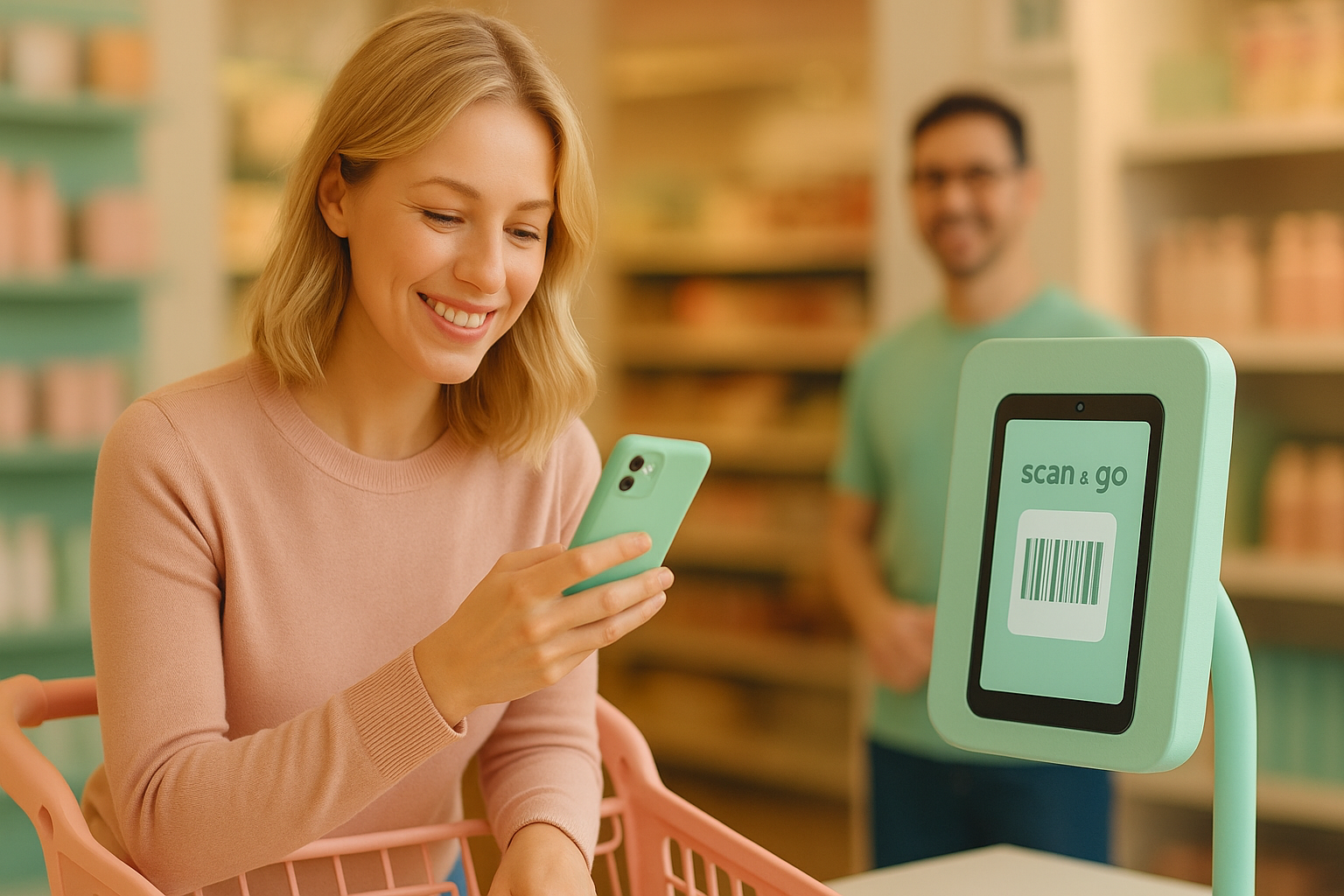
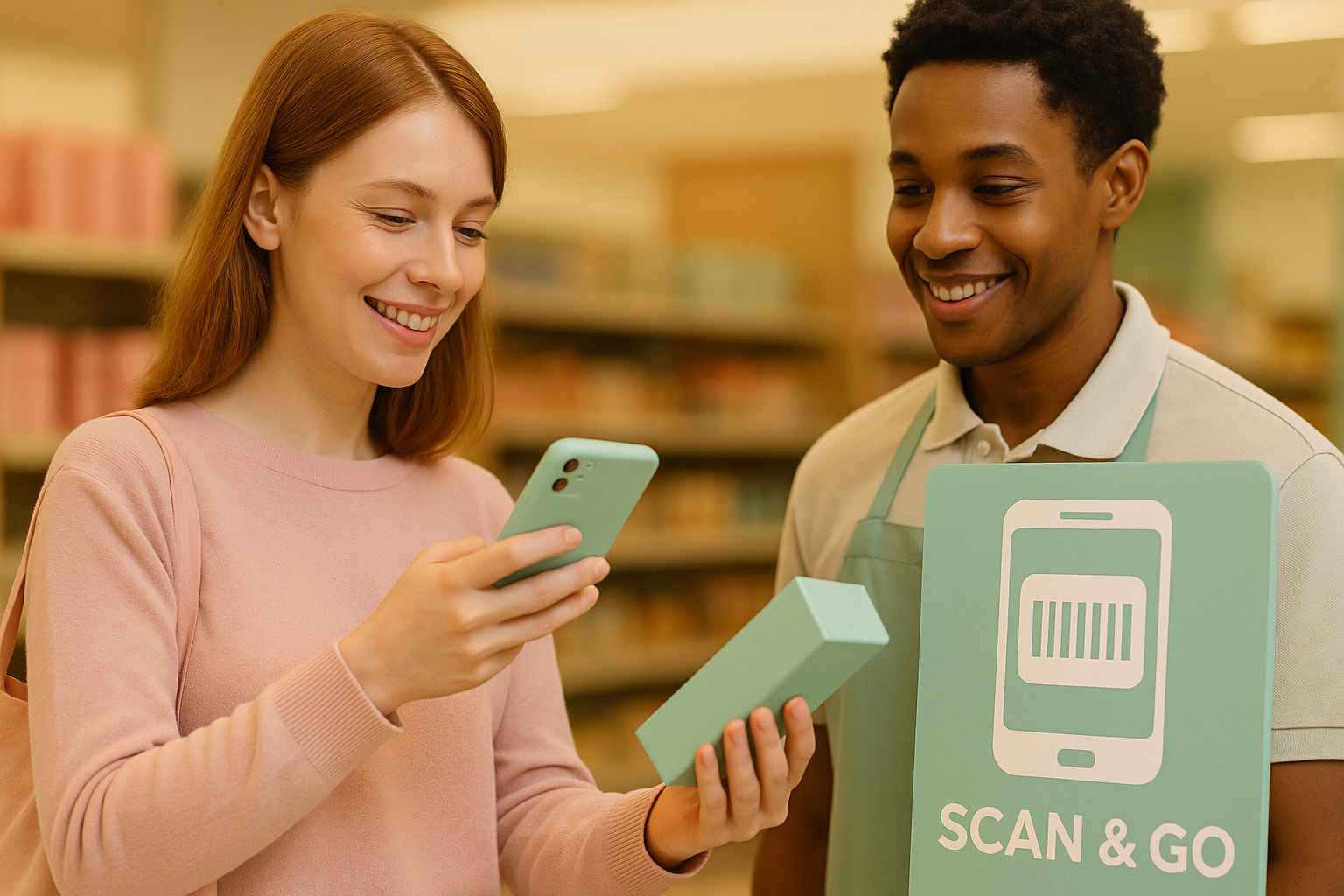
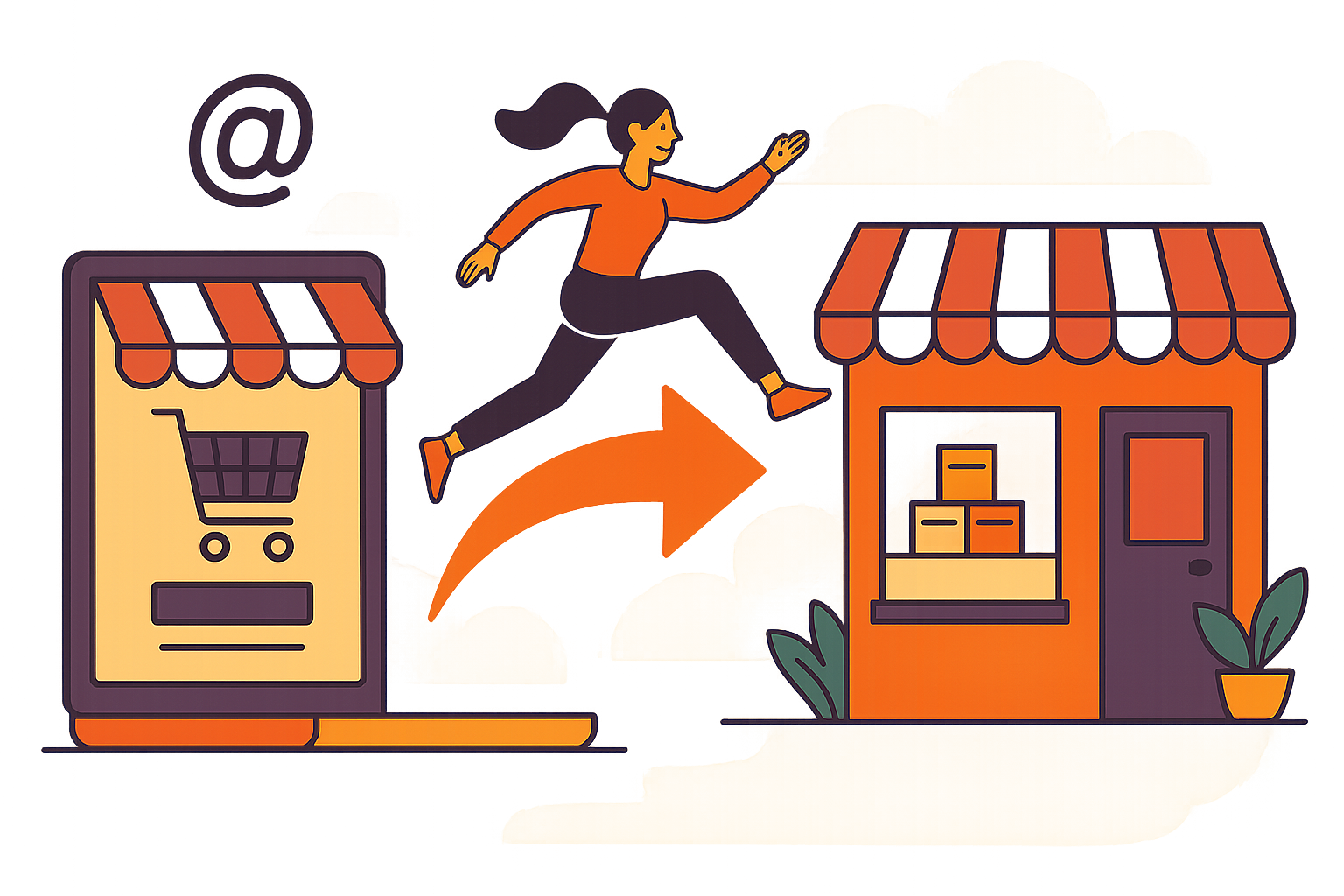
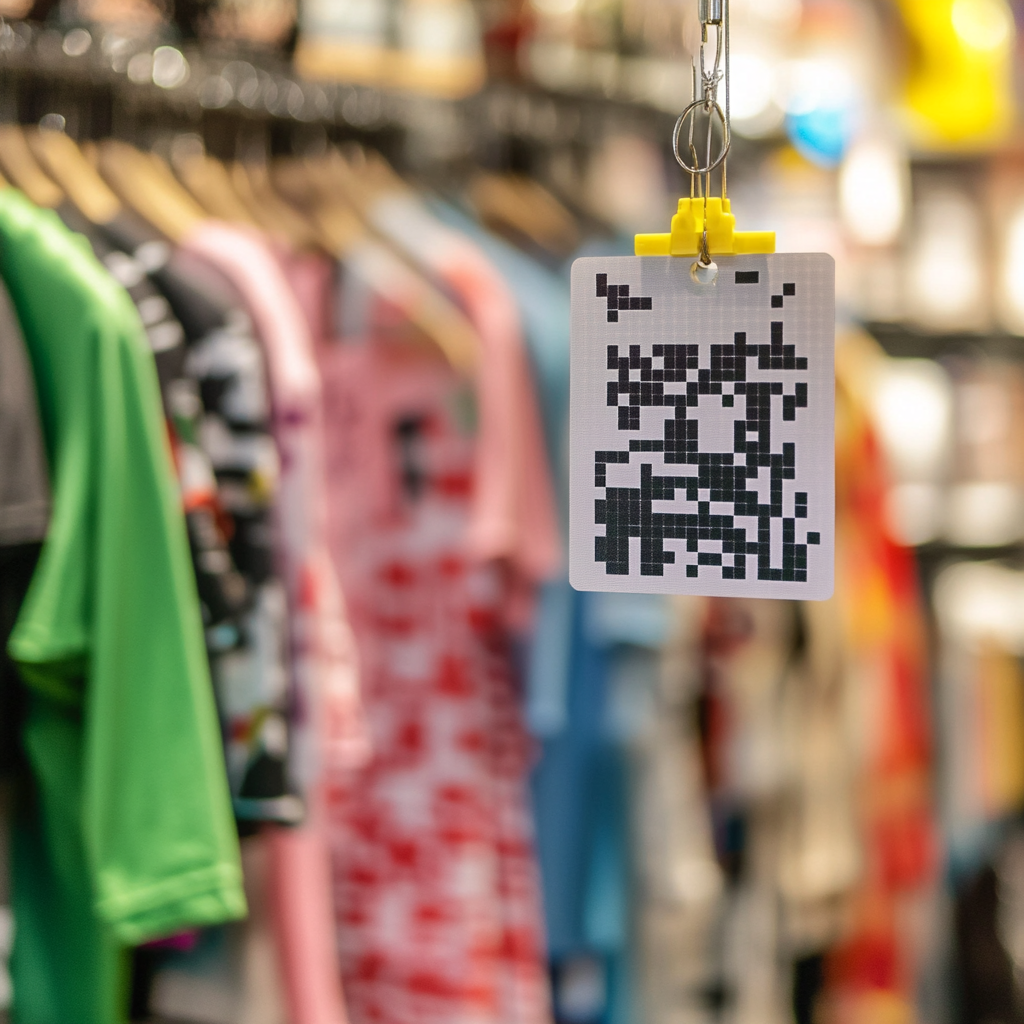
Pendoo makes that possible. It’s a frictionless, web‑based scan‑and‑go solution that runs straight from the shopper’s phone browser — no app to download, no account creation hurdle. A simple QR at the entrance or right on the display lets customers open Pendoo, scan items as they browse, and pay on their own.
From your perspective as a retailer, that means the display no longer ends at visual impact. It becomes a fully shoppable touchpoint. The shopper picks up the product, scans the barcode, sees rich information and pricing, and can check out the moment they decide.
Research into scan‑and‑go backs up the impact of removing that last layer of friction. Various pilots have shown:
- Self‑scanning customers often record basket sizes 10–20% higher than traditional checkout users, helped by the sense of control and speed.
- Retailers deploying mobile scan‑and‑go have reported double‑digit reductions in queue times, especially at peak.
Pendoo plugs that performance directly into the moment your displays are doing their best work, so engagement doesn’t fizzle out in line — it converts on the spot.
And because it’s browser‑based, you can pair Pendoo with any display concept. Pop‑up corners, shop‑in‑shops, or a feature wall for an international brand launch can all become instant, low‑infrastructure, self‑checkout zones without touching your main tills.
| Without Pendoo | With Pendoo |
|---|---|
| Display attracts attention, but checkout is separate. | Display attracts attention and enables instant purchase. |
| Queues dictate how many sales you can process. | Shoppers check out on their phones, queues shrink. |
| Limited insight into why interest doesn’t convert. | Data on what was scanned, considered, and bought. |
What Frictionless Checkout Really Changes Inside Your Store
Let’s bring it down to a concrete scenario.
Say you’re hosting a limited‑time feature for a new skincare brand. The display is beautiful, the story is tight, staff have been trained. A customer walks over on their lunch break. They’ve got maybe ten minutes.
Without Pendoo, they:
- Explore the products
- Ask a quick question
- Decide to buy two items
- Glance at the queue and realize they’ll be late getting back
- Put one item back or abandon the purchase entirely
With Pendoo in place, the flow is different:
- They scan the QR as they approach the display
- Read detailed product information on their phone while browsing
- Scan both products straight from the shelf
- Pay in seconds and walk out — no line, no waiting
Your staff are freed up to do what they’re best at: storytelling, cross‑selling, and giving that new brand the attention it deserves, instead of firefighting at the till. The entire journey from discovery to purchase stays inside the emotional moment you worked so hard to create with the display.
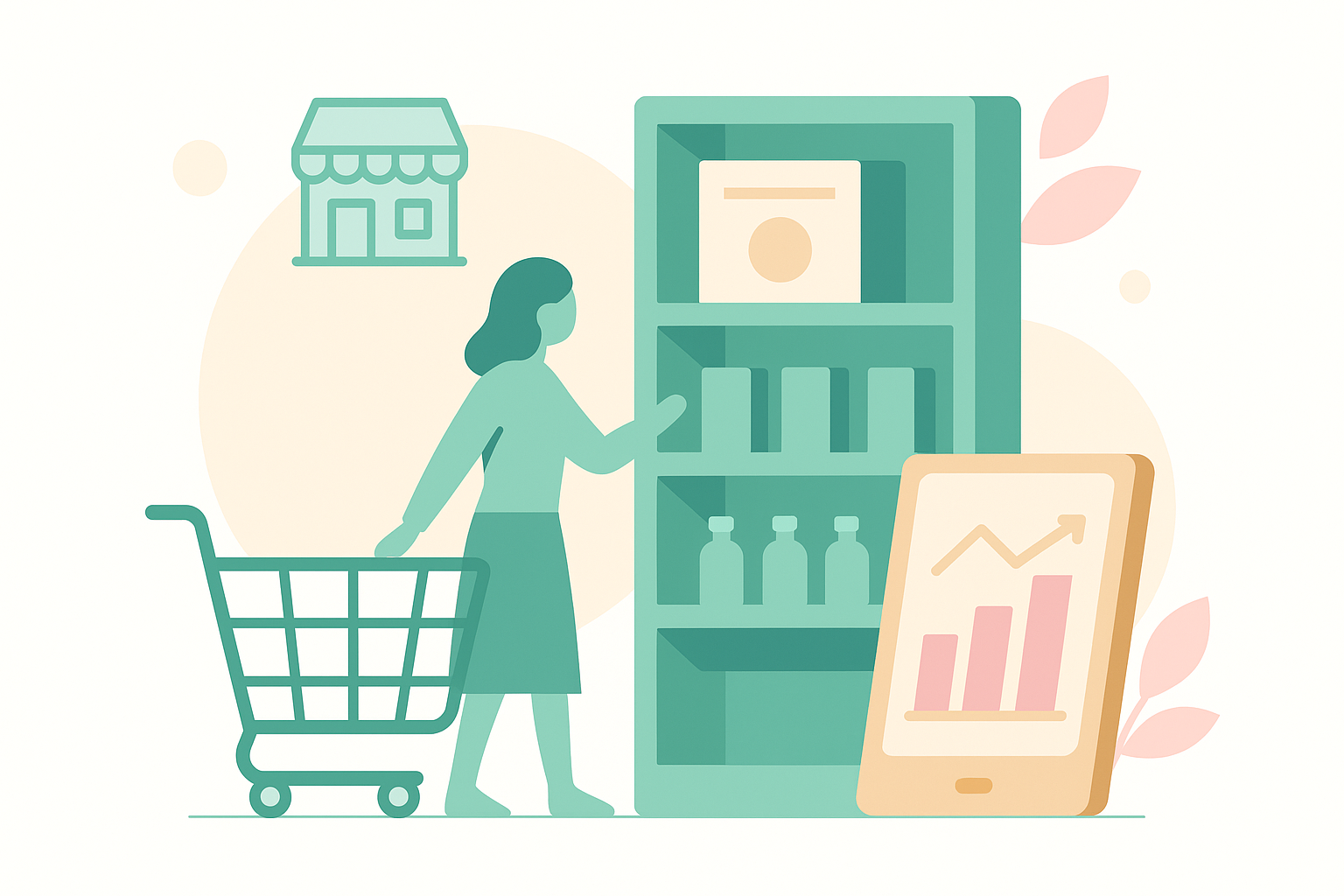
Behind the scenes, Pendoo can also surface product‑level insights you rarely see with traditional POS. You can understand which hero items are frequently scanned but not purchased, or how basket composition shifts when customers self‑scan versus queue. That’s gold when you’re refining a launch or negotiating future placements with brand partners.
Insight Example: High scan / low purchase on a single SKU might mean price resistance, unclear benefits, or packaging that doesn’t match the promise of the display.Concrete Advantages for Shop Owners
When you connect your merchandising to a frictionless checkout layer, a few things start to happen consistently.
First, revenue per visitor tends to climb. Because Pendoo shortens the time between "I like this" and "I’ve bought this", you keep more of the impulse and upsell wins your displays are designed to create. The higher basket values seen in many scan‑and‑go trials translate in your world into more multi‑buy behavior, easier add‑ons, and better performance on promotional bays.
Second, operational stress eases off. You don’t have to over‑staff tills just in case it gets busy. Instead, staff can circulate around key displays, using Pendoo as a tool: “If you’re in a rush, you can just scan and pay on your phone while you look around.” Queue spill‑over shrinks, and so do complaints about waiting.
There’s also a clear competitive edge. As more shoppers get used to frictionless behaviors from e‑commerce and quick‑commerce, they start to expect something similar in physical retail. Offering a smooth, app‑free scan‑and‑go experience right where curiosity peaks — at your best displays — sends a simple message: your store respects their time.
For brand partners, especially international ones entering a new market, that can be a decisive point of difference. You’re not just promising strong presentation; you’re offering a high‑conversion, data‑rich launchpad that makes their investment in in‑store storytelling work harder.
Designing Stores Where Every Display Can Sell Instantly
Beautiful displays aren’t going away. If anything, they’re more important than ever as stores become places to discover, experiment, and connect with brands in ways that can’t happen through a screen.
The challenge is making sure those experiences don’t stall at the last mile.
Pendoo is built for exactly that gap: turning inspiration into transaction without forcing your customers through an outdated, one‑size‑fits‑all queue. Whether you’re running a single neighborhood store or a network of locations hosting rotating brand activations, your goal is the same — maximise the return on every square meter of merchandising.
By letting shoppers scan, pay, and go right from their phones, you give your displays a new job description: not just to attract and educate, but to close the sale there and then.
If you’re already investing in in‑store storytelling, it might be time to ask a simple question: what would my sales look like if every engaged shopper could check out in under a minute? That’s the world Pendoo is designed to unlock.
Like what you read?
Sign up and start running your store on your terms — free plan available.