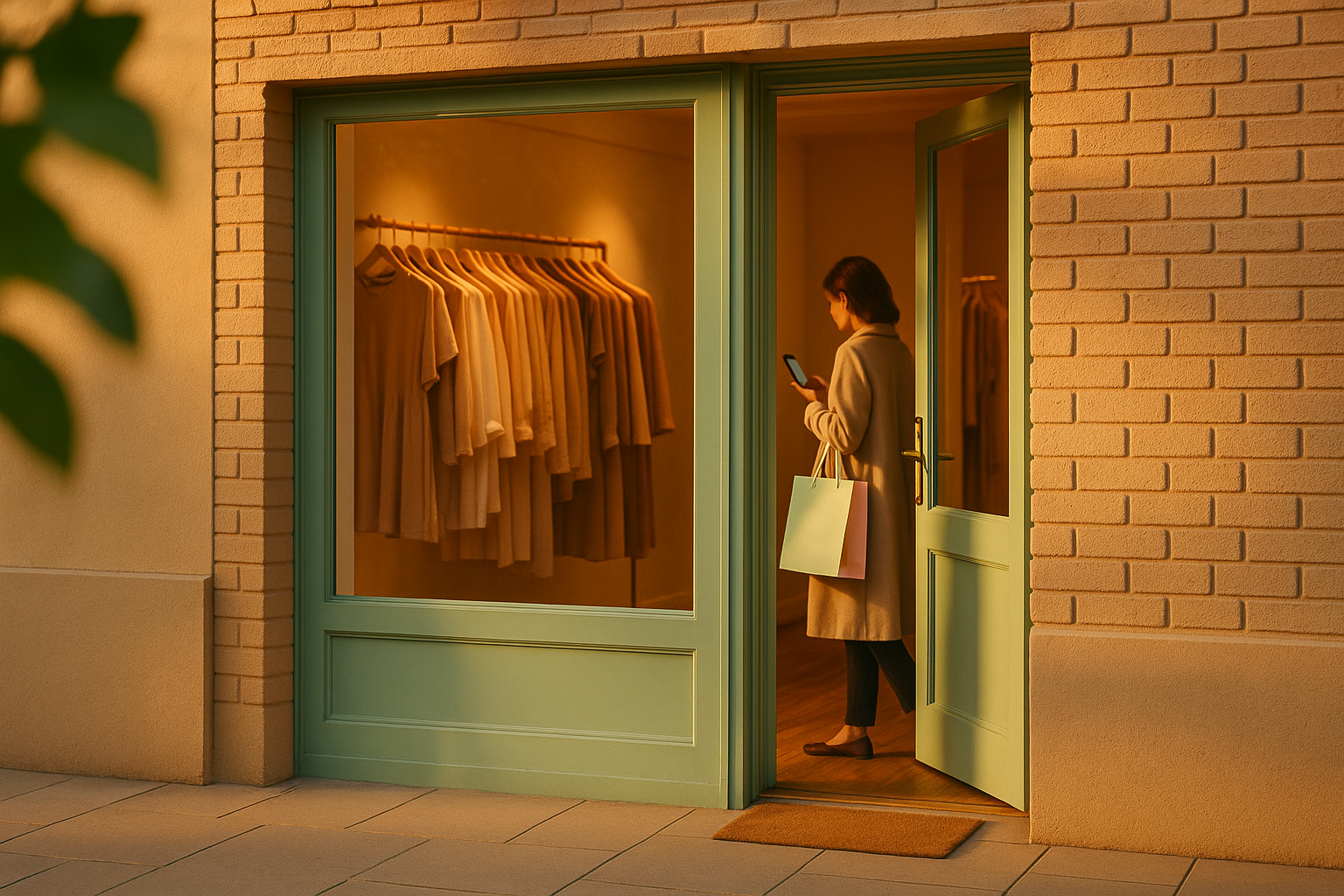
Walk into any retail store during peak hours and you'll witness a familiar scene: customers clutching their selected items, glancing impatiently at their phones, calculating whether the checkout wait is worth it. Some abandon their baskets. Others vow never to return. The disconnect isn't about your products or pricing—it's about communication.
Your shoppers are sending signals constantly. The way they navigate aisles, pause at displays, check their watches near the register. Every behavior tells a story about what they value, yet most stores only tune into these preferences after the damage is done. Exit surveys and feedback forms capture frustration, not opportunity.
Here's the challenge: today's retail customers have been trained by seamless digital experiences. They order groceries with three taps, hail rides without speaking to drivers, and stream entertainment without visiting stores. When they enter your physical location, they're not abandoning these expectations—they're amplifying them. The in-store channel becomes the ultimate test of whether you understand how they want to shop.
The Real Cost of Miscommunication
When checkout friction disrupts the shopping experience, the financial impact ripples beyond lost sales. Consider the customer who loves your boutique's curated selection but dreads the single-register bottleneck. She's not just a lost transaction today—she's a missed relationship.
Traditional queue-based systems speak a language of scarcity: limited staff, constrained space, industrial-era processes. Your customers, meanwhile, are fluent in immediacy. This linguistic gap translates to tangible losses. Studies show that 86% of shoppers have left a store due to long lines, and retailers lose an estimated $37.7 billion annually to checkout abandonment.
Operationally, you're staffing for peak capacity that occurs maybe 15% of the time, burning payroll during slow periods while still creating wait times during rushes. Your team becomes traffic managers instead of brand ambassadors, scanning items mechanically rather than building connections that drive loyalty.
Meeting Shoppers Where They Already Are
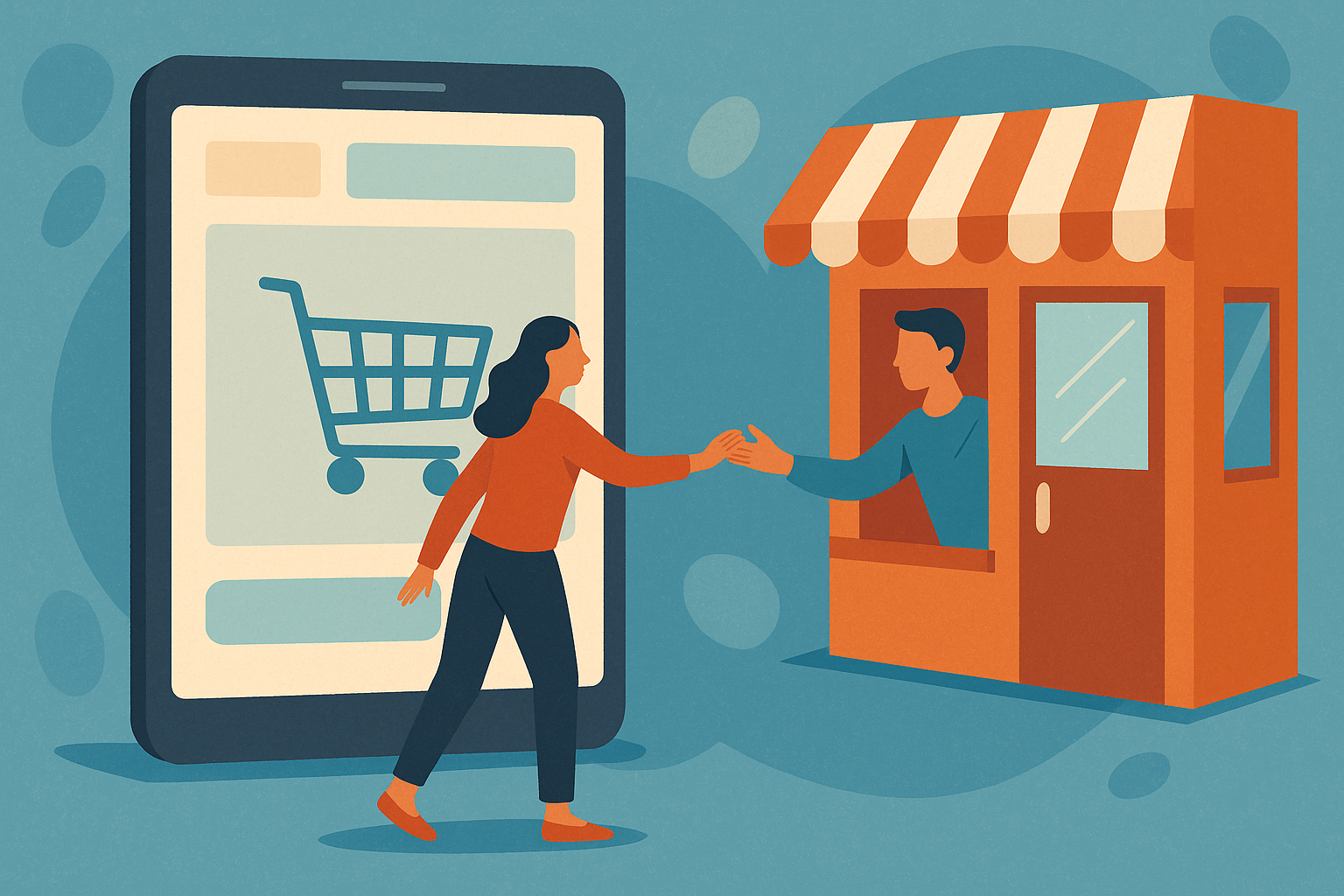
The solution isn't teaching customers a new shopping vocabulary—it's adopting theirs. Modern shoppers already carry the perfect retail interface: their smartphones. They're comfortable scanning codes, reviewing digital receipts, and completing purchases without human intermediaries when that suits their mood.
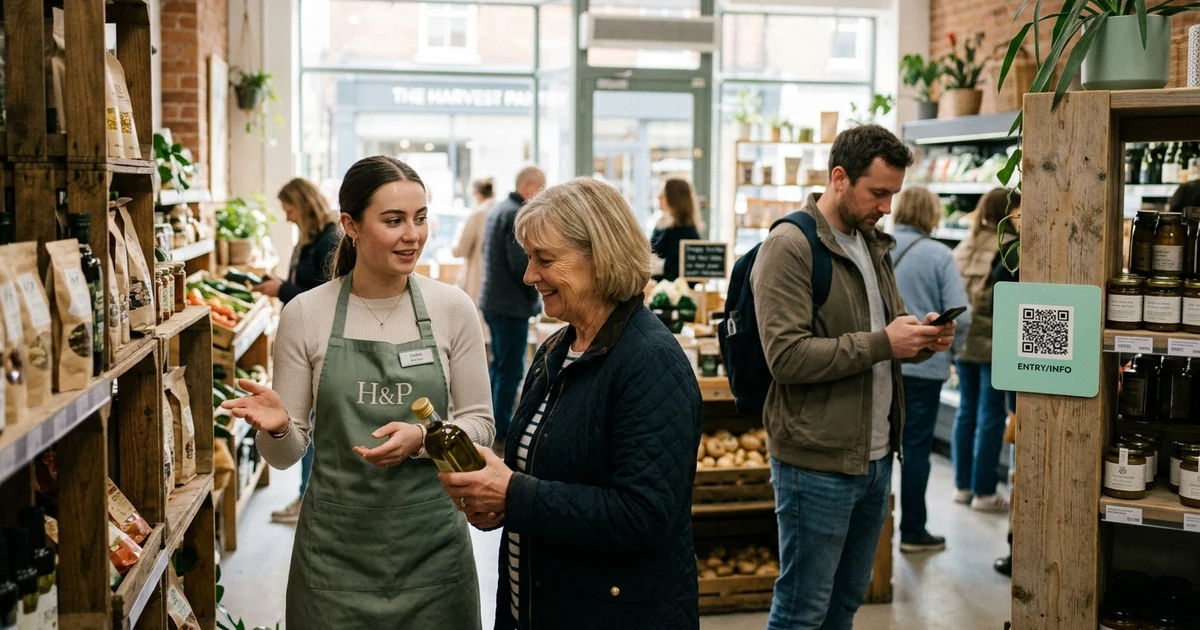
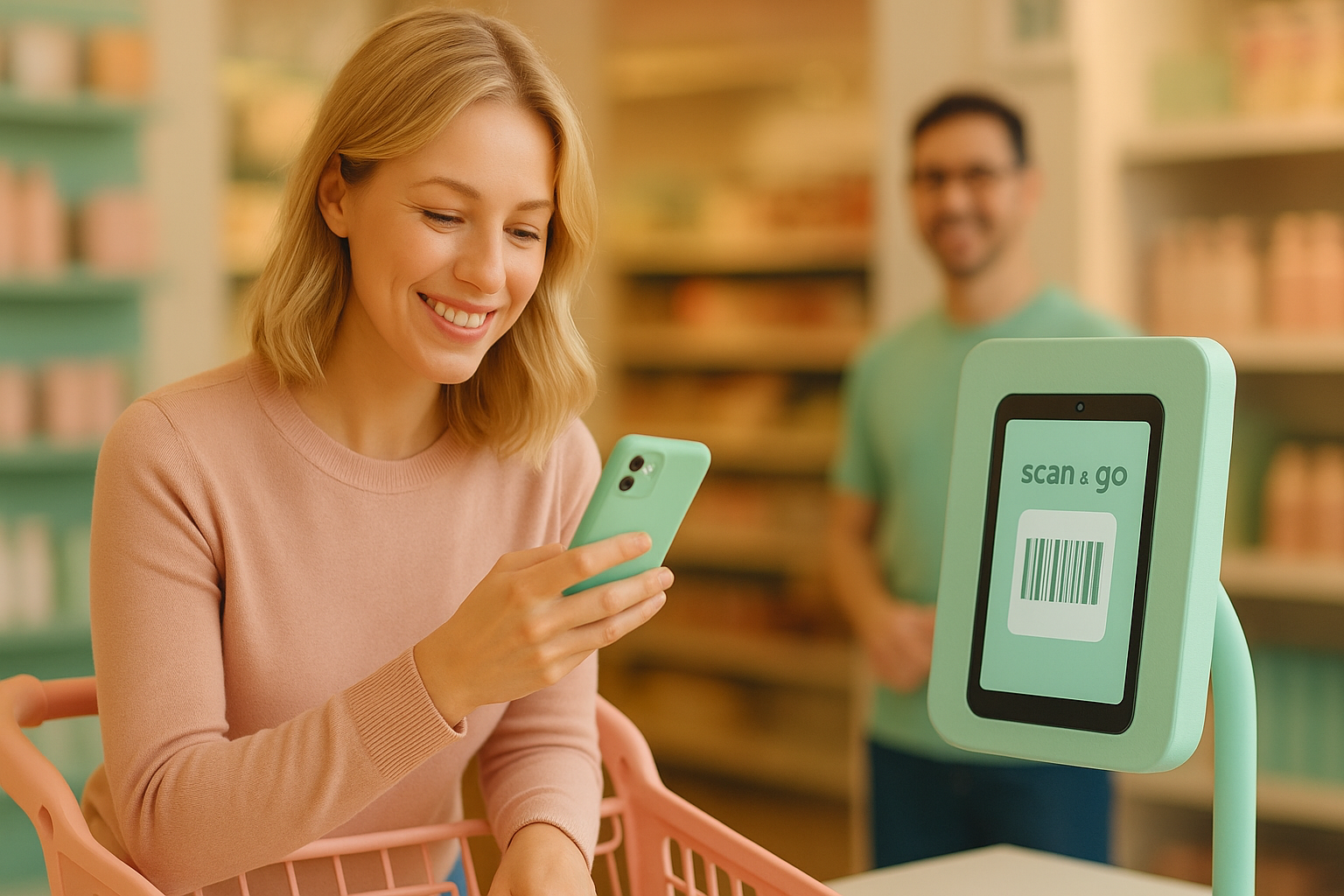
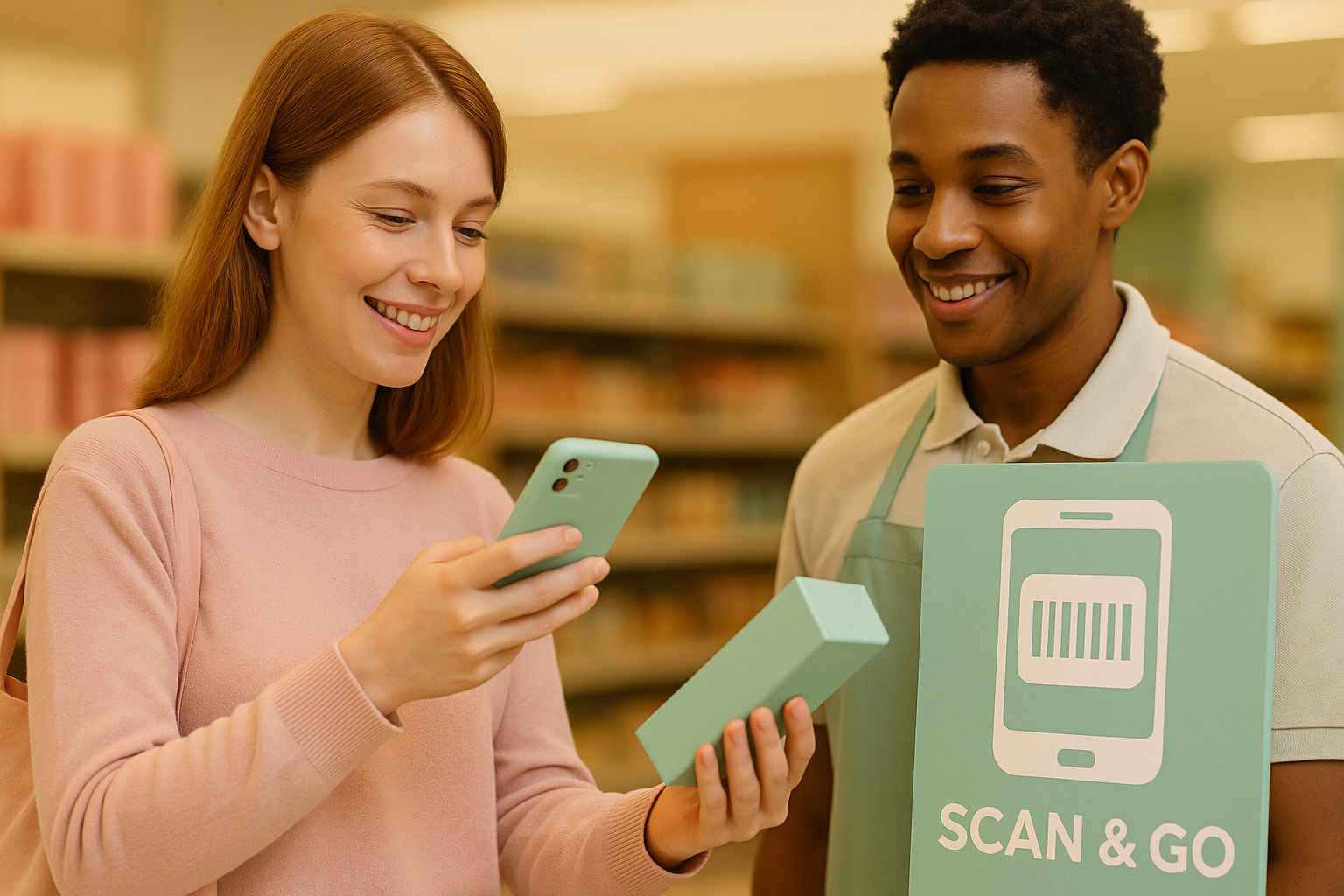
Scan-and-go technology speaks this native digital language while preserving what makes physical retail irreplaceable. Instead of forcing every customer through the same checkout choreography, it offers autonomy. The rushed lunch-break shopper scans items while browsing, pays through their browser, and leaves. The leisurely weekend visitor can still chat with your staff about product recommendations, then checkout seamlessly when ready.
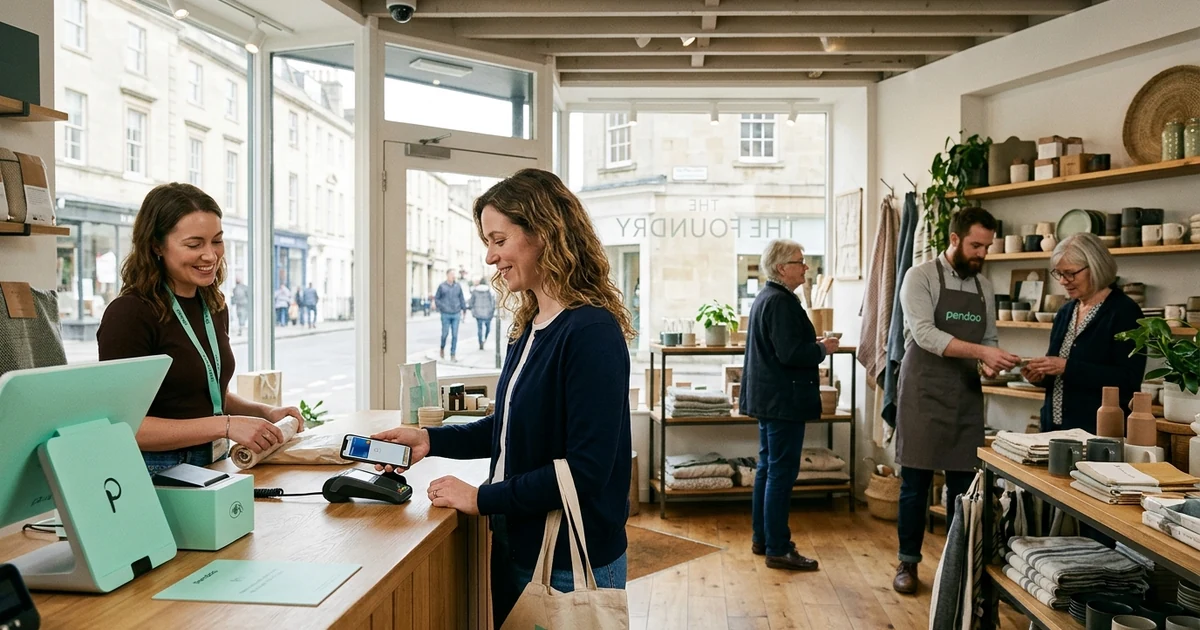
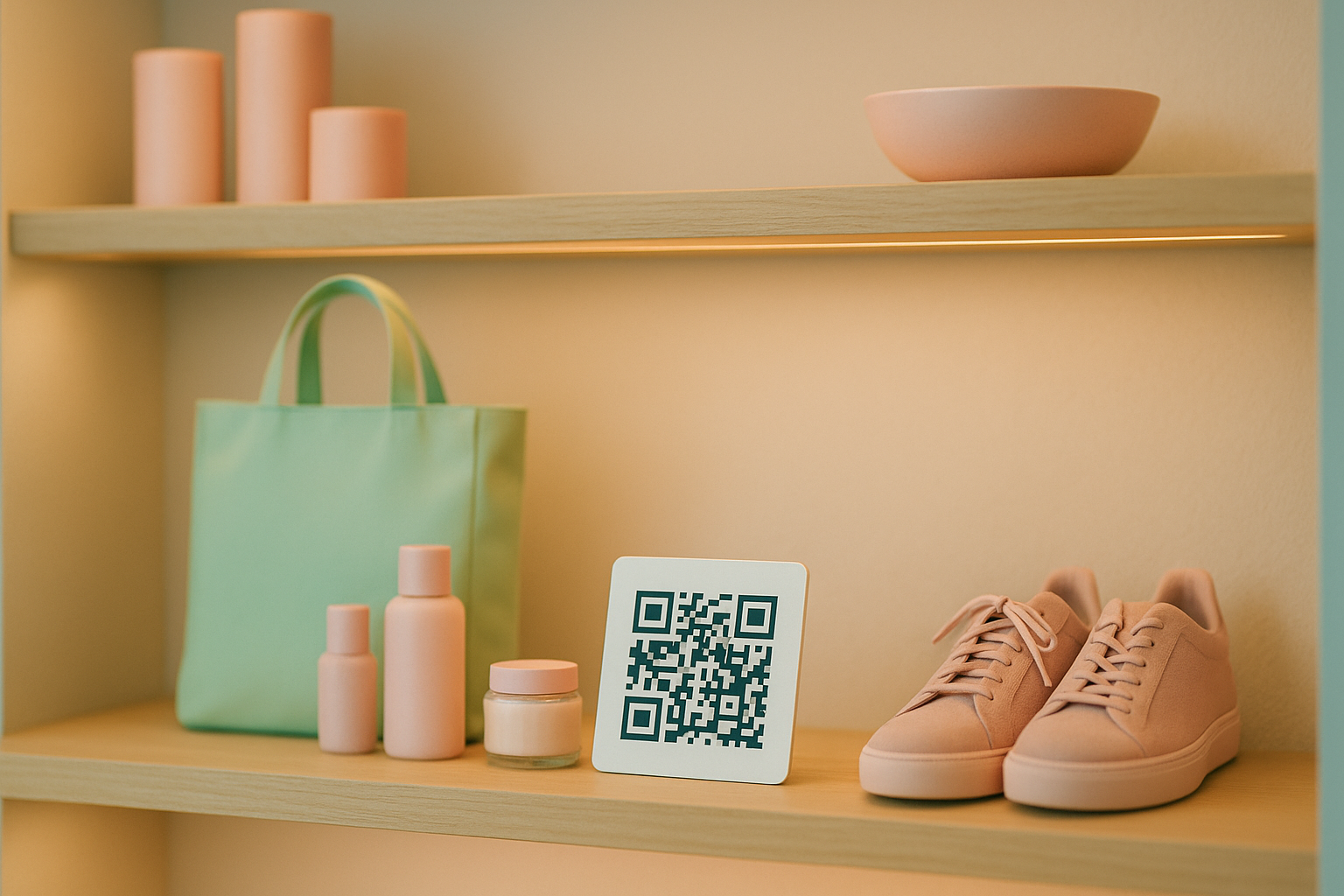
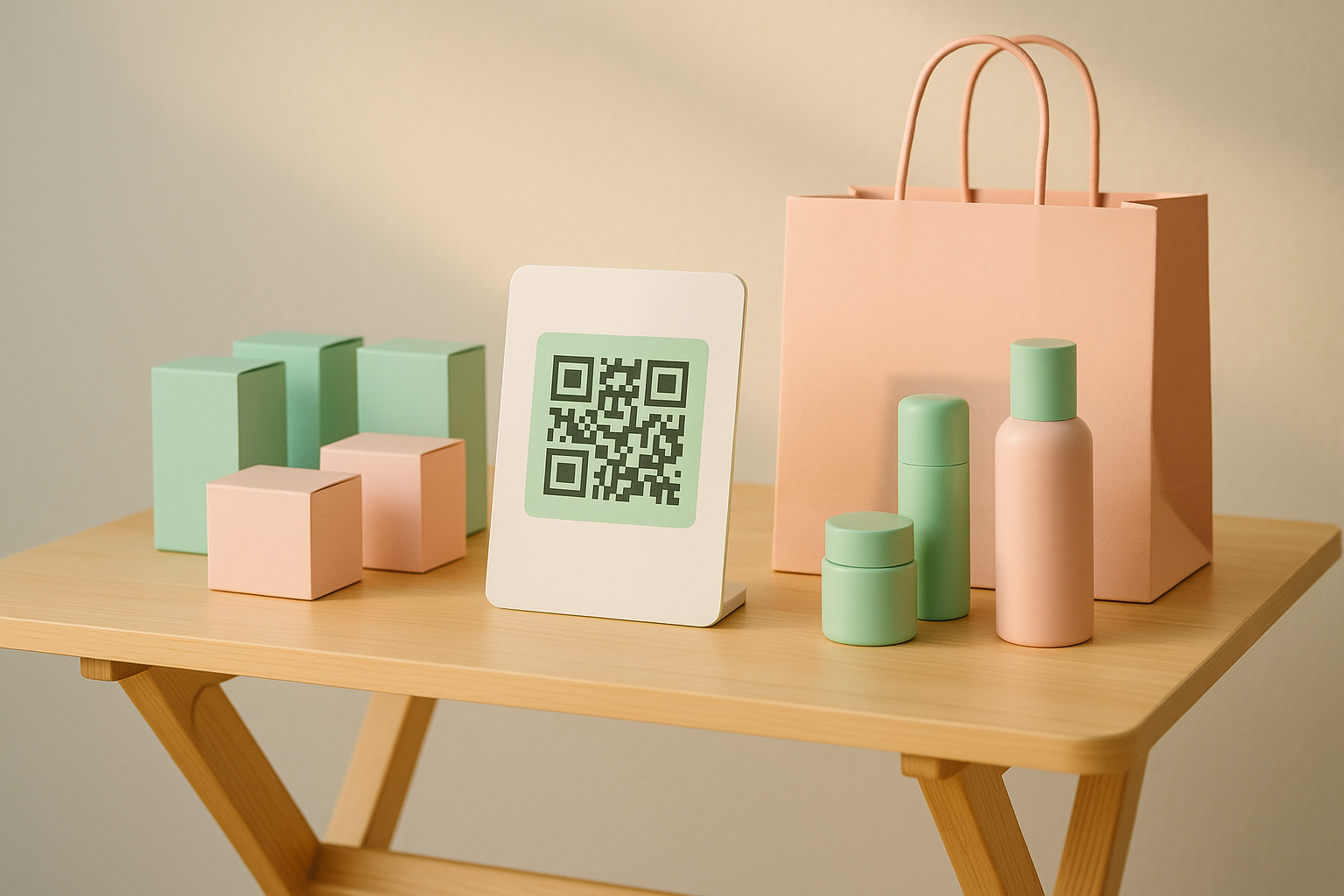
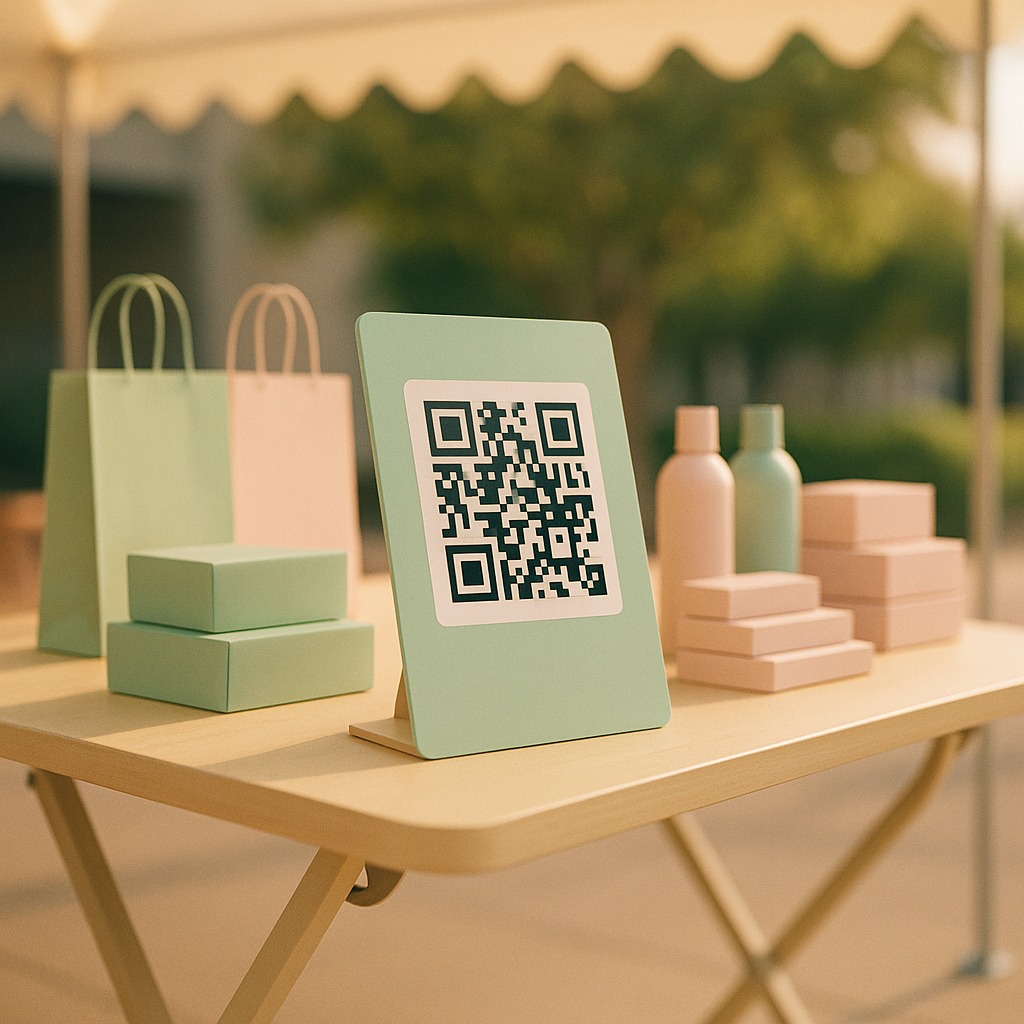
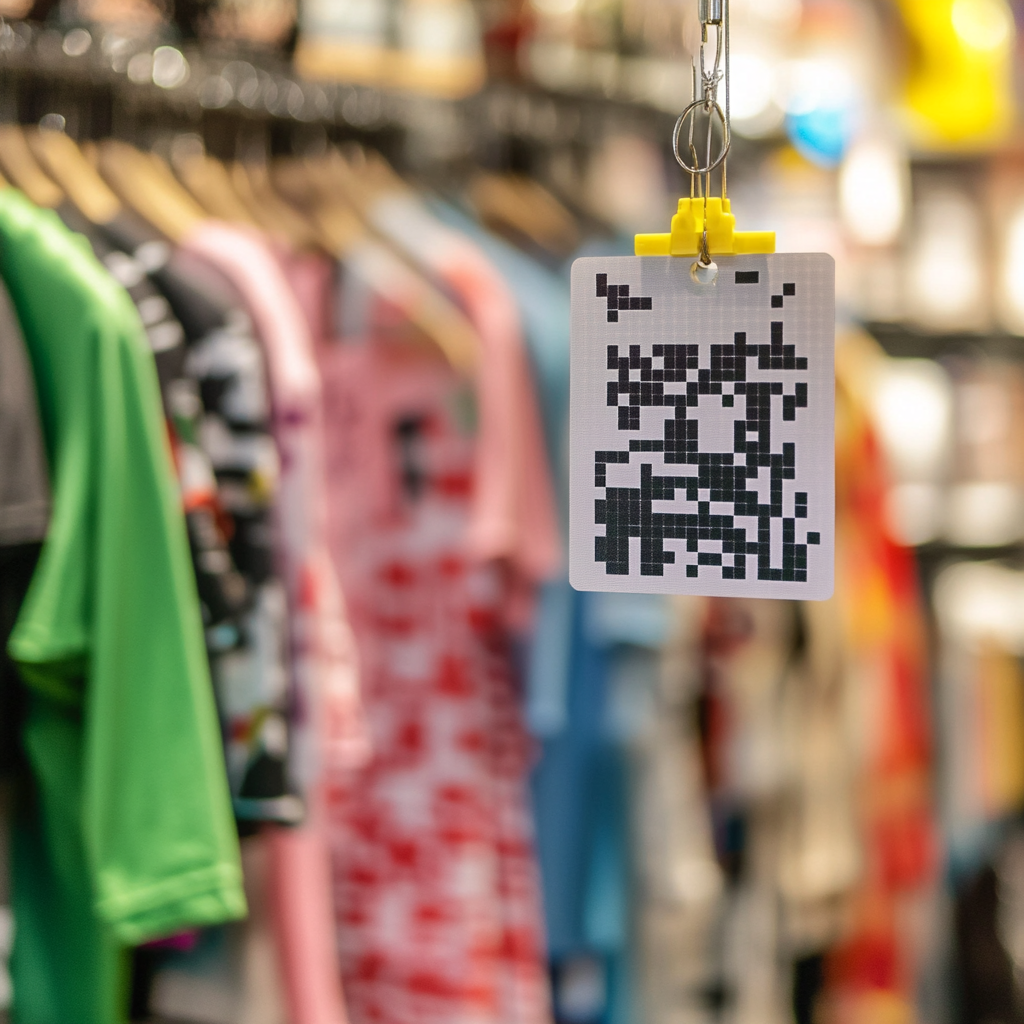
Pendoo transforms this vision into practice without the complexity that typically derails retail technology. Your customers simply scan barcodes on products using their phone's camera—no app downloads, no account creation, no learning curve. The purchase happens in their browser, frictionless and familiar. For Shopify merchants, implementation takes under five minutes. You're not overhauling your operation; you're adding a communication channel that 67% of shoppers prefer.
The psychology shifts immediately. Queues dissolve, but so does the subconscious pressure to "hurry up and leave." Customers linger. They discover products they'd have skipped while mentally calculating wait times. Basket values climb—retailers implementing scan-and-go solutions report 15-30% increases in average transaction sizes.
The Operational Advantage
Your staff transforms from bottleneck to asset. Without constant register duty, they can focus on experiences that actually differentiate your store: styling advice in apparel, product knowledge in specialty retail, relationship building everywhere. One team member might handle restocking and customer questions simultaneously, while your real-time transaction tracking keeps inventory accurate without manual counts.
Competitively, you're solving a problem your shoppers didn't think you could address. Big-box stores have self-checkout, but it still requires standing in designated areas, scanning items one by one, and navigating temperamental machines. You're offering something more elegant: shop at your pace, pay invisibly, own your time. That's not just convenience—it's respect for how customers actually want to spend their Saturday afternoon.
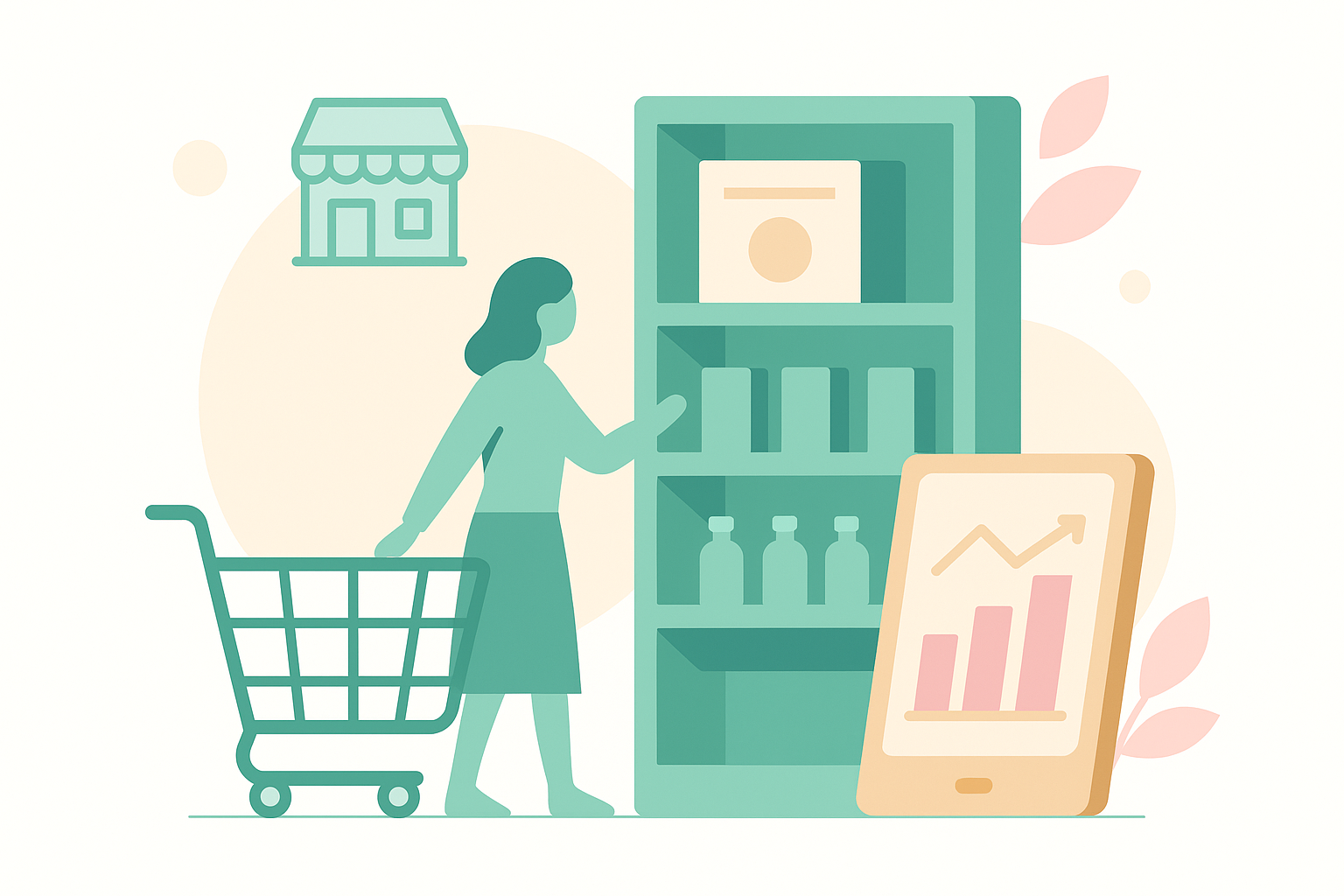
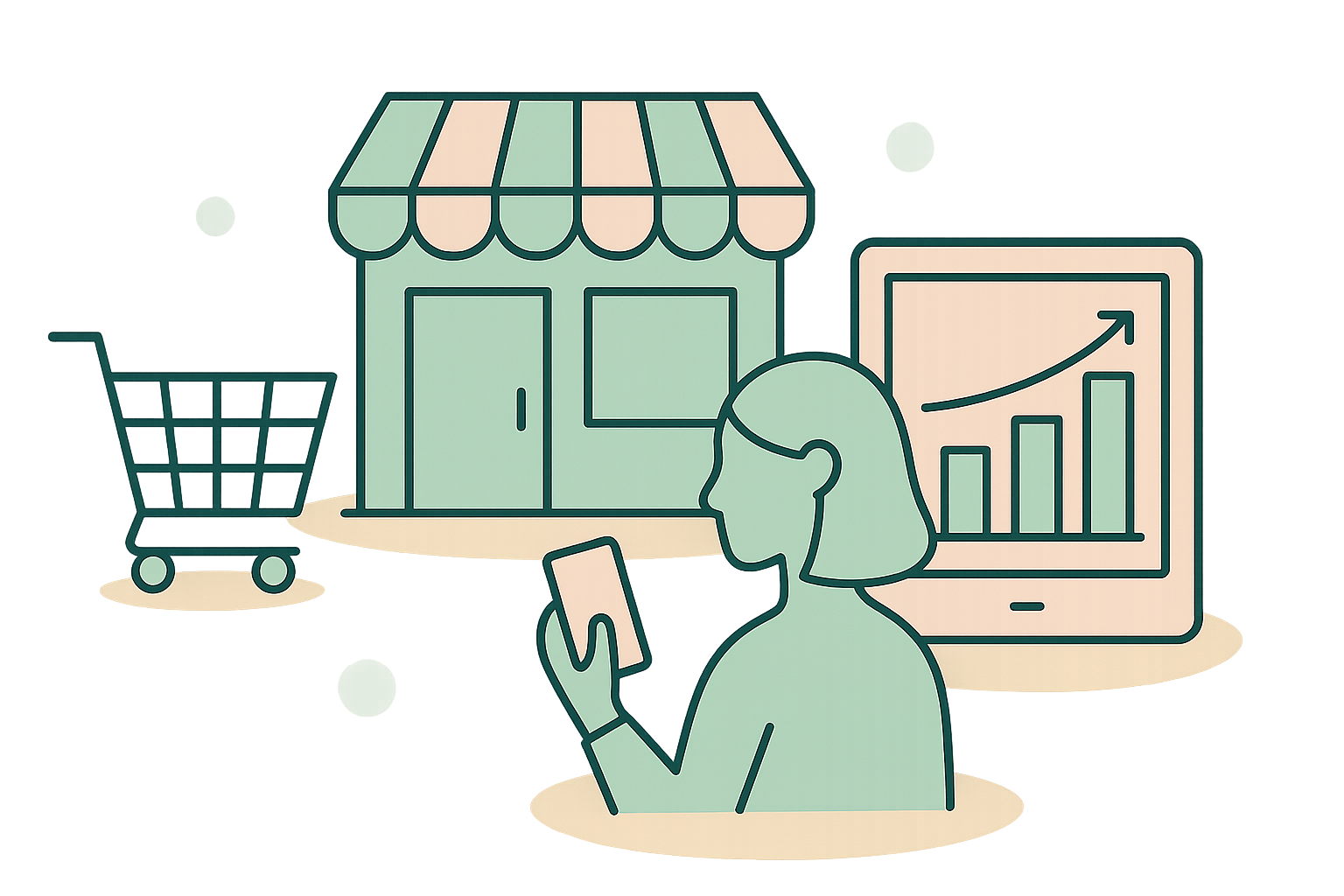
The data becomes conversational too. Real-time tracking shows you which products get scanned but not purchased, revealing price sensitivity or confusion. You see peak traffic patterns not through stressed staff reports but through clean analytics. Inventory adjustments happen proactively, not reactively.
Creating Dialogue, Not Monologue
Retail has always been about relationships, but relationships require mutual understanding. When your checkout process only speaks one language—"wait here, move forward, pay now"—you're broadcasting, not conversing. Scan-and-go creates dialogue. Customers choose their journey. You respond with space, support, or speed as needed.
The stores thriving today aren't those with the fanciest fixtures or deepest discounts. They're the ones that understand shoppers as individuals with varying needs, time pressures, and preferences. Technology like Pendoo doesn't replace the human elements that make your store special—it removes the friction preventing customers from experiencing them fully. When checkout becomes invisible, everything else becomes vivid: your curation, your expertise, your atmosphere.
Your shoppers have been telling you what they need. The question is whether you're ready to answer in their language.
Like what you read?
Sign up and start running your store on your terms — free plan available.