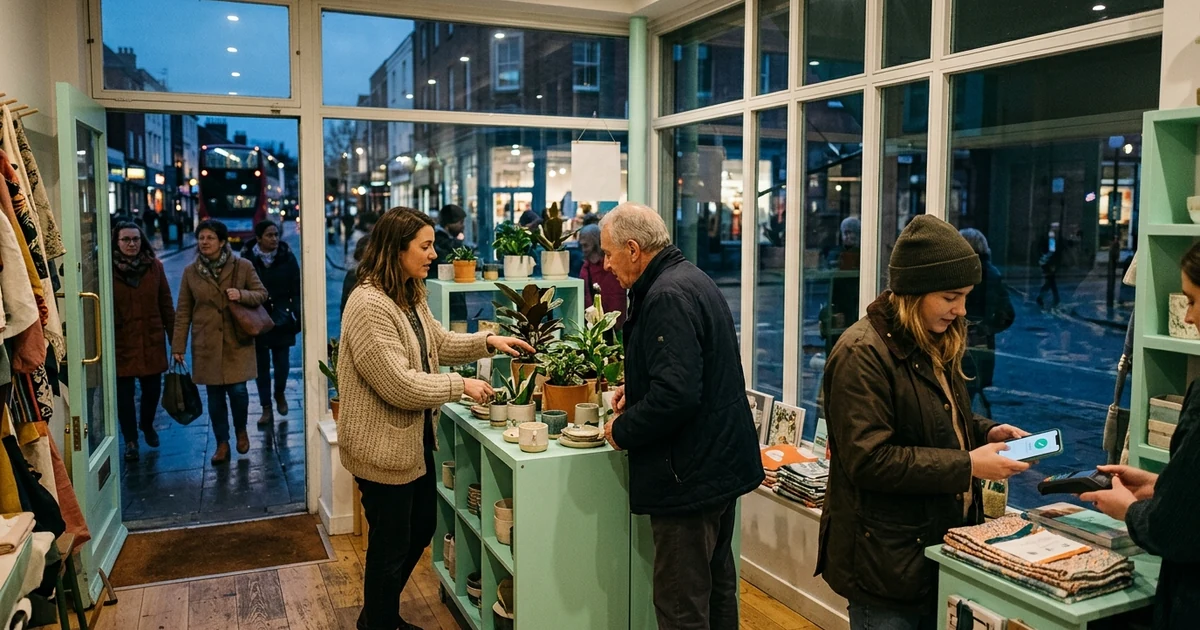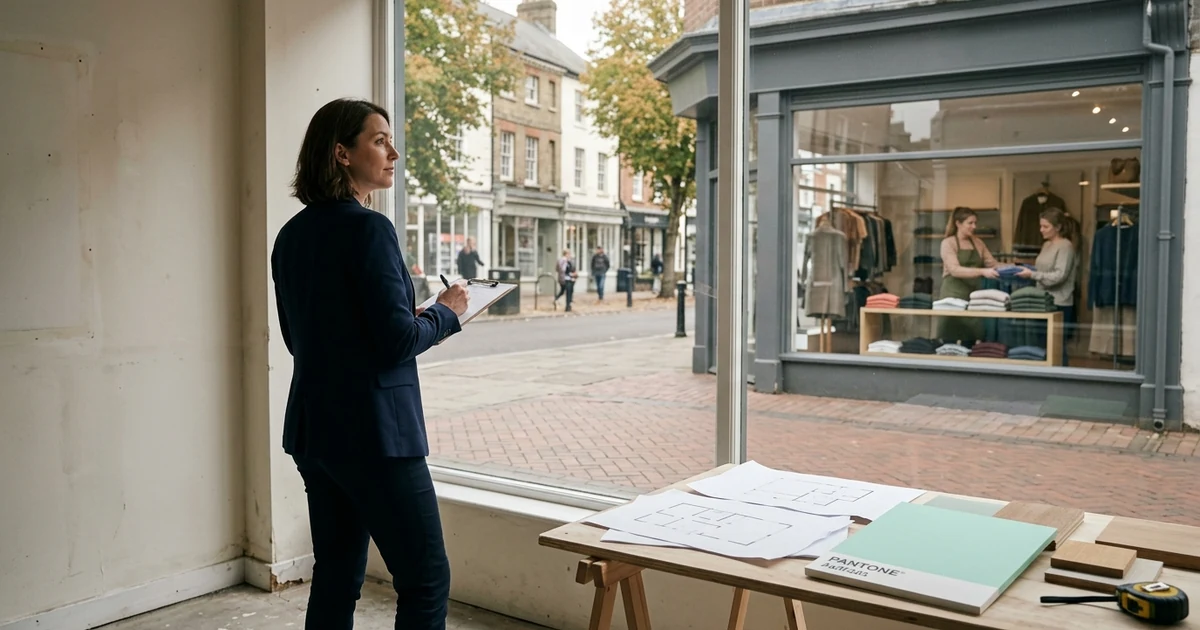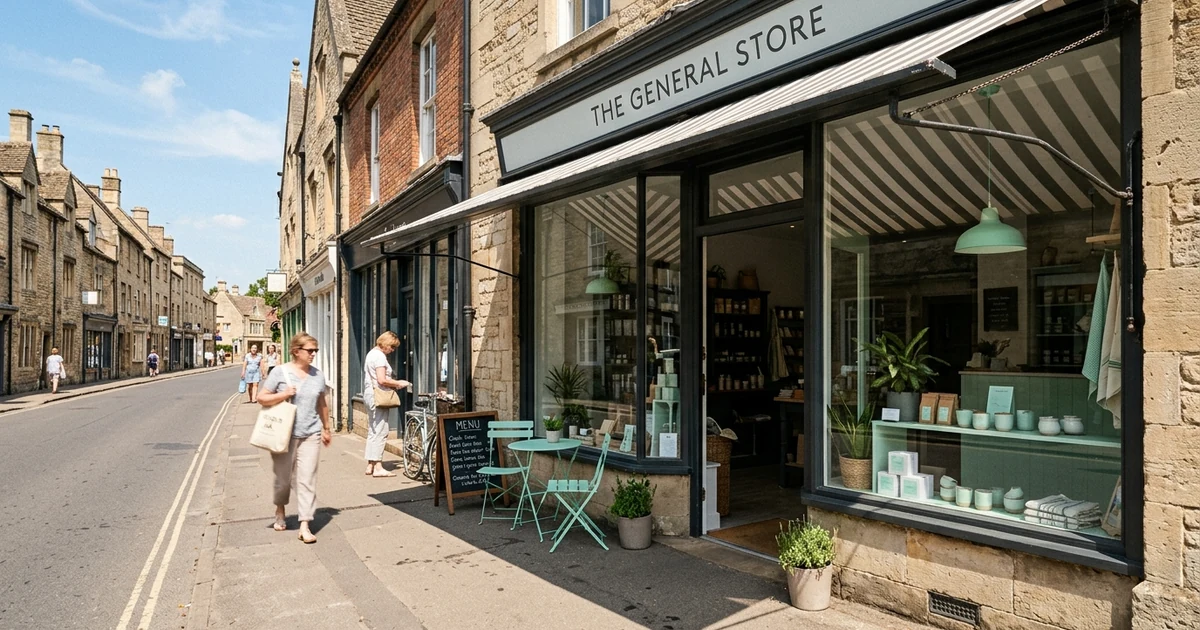
The next shop can look affordable on a property spreadsheet and still be expensive to operate. Before committing to a lease, retailers need to ask what work the store will require, who will do it, and whether every selling hour depends on someone being available at a till.
England’s business rates changes make that conversation timely. But the useful response is not simply to hunt for cheaper premises. It is to rewrite the store brief before the property search begins.
A lower multiplier is not your business case
Under government guidance on qualifying retail properties, two lower business rates multipliers apply from April 2026 to qualifying retail, hospitality and leisure properties with a rateable value below £500,000.
That sounds encouraging. Yet Knight Frank’s June 2026 retail analysis reports rising retail rateable values following the revaluation and highlights the impact of reduced relief. A favourable-sounding policy headline is not enough to establish what an individual shop will cost.
Retail business rates deserve a property-specific check, not a reassuring assumption. Ask your adviser or council to confirm the valuation, applicable multiplier and relief position. Then keep that answer separate from another question: can this particular format earn its operating costs?
Write the service brief before the property brief
A location search should begin with the work customers need humans to do. Is this a shop where fitting, explanation and reassurance make the sale? Or are many purchases straightforward replenishment, with help needed only occasionally?
Those are different service models. Treating them as identical risks carrying the same checkout routine into every new address, regardless of the actual customer need.
Before viewing premises, write down:
- Which interactions genuinely need a trained colleague.
- Which purchases customers could complete independently.
- How customers will get help when something goes wrong.
- What staffing is needed for safe, well-run trading, beyond payment.
This is not an argument for removing people. It is an argument for specifying their valuable work first. The floor still needs attention. Customers still need advice. A payment process should not automatically dictate the entire store operating model.
Separate property savings from operational flexibility
A smaller bill cannot rescue a badly matched format. Equally, a promising location should not be dismissed before testing whether its operating assumptions are unnecessarily rigid.
Build a retail expansion appraisal around distinct costs: premises, staffing, payment infrastructure and the service promise. Compare realistic trading patterns rather than assuming that every additional hour requires an additional dedicated checkout shift.
Be equally careful with the alternative. Mobile checkout does not make rent disappear, change a property’s rateable value or remove the need for appropriate supervision. It changes how a customer can complete a purchase. That distinction keeps the business case honest.
Give checkout a smaller role in the growth plan
Growth becomes easier to evaluate when taking payment is not automatically a separate staffing post. The opportunity is to let existing colleagues spend more time advising, merchandising and helping customers, while giving straightforward purchases another route to completion.
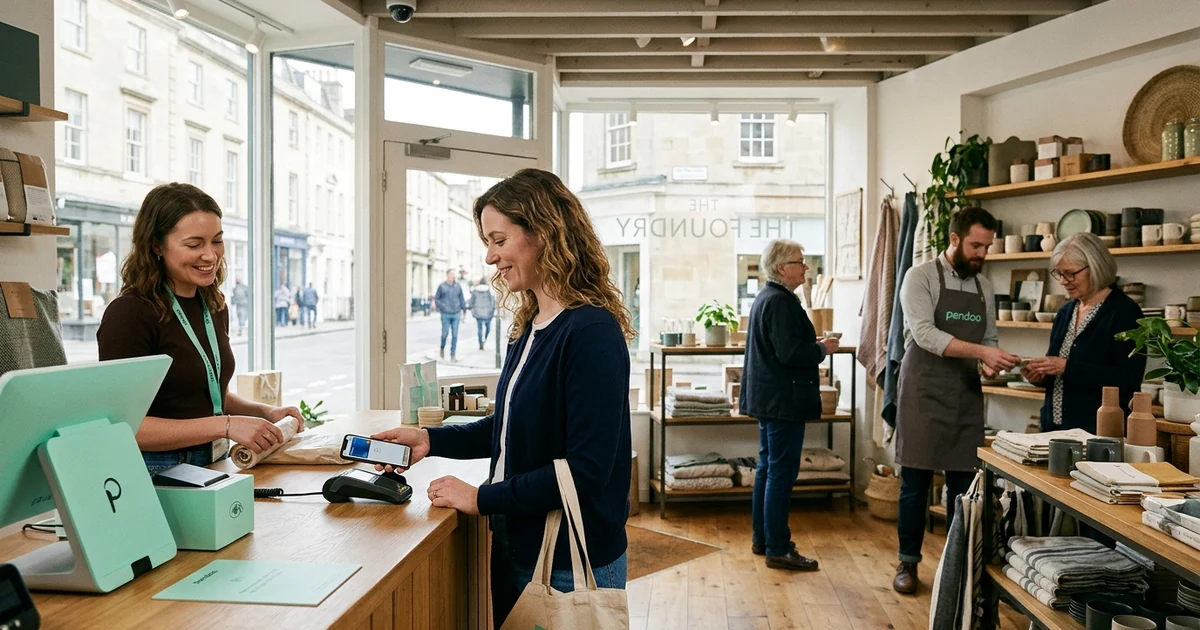
Pendoo supports that approach: shoppers scan a store QR code, scan product barcodes, build a basket and pay on their phone without downloading an app. Its Shopify integration is live, and a free plan is available.
Start with the constraint, not the technology. Take one proposed location and challenge its checkout assumptions alongside its verified property costs. The question is not whether the new shop can copy the old one. It is whether it can deliver the same human value with a better operating model.
Like what you read?
Sign up and start running your store on your terms — free plan available.