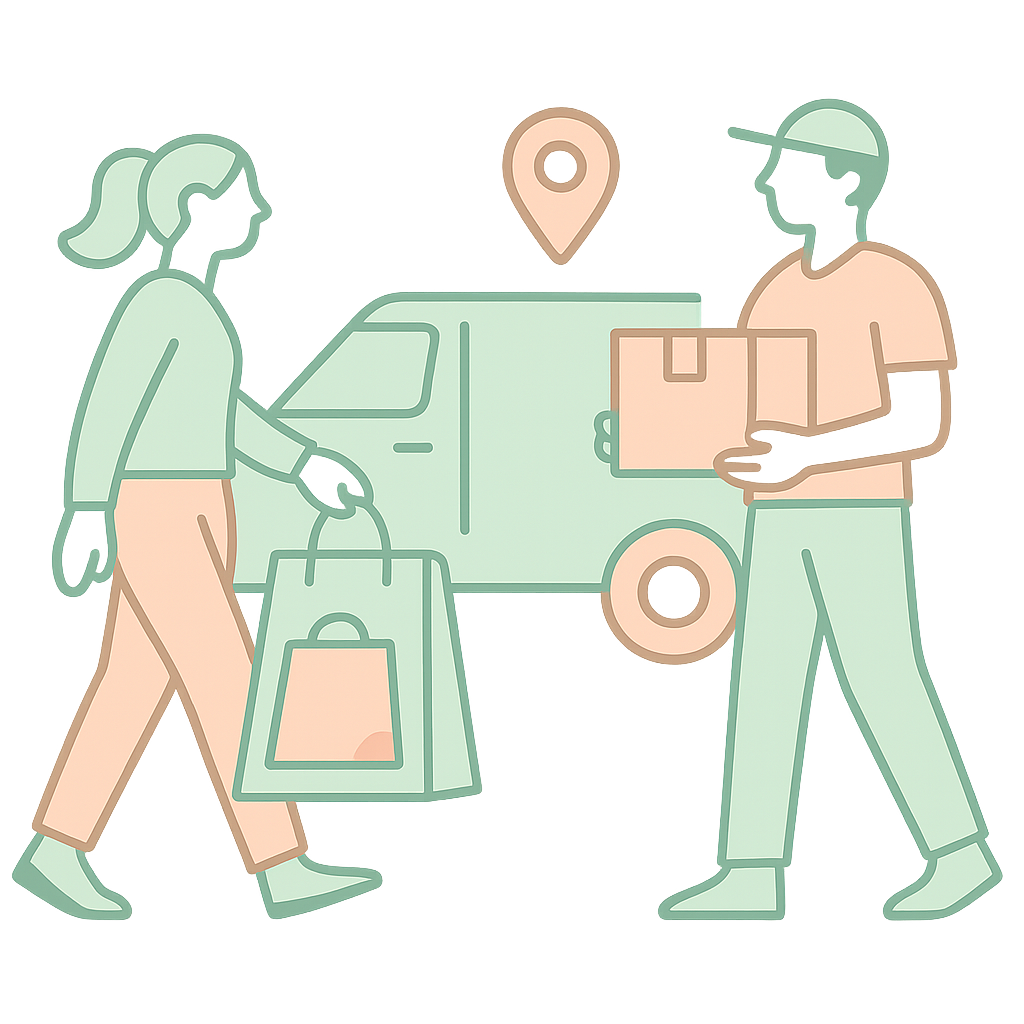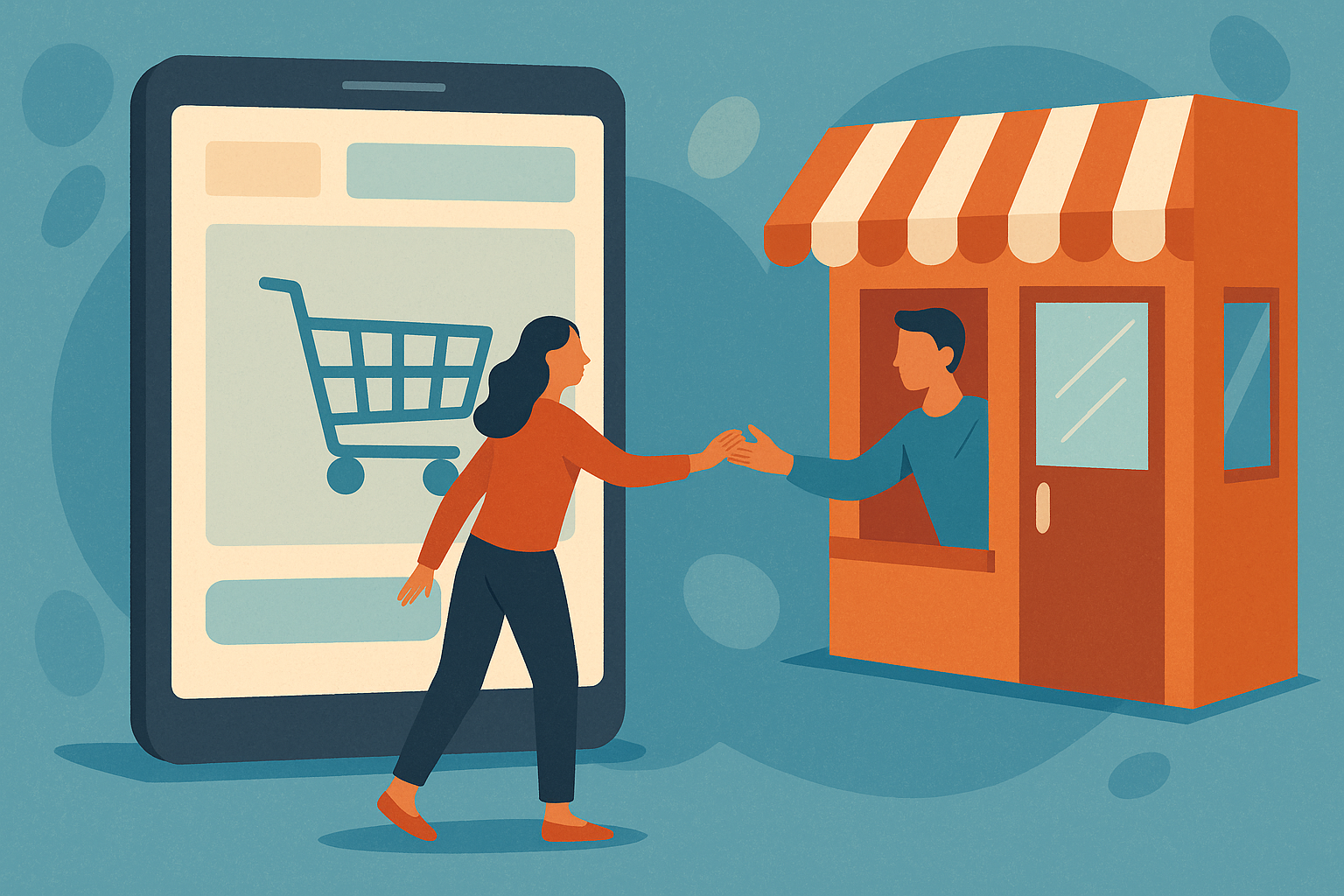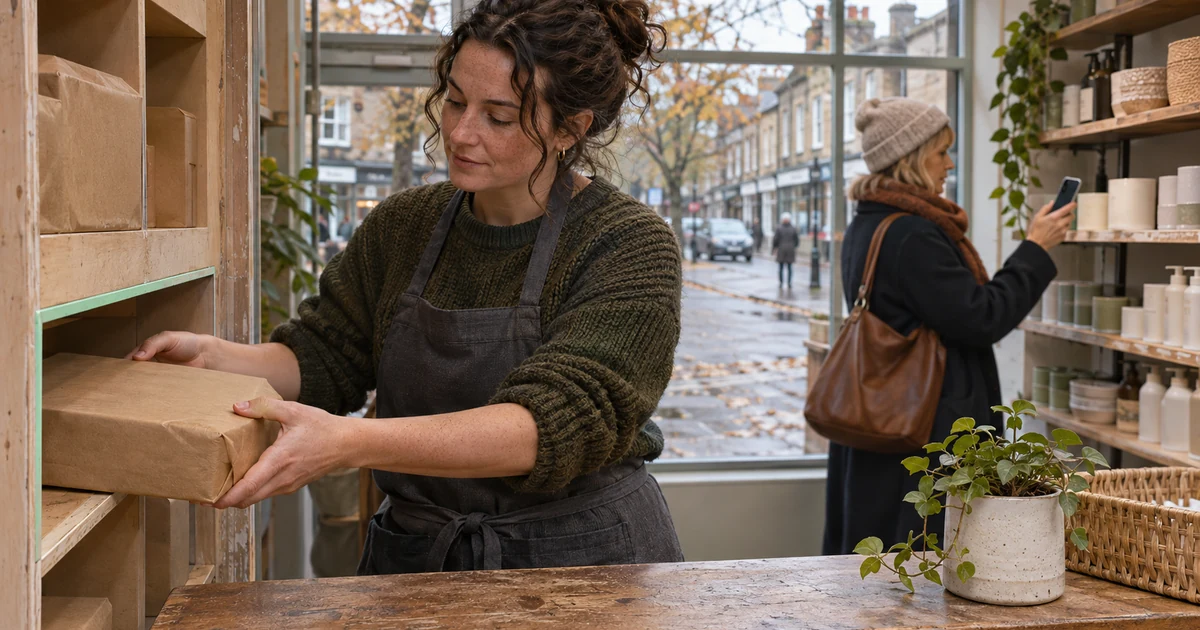
A second shop can look affordable on paper until you decide it will also handle online pickups. The lease and rota have their own lines. The colleague who stops helping someone on the floor to find a parcel rarely does. If free click and collect is part of your growth plan, price that interruption before you copy the service into another store.
In November, the UK Competition and Markets Authority reminded online retailers to show mandatory delivery fees upfront in the total price. The letter is about what shoppers see online, not how stores should staff pickups. But it raises a useful question for retailers reviewing their delivery options: if more customers choose to collect, have you made room for the work that follows?
Count the work before the handover
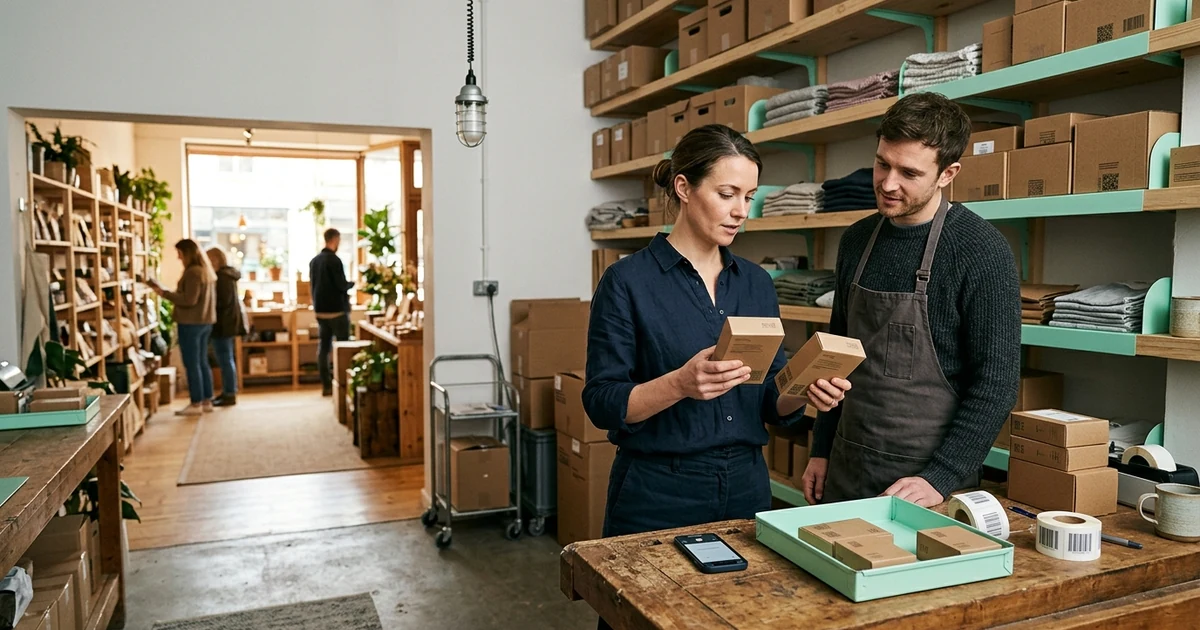
A parcel that takes seconds to hand over may have taken several separate trips through the stockroom. Someone has to pick or receive it, find a place to hold it and retrieve it when the customer arrives. A missing parcel or an order nobody collects can send the team back through the same steps.
Start with a week of observation. Log staff minutes from preparation to handover, then note when a pickup interrupts another task. Separate orders picked from the shop floor from parcels delivered ready to hand over. Compare a quiet weekday with a busy Saturday. The weekly total tells you what the service costs; the timing tells you whether the next shop can absorb it on the rota you’ve budgeted.
Decide which part of collection to change
In October, The Grocer reported that Morrisons would pilot grocery pickup lockers at its Skipton store, allowing shoppers to collect without a staff handover. That is a trial, not proof of a saving. A locker changes who opens the door at collection; somebody still has to get the right order behind it.
Your numbers might point somewhere cheaper. If colleagues spend most of their time hunting for bags, fix how orders are shelved before changing the collection point. If the work bunches up when the shop is busiest, test different collection windows before extending them. And if you’re counting on pickup customers buying something else, look at what they actually spend rather than crediting every collection as a sales opportunity.
Give pickups and purchases separate jobs
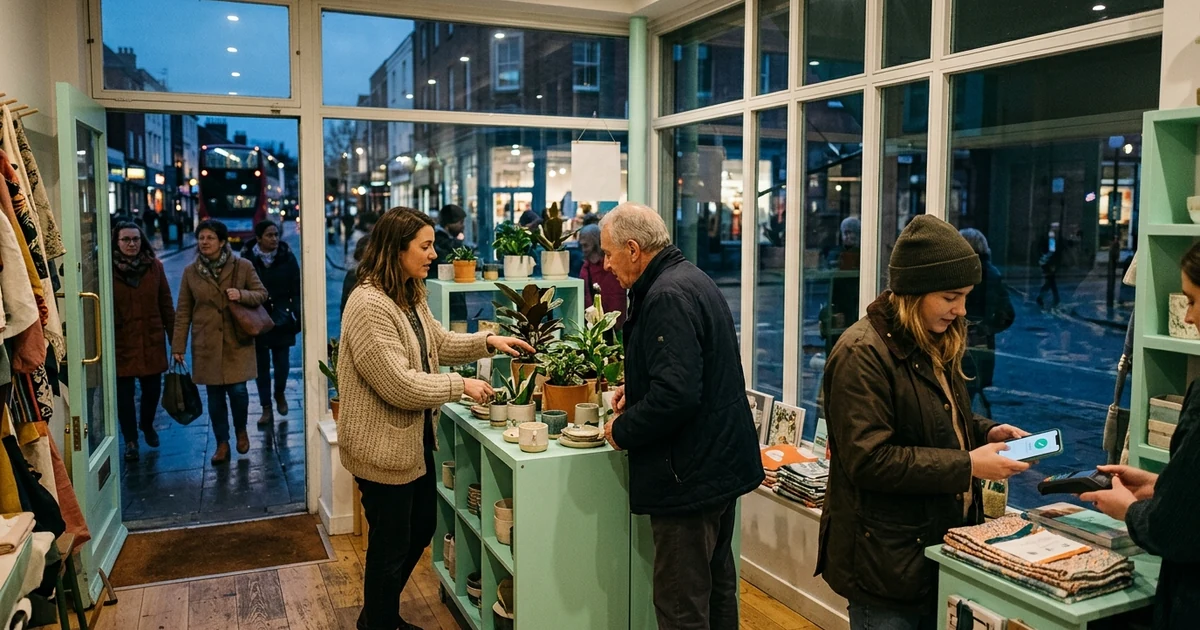
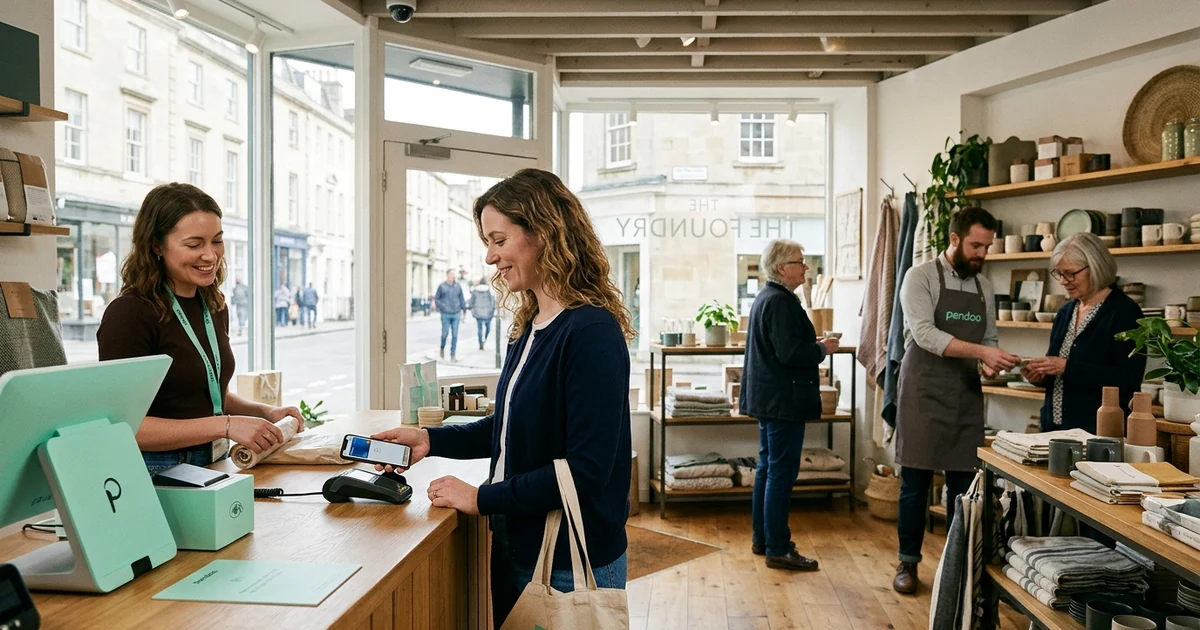
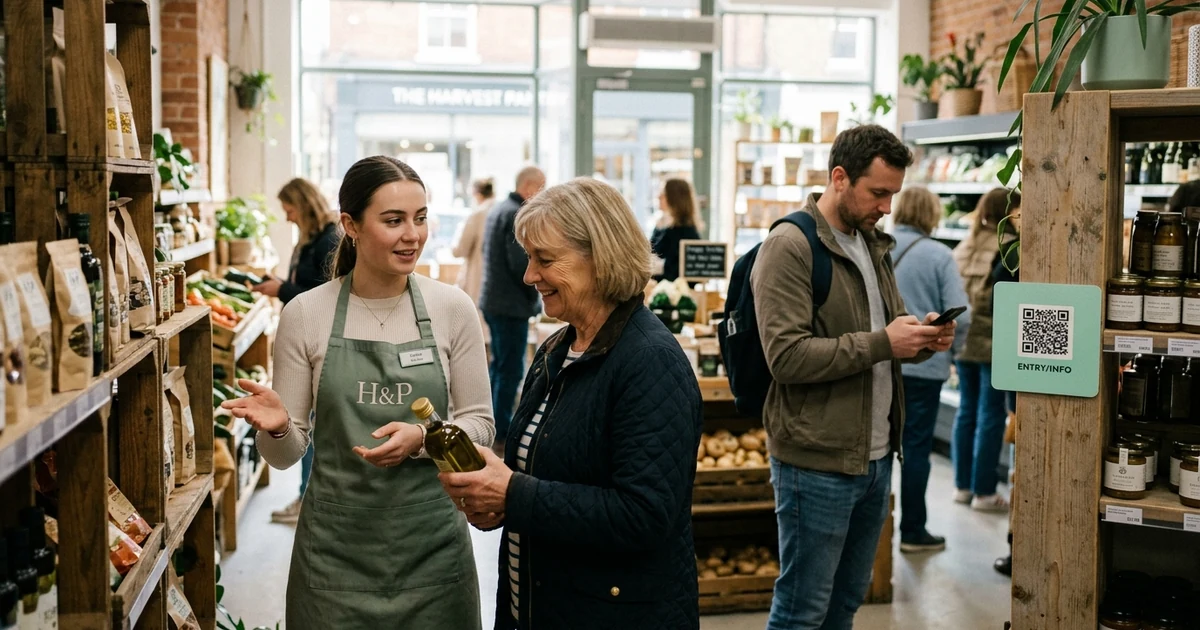
In-store collection and buying something off the shelf don’t have to depend on the same person. If one colleague handles both, a phone payment option can give shoppers with straightforward baskets another way to buy, while that colleague helps with a missing order or gives a customer advice. It won’t remove the work of fulfilling an online order. What it can change is how often that work competes with taking payment.
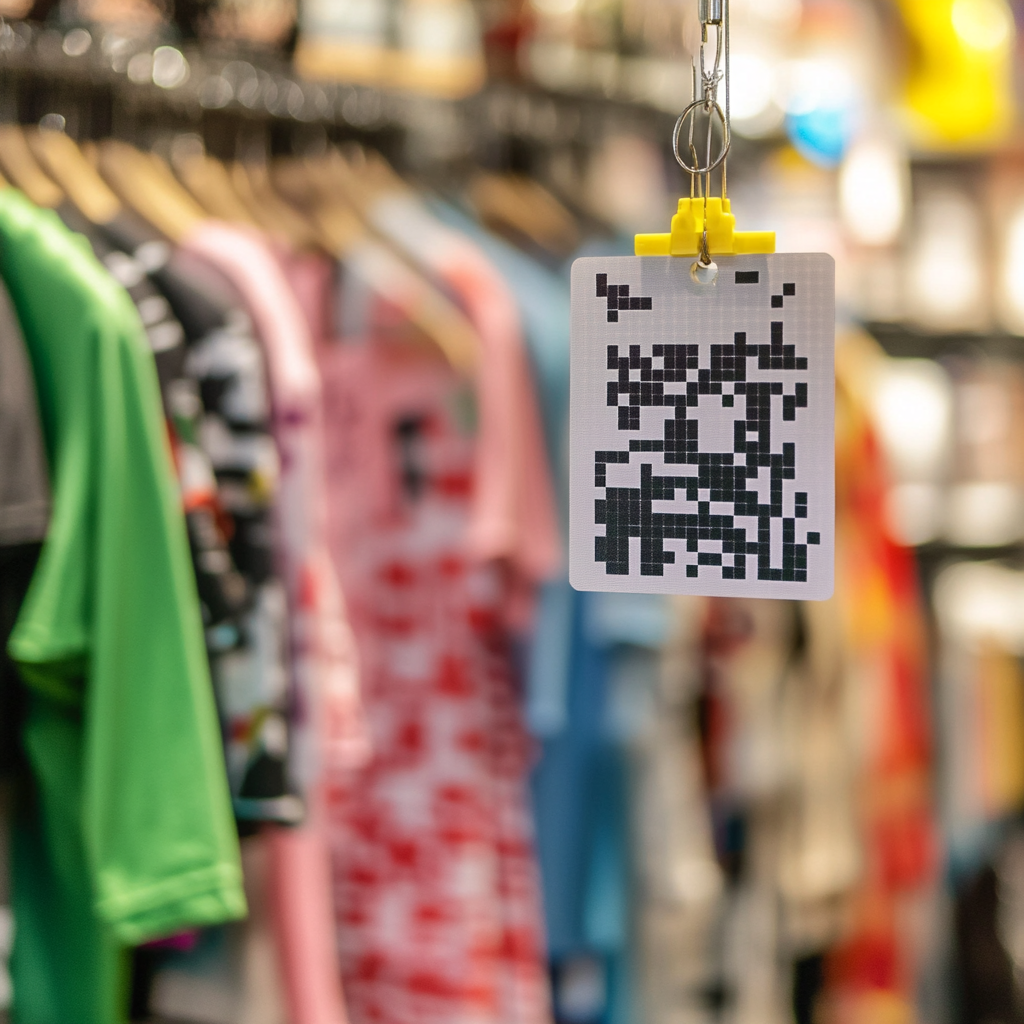
That’s where Pendoo’s mobile checkout fits. Shoppers scan the store’s QR code, scan product barcodes to build a basket and pay on their phone without downloading an app. The Shopify integration is live, and a free plan is available. Keep a staffed way to pay and test what happens on a normal shift, not a launch day with extra hands.
Before you promise collection at your next location, run that test in one shop. Track staff minutes per pickup alongside interruptions and the time left for customer help. Expand the service when you can see where the work fits, not just where the parcels fit.
Like what you read?
Sign up and start running your store on your terms — free plan available.