Retail has found a productivity story
Britain’s productivity debate has suddenly become more interesting for retailers. The Resolution Foundation estimates that UK output per hour grew by an average of 1.1% a year in the two years to the second quarter of 2026, reversing the 0.7% annual fall in the preceding two-year period.
Wholesale and retail helped that recovery. Their contribution to productivity growth moved from minus 0.2 percentage points to plus 0.2 points. That sounds encouraging. It also raises a harder question: what should higher retail productivity actually feel like inside a store?
More output cannot be the only test
Demand has recently provided a tailwind. The Office for National Statistics reported in its July retail sales bulletin that sales volumes rose by 1.1% in the three months to July 2026 compared with the previous three months.
But a sales uplift is not the same as a stronger operating model. Store productivity improves sustainably when a retailer can handle more trade, use space more effectively or open for longer without every extra pound of revenue demanding a matching increase in routine labour.
Good productivity removes low-value work. It does not remove the human value of the store.
The checkout is an allocation decision
Every hour spent processing an ordinary transaction is an hour unavailable for advice, replenishment, merchandising or customer care. The question is not whether staff are working hard. It is whether the operating model places their time where it creates the most value.
- Can customers complete straightforward purchases without waiting for a till?
- Can staff remain on the floor during a busy trading period?
- Can longer opening hours work without adding a dedicated checkout shift?
This is where physical retail technology needs a human test. If it merely adds another screen, process or dashboard, it may create activity without improving staff productivity. If it removes repetitive transaction handling, the team gains time for work customers notice.
Measure what happens to human attention
Retailers assessing mobile checkout should look beyond transactions per hour. Measure how much staff time returns to the shop floor. Watch whether customers receive faster help. Test whether one team can support more selling space or a longer trading day without service becoming thinner.
These measures reveal whether technology is cutting visible service or protecting it. A productive store should not feel empty or impersonal. It should feel easier to buy from because routine payment no longer competes with useful human attention.
A practical productivity experiment
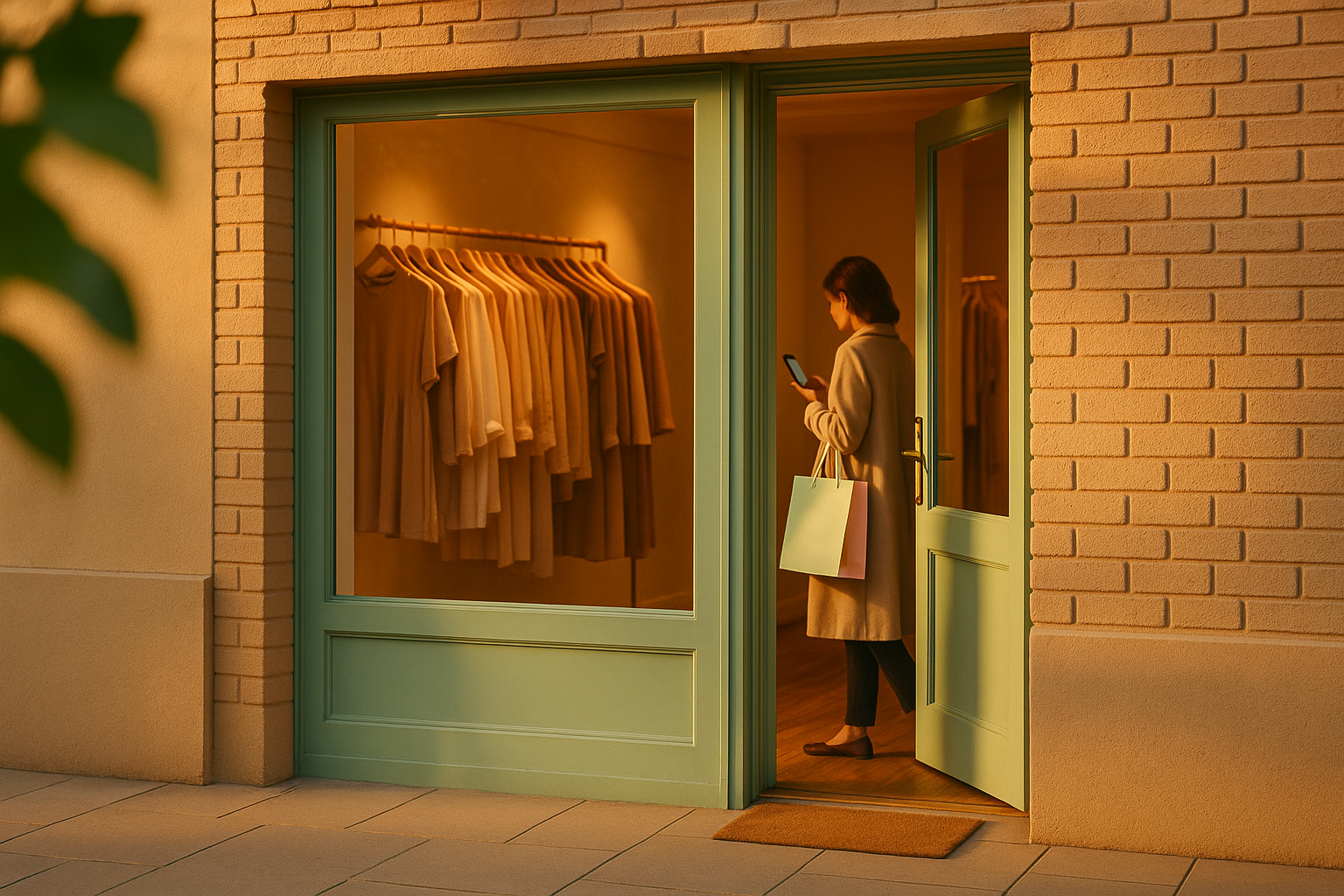
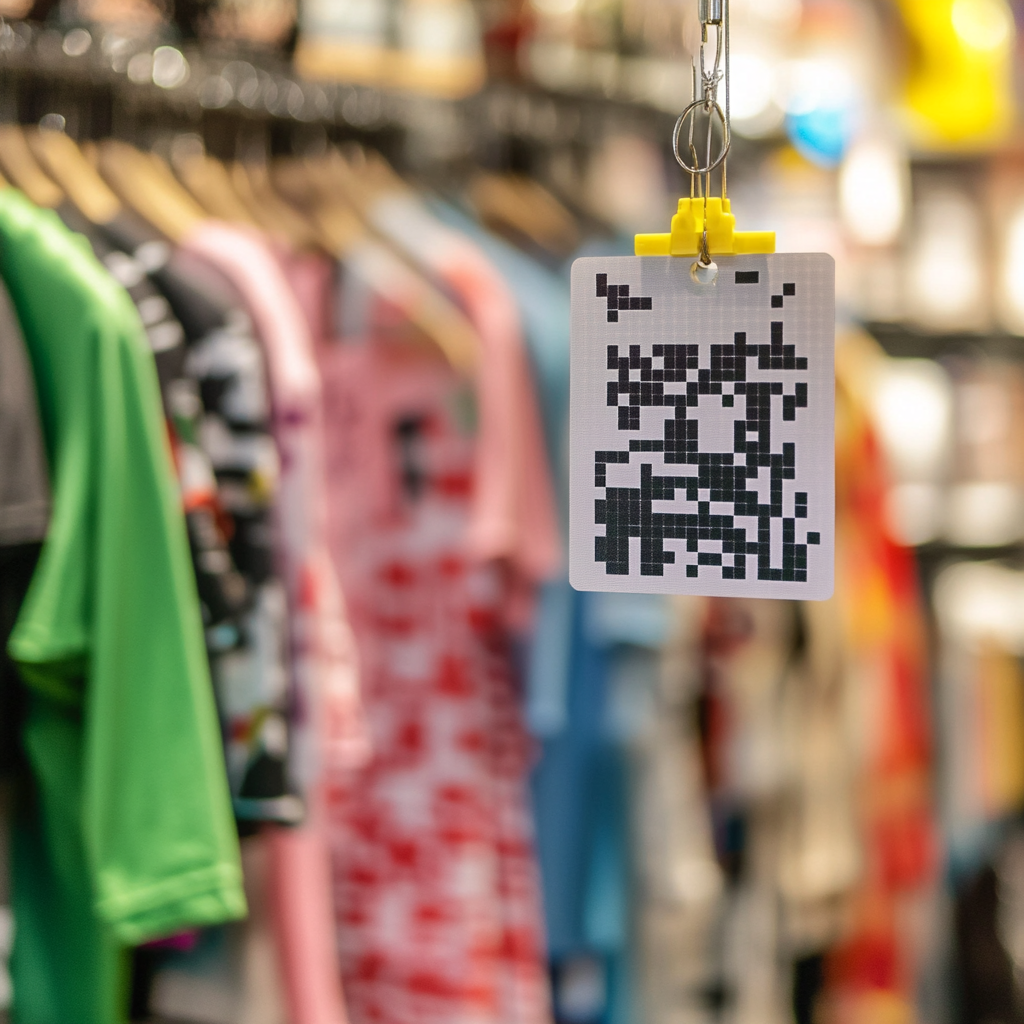
Pendoo lets shoppers scan a store QR code, scan product barcodes and pay on their phone without downloading an app. For retailers, the more important point is what that mechanism makes possible: mobile checkout without installing another fixed till or assigning every transaction to a staff member.
Start with one constrained part of the operation. It could be an extended hour, an extra area of selling space or a period when the team is pulled between service and payment. Pendoo has a free plan, so the test can begin with a simple question: does this give valuable time back to people?
Like what you read?
Sign up and start running your store on your terms — free plan available.